


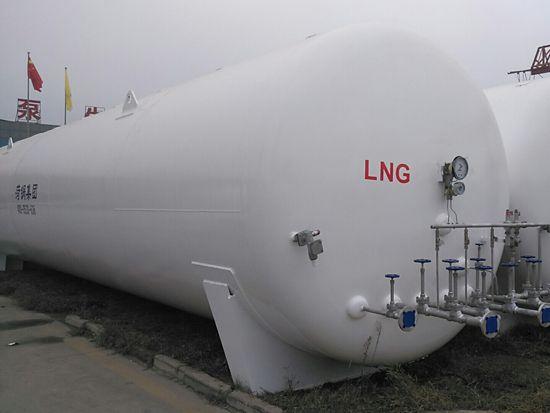
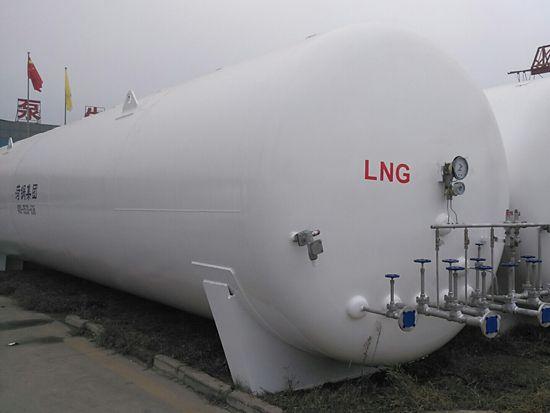
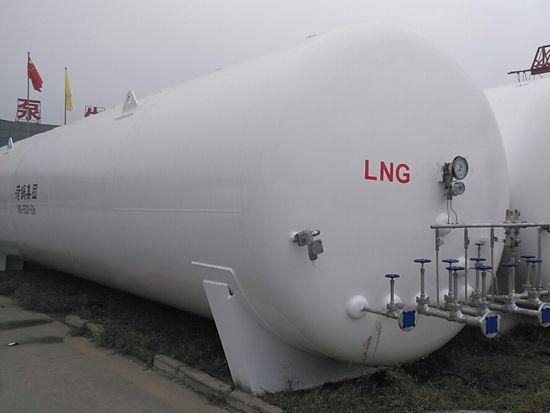

Manufacturing10Cubic Liquefied Gas Storage Tank20Cubic Liquefied Gas Storage Tank30Cubic Liquefied Gas Storage Tank50Cubic Liquefied Gas Storage Tank60Cubic Liquefied Gas Storage Tank80Cubic Liquefied Gas Storage Tank100Cubic Liquefied Gas Storage Tank150Cubic Liquefied Gas Storage Tank200Cubic Liquefied Gas Storage Tank10Cubic liquid ammonia storage tank20Cubic liquid ammonia storage tank40Cubic liquid ammonia storage tank50Cubic liquid ammonia storage tank80Cubic liquid ammonia storage tank100Cubic liquid ammonia storage tank150Cubic Liquid Ammonia Storage Tank200Cubic liquid ammonia storage tank
Huzhou Boiler Factory Co., Ltd. is a producer of liquefied gas storage tanks in China.5--200A fully annealed furnace for the entire cubic liquefied gas storage tank, steel column sandblasting for rust removal, advanced manufacturing management systems, procurement of high-quality raw materials, and the welding techniques of skilled welders forge the liquefied gas storage tank production base.
Liquefied Petroleum Gas (LPG) tanks are pressure vessels designed for storing LPG. They are special equipment that can only be produced by enterprises approved by the National Quality Supervision and Inspection总局. Such production requires the national certification for Class III pressure vessel design and manufacturing. Shandong Heze Boiler Factory Co., Ltd. is a national-approved manufacturer for Class I, II, and III pressure vessel design and production, capable of producing pressure vessels such as LPG tanks under 200 cubic meters. It is one of the few companies in the country that can produce such products.200Cubic Enterprises.
Liquefied Petroleum Gas Tanks Selected in Compliance with National StandardsQ345RSteel plates, typically sourced from Jinan Iron and Steel Works or Anyang Iron and Steel Works, both major state-owned enterprises in China. The quality of the steel plates is guaranteed, and our technical staff will re-inspect them for compliance upon purchase. Qualified steel plates undergo multiple processes including rolling, splicing, welding, non-destructive testing, annealing, hydraulic and pneumatic testing, sandblasting, and painting, all using advanced production techniques to ensure the quality of the storage tanks. Liquefied gas storage tanks are primarily used in liquefied gas stations. The production process involves multiple steps, with the key ones being: selecting high-quality raw materials from reputable large-scale steel mills; our company uses materials from state-owned steel enterprises in Jinan and Anyang. Next, the tanks must undergo full annealing after welding to eliminate stress in the steel plates, ensuring the tank is a single, unified structure without cracks in the welds. Furthermore, our company employs shot blasting for rust removal, using steel shot of one to two millimeters in size to sandblast the tank surface. This method effectively removes rust, and the paint applied can last longer.***Our company selects products from large paint manufacturers, applying two coats of rust-inhibiting primer followed by two coats of topcoat. Four layers of paint ensure the tank won't peel for up to five to ten years, and with good maintenance, it can last up to twenty years without the need for repainting.

Our company specializes in storage tank pressure vessels, which are one of our key products. These include LPG storage tanks, anhydrous ammonia storage tanks, liquid chlorine storage tanks, propane storage tanks, pentane storage tanks, and low-temperature storage tanks for liquid oxygen and nitrogen. Particularly, our LPG storage tanks have been produced in bulk with a continuous production line, and we have a variety of models in stock. Available capacities range from 5 to 200 cubic meters, and we offer both above-ground and underground tanks.
Liquid Petroleum Gas Aboveground Storage Tank Safety Operating Procedures
1. Use tanks in accordance with national standards and design specifications; strictly prohibited from exceeding pressure or liquid level.
2. Inspections are conducted strictly according to regulations; tanks that do not meet standards are not to be put into use.
3. Various safety accessories of the storage tanks must be inspected regularly in accordance with regulations to ensure normal operation.
4. Valves connected to the storage tank should be clearly marked with their normally open or normally closed status.
5. The liquid storage in the tank should be strictly controlled below 85%, and the liquid level gauge must have clear limit markings.
5. Promptly drain the tank if overfilling is detected.
6. Conduct daily routine checks on the tank's pressure, temperature, and liquid level; promptly address any anomalies and report them.
7. When the summer temperature exceeds 35℃ and the storage tank pressure is above 10 kgf, it is mandatory to activate the spray cooling system.
8. When the winter temperature drops below 5°C, daily inspection and treatment of tank draining and waste removal should be conducted to prevent ice blockages.


Liquid Propane Gas Tanks - Renowned LP Gas Tank Prices - Professional Manufacturer's Sales Prices - Ready-to-Ship LP Gas Tank Factory
