


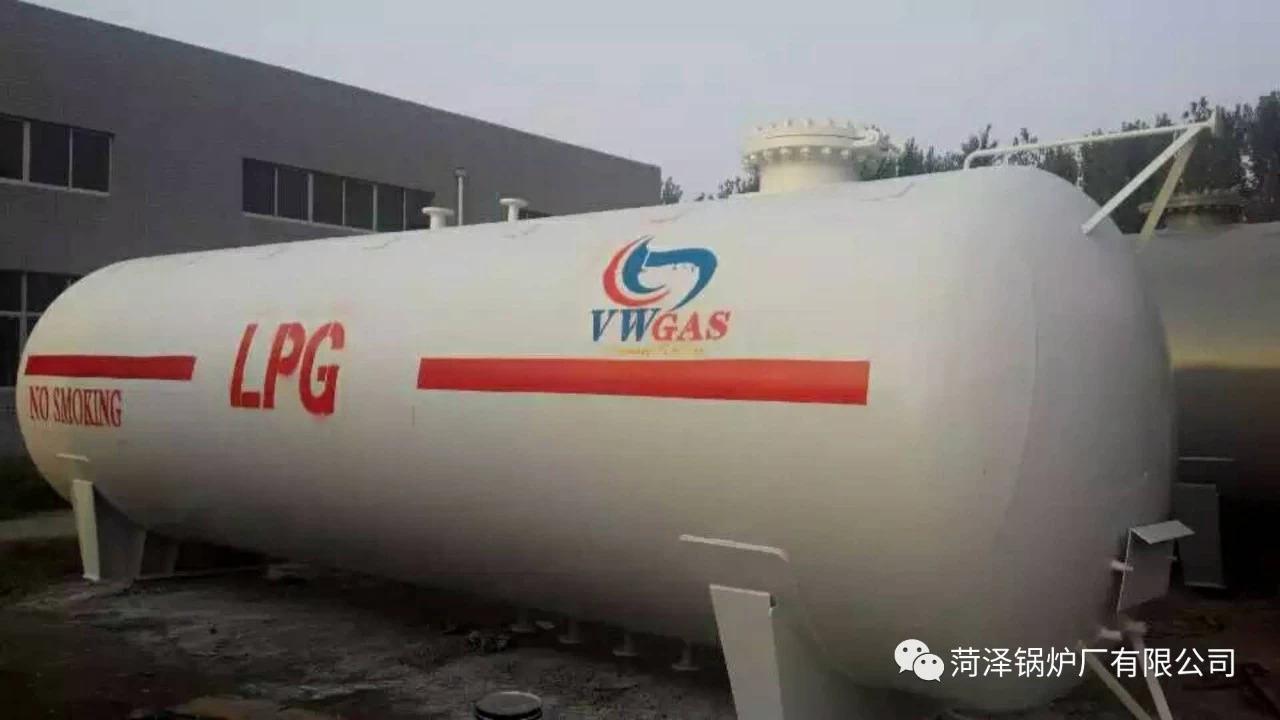
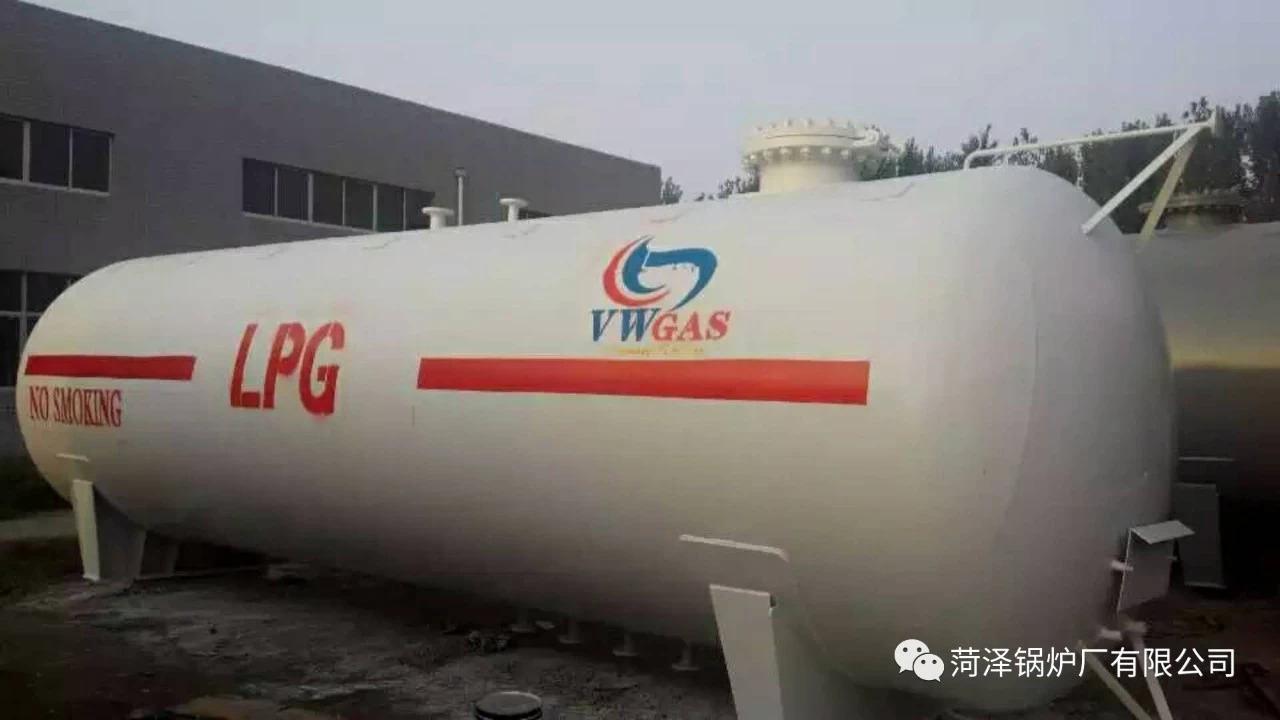
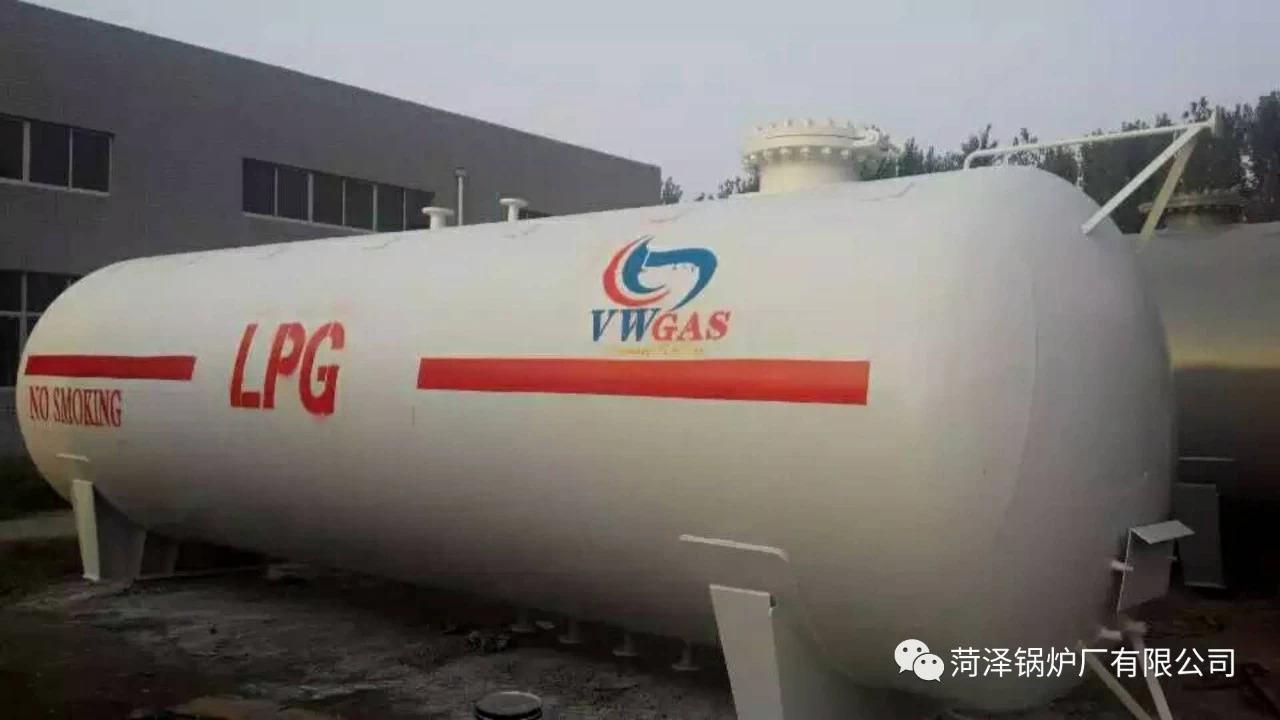

This product is a horizontal fixed vacuum powder insulation low-temperature storage tank, featuring a double-layered cylindrical structure. The inner container is designed for storing low-temperature liquefied natural gas, while the outer shell forms and protects the vacuum insulation space. The interlayer is filled with mica sand and evacuated to create an effective insulation system. The design of the outer shell and support system is capable of withstanding the related external forces during manufacturing, transportation, installation, and use. The bottom of the tank is equipped with a complete set of valves, instruments, and safety devices for operation.
Safety:
One, stainless steel plates are sourced from Taiyuan Iron and Steel Plant, which is the leading domestic manufacturer of stainless steel plates, ensuring quality. Tube materials are supplied by Anhui Tianda Steel Tube, the top supplier of domestic stainless steel seamless tubes.
Two, materials are all in accordance withGB150-2011The "Pressure Vessel" undergoes re-inspection, with material cutting performed by a CNC plasma cutting machine, ensuring strict control over the geometric dimensions of the cylinder sections.
Section 3: Both longitudinal and circumferential seams are welded using submerged arc welding, resulting in good appearance and form, and the inner shell is also treated.100%XRadiation Detection
Vacuum Level:
One, the inner and outer surfaces of the stainless steel lining are degreased and pickled passivated, the outer and inner surfaces of the carbon steel shell are sandblasted for rust removal, ensuring paint adhesion, extending the paint's corrosion resistance lifespan, enhancing the stainless steel plate's corrosion resistance, reducing the air release from the sandwich, thereby guaranteeing the longevity of the vacuum degree.
2. Prior to loading sand, we perform a unique dehydration pretreatment on the pearl-like sand and heat the sandwich layer using nitrogen gas for displacement treatment, significantly reducing the source of gas emissions.
Three, the sand filling is achieved using a vacuum filling and positive pressure compaction process, ensuring the uniformity of the sandwiched pearlescent sand. The use of vibration rod compaction technology maximizes the filling capacity of the pearlescent sand, ensuring the insulation effect of the sandwich layer.
Four: Utilizing a unique vacuum extraction process, significantly reduces the time required to evacuate the inner shell and sandwich layers, ensuring the vacuum level of the sandwich exceeds national standards. Guarantees the vacuum level of the storage tank is3~5No reprocessing required within the year.
Appearance:
1. The bending of elbows is performed on a CNC bending machine, ensuring strict dimensional accuracy for the elbows. No elbow joints are used, significantly reducing pipe resistance and enhancing the aesthetic appearance of the external piping system.
The paint used is from Jotun, a world-renowned brand, with two coats of primer and two coats of topcoat, ensuring the longevity of the paint and the quality of the equipment's appearance.
During operation, low-temperature storage tanks pose potential hazards such as leaks, overpressure, and explosions. If the hidden dangers before these accidents are not discovered and addressed in time, they can escalate into severe incidents. Therefore, establishing a comprehensive inspection system and strictly implementing it is crucial for ensuring the safe operation of low-temperature storage tanks.
When the low-temperature storage tank is in operation, potential dangers such as leaks, overpressure, and explosions exist. If the hidden dangers before these accidents are not discovered and addressed in time, they can escalate into severe incidents. Therefore, establishing and strictly implementing a comprehensive inspection system is crucial for ensuring the safe operation of the low-temperature storage tank. Daily inspections of the low-temperature storage tank mainly include the following:
1. Are there any leaks in the valves and piping, or frost or condensation on the casing?
2. Are all valves in normal open/close status?
3. Are the instruments (level gauges, pressure gauges) functioning properly, and do the DCS display parameters match the field primary meters?
4. Is the tank slot pressure normal? When the pressure approaches or equals the maximum pressure, the vent valve must be opened to relieve pressure.
5. Is the liquid fill rate over 95%?
6. Is the sealed gas normal for the atmospheric pressure powder insulation tank? (50mmH2O)
7. No flammable, explosive materials, or any debris are permitted within the vicinity of the liquid oxygen storage tank, with clear signage provided.
8. No smoking or open flames near the liquid oxygen storage tank.
9. Test the acetylene and total hydrocarbon content in the liquid oxygen in storage tanks at least once a week. The acetylene content must not exceed the specifications set by the process; if it does, liquid oxygen must be discharged and replaced promptly.
10. Is the liquid oxygen storage tank properly grounded?
11. Ensure there is a certain amount of liquid inside the can if it's not to be unused for a long period, to avoid spending a significant amount of time refilling and cooling the can again.
12. Check for leg damage, foundation settlement, tilting, cracking, the integrity of the bolts, and any tank deformation.
13. Regularly check the vacuum level of the storage tank.


正规天然气储罐公司-专业天然气储罐生产商-供应天然气储罐厂家-哪家天然气储罐
