


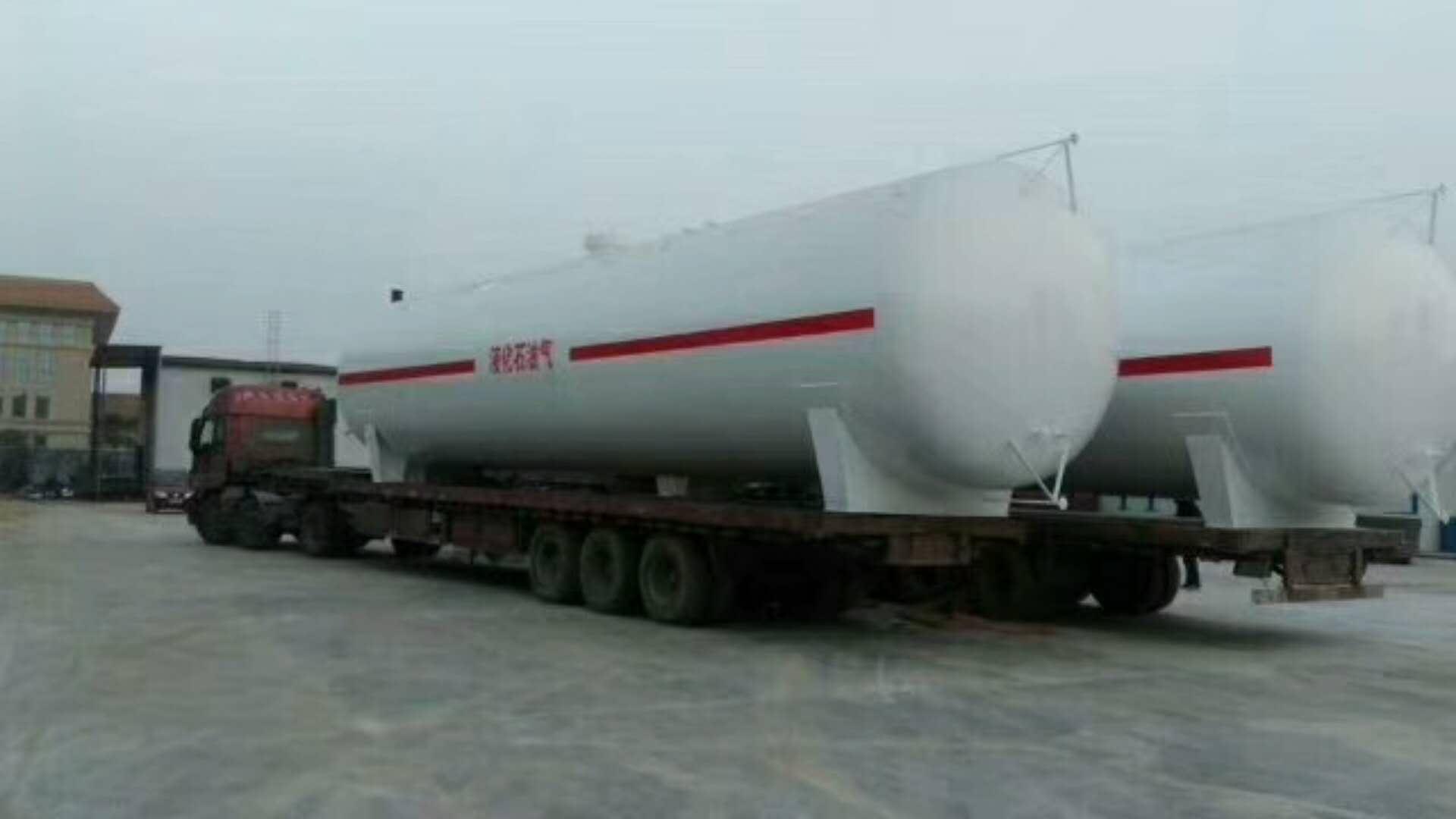
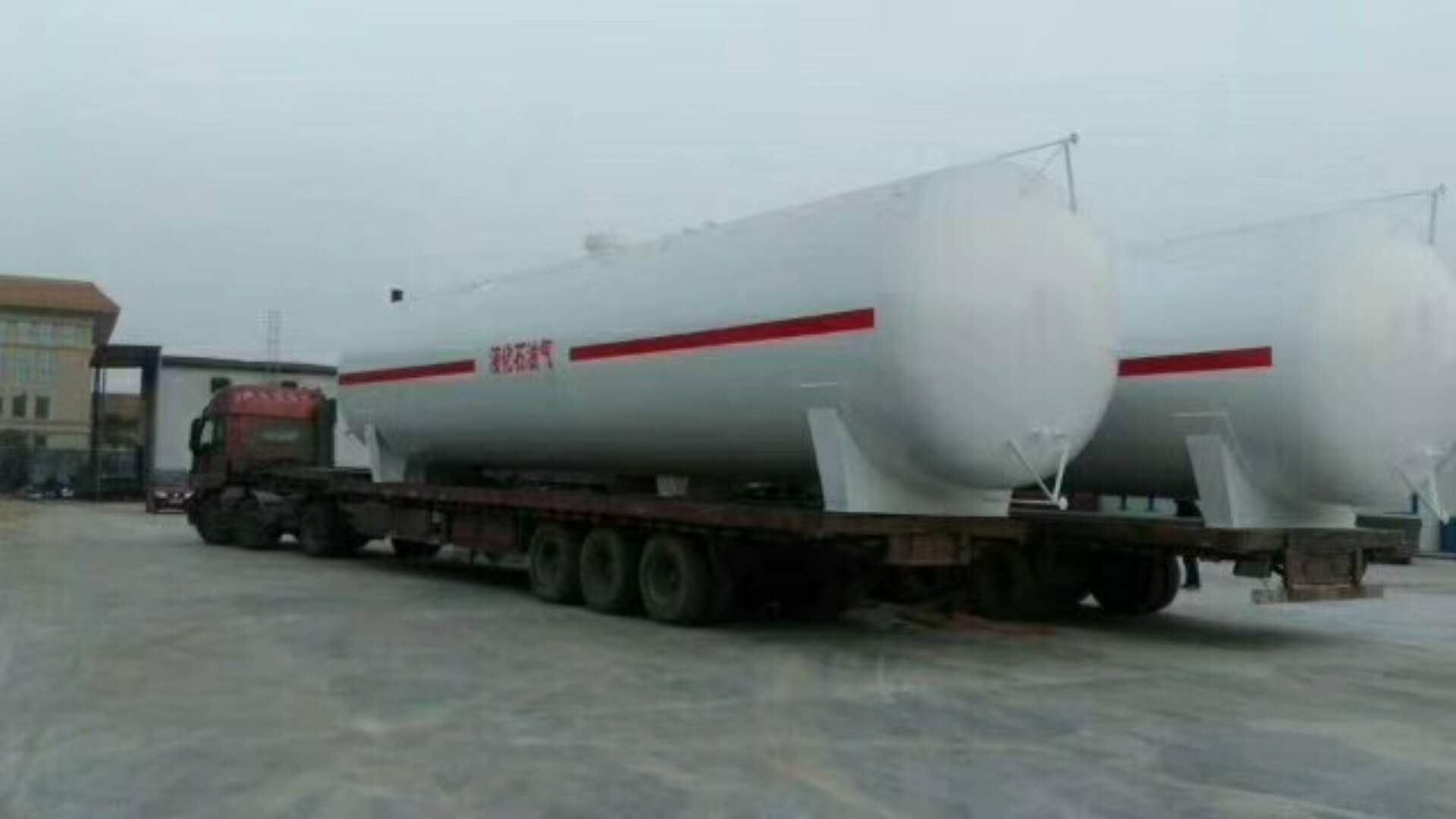
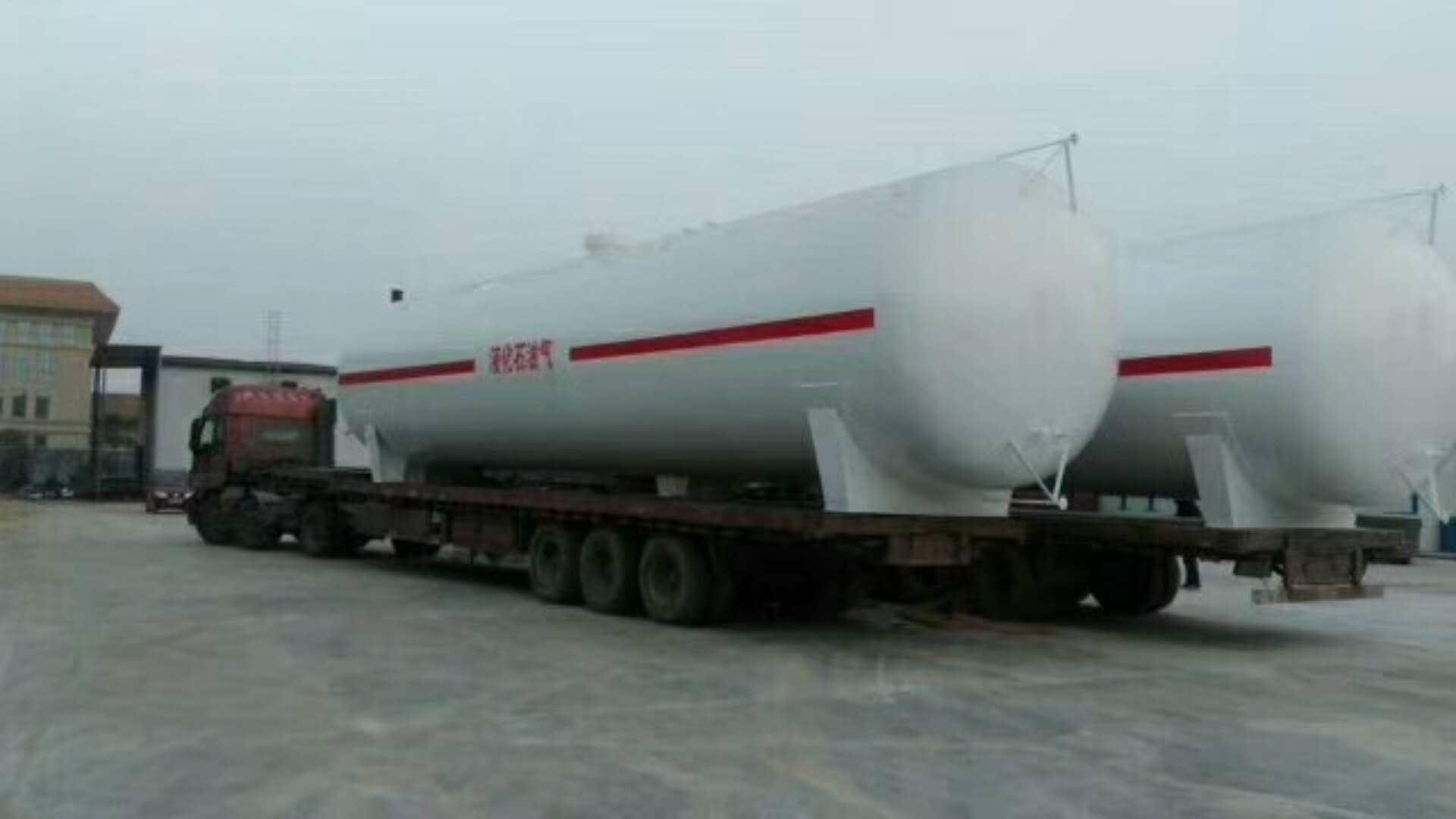

Manufacturing10Cubic Liquefied Gas Storage Tank20Cubic Liquefied Gas Storage Tank30Cubic Liquefied Gas Storage Tank50Cubic Liquefied Gas Storage Tank60Cubic Liquefied Gas Storage Tank80Cubic Liquefied Gas Storage Tank100Cubic Liquefied Gas Storage Tank150Cubic Liquefied Gas Storage Tank200Cubic Liquefied Gas Storage Tank10Cubic liquid ammonia storage tank20Cubic liquid ammonia storage tank40Cubic liquid ammonia storage tank50Cubic Liquid Ammonia Storage Tank80Cubic liquid ammonia storage tank100Cubic liquid ammonia storage tank150Cubic Liquid Ammonia Storage Tank200Cubic liquid ammonia storage tank
Heze Boiler Factory Co., Ltd. is a producer of liquefied gas storage tanks in China.5--200A fully annealed furnace for the entire cubic liquefied gas storage tank, steel column sandblasting for rust removal, advanced manufacturing management systems, procurement of high-quality raw materials, and the welding techniques of skilled welders forge a liquefied gas storage tank production base.
Liquefied Petroleum Gas (LPG) storage tanks are pressure vessels used for storing LPG. They are special equipment that can only be produced by enterprises approved by the National Quality Supervision and Inspection总局. These tanks require a national certification for the design and manufacture of Class III pressure vessels. Shandong Heze Boiler Factory Co., Ltd. is an authorized producer of Class I, II, and III pressure vessels, capable of manufacturing LPG storage tanks up to 200 cubic meters and other pressure vessels. It is one of the few companies nationwide that can produce such equipment.200Cube Corporation.
LPG storage tanks are selected in accordance with national standards.Q345RSteel plates, generally sourced from Jinan Iron and Steel Plant or Anyang Iron and Steel Plant, both major state-owned enterprises in China, ensuring the quality of the steel plates. Our company's technicians will re-inspect the steel plates for compliance upon purchase. Qualified steel plates undergo multiple processes including rolling, splicing, welding, non-destructive testing, annealing, hydrostatic and pneumatic testing, sandblasting for rust removal, and painting, all using state-of-the-art production techniques to guarantee the quality of our storage tanks. Liquefied gas storage tanks are primarily used in liquefied gas stations. The production process involves multiple steps, with key procedures including: selecting high-quality raw materials from reputable large-scale steel enterprises; our company uses materials from state-owned steel enterprises in Jinan and Anyang. Next, the storage tank must undergo overall annealing after welding, which is to eliminate the stress in the steel plates, making the entire tank a single unit and preventing cracks in the welds. Furthermore, our company employs sandblasting to remove rust, using steel sand with a particle size of one to two millimeters to clean the tank's surface. This method effectively removes rust, and the paint applied will last longer.***Our company has chosen products from large paint manufacturers, applying two coats of anti-rust primer followed by two coats of topcoat. Four layers of paint ensure the tank will not peel for five to ten years, and with good maintenance, it can last up to twenty years without needing repainting.
Cautionary Notes for Natural Gas Storage Tanks: Jacketed vacuum powder-insulated pressure vessels used for storing and supplying cryogenic liquefied gases. Widely used in industrial production. Analysis of the hazardous characteristics of cryogenic liquids: They have low boiling points, high expansibility, strong asphyxiating properties, and strong oxidizing properties. Boiling points at 101.3 KPa: Liquid nitrogen at -196°C, liquid oxygen at -183°C, liquid argon at -186°C. Contact with the human body can cause severe frostbite to the skin and eyes. In case of minor leaks or internal leaks in valves, they absorb heat from the surrounding environment, causing rapid condensation and frost formation at the leak point, which can lead to freezing in severe cases. Cryogenic liquids absorbing high heat from the surrounding environment or large-scale leaks can rapidly expand due to quick vaporization. At 0°C and 101.3 KPa pressure, the volume of gases resulting from the vaporization of 1L of cryogenic liquids: nitrogen at 674L, oxygen at 800L, argon at 780L. Inside sealed containers or pipelines, increased internal pressure due to the vaporization of cryogenic liquids can easily lead to overpressure explosions. In the environment near cryogenic liquid storage tanks, the vaporization of leaked cryogenic liquids can easily form enriched gas areas. High concentrations of nitrogen, argon, or carbon dioxide can cause asphyxiation injuries. Additionally, high oxygen concentrations can lead to hyperoxygenation injuries. Oxygen is a strong oxidizing agent with high oxidizing properties. Liquid oxygen, when in contact with combustible materials, can easily ignite upon exposure to an open flame; contact can easily cause explosions due to shock or impact; mixing with combustible materials poses a latent explosion risk. Liquid oxygen can adhere to clothing fabrics and cause flash fires upon ignition, posing a risk to personal safety.


Liquefied Gas Tanks - Professional Liquefied Gas Tanks for Sale - Custom Liquefied Gas Tanks Available - Professional Manufacturer of Liquefied Gas Tanks
