


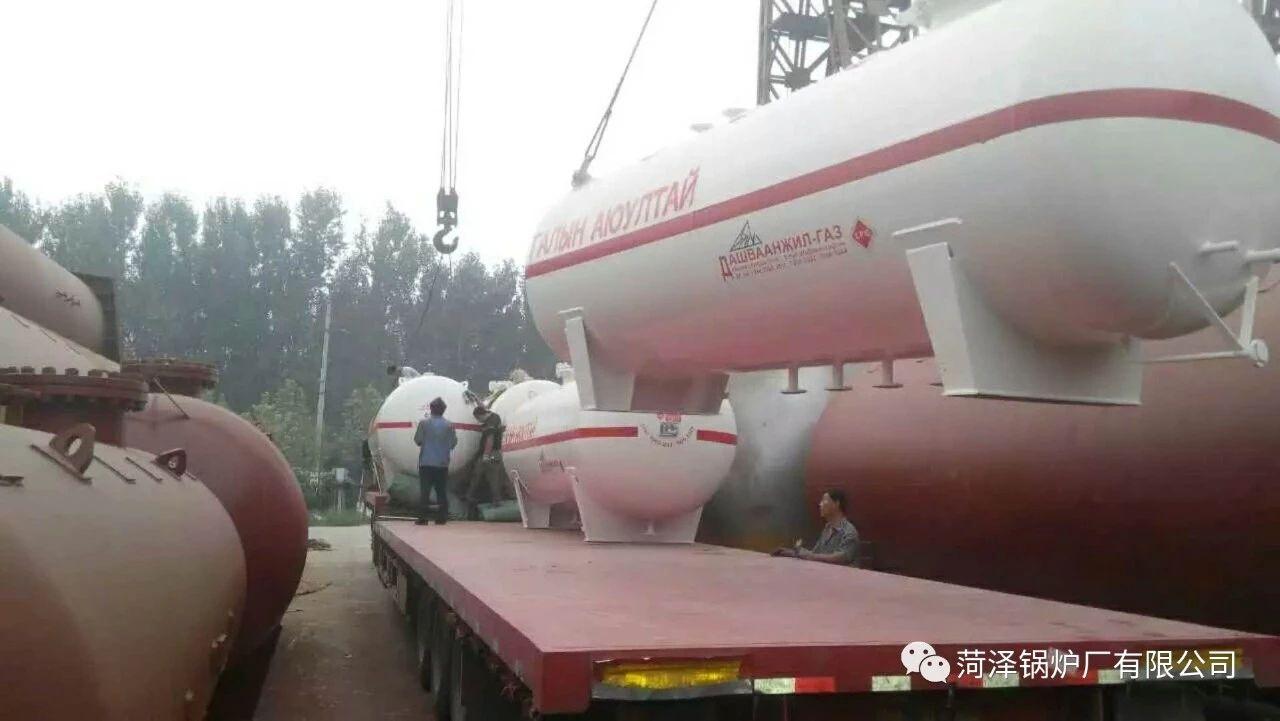
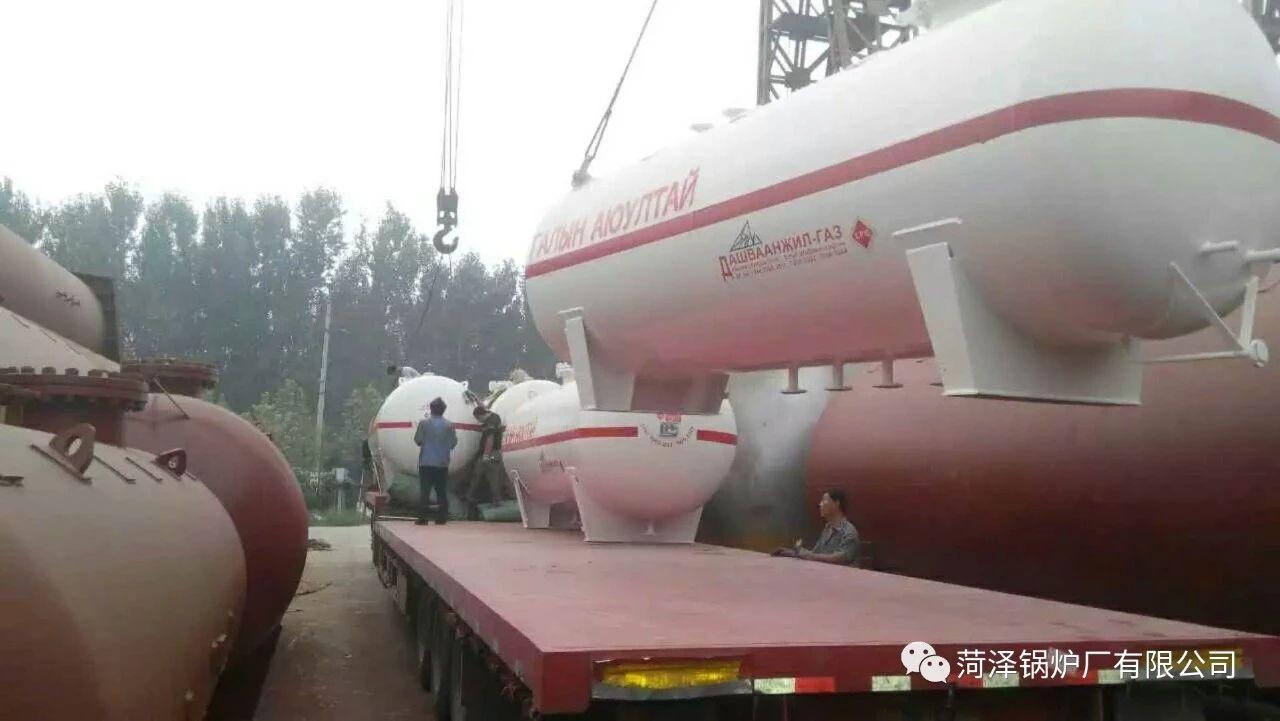
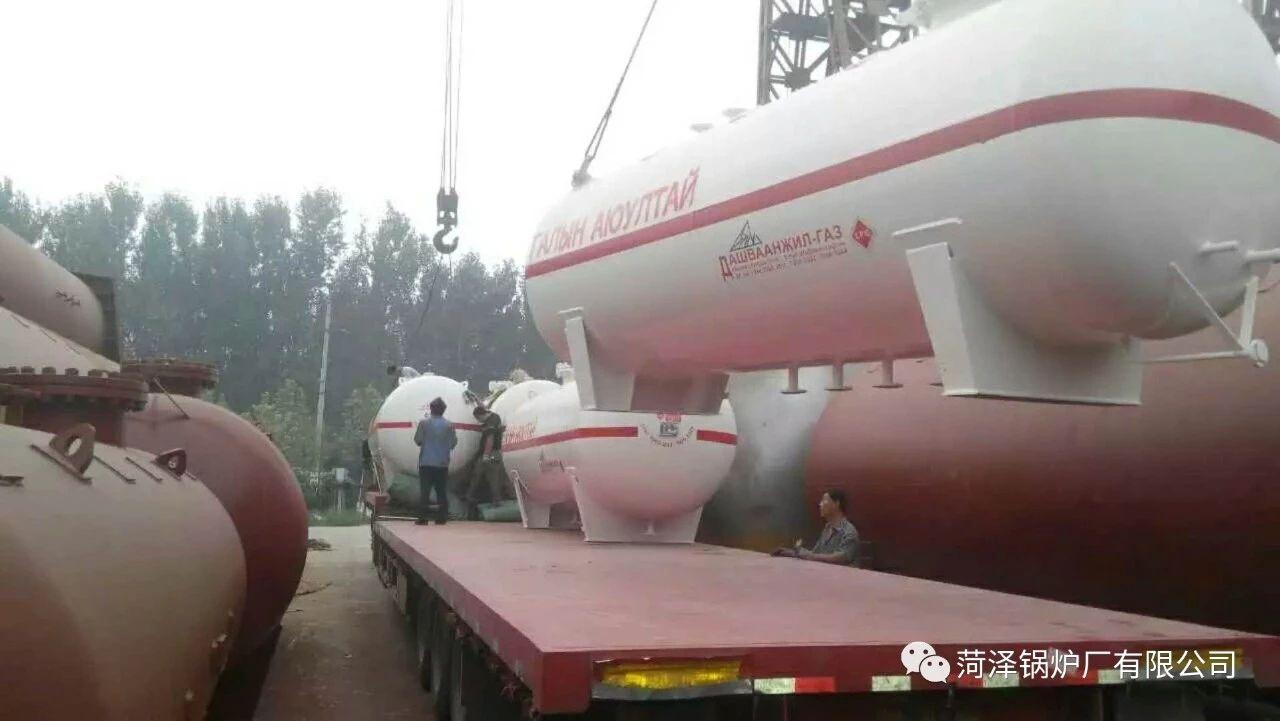
 60m3Horizontal Low-Temperature Liquefied Natural Gas Storage Tank Technical Parameters
(2)Tank pipeline valve instrument list (Domestic high-quality products)
Serial Number | Name Priced | Specs | Quantity | Factory Home |
1 | Low Temperature Long Shaft Stop Valve | DN40 | 8Piece | Zhangjiagang Furu Special Equipment Co., Ltd. |
2 | Low Temperature Long Shaft Stop Valve | DN25 | 2Piece | Zhangjiagang Furui Special Equipment Co., Ltd. |
3 | Low-temperature long shaft stop valve | DN10 | 1Piece | Zhangjiagang Furu Special Equipment Co., Ltd. |
4 | Needle valve | DN10 | 2Piece | Zhangjiagang Furu Special Equipment Co., Ltd. |
5 | Pipe safety valve | DN4 | 3Piece | Zhangjiagang Furui Special Equipment Co., Ltd. |
6 | Three-way valve | DN25 | 1Piece | Zhangjiagang Fortune Special Equipment Co., Ltd. |
7 | Safety Valve | DN25 | 2Piece | Zhangjiagang Furu Special Equipment Co., Ltd. |
8 | Level Differential Pressure Gauge | 15KPa | 1Set | Sichuan Chengdu Lanshi |
9 | Vacuum Valve Assembly | DN30 | 1Set | Chengdu Lanshi, Sichuan |
10 | Oxygen Pressure Gauge | 0-1.6Mpa | 1Piece | Chengdu Tianwei |
Partial User Cases:


液化天然气储罐厂家:
Manufacturer of Liquefied Natural Gas Tanks:Huzhou Boiler Factory Co., Ltd.
I. LNG Tank Safety Operating Procedures
1.1.1 Storage Tank Operating Process Specifications
1)Highest AllowableWork Pressure: 0.86MPa
2)DesignTemperature: -196℃
1.1.2 Tank Infeed Operation Procedure
1.1.2.1 Preparations
1) Operator Requirements: Operators must be certified after completing safety education and operational technical training, and should wear necessary personal protective equipment and work attire during operations.
2) Pressure Testing Requirements
3) All equipment should undergo pressure tests in accordance with design specifications prior to operation.
4) The test pressure gas should be dry nitrogen with oxygen content not exceeding 3%, moisture dew point not exceeding -25°C, and free of oil contamination.
5) Purge Replacement Requirements: Purge replacement is a safety measure to ensure the formal filling of equipment with liquid. It should first be purged using nitrogen with an oxygen content not exceeding 3%, while ensuring no oil contamination and a dew point of moisture not greater than -25°C. Then, LNG should be used to replace the liquid to achieve the required purity before allowing the liquid to be filled.
6) Precooling: After pressure testing passes, precooling with liquid nitrogen is required to ensure the reliability of low-temperature operation of the equipment. The tank must be purged and precooled with nitrogen before first use. The high purge pressure should be equivalent to 50% of the high working pressure, or lower than this pressure.
1.1.2.2 Initial Liquid Filling Operation of Storage Tank
1) Open both the upper and lower liquid inlet valves simultaneously for filling. At the same time, open the valve of the liquid overflow outlet to release the gas in the storage tank. Continue until LNG gas is discharged, then immediately close the overflow outlet valve.
2) When the tank is filled to over 50% of its volume, the lower liquid inlet valve should be closed.
When filling to 85% of the storage tank capacity, close the inlet valve, cease filling for 5 minutes to allow the liquid level to settle, then reopen the inlet valve and continue filling until liquid starts to overflow from the full overflow valve. Immediately close the full overflow valve, stop filling, and close the inlet valve.
4) Upon initiating the filling process, loosen the connections at both ends of the level gauge, fully open the liquid phase indicator valve and the gas phase indicator valve to display the level. Check if there is any moisture in the exhaust gas. If moisture is detected, continue to vent until no moisture is present. Then, tighten the connections at both ends of the level gauge and close the balancing valve to ensure the level gauge is in normal operating condition.
1.1.2.3 Tank Refueling Operation Procedure
1) After the initial formal filling, the gas phase pressure within the tank should be reduced as much as possible during subsequent refilling.
2) Fill both top and bottom simultaneously. When the liquid level gauge indicates approximately 50% full, close the lower inlet valve. When filled to 85% of the storage tank's capacity, close the upper inlet valve and cease filling for 5 minutes to allow the liquid level to settle. Then, reopen the upper inlet valve to continue filling until liquid begins to discharge from the overflow valve. Close the overflow valve and simultaneously close the upper inlet valve to stop filling.
3) Observe the pressure gauge and level gauge during filling. (If the pressure rises above the filling输送 pressure or near the safety valve pressure, it is necessary to open the gas vent valve to release an appropriate amount of gas phase from the storage tank.)
4) Fill out the operation record form
2. Tank Pressure Boosting Operation Procedure
1) The boost system is the tank pressure regulating system. When the tank pressure falls below the set value, we open the boost regulating valve to increase the pressure in the tank.
2) During operation, open the增压液相阀 to allow LNG to directly enter the booster gasifier. After gasification, it passes through the BOG and enters the storage tank. At this point, closely monitor the pressure and close the booster liquid phase valve once the storage tank pressure reaches the required level.
3) Important Notes:
a) During operation, the LNG tank must maintain a liquid level of ≥15%.
b) When operating the supercharger system, personnel must remain on-site at all times.
c) When the supercharging system is in operation, the pressure-reducing system should be in the off state.
3. Tank Discharge Operation Procedure
Preparation:
1) Check that the tank's pressure gauge, level gauge, thermometer, flammable gas detector, and safety valve are all operating normally.
Check if the pipeline valves, pressure gauges, and safety valves are in normal working condition.
3) Prepare all explosion-proof tools and wear appropriate safety equipment.
Section II: Safety Operating Procedures for Gasifiers
1) First, shut off the in-liquid and out-liquid valves in the system. Then, slowly open the in-liquid valve. When frost forms on the pipes, gradually open the exhaust valve. Continue until the gasification amount reaches the required level, then stabilize the valve opening.
If frost is found on the exhaust pipe, indicating excessively low exhaust temperature, it suggests an excessive liquid intake. It is imperative to immediately reduce the intake valve to prevent overflow, and promptly remove the frost from the pipe, increase ventilation equipment, or take other corresponding measures.
3) The vaporizer must be oil-free. Wear oil-free thermal gloves during operation. If the vaporizer is contaminated with oil, clean the heat exchanger. Use hot water between 60-80°C for cleaning, and if necessary, use nitrogen heated to 80-100°C for blowing, until oil-free and dry.
4) In severe cases, use carbon tetrachloride for cleaning. Be vigilant during cleaning and wear a gas mask if the odor is intense. After washing with the chemical, rinse with oil-free and debris-free clean water until no chemical residue is detected. Then, dry with nitrogen heated to 80-100°C until completely dry.
5) Conduct semi-annual leak checks on the vaporizer and the entire pipeline system, and keep detailed records.


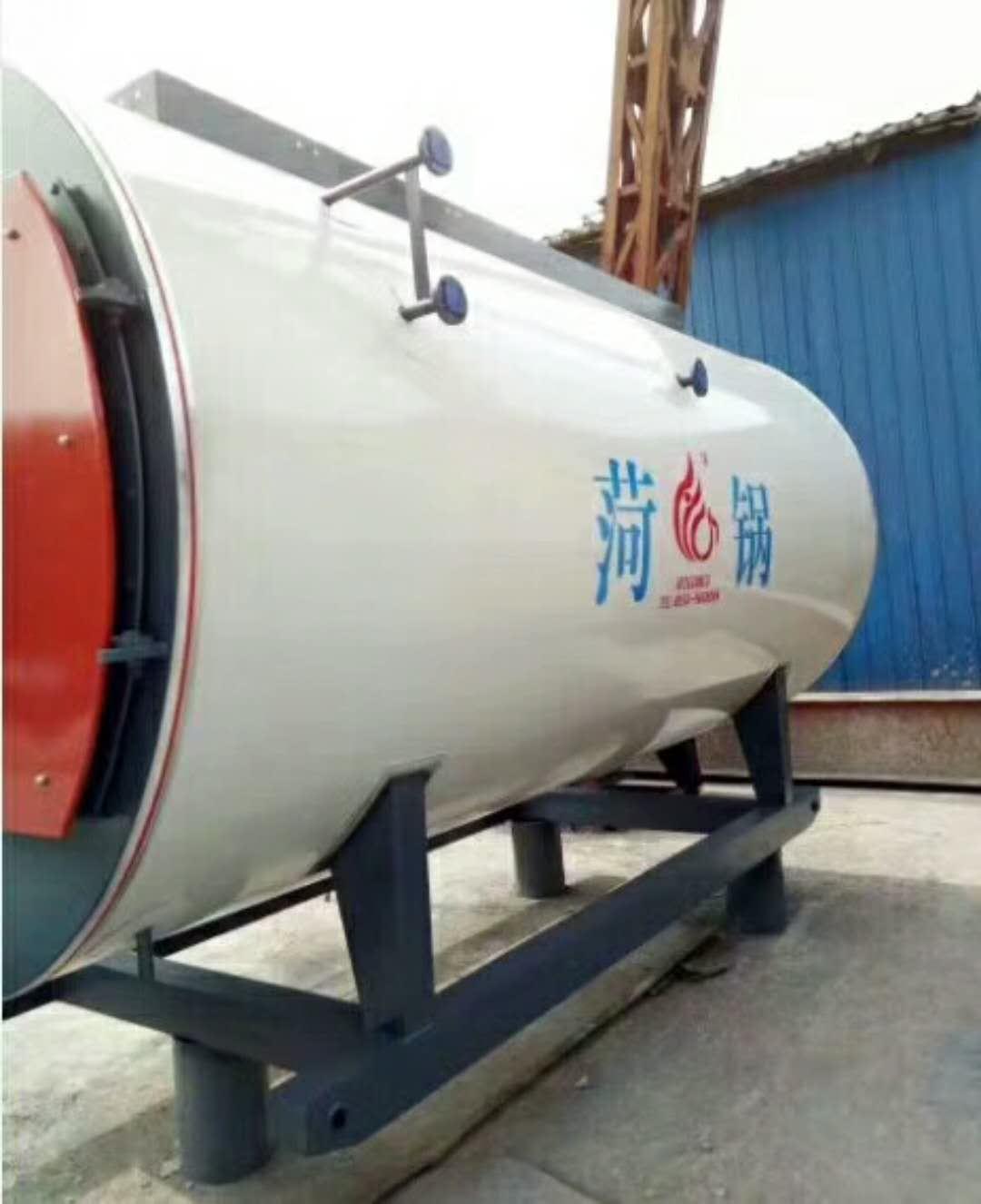
Official LNG Tank Sales Price - Professional LNG Tank Promotions - Renowned LNG Tanks - Discounted LNG Tanks - Which Brand Is the Best?
