


Heze Boiler FactoryLimited Company

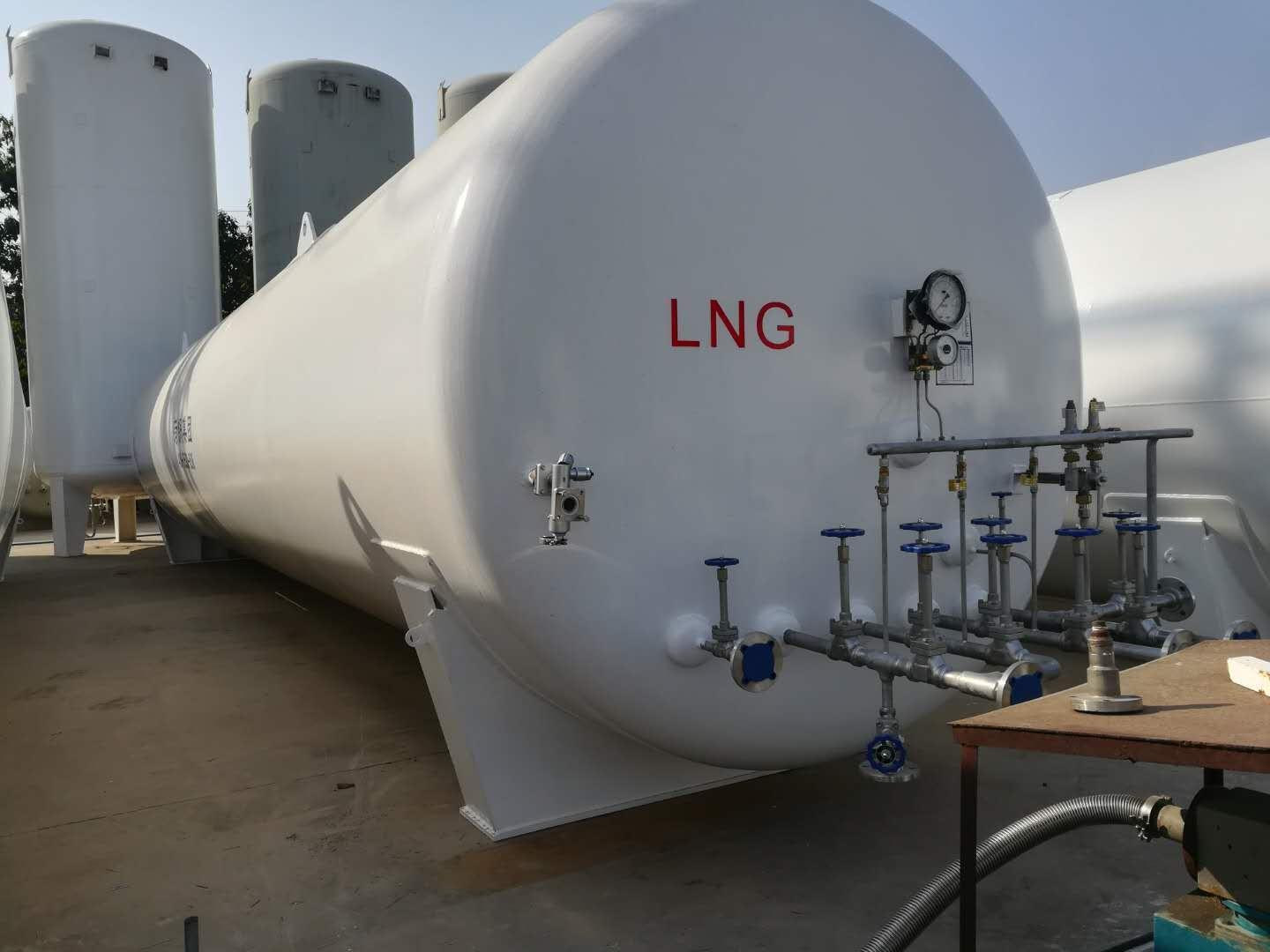
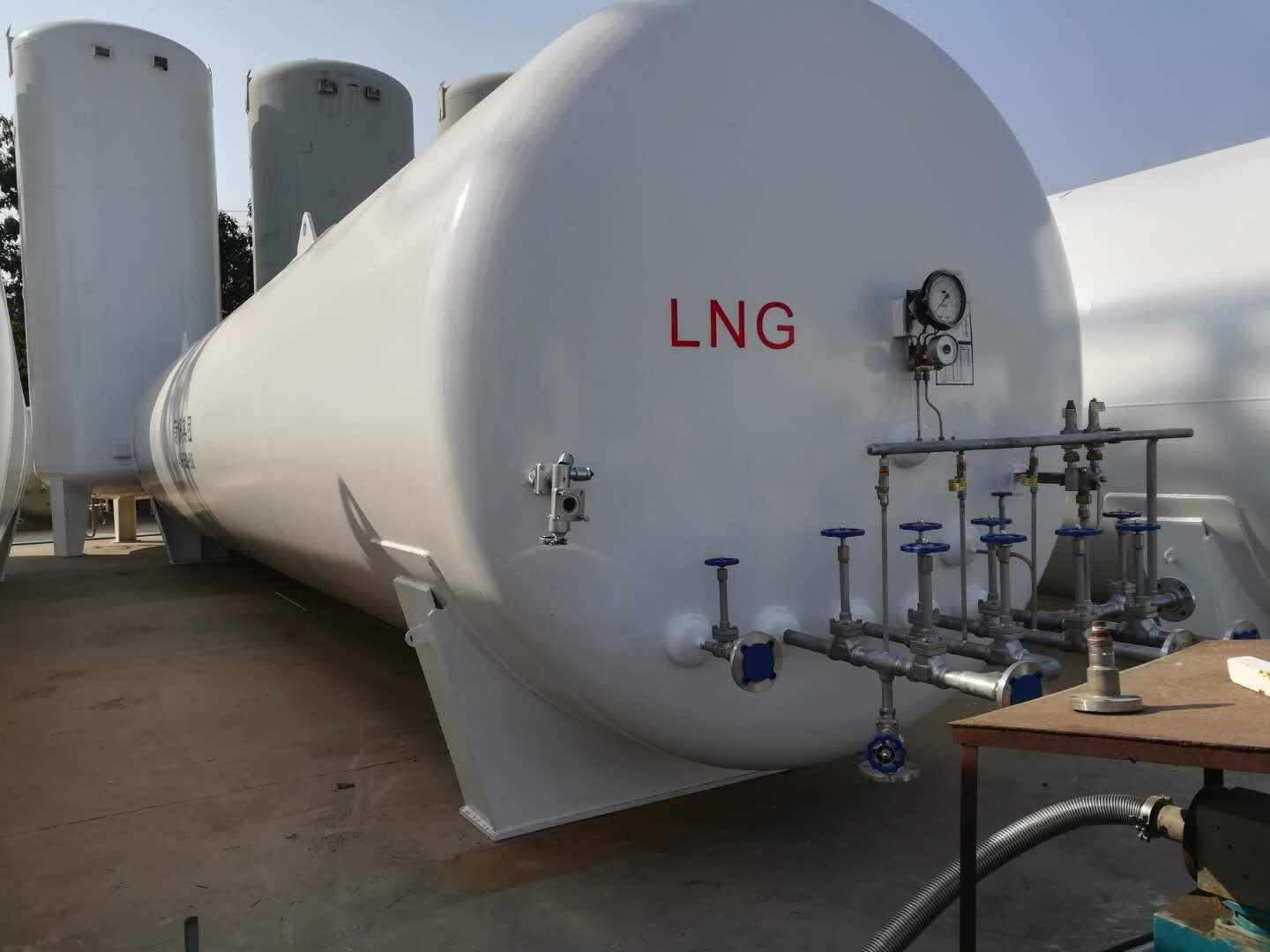
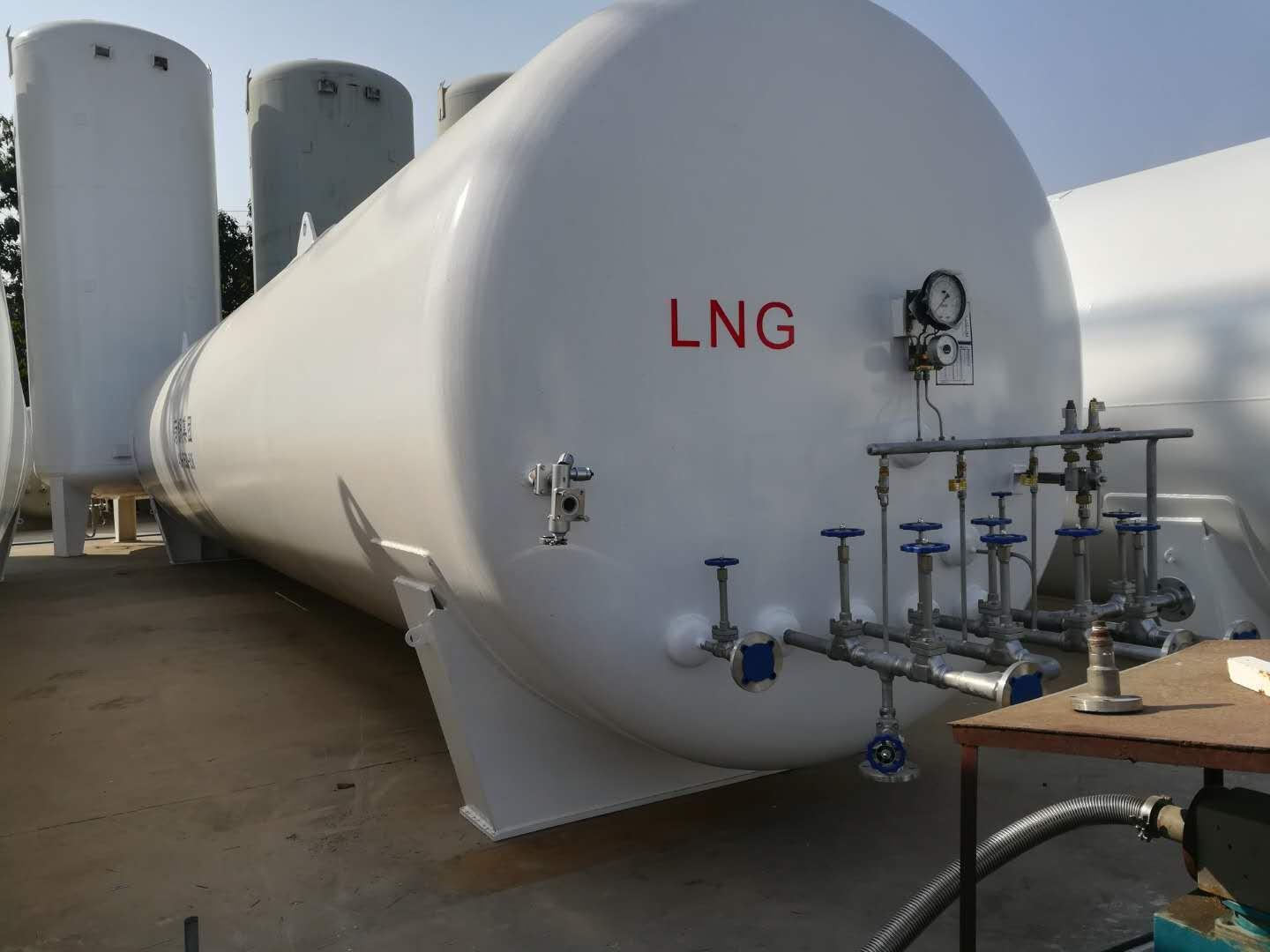
60-cubic-meter LNG storage tank
Product Category: LNG Storage Tanks
LNG stands for Liquefied Natural Gas. Its primary component is methane. LNG is colorless, odorless, non-toxic, and non-corrosive. Its volume is about 1/600th that of an equivalent volume of gaseous natural gas, and its weight is approximately 45% of the same volume of water. The calorific value is around 52 MMBtu per ton (1 MMBtu = 2.52×10^8 calories).
Model:
60 cubic meters0.8MPa
Detailed Description
LNG Storage Tank
Manufacturer:Heze Boiler FactoryLimited Company
LNG Storage Tank
He Cook Group
An LNG tank is a jacketed vacuum powder-insulated pressure vessel specifically designed for storing and supplying low-temperature liquefied gases (such as liquid nitrogen, liquid oxygen, liquid argon, liquid carbon dioxide, etc.). It is widely used in both industrial production and daily life. This article briefly discusses the basic requirements and safety usage points by analyzing the hazardous characteristics of low-temperature liquids and combining them with various gas supply modes for low-temperature liquid storage tanks.
1. Analysis of Low-Temperature Liquid Hazardous Characteristics
Low-temperature liquids possess hazardous characteristics such as lower boiling points, higher expansibility, strong asphyxiating properties, and strong oxidizing capabilities.
1.1 Boiling points of low-temperature liquids at 101.3 KPa pressure: Liquid nitrogen at -196°C, liquid oxygen at -183°C, and liquid argon at -186°C. Contact with the human body can cause severe frostbite to the skin and eyes. In cases of minor leakage or internal leakage in valves, these liquids absorb heat from the surrounding environment, causing rapid condensation and frost formation at the leak point, which can lead to freezing in severe cases.
1.2 Low-temperature liquids absorb energy from the surrounding environment due to high heat or large leaks, causing their volume to expand rapidly upon vaporization. Under 0℃ and 101.3 KPa pressure, the volume of gases produced from 1L of low-temperature liquid upon vaporization is: nitrogen at 674L, oxygen at 800L, and argon at 780L. Inside a sealed container or pipeline, the increase in internal pressure due to the vaporization of the low-temperature liquid can easily lead to overpressure explosions.
1.3 In the environment surrounding the low-temperature liquid storage tank, the leaked low-temperature liquid tends to vaporize and form a rich gas area. High concentrations of nitrogen, argon, or carbon dioxide can easily cause asphyxiation injuries. Additionally, high oxygen concentrations can lead to hyperoxic injuries.
1.4 Oxygen is a powerful oxidizer with extremely strong oxidizing properties. When liquid oxygen is close to combustible materials, it can easily ignite upon contact with an open flame; contact with combustible materials can easily cause explosions due to vibrations or impacts; a mixture with combustible materials poses a potential explosion hazard. Liquid oxygen can adhere to clothing fabric, and upon ignition, it can cause a flash fire, posing a risk to personal safety.
2. Low-Temperature Liquid Storage Tank Air Supply Mode and Basic Requirements
According to different usage scenarios and user requirements, the gas supply modes for low-temperature liquid storage tanks are mainly...
Available services: high-pressure cylinder refilling, low-temperature insulated cylinder packaging, centralized gas supply through pipelines, and low-temperature liquid spray supply.
LNG60 cubic meters at 0.8 MPa parameters:
60 cubic meter LNG storage tank
Formed:
The natural gas produced from the gas field is first purified, then liquefied at ultra-low temperatures (-162℃) under atmospheric pressure to form liquefied natural gas.
The critical temperature of LNG between gas and liquid states at atmospheric pressure is -162℃.
The standard commonly used in LNG manufacturing is API 620 of the American Petroleum Institute.
LNG Storage Tank
Powered by low-temperature liquid storage tanks as the gas source, suitable for filling high-pressure gas cylinders.
Users of scattered gas generally require professional production and filling units to implement standardization. According to current national administrative permit requirements, filling units must hold a designated production (storage) approval for hazardous chemicals, an occupational safety and health license, and a gas cylinder filling license, collectively known as "one document and two certificates," before they can carry out high-pressure gas cylinder filling. At the liquid outlet of low-temperature liquid storage tanks, low-temperature liquid pumps and high-pressure gasifiers are installed, and the high-pressure filling system is used to fill high-pressure gases into specialized gas cylinders. In the gas cylinder filling process, it is mandatory to set up an automatic stop protection system for pipeline low temperature and overpressure. If there is still low-temperature liquid at the gasifier outlet or if the pipeline pressure exceeds the cylinder's high working pressure, the low-temperature liquid pump should automatically stop, and the low-temperature liquid storage tank should cease gas supply to prevent the direct filling of low-temperature liquid into the gas cylinder or over-pressure filling causing an explosion.
Maintain and repair
Routine Maintenance
The housing must not be subjected to any impact and operations must be carried out as per regulations. External valves and pipe fittings should be kept clean and intact, with valves capable of smooth opening and closing, and regular calibration performed as required. Under normal operation, an annual inspection and maintenance of all valves, pipe fittings, and instruments should be conducted, and vulnerable parts (such as valve seals) should be replaced in a timely manner.
2. Insulation Performance Maintenance
One of the key requirements for low-temperature liquid storage tanks is excellent insulation performance, with the quality of vacuum being a critical factor in insulation.
Once the vacuum level of the storage tank is compromised, it cannot store low-temperature liquids. Therefore, special attention should be given to protecting the vacuum level of the tank. The explosion-proof device on the tank shell and the exhaust valve are directly connected to the vacuum interlayer. The device must not be tampered with when the interlayer vacuum level is not damaged, or when there is no need to replenish and re-evacuate with pearly sand. The exhaust valve is sealed with lead at the factory and must not be moved arbitrarily; otherwise, it will damage the vacuum level of the storage tank.
The tank shell is an external pressure vessel, subjected to atmospheric pressure. It is strictly prohibited to strike or bump the shell to prevent damage and affect the vacuum degree.
Inspect
(1) Routine inspection
1) Is the valve in the correct open/close position?
2) Accuracy and reliability of pressure gauges and differential pressure (level) meters.
3) Check for any leaks or blockages in pipes and valves.
4) If the container pressure reaches the set pressure of the safety valve and the valve does not activate, the safety valve set pressure should be immediately adjusted to ensure the safety of the storage tank.
5) Check if the turbocharger's flange bolts are loose and if the pipes have any deformation.
(2) Regular maintenance
1) The pressure gauge is calibrated annually.
2) The safety valve is inspected annually.
3) Measure vacuum level annually.
4) Thermocouple vacuum gauges (purchased by the user, not within the supply scope) should be calibrated according to the instructions before each measurement.
5) Tanks' grounding resistance should be tested annually; less than 10Ω is considered qualified. If greater than 10Ω, the connection status should be checked promptly.
(3) Vacuum Level Inspection and Re-evacuation
The tank's vacuum level is measured once a year. To measure, simply unscrew the protective cap of the metal thermocouple tube and insert the plug of the thermocouple vacuum gauge, then you can determine the interlayer vacuum level.
After several years of use, the tank's vacuum level may drop to 65Pa, requiring a re-evacuation. To enhance the insulation performance, the tank should be initially emptied of all liquids and then heated with dry, oil-free air or nitrogen at 80-100℃ to remove any moisture until it reaches room temperature. Secure the vacuum pipeline, start the pump to extract moist air from the pipeline, and then open the vacuum valve to create a vacuum.
To reduce the vacuuming time, the container can be heated using dry, oil-free air below 100°C. The vacuum degree of the jacketed seal should be ≤3Pa. If necessary, the user may contact the manufacturer regarding vacuuming procedures, and both parties can agree on the specific process for re-vacuuming.
4. Fault Handling
(1) Safety Valve Fault Handling
1) Safety valve leakage
The valve disc and seat sealing surfaces may experience leakage beyond the permissible level under the operating working pressure of the equipment; the possible causes may include:
There are debris on the sealed surface.
If the installation is not fully cleaned with compressed air before use, or if solid impurities are mixed with the fluid during trial operation, or if it is necessary to perform certain actions, debris may become trapped between the valve seat and the sealing surface. If it is easy to remove the debris, do so manually. However, if there is still leakage after removal, consider the following reasons: it may be damage to the valve seat and sealing surface; or debris may be embedded in the valve seat and sealing surface. If this situation is difficult for the user to handle, return it to the manufacturer for repair.
② Internal Pipeline Force
a) Human Factors
During the process of installing the safety valve on the pipeline, if it is forcibly rotated, the valve seat may rotate, and the position of the safety valve adjusting ring may change or the sealing surface may be forcibly worn. A decrease in operational performance may occur. In such cases, depending on the situation, it can either be handled on-site by the user or returned to the factory for processing, but making a prompt and accurate judgment is essential.
b) Internal Force Factors
The adverse effects of welding residue's force within the pipeline on the safety valve are almost identical to the aforementioned issue. Therefore, it is crucial to fully consider the absorption of the force within the pipeline during installation. This point is of utmost importance.
c) The set pressure of the safety valve is too close to the normal operating pressure of the equipment, resulting in a low sealing pressure on the sealing surface. This makes it more prone to leakage when the safety valve is subjected to vibration or fluctuations in the medium pressure. Under the condition of meeting the strength requirements, the set pressure of the safety valve should be appropriately increased during design.
③ Spring relaxation lowers the set pressure, causing the safety valve to leak.
The primary cause of spring relaxation may be that the adjusting screw of the safety valve was not securely tightened after calibration, leading to loosening during equipment operation, spring relaxation, and a decrease in preload, causing the safety valve to open prematurely. The safety valve should be recalibrated.
2) Inflexible operation of the safety valve opening and closing
The reason may be:
Improper adjustment of the safety valve's regulating ring can cause the opening process to be prolonged or the return to be delayed. It should be readjusted. By adjusting the lower regulating ring, the return pressure can be increased.
②The exhaust pipe of the safety valve has excessive resistance, causing significant back pressure during discharge, which results in insufficient opening height of the safety valve. To normalize the operation, the exhaust pipe of the safety valve should be altered to a straight-through design, removing the intermediate bend.
3) Safety valve frequent chatter or vibration
The reason may be:
The discharge of the safety valve is excessive. The rated discharge of the selected safety valve should be as close as possible to the required discharge of the equipment.
② The imported pipeline diameter is too small or the resistance is too great.
③ Excessive resistance in the exhaust pipe causes high back pressure during emissions. Reduce the resistance in the exhaust pipe.
④Improper adjustment of the regulating ring causes excessive return seat pressure. The position of the regulating ring should be readjusted.
4) Operation of 3-way valve A-5 during the replacement of the safety valve
① Normally, two safety valves operate simultaneously, meaning both channels are open at the same time, with the handle positioned as shown in Figure 1.
②When replacing the safety valve, rotate the handle 90 degrees (refer to Figures 2 and 3), close the side channel being replaced, and empty the remaining medium inside the channel before replacing the safety valve.


Which LNG storage tank suppliers are available - Professional handling of LNG storage tank wholesale prices - Specializing in custom-made LNG storage tanks - Professional manufacturer of LNG storage tanks
