


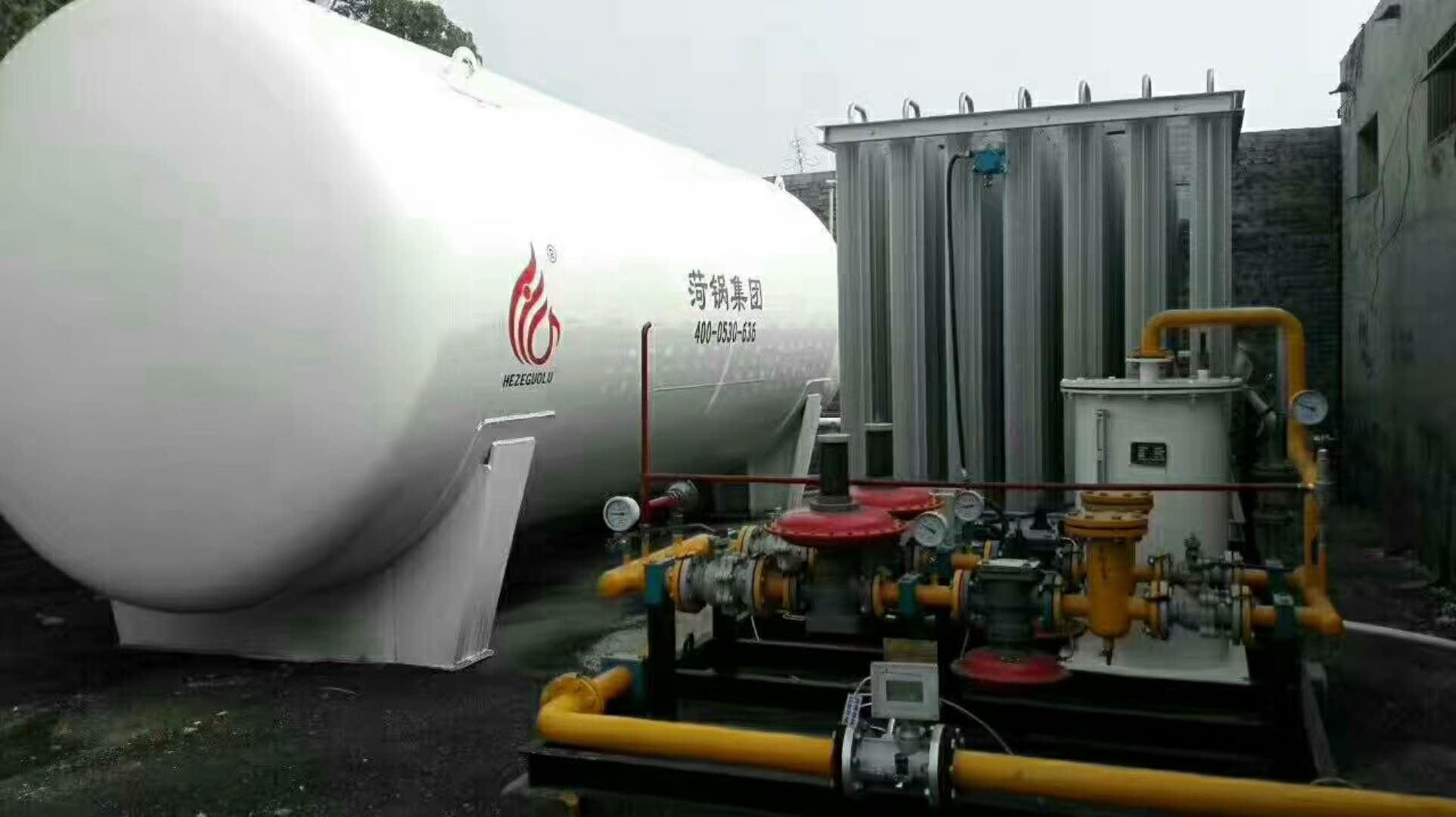
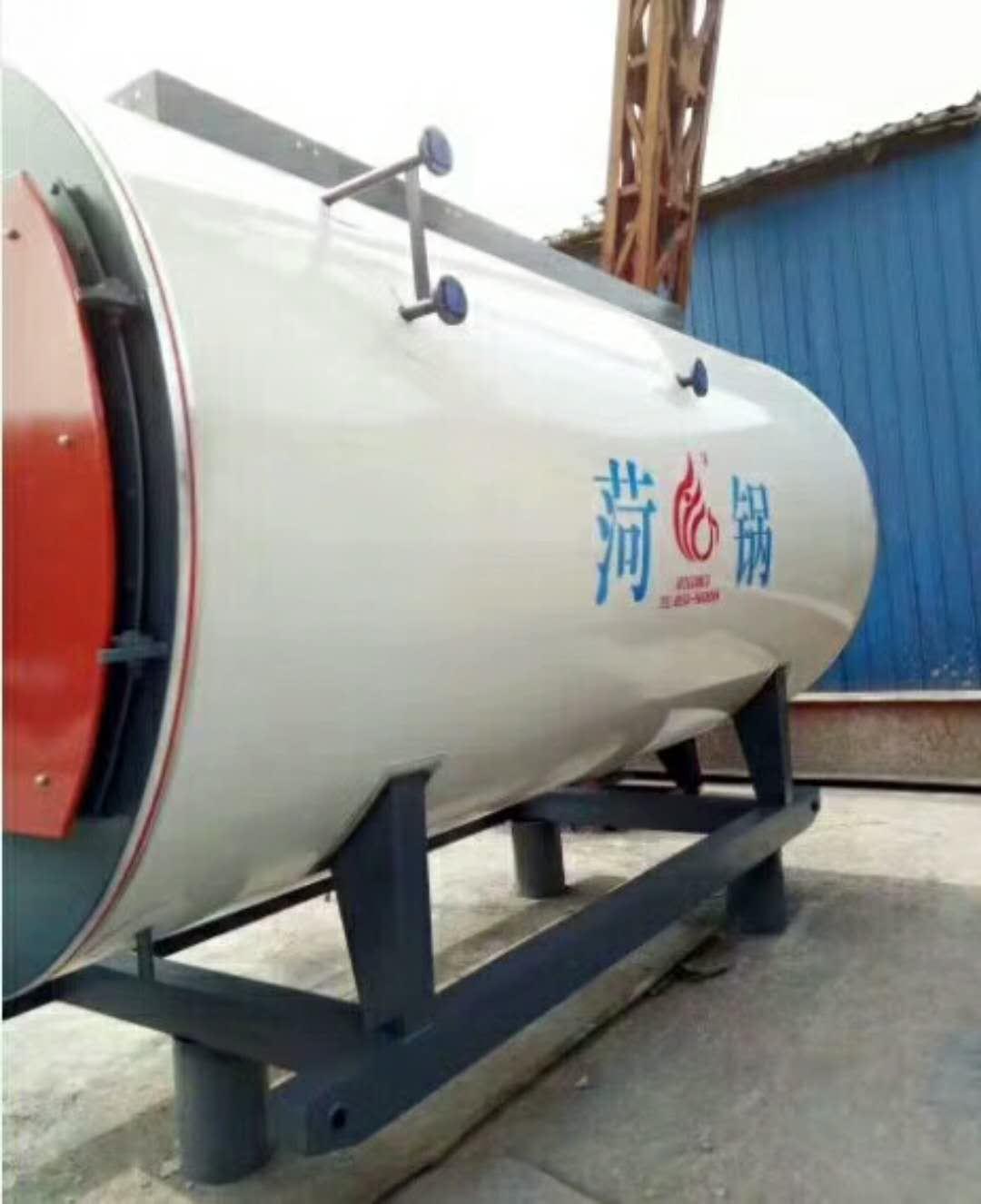
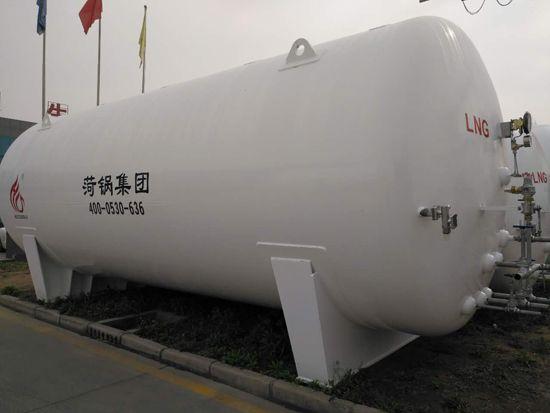
LNG is a clean and efficient energy source. Importing LNG helps energy-consuming countries achieve energy supply diversification and ensure energy security, while exporting LNG storage tanks aids natural gas-producing countries in effectively developing their natural gas resources, increasing foreign exchange earnings, and promoting national economic development. Therefore, LNG storage tank trade is becoming a new hot spot in the global energy market.

To date, over 40 construction sites for 60-cubic LNG storage tanks are in progress in our country, with over 20 facilities already in operation, boasting a total annual production capacity of 2.5 million tons. It is projected that the total annual production capacity of domestic 60-cubic LNG storage tanks will reach 7.5 million tons before 2015. During the 12th Five-Year Plan period, the development of 60-cubic LNG storage tanks, as a clean energy source, not only improved the energy structure but also spurred the growth of related technologies, equipment, and other industries such as new energy vehicles.
Under the impact of multiple policies such as the slowing economic growth in China, the restructuring of the national energy structure, the convergence of prices for existing and incremental natural gas, and the adjustment of tiered pricing for residential gas usage, the domestic 60-cubic LNG storage tank industry is currently in a critical period of reshuffling...

Detailed Description of LNG Low-Temperature Storage Tank:
The LNG storage tank is a horizontal double-walled structure, consisting of an inner tank, an outer tank, internal and external supports, insulation layer, pressure safety system, vacuum extraction unit, pipeline system, etc. All vacuum-insulated structures rely on vacuum. Due to the high degassing rate and extraction resistance of the insulation space materials, and the baking temperature of the sealing material cannot be too high or the degassing too slow, vacuum extraction is difficult. To achieve the required vacuum degree within the design vacuum time, in addition to the vacuum pump and extraction process, it also relates to the flow area of the annular extraction pipe. To ensure a high vacuum degree and improve the extraction speed, a vacuum extraction unit is set at both ends of the equipment. One unit consists of three extraction pipes, placed in the lower part of the annular space and extracted from the bottom, while the other unit, also with three extraction pipes, is placed in the upper part of the annular space and extracted from the top. The two sets of extraction pipes intersect and overlap along the length of the tank. By increasing the flow area of the extraction pipes and using various auxiliary methods such as heating and nitrogen displacement, the vacuum extraction structure shortens the time to achieve the vacuum in a 100m3 annular insulation space to one-third of the conventional structure.


Where to find direct factory sales of LNG tanks - Professional LNG tank models - Specialized in LNG tank sales pricing - Custom-made LNG tank production
