


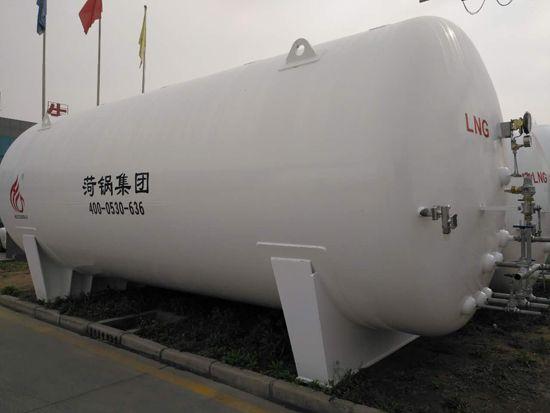
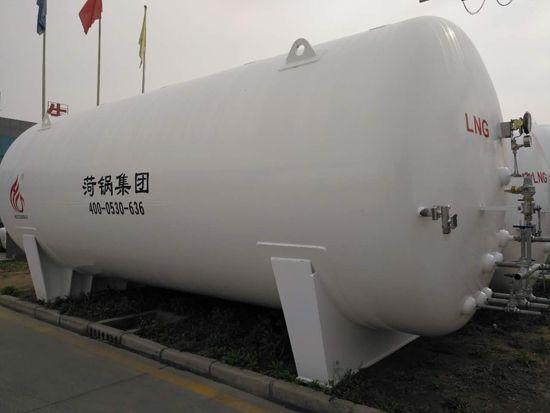
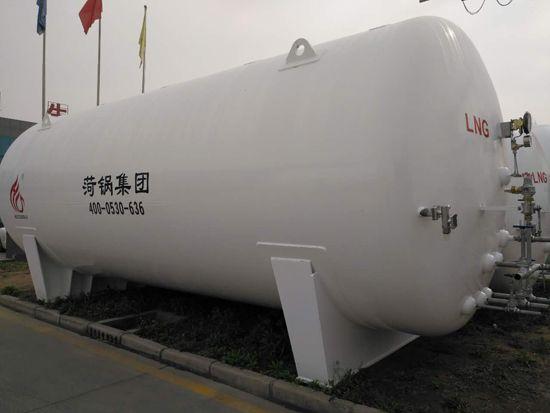
LNG is a clean and efficient energy source. Importing LNG aids energy-consuming countries in diversifying their energy supply and securing energy safety, while exporting LNG tanks helps gas-producing countries effectively exploit natural gas resources, boost foreign exchange earnings, and promote national economic development. As a result, LNG tank trade is emerging as a new hot spot in the global energy market.

To date, there are over 40 construction sites for 60-cubic-meter LNG storage tanks in our country, with over 20 facilities already in operation, boasting a total annual production capacity of 2.5 million tons. It is anticipated that by 2015, the total annual production capacity of 60-cubic-meter LNG storage tanks in China will reach 7.5 million tons. During the 12th Five-Year Plan period, the development of 60-cubic-meter LNG storage tanks, as a clean energy source, not only improved the energy structure but also spurred the growth of related technologies, equipment, and other industries such as new energy vehicles.
Under the impact of multiple policies such as China's slowing economic growth, the restructuring of the national energy structure, the convergence of prices for existing and incremental natural gas, and the adjustment of residential gas tiered pricing, the domestic 60-cubic-meter LNG storage tank industry is currently in a critical period of reshuffling...
Natural gas is widely recognized as a clean, environmentally friendly, and safe high-quality energy source. Once liquefied, natural gas is reduced in volume by approximately 600 times, which greatly benefits storage. Storage of liquefied natural gas (LNG) is done in atmospheric pressure, low-temperature tanks. Let's discuss the unique features of these LNG storage tanks.
What are the special requirements for LNG low-temperature storage tanks?
1.Low-temperature resistance
The boiling point of liquefied natural gas (LNG) at atmospheric pressure is -160°C. LNG is stored at low temperatures and atmospheric pressure, lowering the gas temperature below its boiling point. This results in an operating pressure of the storage tank slightly above atmospheric, which, compared to high-pressure, high-temperature storage, significantly reduces the tank wall thickness and enhances safety performance.
Therefore, LNG requires storage tanks with excellent low-temperature resistance and superior insulation properties.
2.High safety requirements
Due to the storage of low-temperature liquids inside the tank, in the event of an accident, the refrigerated liquid would evaporate in large quantities, with the vaporization amount being approximately 300 times that of the original refrigerated state, forming explosive gas clouds in the atmosphere.
Therefore, standards such as API and BS require double-walled tank structures, utilizing the containment concept. In the event of a leak in the first layer, the second layer can completely seal off the leaked liquid and evaporated gases, ensuring storage safety.
3.Special Material
The inner shell requires low-temperature resistance, typically made of 9Ni steel or aluminum alloys, while the outer shell is pre-stressed reinforced concrete.
4.Insulation measures are stringent
Due to the maximum temperature difference between inside and outside the drum of up to 200°C, the drum must have excellent insulation properties to maintain an internal temperature of -160°C. High-performance insulation material should be filled between the inner and outer drums. The insulation material at the drum bottom must also have sufficient pressure-bearing capacity.
5.Good seismic performance
General building seismic requirements are to crack but not collapse under specified seismic loads. To ensure the safety of storage tanks under unexpected loads, they must possess excellent seismic performance. For LNG storage tanks, it is required that they neither collapse nor crack under specified seismic loads.
Therefore, the selected construction site generally avoids seismic fault zones, and seismic tests must be conducted on the storage tank before construction to analyze the structural performance under dynamic conditions, ensuring that the tank does not sustain damage under the given seismic intensity.
6.Strict construction requirements
Tanks must undergo 100% magnetic particle testing (MT) and 100% vacuum leak testing (VBT). Strict selection of insulation materials is required, and the specified procedures should be followed during construction. To prevent concrete cracks, post-tensioned prestressed construction is used, with strict control over the verticality of the tank walls.
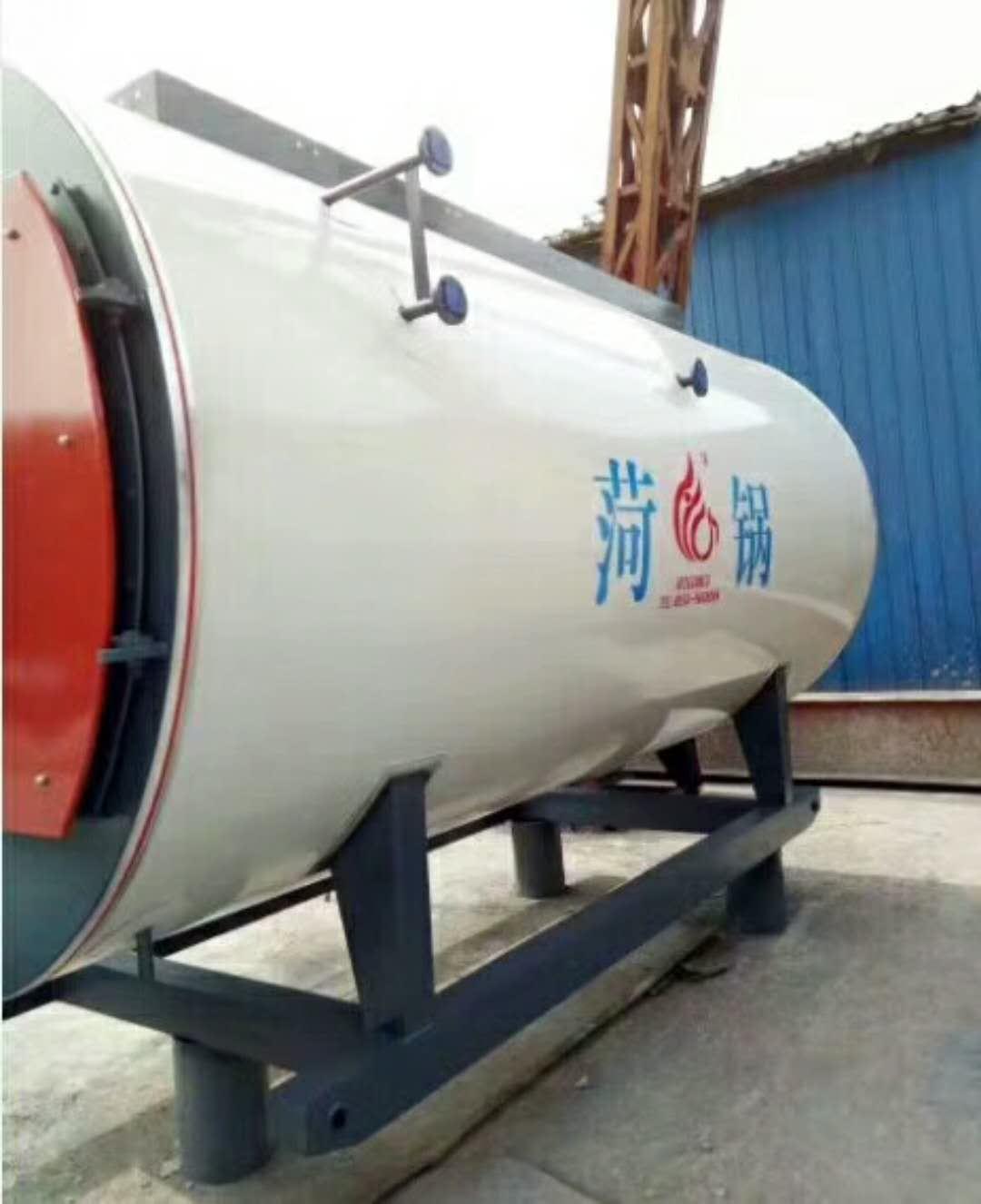
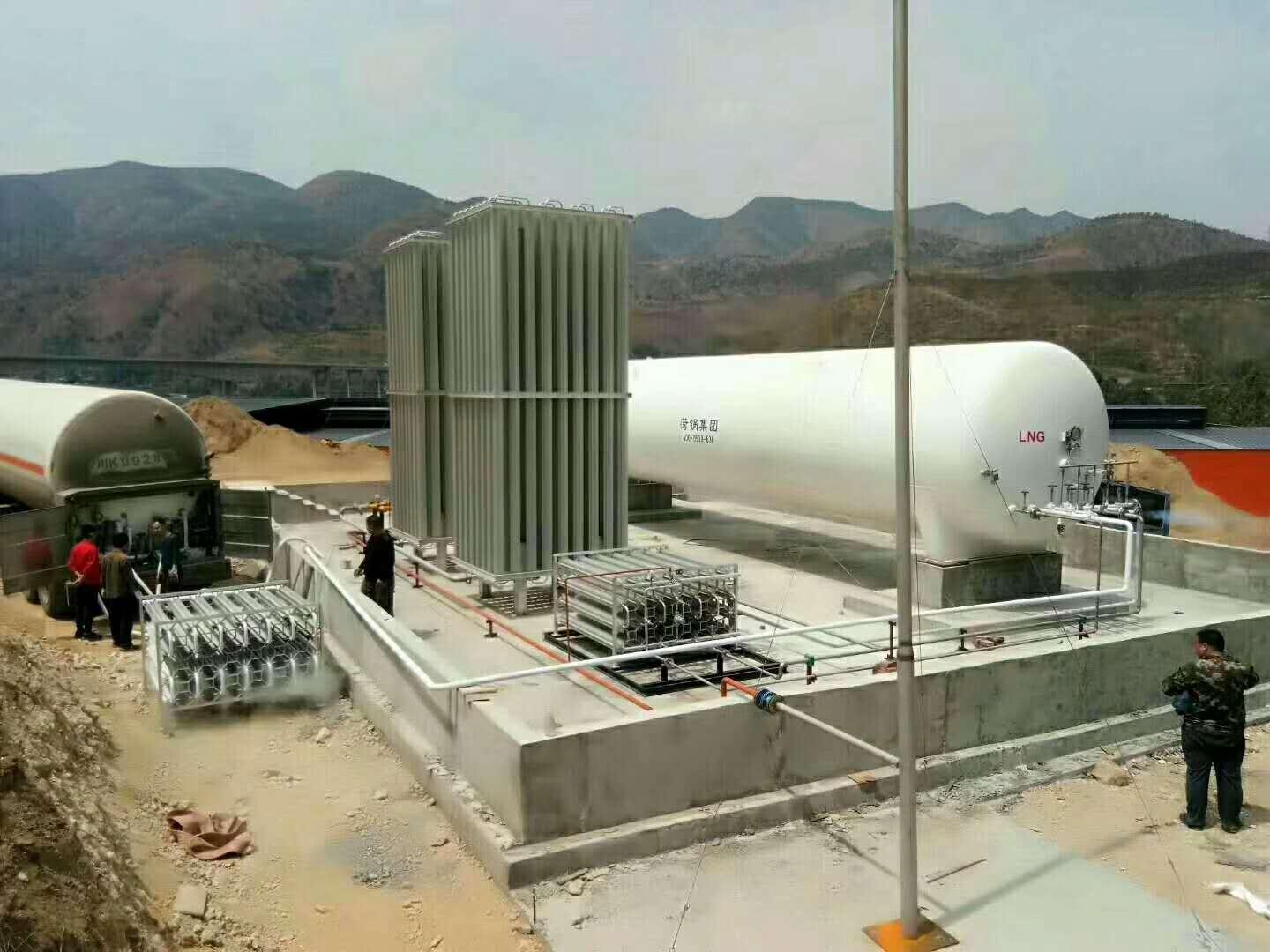

专业LNG储罐多少钱-正品LNG储罐出售-哪里有卖LNG储罐价格-LNG储罐生产商
