


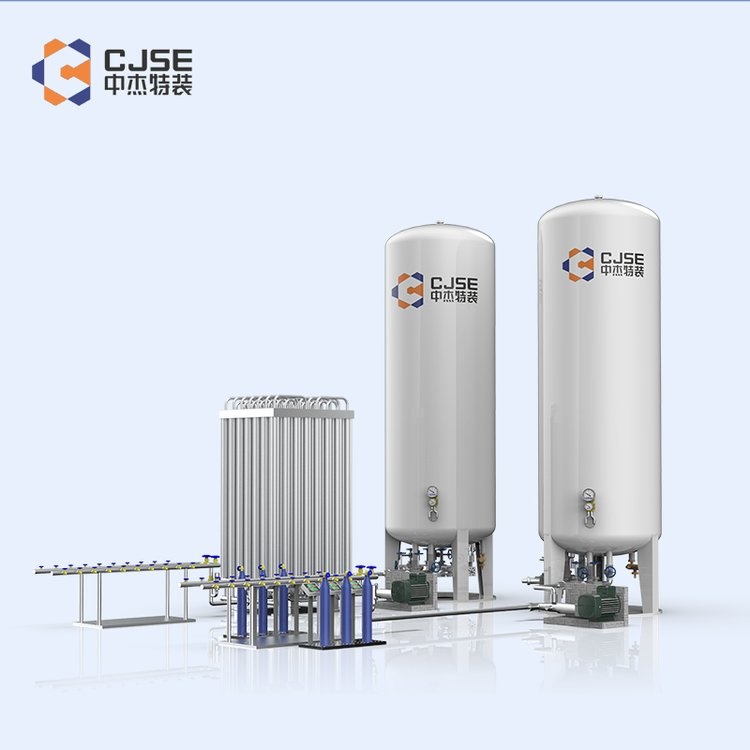
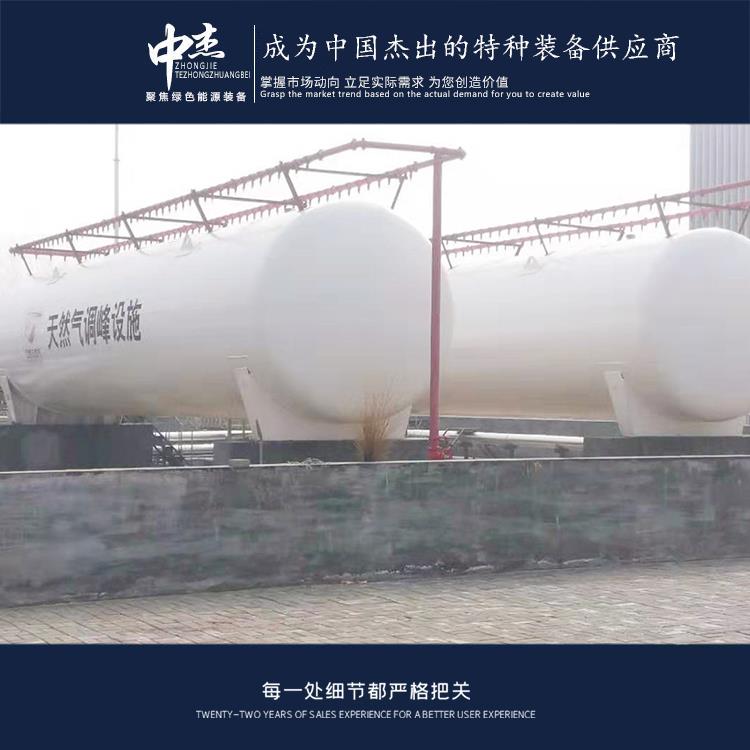
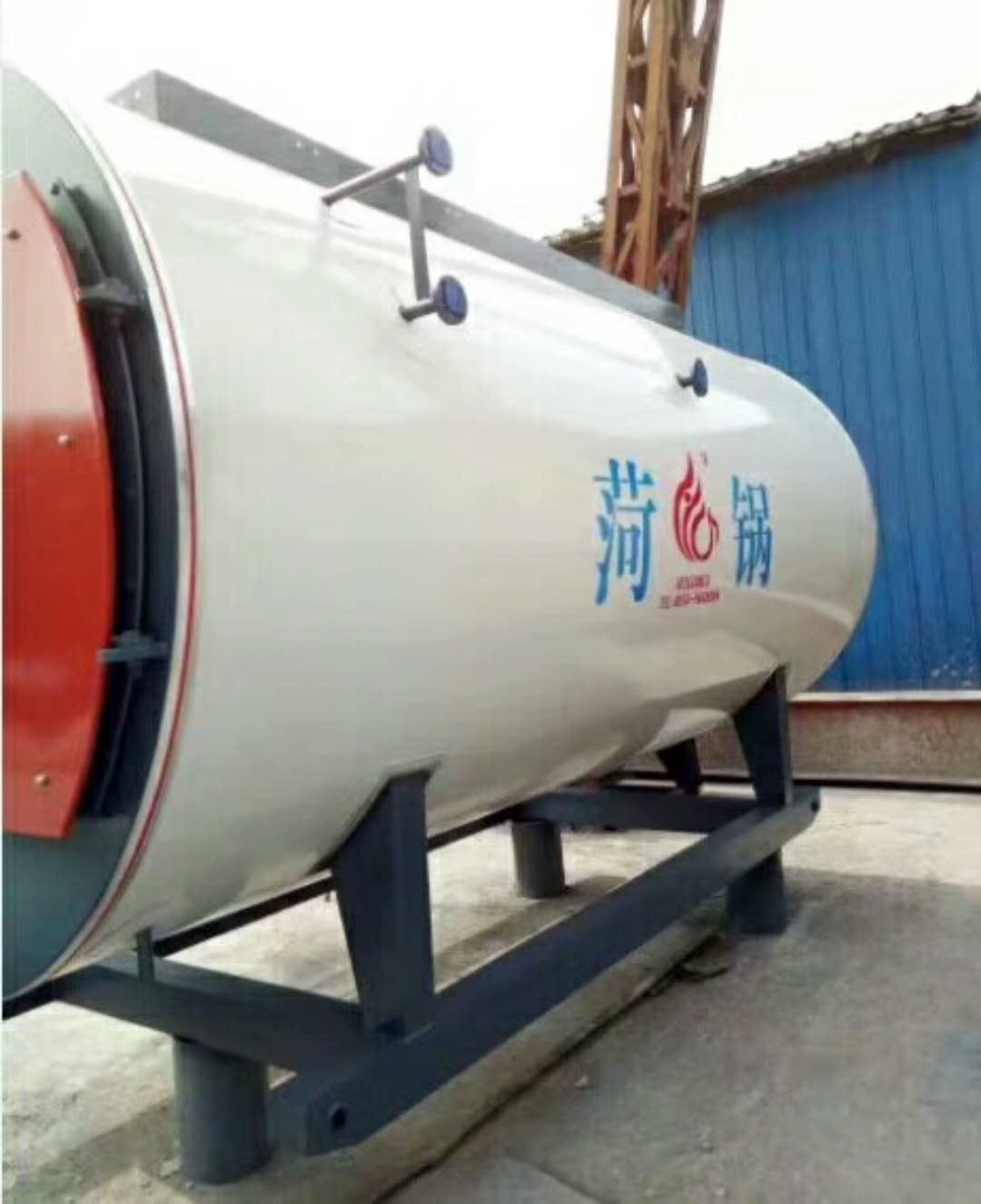
Shandong Zhongjie Special Equipment (formerly Heze Boiler Factory Co., Ltd.) was established in 2001, located at No. 2218 Jinnan Road, Economic and Technological Development Zone, Heze City. With a registered capital of 50 million yuan and total assets of 500 million yuan, the company has 7 business centers: boilers, deep-freeze containers, pressure vessels, central air conditioning, engineering installation, international trade, and Internet of Things. It has three factory sites on Jinnan Road, East Changjiang Road, and Bohai Road, covering a total area of 200,000 square meters, with the main workshop spanning 83,000 square meters. The company currently employs 710 people, including 247 engineers and technicians and 82 intermediate-level technical personnel. In December 2016, it was recognized as a "High-tech Enterprise" by the Science and Technology Department. In June 2021, it was identified as a "Specialized and New Enterprise in Shandong Province" by the Department of Industry and Information Technology. In June 2022, it was recognized as a "Gazelle Enterprise in Shandong Province" and in August 2022, it was identified as a "Specialized and New Small Giant Enterprise" by the Ministry of Industry and Information Technology.
If a leak in the CO2 storage tank is detected, the following steps should be taken immediately:
Confirm the leak location: First, identify the exact location of the leak, which can be done through hearing, observation, or using gas detection equipment.
Emergency response: If a leak is found, take immediate emergency measures to ensure safety. Evacuate personnel to a safe area and notify relevant personnel and emergency agencies.
Cut off the gas source: As soon as possible, shut off the CO2 supply source by closing valves or cutting off power to stop the supply.
Locate the leak: In a safe environment, use gas detection equipment or visual inspection to find the leak. Apply soap water or other leak detection agents to potential leak areas and observe for bubble formation.
Seal the leaks: Once the leak location is confirmed, temporary sealing measures can be taken, such as using tape, sealant, or other reliable sealing materials for temporary repairs. Ensure that the sealing is secure and effective in preventing gas leakage.
Repair and maintenance: In a safe environment, further repairs and maintenance can be carried out. Depending on the nature of the leak, it may be necessary to replace gaskets, repair or replace valves, etc. Repair and maintenance work should be performed by qualified personnel.
Inspection and testing: After repairs and maintenance, conduct leak detection and testing to ensure the leaks have been fully repaired and the tank's safety performance has returned to normal.
It is important to handle CO2 storage tank leak issues with caution and follow relevant safety regulations and procedures. If you do not have the necessary knowledge and skills, contact a professional for assistance.
When using carbon dioxide tanks, pay attention to the following aspects:
- Safe Operation: Operators must be trained to understand the characteristics, operational requirements, and safety measures of carbon dioxide tanks. Adhere to relevant safety operating procedures and standards to ensure operation safety.
- Tank Inspection: Regularly inspect the tank's appearance, sealing, valves, and pipeline connections before use. Promptly repair or replace if any abnormalities or damage are found.
- Tank Placement: Place the tank in a well-ventilated, dry, and fire-free area. Avoid direct sunlight and high temperatures to prevent overheating.
- Leak Protection: Ensure that the valves and pipeline connections of the tank are sealed properly to prevent carbon dioxide leaks. Regularly check and replace seals, and promptly address any leaks.
- Pressure Control: The internal pressure of the tank should be within a safe range. Check the tank's pressure gauge and safety valve before use to ensure proper operation. Avoid excessive or low pressure to prevent safety accidents.
- Fire Prevention: Carbon dioxide is flammable, so fire prevention measures should be taken when using it. Smoking, open flames, or placing flammable items near the tank are prohibited.
- Exhaust Emission: Properly discharge exhaust gases generated when using carbon dioxide tanks to avoid carbon dioxide accumulation in enclosed spaces, which can lead to asphyxiation and safety risks.
- Emergency Plan: Develop and implement an emergency plan, including handling leaks, evacuation procedures, and first aid measures. Operators should be familiar with the emergency plan and conduct regular drills.
Note that carbon dioxide tanks should only be used by trained operators following relevant safety operating procedures and standards. Seek advice and guidance from experts.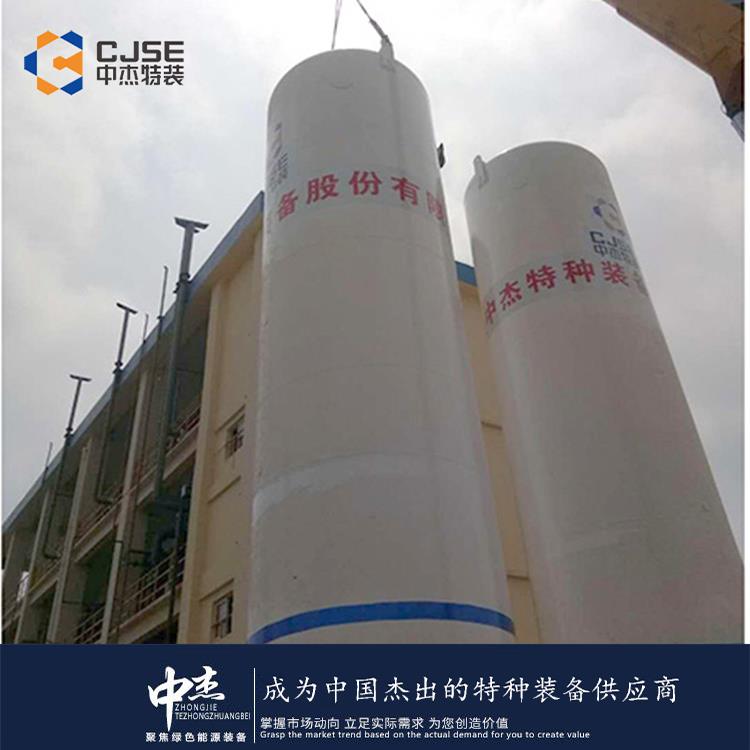
Carbon dioxide cylinders are safe when used and maintained properly, but can pose some dangers if safety procedures are not followed or there are errors in operation. Below are some potential hazards associated with carbon dioxide cylinders:
- High Pressure Hazard: Carbon dioxide cylinders are typically used to store high-pressure CO2 gas, thus presenting a high-pressure risk. If the cylinder is damaged, overheated, or over-pressurized, it may explode or leak, causing personal injury and property damage.
- Asphyxiation Hazard: Carbon dioxide is an asphyxiating gas; high concentrations can displace oxygen in the air, leading to asphyxiation. When using carbon dioxide cylinders in enclosed spaces, ensure adequate ventilation and oxygen supply to avoid asphyxiation risks.
- Freezing Hazard: Liquid carbon dioxide is extremely cold, and contact with it can cause cold injury. Follow proper operational procedures and use appropriate personal protective equipment to prevent cold injury.
- Fire Hazard: Although carbon dioxide itself is not flammable, it can suppress oxygen supply at high concentrations, potentially extinguishing fires. However, if CO2 leaks into the air, it may form flammable mixtures, increasing the risk of fire.
To ensure safety, adhere to relevant safety operating procedures and guidelines when using carbon dioxide cylinders and receive necessary training. Regular inspections and maintenance of the cylinders, following the manufacturer's recommendations and local regulations, can reduce potential hazards. In case of abnormal conditions or leaks, take appropriate emergency measures immediately and notify relevant personnel.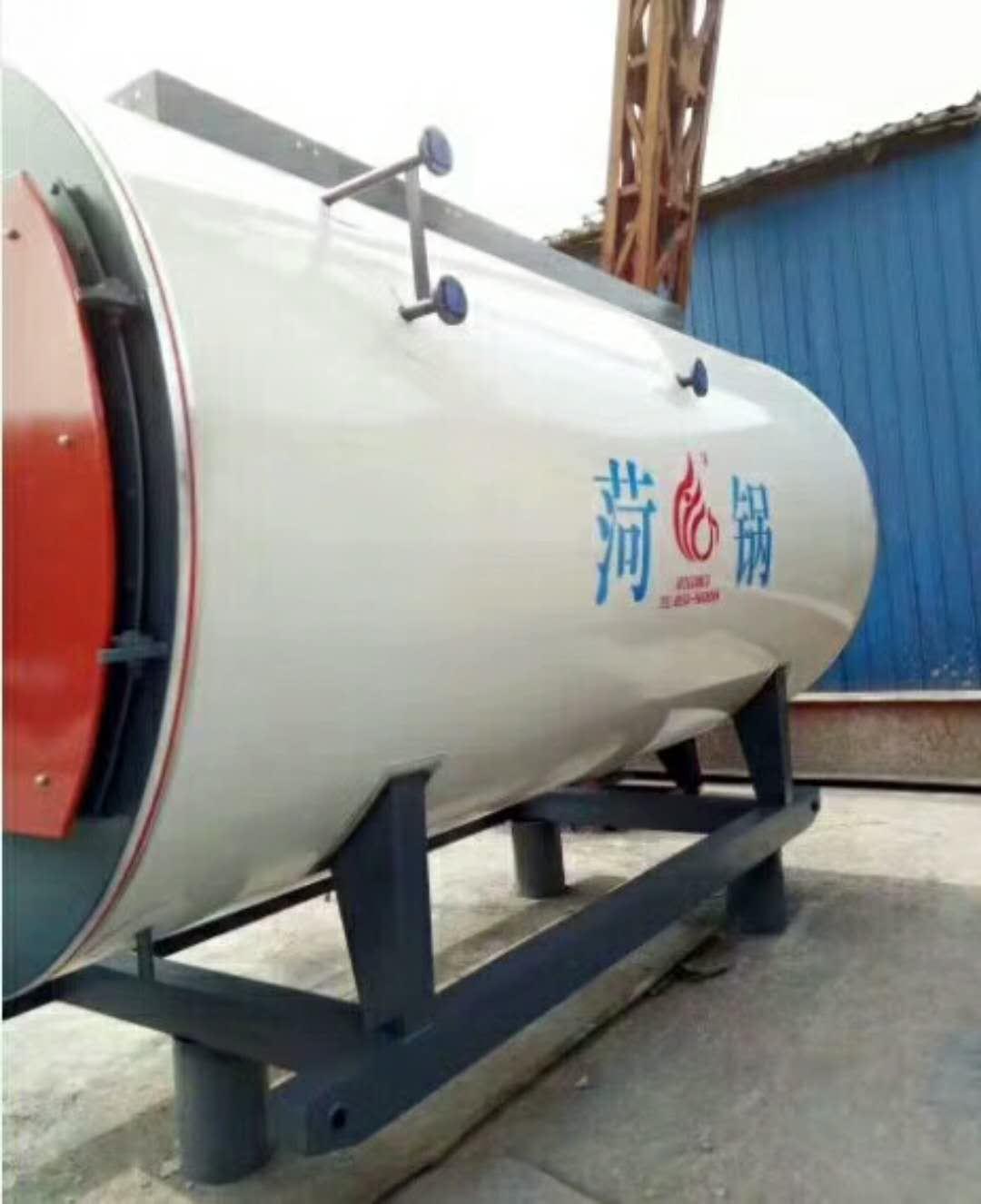
When selecting a CO2 storage tank support, consider the following factors: Load Capacity: The design and selection of the support should be able to bear the weight and pressure of the tank. The bearing capacity of the support should be determined based on the tank's size, weight, and working conditions. Stability: The support should have sufficient stability to prevent the tank from tilting or collapsing during use. The design of the support should take into account the center of gravity position and changes of the tank to provide stable support. Corrosion Resistance: Since CO2 has some corrosive properties, the material of the support should have good corrosion resistance to prevent corrosion and damage. Ease of Installation and Maintenance: The design of the support should consider ease of installation and maintenance to facilitate the installation, adjustment, and maintenance of the tank. Compliance with Standards and Regulations: The design and selection of the support should comply with relevant standards and regulations, such as Standard GB150 "Steel Pressure Vessels". Additionally, other related factors can be considered, such as cost, reliability, durability, etc. When selecting a support, consult engineers or consulting companies for advice and guidance.
Zhejiang Zhetong Special Equipment adheres to the grand vision of "realizing employees' dreams, creating customer value, and striving for the prosperity and strength of our motherland," devoting itself wholeheartedly to the development of green energy equipment. We offer the society products and services with high cost-performance!
Shantou 40 cubic CO2 storage tank, in stock supply
