


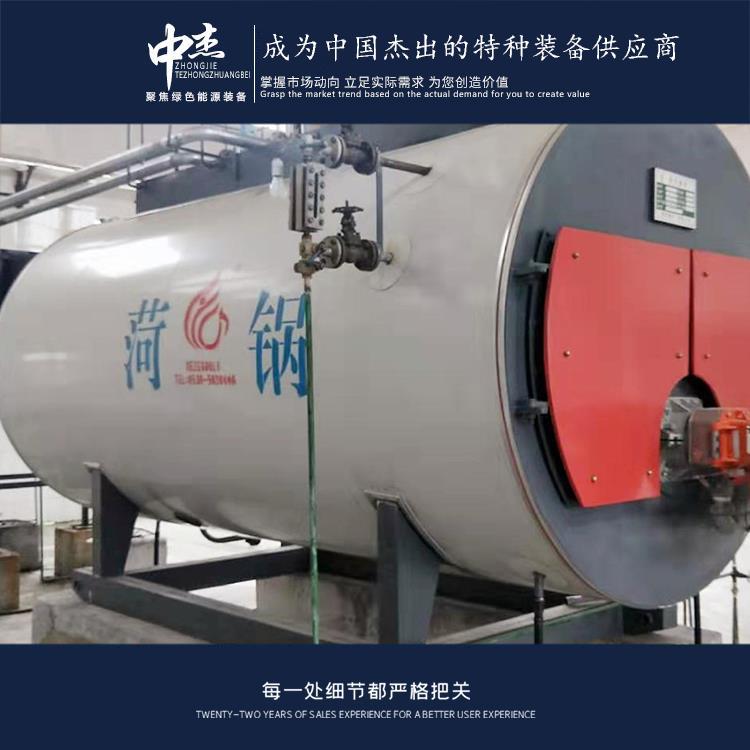
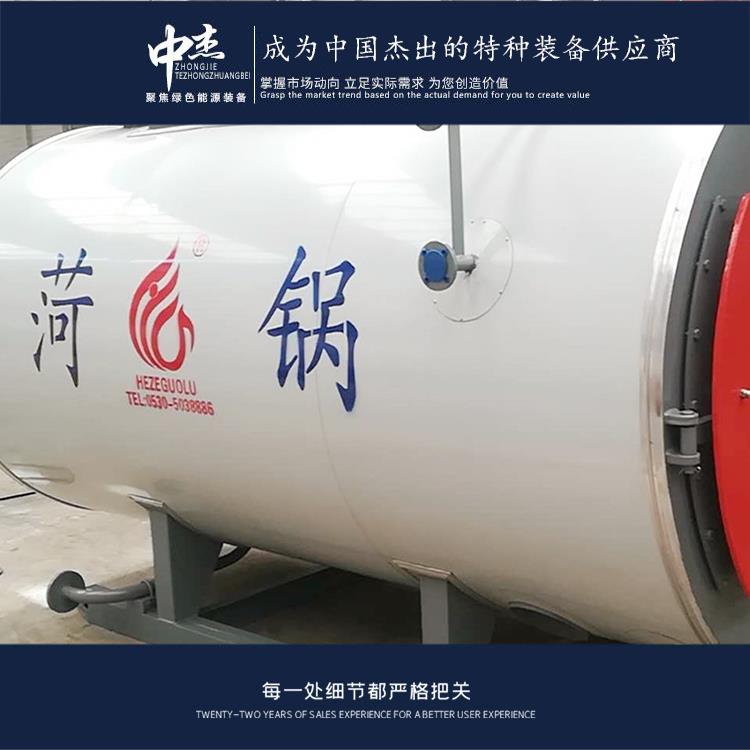
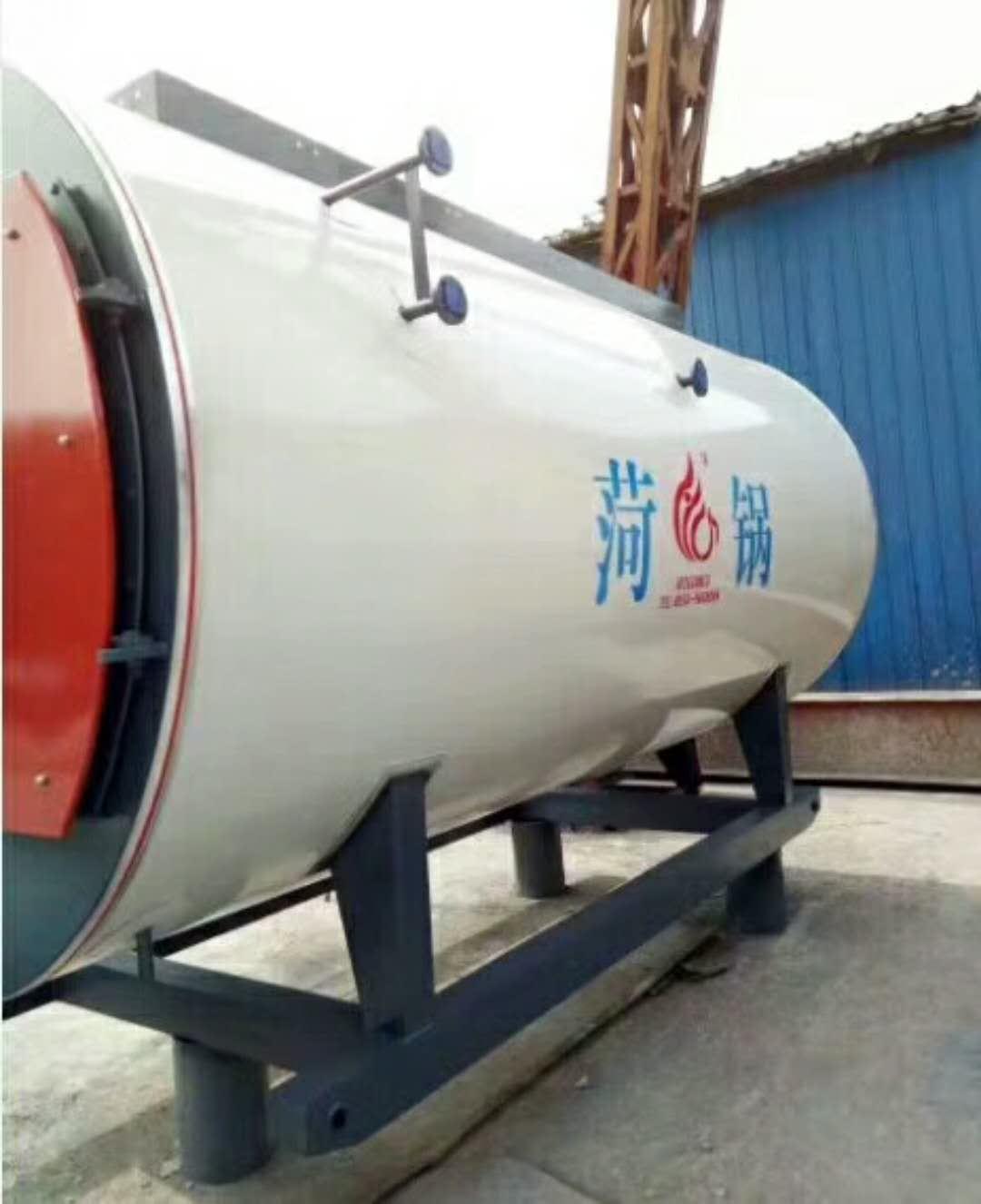
Shandong Zhongjie Special Equipment's main products include: fuel (gas) boilers, organic heat carrier boilers, biomass boilers, waste heat boilers, and other boiler products; vacuum insulation deep-freeze pressure vessels such as LNG storage tanks, oxygen-nitrogen-argon storage tanks, CO2 storage tanks; pressure vessel products like denitrification engineering equipment, heat storage and energy storage equipment, and complete chemical equipment; central air conditioning and HVAC equipment such as ground (water) source heat pumps, air source units, water-cooled screw units, and air-cooled modules. Planned products include large-scale energy centers, LNG transport vehicles, LNG tank containers, and other green energy equipment.
The Zhongjie Portable Heat Transfer Oil Furnace is a common industrial thermal energy equipment featuring the following product characteristics: High thermal efficiency: The Zhongjie Portable Heat Transfer Oil Furnace employs advanced combustion technology and heat exchanger design, effectively transferring the heat energy generated by fuel combustion to the heat transfer oil, achieving energy utilization and improving thermal efficiency. Stable and reliable: Made with materials and precise manufacturing processes, the furnace boasts excellent high-temperature resistance and stable operating conditions, ensuring long-term stable operation with high reliability. Temperature control: Equipped with a temperature control system, the Zhongjie Portable Heat Transfer Oil Furnace can monitor and adjust the temperature of the heat transfer oil in real-time, guaranteeing precise and stable temperature control during the process. Multiple safety protection devices: The furnace is equipped with multiple safety protection features such as overheating protection, pressure protection, and burner fault protection, effectively preventing accidents. Additionally, the furnace utilizes clean combustion technology, producing minimal emissions and being environmentally friendly. Easy operation: The Zhongjie Portable Heat Transfer Oil Furnace features an intelligent control system with a user-friendly interface and convenient parameter adjustment, making operation simple and reducing the difficulty and labor costs. Overall, the Zhongjie Portable Heat Transfer Oil Furnace is characterized by stability, reliability, and versatility, suitable for various industrial fields such as chemicals, textiles, and food processing, providing users with reliable thermal energy supply and process temperature control.
Steam boiler energy-saving is an urgent mission for the following reasons: Energy Consumption: Steam boilers typically use fuel to generate steam, and fuel consumption directly impacts energy usage. With the increasingly scarce energy resources and rising energy prices, energy-saving has become a critical task. Environmental Protection: The emissions and waste smoke from fuel combustion pollute the environment, including air pollution and greenhouse gas emissions. By reducing fuel consumption through energy-saving measures, the impact on the environment and carbon emissions can be decreased. Economic Benefits: Energy-saving can lower energy consumption and operating costs, improving energy utilization efficiency. By implementing energy-saving measures, companies can reduce energy expenses and enhance economic benefits. Sustainable Development: Energy-saving is an essential component of sustainable development. By reducing energy consumption, the lifespan of energy resources is extended, providing more energy reserves for future development. Legal and Regulatory Requirements: Many regions have established laws, regulations, and policies for energy-saving and emission reduction, requiring enterprises to adopt energy-saving measures and reduce energy consumption and environmental pollution. Therefore, energy-saving for steam boilers is an urgent task. By implementing effective energy-saving measures, energy consumption can be reduced, environmental pollution can be minimized, economic benefits can be improved, and sustainable development can be achieved.
To extend the service life of steam boilers, the following measures can be taken:
- Regular maintenance: Conduct regular maintenance of the boiler, including cleaning the burner, flue, and heat exchanger, checking and replacing worn parts, to ensure normal operation and efficiency.
- Water quality control: Maintain good water quality in the boiler to prevent scale and corrosion from damaging the boiler. Regularly test water quality and implement appropriate water treatment measures based on test results, such as descaling and replenishing missing chemicals.
- Control of the combustion process: Properly control the combustion process to ensure normal operation and combustion efficiency of the burner. Regularly inspect the working condition of the burner and adjust combustion parameters to avoid overheating or cooling issues.
- Regular cleaning of flues and heat exchangers: Regularly clean the flues and heat exchangers to remove accumulated soot and dirt, maintain heat exchange efficiency, and avoid overheating and energy loss.
- Regular inspection of safety devices: Regularly inspect the boiler's safety devices, including safety valves, pressure switches, and water level controllers, to ensure they operate normally and guarantee the safe operation of the boiler.
- Record-keeping and monitoring: Record operating parameters, maintenance records, and fault conditions of the boiler, and regularly monitor and analyze them to identify and address issues promptly.
- Training operators: Ensure operators have adequate knowledge of boiler operation and maintenance, operate and maintain the boiler correctly, and avoid damage caused by operation errors and improper maintenance.
- Regular maintenance: Based on the boiler's usage and the manufacturer's recommendations, perform regular major repairs and maintenance, replace worn-out parts, and extend the service life of the boiler.
Please note that for safety and effectiveness, these measures should be performed by qualified personnel.
To enhance the sensitivity and energy efficiency of a gas-fired hot water boiler, the following measures can be taken:
Regular maintenance and cleaning: Conduct regular maintenance and cleaning of the gas-fired hot water boiler, including cleaning the burner, flue, and heat exchanger components. This ensures the efficiency of the combustion process and heat transfer, reducing energy waste.
Intelligent control system: Install an intelligent control system to achieve automatic regulation and optimized operation of the gas-fired hot water boiler through temperature and pressure control. The intelligent control system can adjust the burner's operating status based on actual needs, avoiding excessive heating and energy waste.
Energy-saving equipment and technology: Utilize energy-saving equipment and technology, such as heat recovery units and flue gas waste heat recovery systems. These devices and technologies can recover and utilize the excess heat in the flue gas emitted by the boiler, improving energy utilization efficiency.
Water quality management: Manage the water quality of the gas-fired hot water boiler rationally to prevent the accumulation of scale and sediment. Scale and sediment reduce the heat transfer efficiency of the heat exchanger and increase energy consumption. Regular water quality testing and treatment help maintain clean water quality, enhancing the boiler's energy efficiency performance.
Good insulation and sealing: Ensure that the gas-fired hot water boiler has good insulation and sealing properties. The selection and maintenance of insulation materials, as well as the sealing of pipes and valves, can reduce heat loss and improve the boiler's energy efficiency.
Regular monitoring and optimization: Regularly monitor the operating conditions of the gas-fired hot water boiler and analyze energy consumption and efficiency indicators. Based on the monitoring results, make optimization adjustments to improve the boiler's energy efficiency performance.
By implementing these measures comprehensively, a gas-fired hot water boiler can achieve sensitive energy efficiency and improve energy utilization.
Our company attaches great importance to technological innovation and R&D design. We have one municipal-level enterprise technology center in Heze City, equipped with non-destructive testing, physical and chemical testing, welding testing, hydrostatic testing, and other testing facilities. We have over 600 various instruments and equipment, including CNC machine tools, X-ray flaw detectors, digital ultrasonic flaw detectors, mechanical property testing machines, chemical analyzers, spectrometers, tensile testing machines, plasma welding machines, etc. The key products and technologies we have developed, such as temperature and pressure vessel welding, biomass boiler emission reduction, and waste heat utilization, have successively been shortlisted for multiple Shandong Provincial Department of Industry and Information Technology Science and Technology Innovation Projects, Shandong Provincial Key Projects, and Heze City Innovation and Excellence Projects. We have cumulatively obtained 27 authorized utility models, 16 authorized inventions, participated in drafting 2 standards, 2 industry standards, and registered 15 trademarks. The technical team of our company, in collaboration with Professor Yajiang Li of Shandong University, has jointly developed deep cryogenic container processing technology, which adopts the international plasma arc + filler wire tungsten inert gas arc welding (PAW-GTAW) technology. After the provincial-level scientific and technological achievement evaluation, the technology level has reached the international level in the field of deep cryogenic container manufacturing.
Choose ZJET Customized Solutions, let's create brilliance together!
Pingdingshan 4-ton gas boiler, long lifespan
