


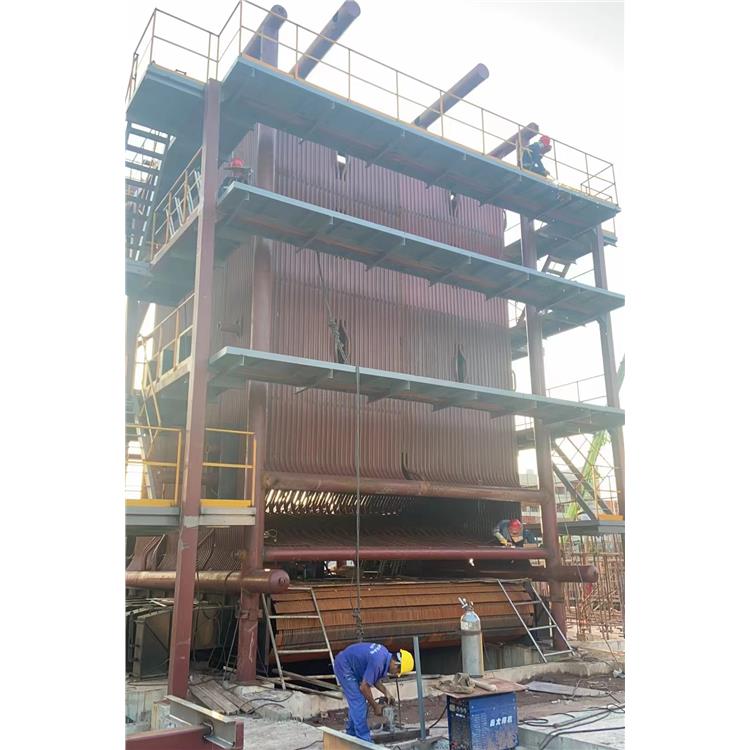
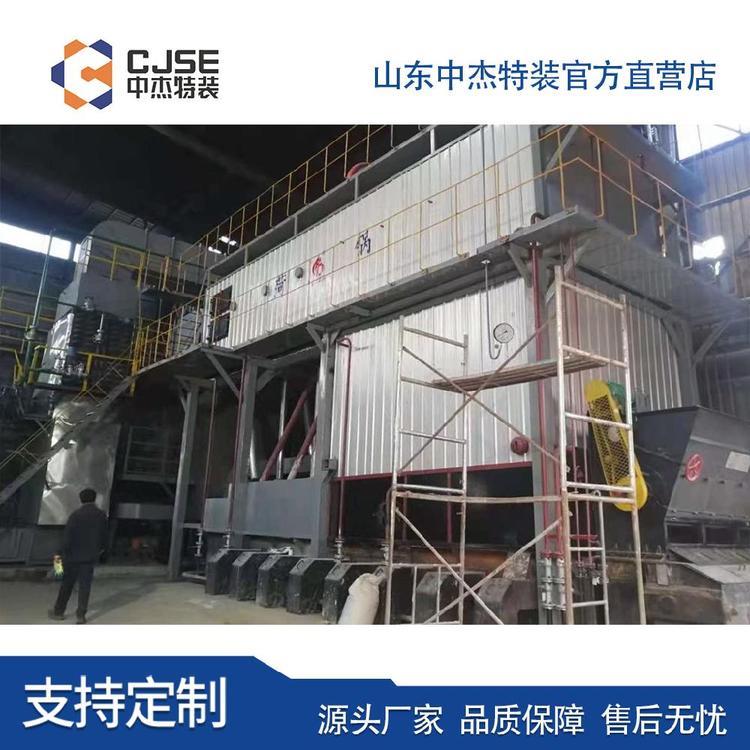
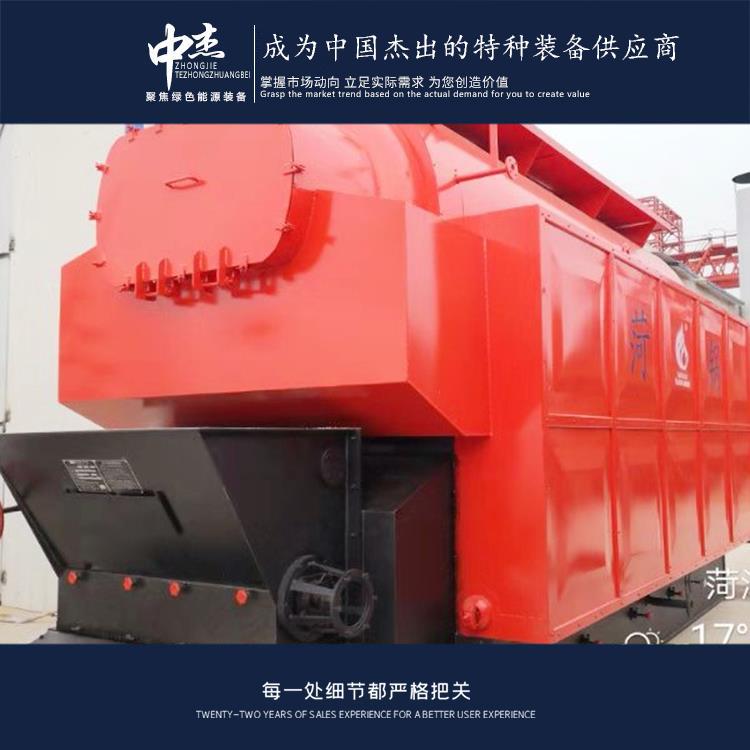
Shandong Zhongjie Special Equipment Co., Ltd. specializes in the following products: fuel (gas) boilers, organic heat carrier boilers, biomass boilers, waste heat recovery boilers, and other boiler products; vacuum insulation cryogenic pressure vessels such as LNG tanks, oxygen/nitrogen/argon tanks, and CO2 tanks; pressure vessel products including denitrification engineering equipment, heat storage and energy storage equipment, and complete chemical equipment sets; central air conditioning and ventilation equipment such as ground (water) source heat pumps, air source units, water-cooled screw units, and air-cooled modular units. Planned products include large-scale energy centers, LNG transport vehicles, LNG tank containers, and other green energy equipment.
Consider the following aspects when looking to purchase a high-value hot water boiler:
Market Research: Conduct market research before purchasing to understand the differences between various models of hot water boilers in terms of performance, quality, and pricing. Information can be gathered through the internet, consulting experts, or referring to user reviews.
Choose Reliable: Opt for reputable hot water boilers, which generally offer high-quality product and after-sales service guarantees. Reputation can be assessed by reviewing relevant materials, consulting experts, or referring to customer reviews.
Pay attention to product quality: When purchasing a hot water boiler, focus on the quality of the product. Check the certifications and compliance with standards, and learn about the manufacturing process and material selection. Additionally, refer to customer reviews to understand the actual usage of the product.
Performance and Demand Alignment: Choose a suitable hot water boiler model and specification based on your own hot water needs and usage scenarios. Consider the performance indicators such as the boiler's thermal efficiency, heating speed, and capacity to ensure they meet actual demands.
Price Comparison: When selecting a hot water boiler, it's important to conduct a price comparison, taking into account factors such as product performance, quality, and price. Consult with multiple suppliers for quotes, compare and negotiate, to secure a more reasonable price.
After-sales Service: When purchasing a hot water boiler, pay attention to the quality and guarantee of after-sales service. Understand the supplier's after-sales service policies, maintenance, and other details to ensure timely technical support and repair during use.
Reducing nitrogen oxides (NOx) emissions from biomass boilers can be achieved through the following measures:
Combustion Control Technology: Utilizes advanced combustion control techniques, such as low nitrogen combustion technology. By optimizing the combustion process and regulating the combustion temperature and oxygen concentration, the formation of nitrogen oxides is reduced. Methods like staged combustion and optimized combustion chamber design can be employed to lower combustion temperatures and extend combustion times, further decreasing nitrogen oxide emissions.
SNCR Technology: Selective Non-Catalytic Reduction (SNCR) technology involves injecting a reductant, such as urea solution, into the combustion process to react with nitrogen oxides and convert them into nitrogen and water. This technology can reduce the formation and emission of nitrogen oxides during combustion.
SCR Technology: Selective Catalytic Reduction (SCR) technology is a nitrogen oxide control method. By injecting urea solution into flue gas and utilizing a catalyst, nitrogen oxides are converted into nitrogen and water. SCR technology achieves nitrogen oxide removal at lower temperatures, suitable for large biomass boilers.
Flue Gas Recirculation (FGR): The Flue Gas Recirculation (FGR) technology recycles a portion of the flue gas back into the boiler combustion chamber, reducing combustion temperature and oxygen concentration, thereby decreasing the formation of nitrogen oxides. This technique can control nitrogen oxide emissions by adjusting the recirculation ratio.
Fuel Selection and Pretreatment: Choosing low nitrogen fuels, such as low nitrogen biomass fuel, can reduce the formation of nitrogen oxides. Additionally, for biomass fuels with high nitrogen content, pretreatment measures like drying and gasification can be taken to decrease the formation of nitrogen oxides during combustion.
Regular maintenance and cleaning: Regularly maintain and clean biomass boilers to ensure the cleanliness and proper operation of components such as burners and heat exchangers. Cleaning the combustion chamber and heat exchangers can reduce the accumulation of dirt, enhance heat transfer efficiency, and lower nitrogen oxide emissions.
By integrating the aforementioned measures, it can effectively reduce the emissions of nitrogen oxides from biomass boilers, achieving the goals of environmental protection and energy conservation. The specific measures to be chosen should be based on the characteristics of the boiler, its operating conditions, and emission requirements.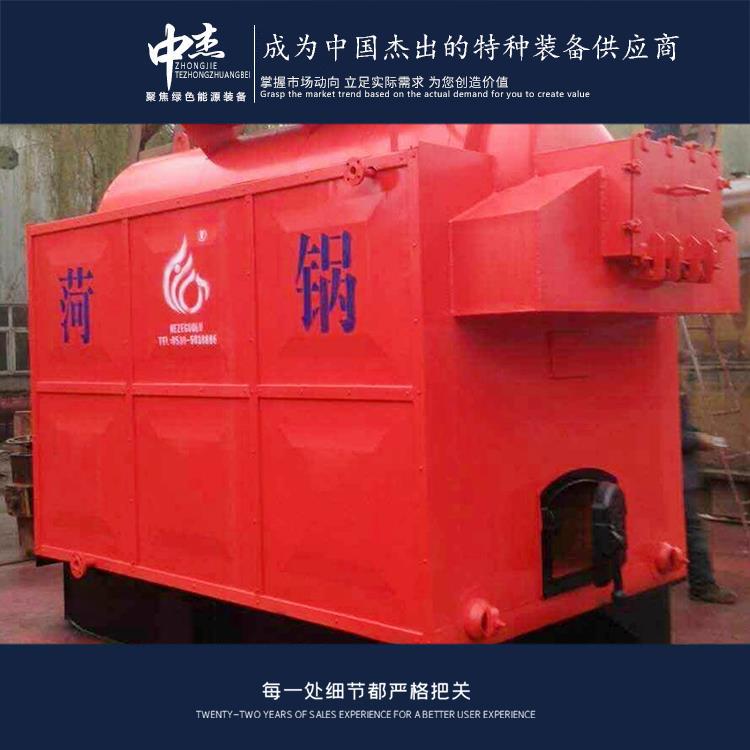
The brief steps for the biomass boiler kiln are as follows:
Prepare fuel: Select suitable biomass fuel such as wood chips and straw, and conduct pre-treatment like drying and sieving to ensure the quality of the fuel and its suitability for the furnace.
Ignition and ignition adjustment: Place the fuel into the combustion chamber of the biomass boiler, ignite it, and perform ignition adjustment. Adjust the oxygen supply, fuel supply, and combustion temperature in the combustion chamber to ensure stable combustion.
Heating and Temperature Control: As the fuel burns, biomass boilers produce high-temperature flue gas, which transfers its heat energy to the oven through a heat exchanger. During the heating process, it is necessary to control the temperature of the oven to ensure that the material inside is properly heated.
Furnace Operation and Monitoring: During the furnace heating process, both operation and monitoring are necessary. Operation involves controlling fuel supply, heat transfer, and the movement of materials inside the furnace. Monitoring includes tracking parameters such as furnace temperature, pressure, and combustion efficiency to ensure normal operation and safety.
Furnace shutdown and cleaning: Upon completion of heating or reaching the required furnace effect, cease fuel supply and heating to perform the furnace shutdown operation. Post-operation, cleaning of the furnace and biomass boiler, combustion chamber, and flue is necessary.
Biomass boiler drying kiln refers to the process of using a biomass boiler for kiln heating. The following is a brief procedure:
Prepare Fuel: Select suitable biomass fuel such as wood chips, straw, etc., and carry out pretreatment like drying and sieving to ensure the quality of the fuel and its suitability for the furnace.
Ignition and Ignition Adjustment: Place the fuel into the combustion chamber of the biomass boiler, ignite, and adjust the ignition. Ignition adjustment involves adjusting parameters such as the oxygen supply to the combustion chamber, fuel supply, and combustion temperature to ensure stable combustion.
Heating and Temperature Control: As the fuel burns, biomass boilers produce high-temperature flue gases, which transfer their heat energy to the kiln through a heat exchanger. During the heating process, it is necessary to control the kiln's temperature to ensure that the materials inside receive adequate heating.
Furnace Operation and Monitoring: During the furnace heating process, both operation and monitoring are required. Operation involves controlling fuel supply, heat transfer, and the movement of materials inside the furnace. Monitoring includes tracking parameters such as furnace temperature, pressure, and combustion efficiency to ensure normal operation and safety.
Furnace Completion and Cleaning: Upon completion of the heating process or when the desired furnace effect is achieved, stop the fuel supply and heating, and perform the furnace completion procedure. Post-completion, it is necessary to clean the furnace and biomass boiler, as well as the ash and soot in the combustion chamber and flue, to maintain the cleanliness and proper operation of the equipment.
Shandong Zhongjie Special Equipment, welcome customers to visit our factory for business discussions.
Zhangjiajie Biomass Boiler, Low operating costs
