


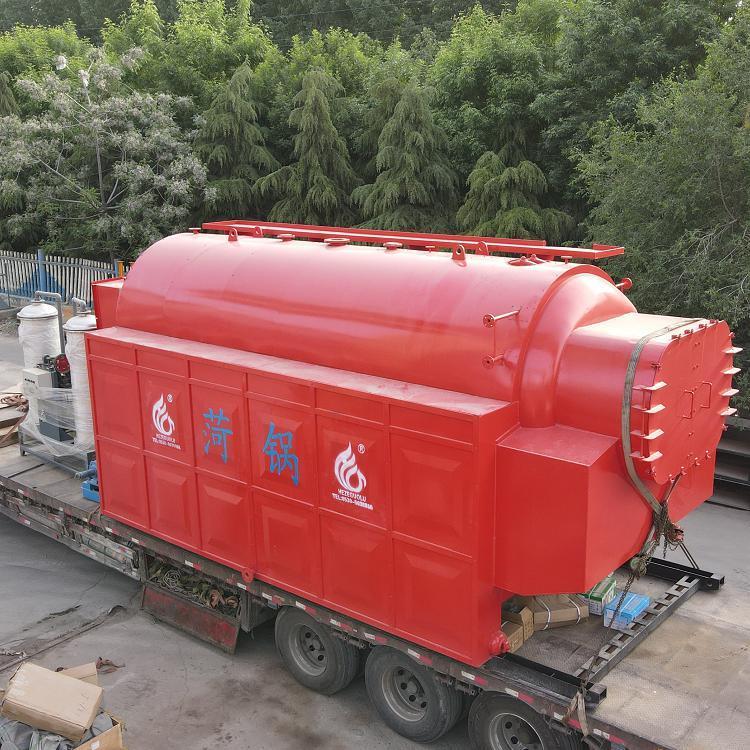
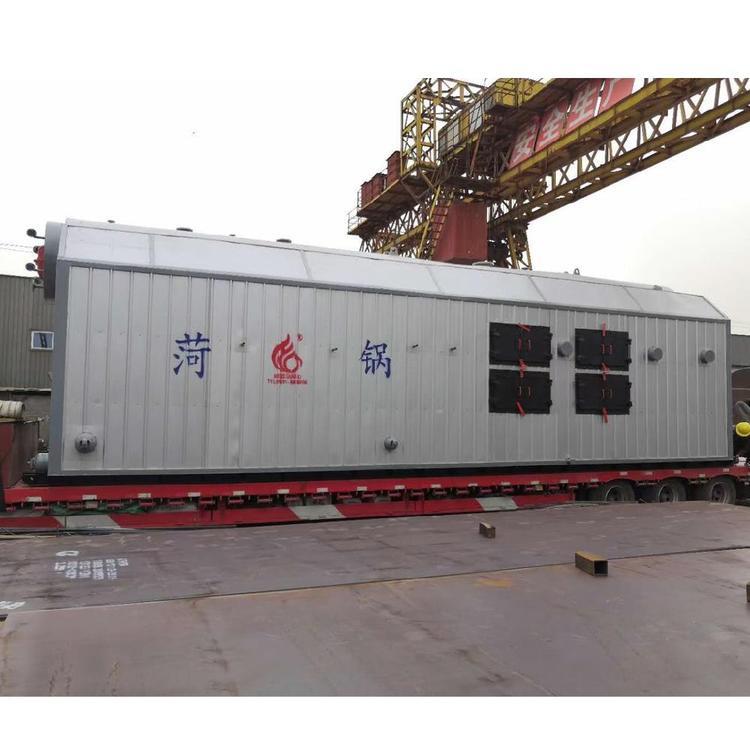
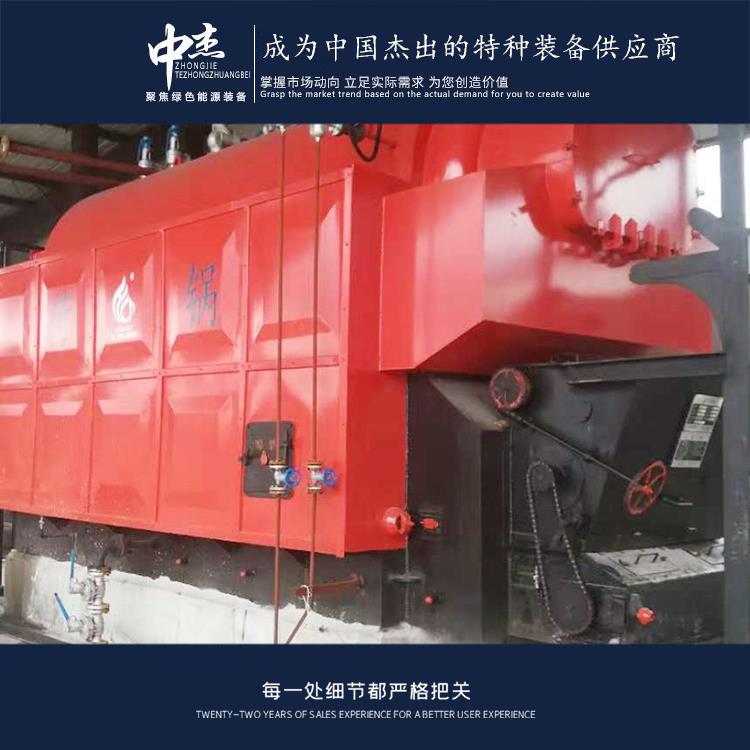
Shandong Zhongjie Special Equipment's main products include: fuel (gas) boilers, organic heat carrier boilers, biomass boilers, waste heat boilers, and other boiler products; vacuum insulation cryogenic pressure vessels such as LNG tanks, oxygen/nitrogen/argon tanks, CO2 tanks; pressure vessel products like denitrification engineering equipment, heat storage and energy storage equipment, complete chemical equipment; central air conditioning and HVAC equipment such as ground (water) source heat pumps, air source units, water-cooled screw units, and air-cooled modular units. Planned products include large-scale energy centers, LNG transport vehicles, LNG tank containers, and other green energy equipment.
The phenomenon of damaged economizer tubes in biomass boilers may include the following situations:
Pipe Corrosion: Flue gases produced by biomass combustion contain certain acidic substances, which may cause corrosion of the economizer pipes. Long-term corrosion can lead to the thinning of pipe wall thickness, the formation of holes and cracks.
Pipe blockage: During biomass combustion, flue gas may contain some ash and particulates, which can settle and accumulate within the economizer pipes, leading to blockage. The blockage affects the flow of flue gas and reduces the heat exchange efficiency.
Pipe Fatigue: The fluctuating operating temperatures and pressures in biomass boilers can lead to significant thermal expansion and contraction over time, causing fatigue damage to the economizer piping, such as cracking and deformation.
In response to the above issues, the following solutions can be implemented:
Enhanced Corrosion Protection: Corrosion treatment can be applied internally within the economizer pipes, such as applying a corrosion-resistant coating or manufacturing the pipes from corrosion-resistant materials, to minimize corrosion occurrence.
Regular Cleaning and Maintenance: Perform regular cleaning and maintenance on the economizer to prevent clogging by removing ash and particulate matter from the pipes. Methods such as mechanical cleaning and water flushing can be employed.
Enhance Monitoring and Inspection: Conduct regular inspections on economizers, including thickness measurements of pipes and crack detection, to promptly identify issues and take corrective actions.
Optimize Operating Parameters: Reasonably adjust the operating parameters of the biomass boiler, such as combustion temperature and air volume, to minimize damage to the economizer.
As a renewable energy boiler, biomass boilers offer several advantages:
Environmental Protection and Energy Saving: Biomass boilers utilize biomass fuels such as wood chips, straw, and rice husks, which are renewable. Compared to traditional fossil fuels, these fuels have lower carbon emissions and are more environmentally friendly. The emissions produced during the combustion process of biomass boilers are relatively low, causing minimal environmental impact. Moreover, through optimizing the combustion process and heat recovery, biomass boilers can achieve high energy utilization efficiency, saving energy.
Diverse Fuel Options: Biomass boilers are suitable for a variety of biomass fuels, such as wood chips, straw, husks, etc., demonstrating strong adaptability to fuel types. This allows biomass boilers to be widely used in different regions and industries. Moreover, the supply of biomass fuel is relatively stable, unaffected by international oil price fluctuations and other factors.
Flexible operational modes: Biomass boilers can be adjusted to meet actual requirements.
Blowing dust refers to the process of removing dust and scale from the boiler flue, furnace, and heat exchange surfaces during the operation of a boiler, by means of jetting high-pressure steam or compressed air. The function of blowing dust and its impact on the operation of biomass boilers are as follows:
Function:
Dust and soot: During biomass combustion, a large amount of dust and soot is produced, which adheres to the flue, furnace, and heat exchange surfaces of the boiler, affecting the efficiency of heat transfer. Blowing dust can remove these accumulations, keeping the boiler clean.
Enhance Heat Transfer Efficiency: Ash and dirt buildup on boiler flues, furnace walls, and heat exchange surfaces create thermal resistance, hindering heat transfer. Blowing off the dirt can eliminate this resistance, thereby improving heat transfer efficiency and reducing energy waste.
Prevent Scaling and Corrosion: Accumulated ash and dirt on the boiler flue and furnace can lead to excessively high local temperatures, causing scaling and corrosion issues. Blowing off the dirt can lower local temperatures and prevent the occurrence of scaling and corrosion.
Impact:
Boiler thermal efficiency: Blowing ash can remove accumulated dust and dirt from the flue, furnace, and heat exchange surfaces, enhancing the efficiency of heat transfer, thereby improving the boiler's thermal efficiency.
Boiler Safety: Blowing ash can prevent scaling and corrosion in the boiler flue and furnace, reduce potential safety hazards, and ensure the safe operation of the boiler.
Boiler Stability: Blowing ash can maintain the cleanliness of the boiler, reduce the impact of accumulated ash and dirt on the boiler's operation, and enhance boiler efficiency.
The causes of coking in biomass boilers can be attributed to the following aspects:
Fuel Characteristics: Ash content and ashing properties in biomass fuel are the primary factors leading to coking. Ash is the non-combustible inorganic substance in biomass fuel, which, upon combustion, deposits in the furnace and forms slag. Fuel with high ash content tends to produce large amounts of slag, while fuel with lower ashing temperatures is prone to coking within the furnace.
Combustion Temperature: Combustion temperature is a critical factor affecting biomass boiler slagging. Too low combustion temperature can lead to incomplete fuel combustion and insufficient melting of ash, increasing the likelihood of slagging.
Air Supply: Insufficient or excessive air supply can affect the combustion process and fouling of biomass boilers. Too little air supply can lead to incomplete fuel combustion, producing a large amount of solid residue and increasing the risk of fouling. On the other hand, too much air supply can lower the combustion temperature, extend the fuel's residence time in the furnace, and also increase the likelihood of fouling.
Furnace Design: The design of the furnace significantly impacts the combustion process and coking conditions. The air flow and temperature distribution within the furnace affect fuel combustion and slag discharge. An improper furnace design can lead to extended fuel residence time within the furnace, increasing the risk of coking.
Ash Cleaning System: The performance and operation of the ash cleaning system also affect the coking condition of biomass boilers. Regularly cleaning the ash inside the furnace.
Shandong Zhongjie Special Equipment, welcome customers to visit our factory for business discussions.
Neijiang biomass boiler customization, on-site installation
