


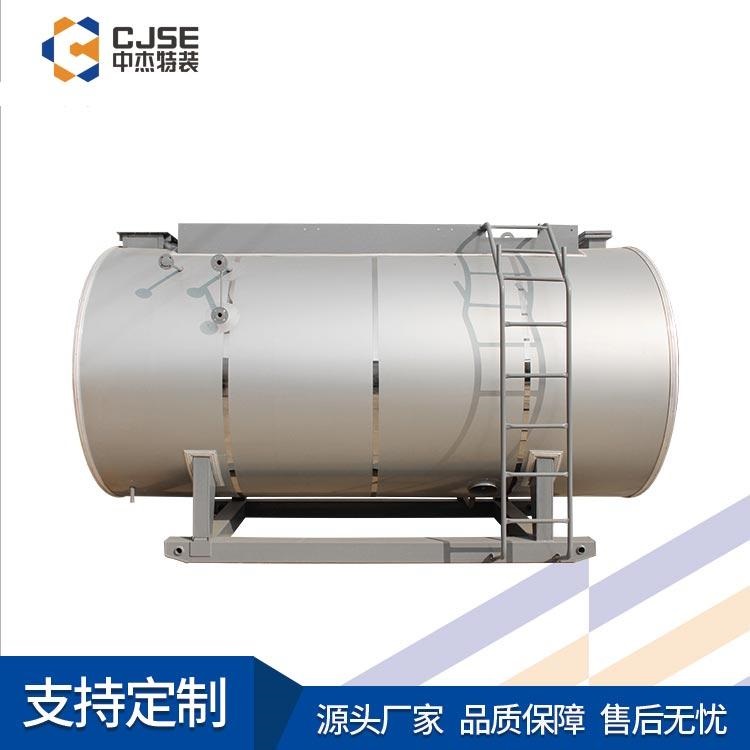
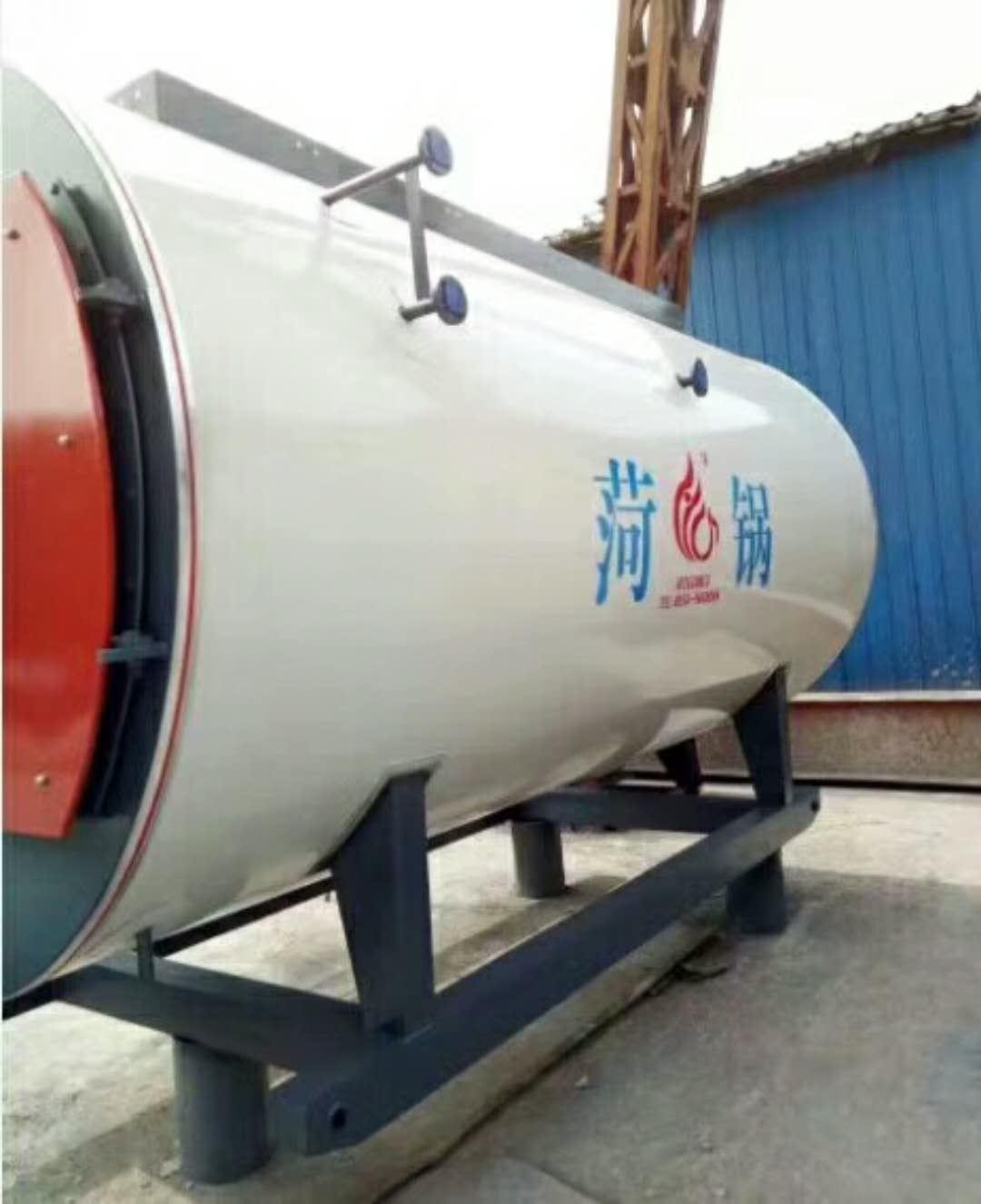
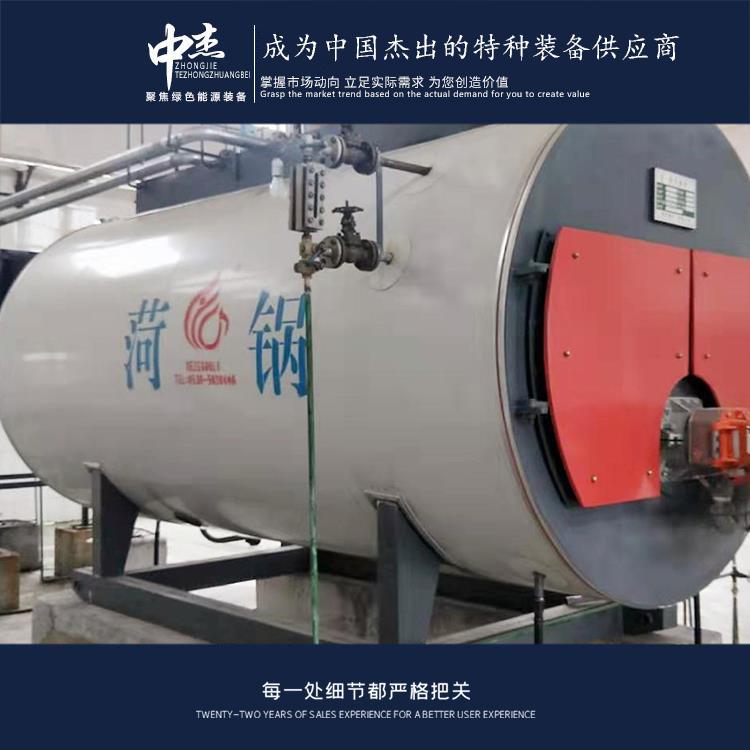
Shandong Zhongjie Special Equipment's main products include: fuel (gas) boilers, organic heat carrier boilers, biomass boilers, waste heat boilers, and other boiler products; vacuum insulation cryogenic pressure vessels such as LNG tanks, oxygen/nitrogen/argon tanks, and CO2 tanks; pressure vessel products such as denitrification engineering equipment, heat storage and energy storage equipment, and complete chemical equipment; central air conditioning and HVAC equipment such as ground (water) source heat pumps, air source units, water-cooled screw units, and air-cooled modular units. Planned products include large-scale energy centers, LNG transport vehicles, LNG tank containers, and other green energy equipment.
To ensure the sensitivity and energy efficiency of a gas-fired hot water boiler, the following measures can be taken:
Regular maintenance and cleaning: Perform regular maintenance and cleaning of the gas-fired hot water boiler, including cleaning the burner, flue, and heat exchanger components. This ensures the efficiency of the combustion process and the transfer of heat energy, reducing energy waste.
Smart control system: Install a smart control system that regulates temperature and pressure to achieve automatic adjustment and optimized operation of the gas-fired hot water boiler. The smart control system can adjust the burner's operating status based on actual needs, avoiding excessive heating and energy waste.
Energy-saving equipment and technology: Adopt energy-saving equipment and technology, such as heat recovery units and flue gas waste heat utilization systems. These devices and technologies can recover and utilize the excess heat in the flue gas emitted by the boiler, improving energy utilization efficiency.
Water quality management: Manage the water quality of the gas-fired hot water boiler rationally to prevent the accumulation of scale and dirt. Scale and dirt reduce the heat transfer efficiency of the heat exchanger and increase energy consumption. Regular water quality testing and treatment help maintain clean water quality, enhancing the boiler's energy efficiency performance.
Good insulation and sealing: Ensure that the gas-fired hot water boiler has good insulation and sealing properties. The selection and maintenance of insulation materials, as well as the sealing of pipes and valves, can reduce heat loss and improve the boiler's energy efficiency performance.
Regular monitoring and optimization: Regularly monitor the operation of the gas-fired hot water boiler, analyze energy consumption and efficiency indicators. Based on monitoring results, make optimization adjustments to improve the boiler's energy efficiency performance.
By integrating the above measures, a gas-fired hot water boiler can achieve sensitive energy efficiency and improve energy utilization.
When installing a gas boiler unit, the following points should be noted:
Safety: A gas boiler is a device that uses gas as fuel, so safety must be ensured during installation. First, choose an appropriate installation location, away from flammable materials and combustible gases, and ensure good ventilation. Second, install according to relevant safety regulations, including the connection of gas pipes and the installation of gas valves.
Pipe Connection: The gas boiler needs to be connected to the gas pipeline to ensure a smooth gas supply. During the connection process, use suitable pipes and joints to ensure a secure connection and prevent gas leaks. Also, conduct a leak test to ensure there are no leaks.
Exhaust Duct: During combustion, gas boilers produce exhaust gases, requiring an appropriate exhaust duct. The exhaust duct must be kept clear to avoid the accumulation of exhaust gases indoors, which can pose safety hazards and air pollution.
Electrical Connection: Gas boilers typically require power supply, so electrical connections must be made during installation. Ensure the electrical connections are correct and secure to avoid circuit shorts or other electrical issues.
Water System: Gas boilers usually need to be connected to the water system, including water supply and drainage pipes. During the connection process, ensure the water pipes are securely connected to prevent leaks or unstable water pressure.
Commissioning and Testing: After installation, commissioning and testing of the gas boiler should be carried out. This includes ignition tests, combustion efficiency tests, and temperature control tests to ensure the boiler operates normally and is safe and reliable.
It is recommended to follow relevant installation specifications and requirements when installing a gas boiler unit. If you do not possess the necessary technical knowledge, it is best to have a qualified installer perform the operation to ensure the installation process is safe and reliable.
Potential operational issues with the fuel system of a thermal oil furnace include:
- Inadequate fuel quality: Using low-quality or contaminated fuel can cause problems with the fuel system. For instance, the presence of impurities, water, or excessive fuel viscosity can lead to clogs in the fuel pump, nozzle, and burner, affecting fuel supply and combustion efficiency.
- Neglecting regular cleaning or replacement of the fuel filter: The fuel filter's purpose is to filter out impurities and particles from the fuel to prevent them from entering the fuel system. If the fuel filter is not cleaned or replaced regularly, it can become clogged, affecting fuel flow and supply.
- Improper adjustment of the fuel pump: Proper adjustment of the fuel pump is crucial for maintaining stable fuel supply volume and pressure. Incorrect adjustment can result in either excessive or insufficient fuel supply, leading to incomplete combustion or insufficient fuel supply, affecting the furnace's temperature and thermal efficiency.
- Clogged or worn fuel nozzles: Fuel nozzles are key components that atomize and inject fuel into the furnace. Clogs or wear in the nozzles can lead to uneven or incorrect fuel injection, affecting combustion efficiency and thermal output.
- Inadequate fuel preheating: Fuel must be preheated before entering the burner to enhance combustion. Insufficient preheating can increase fuel viscosity, affecting its flow and injection performance.
- Fuel system oil leaks: The sealing integrity of the fuel system is vital for stable fuel supply. Oil leaks in the fuel system can lead to fuel supply instability.
In textile processing factories, common types of boilers include the following:
- Steam Boilers: Steam boilers are one of the most commonly used types of boilers in textile processing. They produce high-temperature, high-pressure steam, which is used for heat treatment, dyeing, boiling, and other processes in textile manufacturing. Steam boilers offer advantages such as rapid heating, stability, and high efficiency.
- Hot Water Boilers: Hot water boilers are suitable for low-temperature textile processing techniques, such as washing and drying. They provide a stable supply of hot water with high temperature control accuracy and low energy consumption.
- Hot Air Furnaces: Hot air furnaces are used for drying processes in textile manufacturing. They transfer heat energy to textiles through the hot air produced by combustion, achieving rapid drying. Hot air furnaces have the advantages of fast heating and high thermal efficiency.
When selecting the appropriate boiler type for a textile processing factory, consider the following factors:
- Processing Requirements: Determine the required heat medium (steam, hot water, hot air) and parameters such as working temperature and pressure based on the specific processing needs of the factory.
- Energy Costs and Efficiency: Consider the energy consumption and efficiency of different boiler types, choosing one that meets processing demands and has high energy utilization efficiency.
- Environmental Requirements: Pay attention to the emission standards and environmental performance of the boilers, and select the appropriate type accordingly.
- Maintenance and Operation: Evaluate the ease of maintenance and operation of the boiler, ensuring it is reliable and cost-effective in the long run.
Shandong Zhongjie Special Equipment, welcome customers to our factory for business discussions.
20-ton gas boiler manufacturer
