


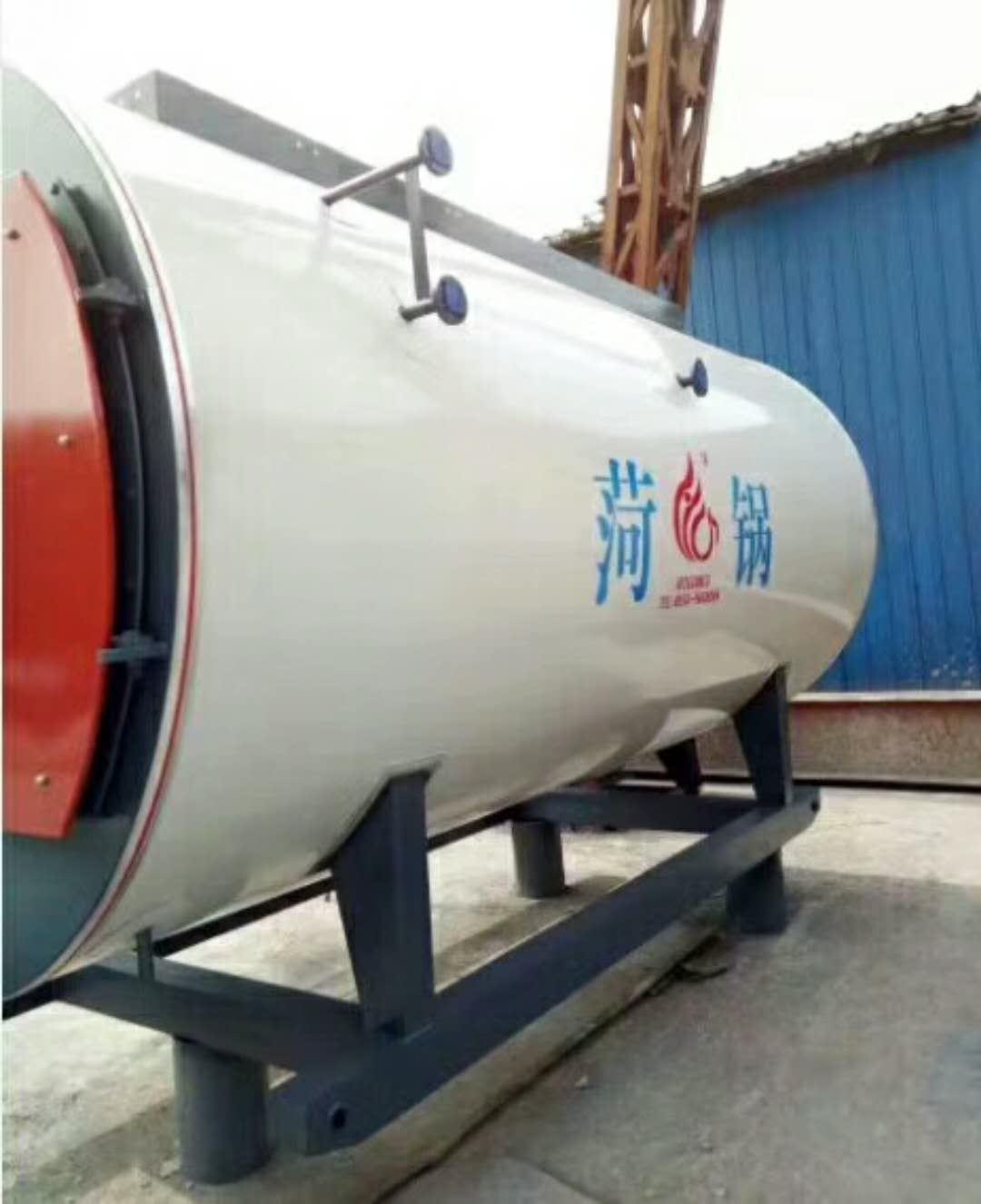
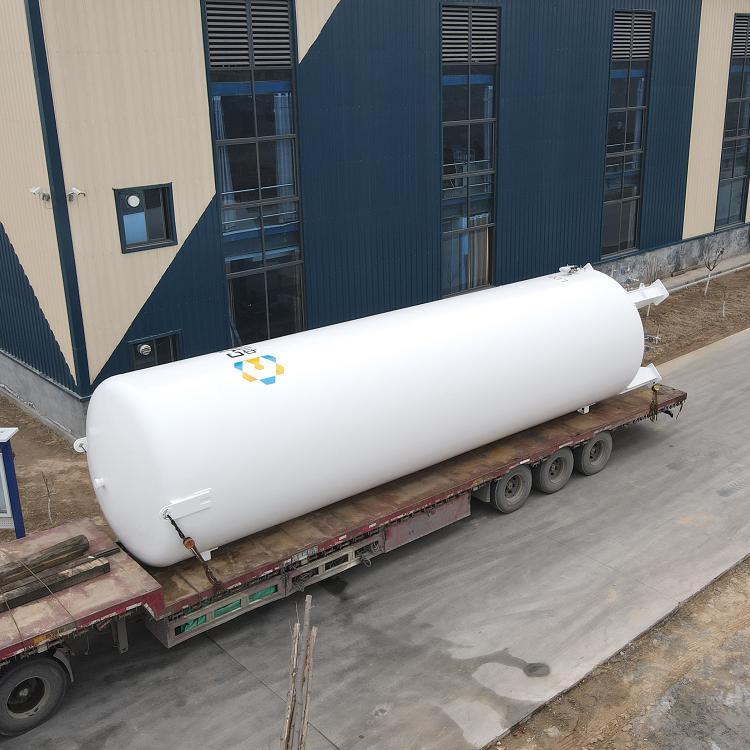
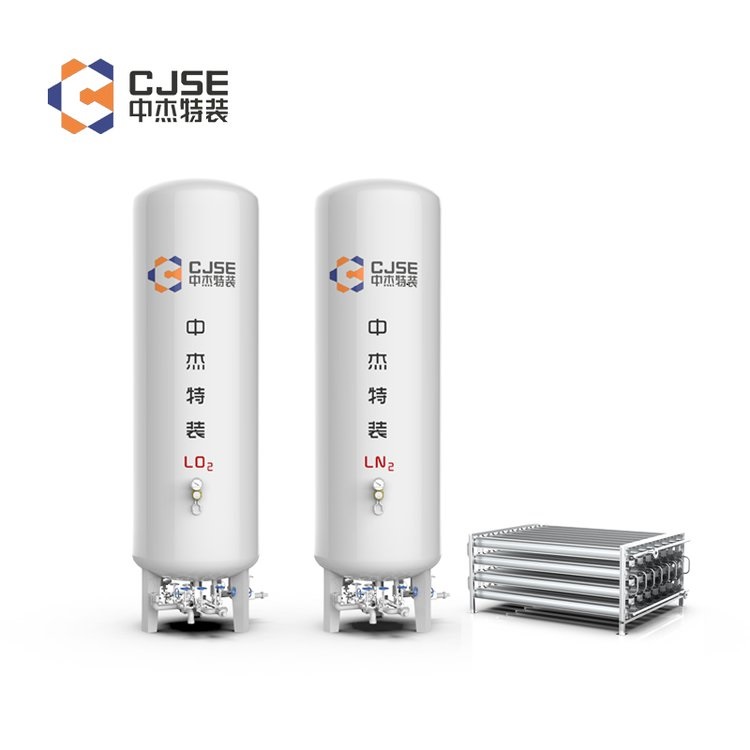
Shandong Zhongjie Special Equipment (formerly Heze Boiler Factory Co., Ltd.) holds an A-grade boiler manufacturing license, A2-grade pressure vessel manufacturing license, A2-grade pressure vessel design license, B-grade boiler installation license, GB2 and GC2 pressure pipeline installation licenses, and a mechanical and electrical equipment installation contracting qualification. It is a member of the China Boiler and Water Treatment Association, the China Chemical Equipment Association, and the director unit of the Shandong Equipment Manufacturing Association. The company has also passed certifications for the ISO9001 Quality Management System, ISO14001 Environmental Management System, OHSAS18001 Occupational Health and Safety Management System, and the American ASME/U2 certification.
The primary reason for pre-cooling a CO2 storage tank before use is to ensure that the CO2 inside the tank remains in a liquid state and maintains a stable temperature during storage and supply. The pre-cooling process typically involves several steps: Tank Cooling: Before the tank is put into service, it must be cooled internally to a sufficiently low temperature to convert the CO2 from a gas to a liquid. This can be achieved by injecting a cooling medium (such as liquid nitrogen) into the tank or by using an external cooling unit. Tank Pre-filling: After the tank is cooled, liquid CO2 must be pre-filled to fill the tank and maintain a certain pressure. The purpose of pre-filling is to provide sufficient CO2 supply during storage and supply and to keep the tank's pressure stable. By pre-cooling, the liquid state of the CO2 inside the tank is ensured, preventing premature evaporation and energy loss. Additionally, pre-cooling helps to lower the tank's temperature in advance, reducing CO2 evaporation and pressure fluctuations, thereby improving the tank's operational efficiency and safety. It should be noted that the specific methods and requirements for pre-cooling may vary depending on the tank design and application. When performing pre-cooling operations, it is essential to follow relevant safety operation procedures and standards to ensure safety and effectiveness.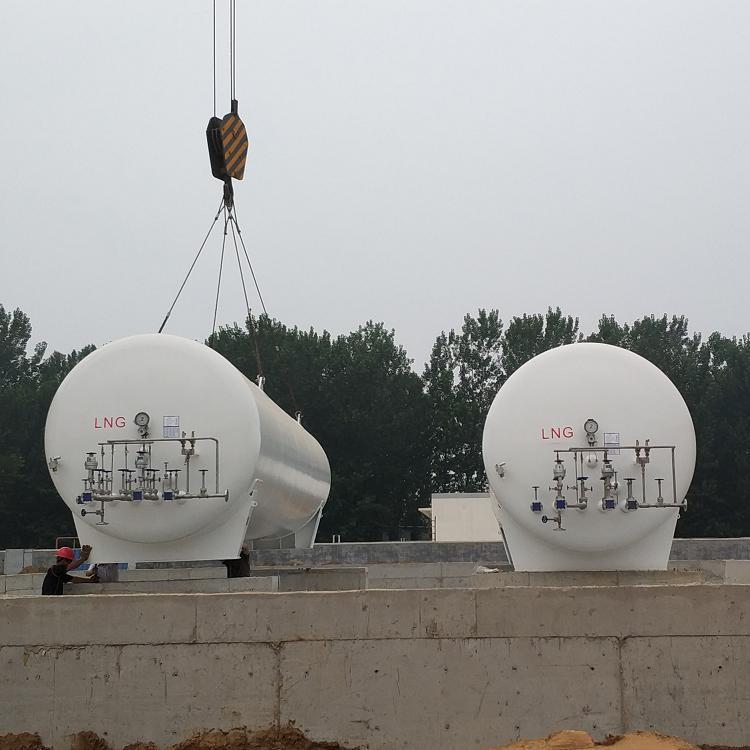
When applying coatings to CO2 storage tanks, several key issues must be addressed:
1. Surface Preparation: Prior to coating, thorough surface preparation of the tank is mandatory. This involves cleaning the surface, removing grease, dirt, and old coatings to ensure proper adhesion and quality of the coating.
2. Appropriate Coating Selection: Choosing the right coating for CO2 storage tanks is crucial. The coating should be corrosion-resistant, heat-resistant, and chemical-resistant to protect the tank surface from corrosion and damage.
3. Spraying Techniques: The selection and operation of spraying techniques are critical for the quality and uniformity of the coating. Appropriate spraying equipment and methods should be chosen to ensure even coverage of the entire tank surface and to avoid drips and runs.
4. Coating Thickness: The thickness of the coating is vital for the protection of the tank. The thickness should be controlled according to the coating requirements and the tank's operating environment to ensure the protective performance and lifespan of the coating.
5. Drying and Curing: After the coating is applied, sufficient time must be allowed for drying and curing. Follow the correct drying time and conditions as per the coating requirements to ensure the quality and performance of the coating.
6. Safety Measures: Appropriate safety measures must be taken during the spraying process, including wearing protective eyewear, respirators, and protective clothing to ensure the safety of the operators.
7. Quality Inspection: After coating, a quality inspection should be conducted, including the appearance, adhesion, and thickness of the coating. Any issues or defects should be addressed and repaired promptly.
It is important to note that coating CO2 storage tanks should be performed by professionals.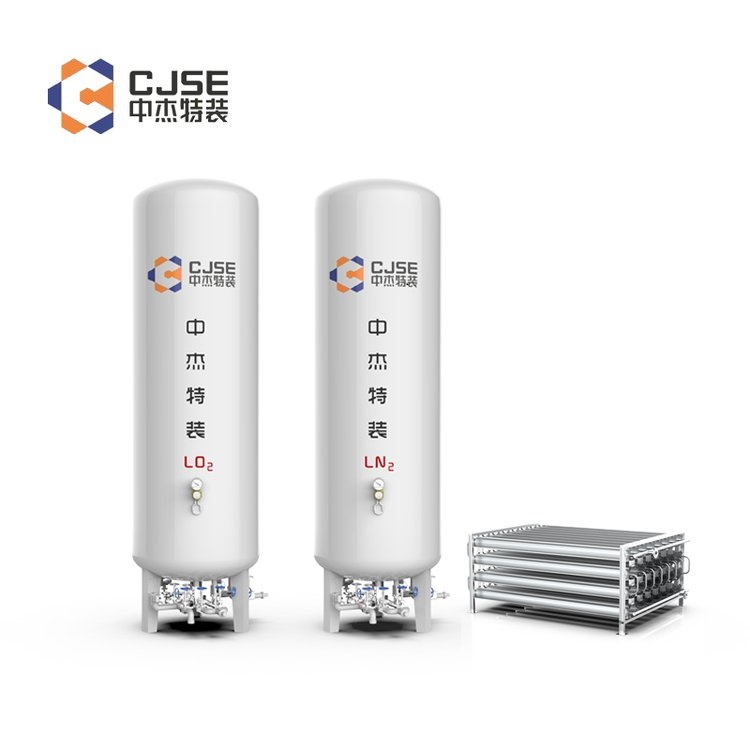
The filling process for carbon dioxide storage tanks typically includes the following steps:
Preparation: Ensure the tank and filling equipment are in good working condition. Inspect the tank's appearance and valves for any damage or leaks. Check the filling equipment's connecting pipes and valves to ensure they are tight and free of leaks.
Prepare liquid carbon dioxide: Extract liquid carbon dioxide from the supply source and transfer it to the storage tank of the filling equipment. Ensure the quality and purity of the liquid carbon dioxide meet the requirements.
Connect filling equipment: Attach the outlet pipe of the filling equipment to the inlet valve of the tank. Ensure the connection is secure and there are no leaks.
Open valves: Turn on the corresponding valves of the filling equipment and the tank to allow liquid carbon dioxide to flow into the tank. Adjust the valves as needed to control the filling speed and pressure.
Monitor liquid level: Use a level sensor or other liquid level measuring equipment to monitor the liquid carbon dioxide level in the tank in real time. Ensure the level is within a safe range and avoid overfilling.
Filling complete: Once the liquid level in the tank reaches the predetermined filling quantity, close the corresponding valves of the filling equipment and the tank, and stop filling the liquid carbon dioxide.
Inspection and cleanup: Check the valves and pipe connections during the filling process to ensure there are no leaks. Clean up any remaining liquid carbon dioxide around the filling equipment and tank.
Record and report: Record relevant information from the filling process, including the filling date, filling quantity, and level monitoring results. If necessary, submit a filling report to the relevant departments or management personnel.
The above is a general carbon dioxide storage tank filling process, with specific operations to be carried out according to the tank's characteristics and requirements. When performing filling operations, follow relevant safety operation procedures and have them conducted by trained professionals.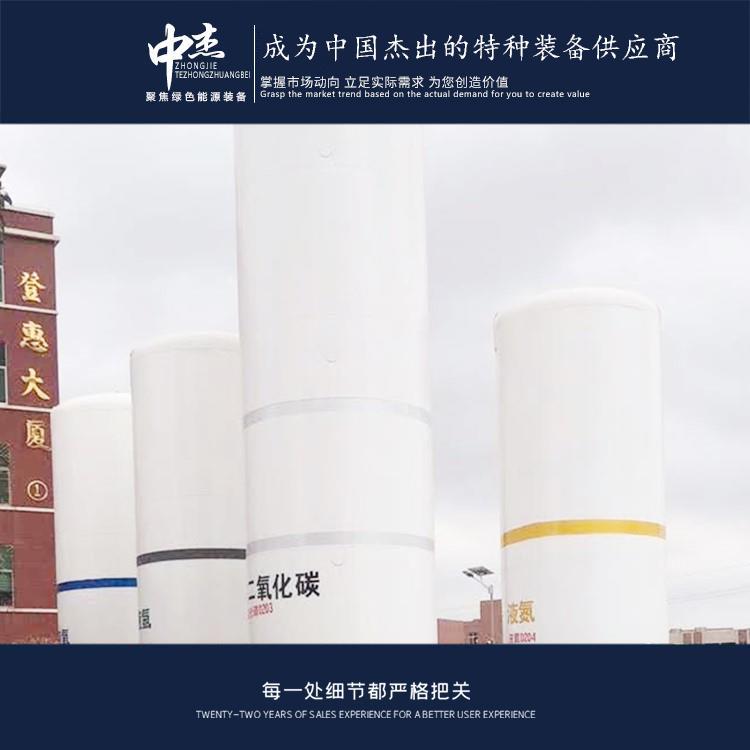
When filling liquid carbon dioxide into storage tanks, attention should be given to the following aspects:
Safety Operation: During the filling process, it is mandatory to adhere to relevant safety operation procedures and standards. Operators must receive training to understand the operational requirements and safety measures of the filling equipment and operate strictly according to the procedures.
Tank Inspection: Prior to filling, the tank must be inspected to ensure its integrity and safety. Check the tank's appearance, sealing, valves, and pipe connections, and address any abnormalities or damage promptly by repairing or replacing them.
Filling Equipment: Select appropriate filling equipment, ensuring it meets relevant standards and requirements. The filling equipment should have a safe and reliable design and operational functions to ensure the safety and efficiency of the filling process.
Filling Speed Control: Controlling the filling speed is crucial. Excessive filling speed can lead to high tank pressure, increasing safety risks. The filling speed should be controlled according to the tank's capacity and design requirements to ensure safe filling.
Pressure Control: The tank's pressure must be strictly controlled during the filling process. The filling equipment should be equipped with pressure sensors and safety valves to ensure the internal pressure of the tank remains within a safe range.
Leak Prevention: During the filling process, ensure the sealing of valves and pipes to prevent carbon dioxide leakage. Regularly inspect and replace seals, and address any leaks promptly.
Monitoring and Recording: Real-time monitoring and recording of key parameters, such as pressure, temperature, and level, should be conducted during the filling process. This helps in detecting abnormalities early and making appropriate adjustments and treatments.
It is important to note that filling carbon dioxide storage tanks should be performed by qualified operators who follow relevant safety operation procedures and standards. Seek advice and guidance from experts.
Shandong Zhongjie Special Equipment, welcome customers to our factory for business discussions.
Guilin 5 Cubic Meter Carbon Dioxide Storage Tank, Genuine Manufacturer
