


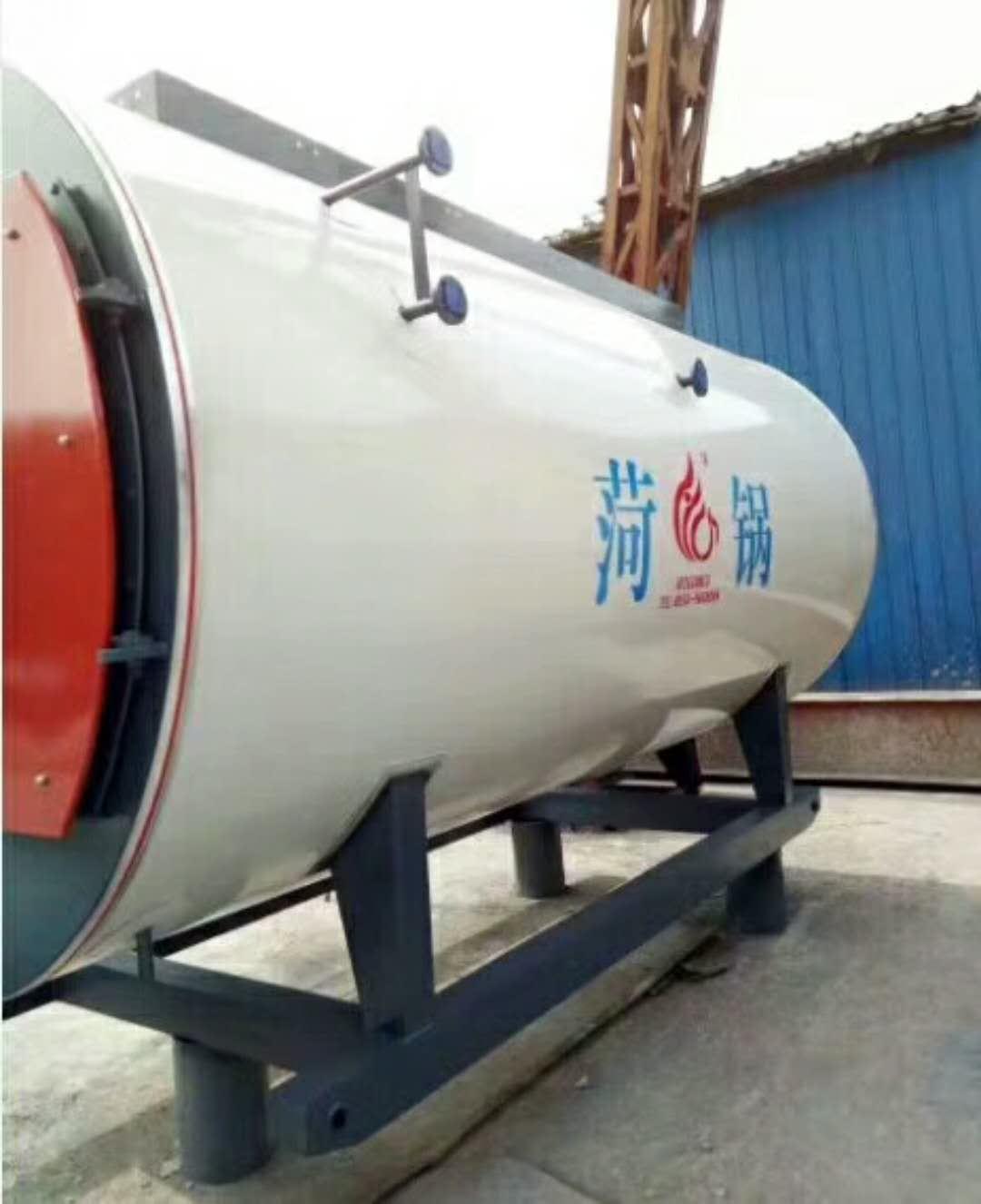
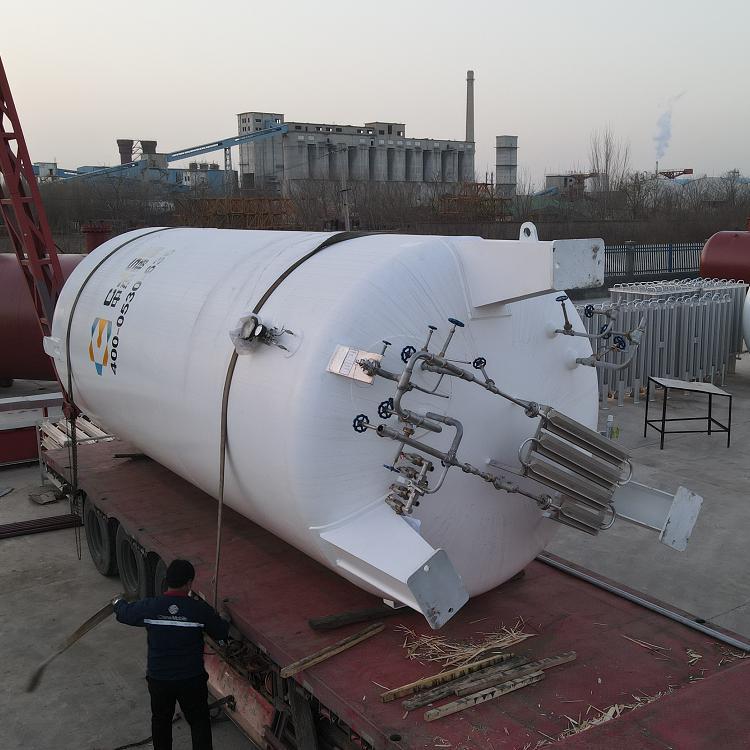
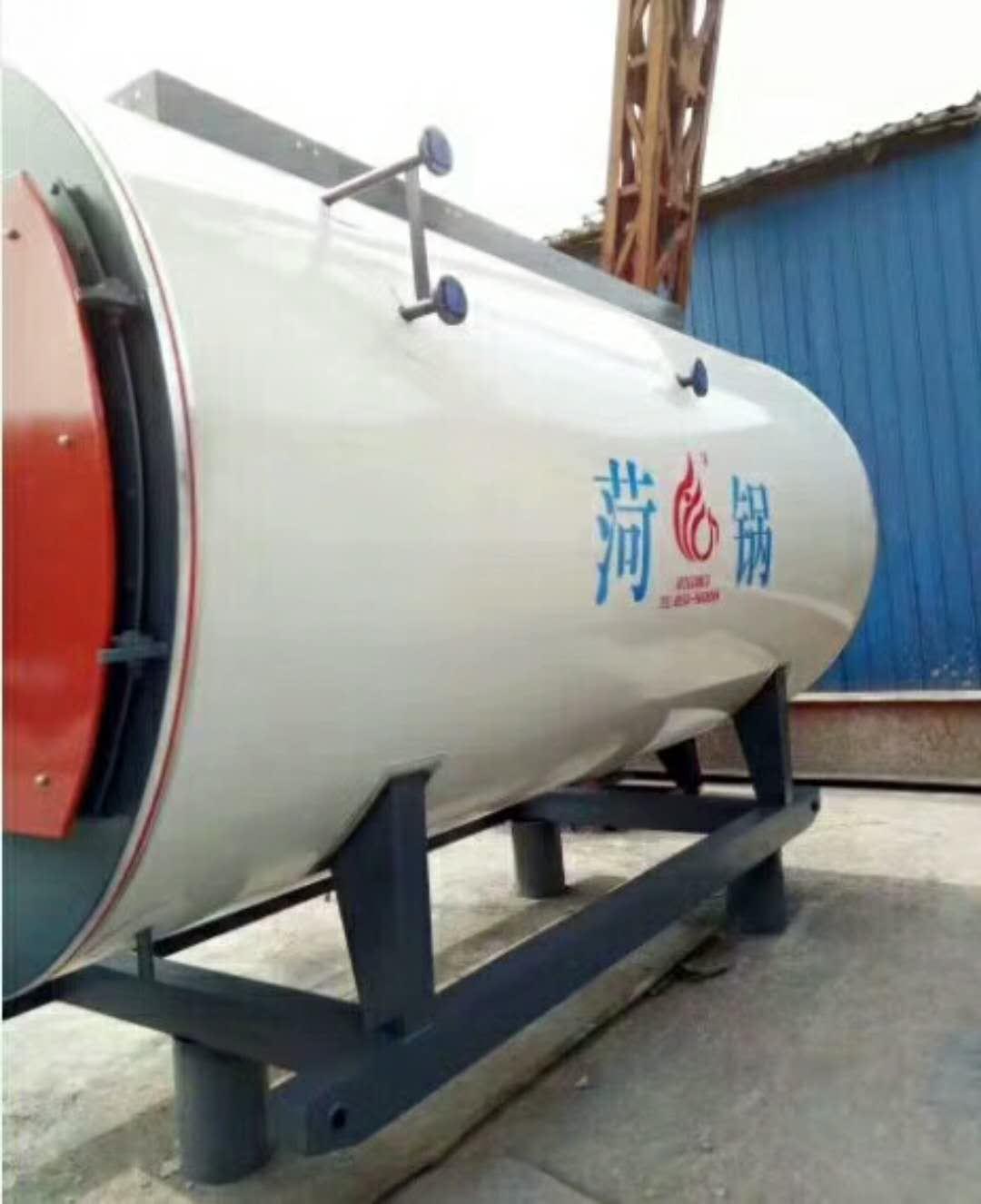
Shandong Zhongjie Special Equipment specializes in: fuel (gas) boilers, organic heat carrier boilers, biomass boilers, waste heat recovery boilers, and other boiler products; vacuum insulation cryogenic pressure vessels such as LNG tanks, oxygen/nitrogen/argon tanks, and CO2 tanks; pressure vessel products including denitrification engineering equipment, heat storage and energy storage equipment, and complete chemical equipment sets; central air conditioning and ventilation equipment such as ground (water) source heat pumps, air source units, water-cooled screw units, and air-cooled modules. Planned products include large-scale energy centers, LNG transport vehicles, LNG tank containers, and other green energy equipment.
Liquid nitrogen tanks are devices used for storing liquid nitrogen and are widely used in the following fields: Frozen Food and Refrigerated Logistics: Liquid nitrogen tanks are used in the frozen food and refrigerated logistics industry to freeze or refrigerate food and other perishable items, extending their shelf life and maintaining freshness. The low temperature of liquid nitrogen can quickly freeze food, preventing bacterial growth and spoilage. Scientific Research and Laboratories: Liquid nitrogen tanks are used in scientific research and laboratories to provide liquid nitrogen as a coolant and freezing medium. The low temperature of liquid nitrogen can be used for cooling laboratory equipment, material research, superconducting electronics, and low-temperature physics, among other applications. Metal Processing and Welding: Liquid nitrogen tanks are used in metal processing and welding to cool and control the temperature of metal. Liquid nitrogen can rapidly cool metal, improving its hardness and strength, and reducing deformation and stress. Gas Storage and Supply: Liquid nitrogen tanks are also used for storing and supplying nitrogen gas. Liquid nitrogen can be evaporated into gaseous nitrogen for applications such as gas shielded welding, gas fire suppression systems, gas analysis, and laboratory gas supply. In summary, liquid nitrogen tanks are widely used in the fields of frozen food, scientific research, metal processing, and gas supply, providing storage and supply functions for liquid nitrogen at application sites.
During the degreasing process of high vacuum pipelines in low-temperature liquid storage tanks, the following steps can be taken:
Preparation: Ensure the cleanliness and readiness of the defatting equipment and tools. Check the pipeline system's connections and seals, ensuring there are no leaks.
Pipe Cleaning: Clean pipes using suitable detergents and tools to remove surface dirt and grease. Methods may include mechanical brushing, high-pressure water jetting, or chemical cleaning.
De-greasing Process: Select an appropriate de-greaser and inject it into the pipeline system. The de-greaser can be an organic solvent or an alkaline solution, the choice depending on the pipeline material and type of dirt. Ensure the de-greaser thoroughly covers the inner wall of the pipeline and maintains a certain contact time.
Flush pipeline: Drain the degreaser from the pipeline system and flush with clean water to remove any remaining degreaser and dirt. High-pressure water or gas can be used during the flush to ensure the interior of the pipeline is clean.
Drying Pipe: Utilize drying equipment or ventilation systems to evaporate or exhaust moisture from within the pipe, ensuring the interior pipe walls are dry. Drying can be achieved using hot air or nitrogen.
Inspection and Testing: After degreasing, inspect and test the pipeline to ensure cleanliness and sealing integrity. Visual inspection, pressure testing, or other relevant tests can be conducted.
Note that during the degreasing process of high vacuum pipelines for low-temperature liquid storage tanks, it is essential to follow the relevant safety operating procedures and guidelines. Ensure that operators have the necessary safety awareness and operational skills to prevent accidents.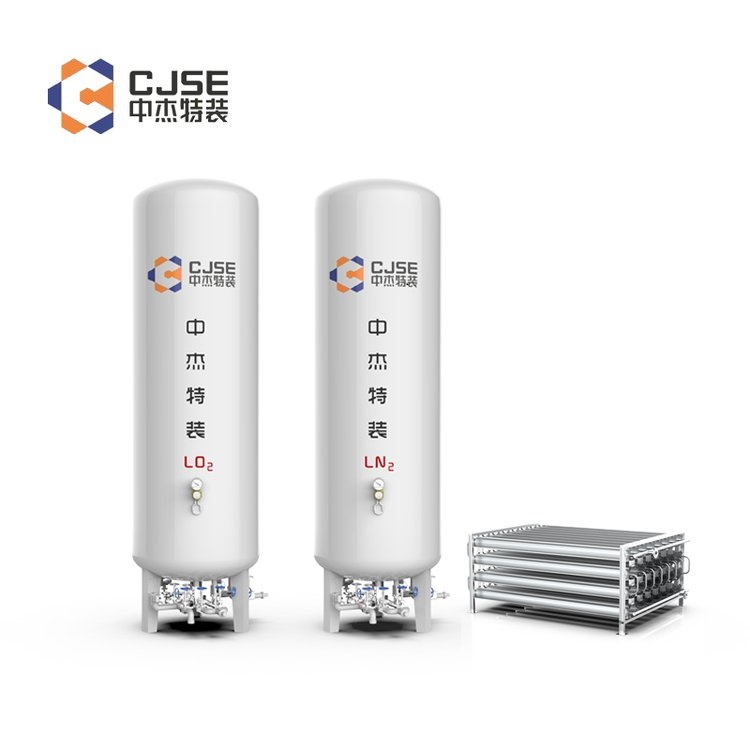
Proper placement of liquid oxygen tanks is a crucial measure to ensure that the tanks do not pose a danger to the surrounding environment and personnel during use. The following are the safety requirements for the placement of liquid oxygen tanks:
Safety Distance: Liquid oxygen storage tanks should maintain a certain distance from other buildings and equipment. This is to ensure effective control and minimize the impact on the surrounding environment in the event of a tank leak or fire.
Fire and Explosion Prevention Measures: Liquid oxygen tanks should be located in a fire-resistant area, away from open flames, high-temperature sources, and flammable materials. The surrounding area should be equipped with fire and explosion prevention facilities, such as fire extinguishers and foam sprinkler systems, to address potential fire risks.
Stable Placement: The liquid oxygen tank should be placed on a solid, flat foundation to ensure stability. The bottom of the tank should make full contact with the ground to prevent the tank from tilting or rocking.
Ventilation Requirements: Liquid oxygen tanks should be placed in a well-ventilated area to ensure normal circulation of gas emissions and oxygen supply. There should be no obstructions around the tank that hinder gas flow.
Labeling and Warning: Liquid oxygen tanks should be clearly labeled with information such as the storage medium, capacity, and pressure. Warning signs and safety alerts should be posted in the surrounding area to remind personnel of the presence and potential hazards of the liquid oxygen tank.
Regular inspections and maintenance: Liquid oxygen storage tanks should be regularly inspected and maintained, including checking the tank's appearance, seal integrity, and corrosion prevention measures. Any issues found should be promptly repaired or replaced to ensure proper operation and safety.
Be mindful that the safety requirements for the placement of liquid oxygen tanks can vary depending on the region and industry. When positioning a liquid oxygen tank, adhere to relevant regulations, standards, and safety protocols, and establish appropriate safety measures based on the specific situation. If you are unfamiliar with or have questions about the safety placement requirements, it's advisable to consult with experts or relevant institutions.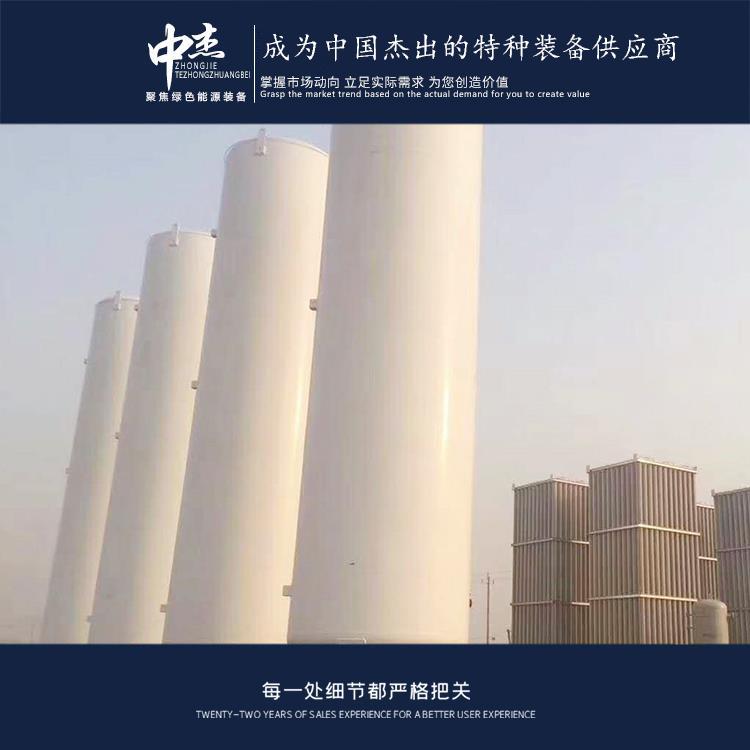
The advantages of using liquid nitrogen storage tanks in rapid freezing technology include:
Rapid Freezing Speed: Liquid nitrogen has a low temperature of approximately -196 degrees Celsius. Using a liquid nitrogen tank for quick freezing can rapidly lower the surface temperature of food, achieving fast freezing. Compared to traditional freezing methods, liquid nitrogen freezing can significantly reduce freezing time while preserving the quality and texture of the food.
Uniform freezing effect: The liquid nitrogen rapid freezing technique achieves fast and even freezing of food. Liquid nitrogen is喷射 onto the food surface in a gaseous form, quickly absorbing heat and turning into a liquid, thereby ensuring even freezing of the food and avoiding crystallization and clumping during the freezing process.
Maintain Food Quality: Quick-freezing with liquid nitrogen rapidly chills food, reducing crystallization and clumping during the freezing process, thereby preserving the quality and texture of the food. During the quick-freezing process, liquid nitrogen swiftly lowers the surface temperature of the food, forming tiny frozen structures that effectively retain the food's moisture and nutrients.
Flexibility and Adaptability: Liquid nitrogen tanks can be adjusted and controlled according to different types of food and freezing requirements. The injection speed and angle of liquid nitrogen can be adjusted based on the size, shape, and freezing needs of the food to achieve optimal freezing results.
Environmental Protection and Energy Saving: Liquid nitrogen rapid freezing technology is more energy and resource-efficient compared to traditional freezing methods. Liquid nitrogen evaporates quickly during the freezing process, causing environmental pollution and generating waste water and gas.
Note that when using liquid nitrogen tanks for flash freezing, it is essential to adhere to the relevant safety operation procedures and guidelines. Ensure that operators possess the necessary safety awareness and operational skills to prevent accidental incidents. Additionally, consult
Our company places great emphasis on technological innovation and R&D design. We possess one city-level enterprise technology center in Heze City, and have established testing facilities for non-destructive testing, physical and chemical testing, welding testing, hydrostatic testing, etc. We are equipped with over 600 types of instruments and equipment, including CNC machine tools, X-ray flaw detectors, digital ultrasonic flaw detectors, mechanical property testing machines, chemical analyzers, spectrometers, tensile testing machines, plasma welding machines, and more. The key products we have developed, such as welding technology for temperature and pressure vessels, emission reduction of biomass boilers, and waste heat utilization, have successively been included in multiple Shandong Provincial Department of Industry and Information Technology innovation projects, Shandong key projects, and Heze City innovative and excellent projects. We have accumulated 27 authorized utility model patents, 16 authorized invention patents, participated in drafting 2 standards, 2 industry standards, and registered 15 trademarks. Our technical team, in collaboration with Professor Li Yajiang of Shandong University, has jointly developed deep cryogenic vessel processing technology, which utilizes the internationally recognized plasma arc + wire filling argon arc welding (PAW-GTAW) technology. The provincial-level scientific and technological achievement appraisal has determined that the technology level in the field of deep cryogenic vessel manufacturing has reached an international standard. Choose ZJ Special Equipment, and let's create brilliance together!
抚顺低温液氧储罐 生产厂家
