


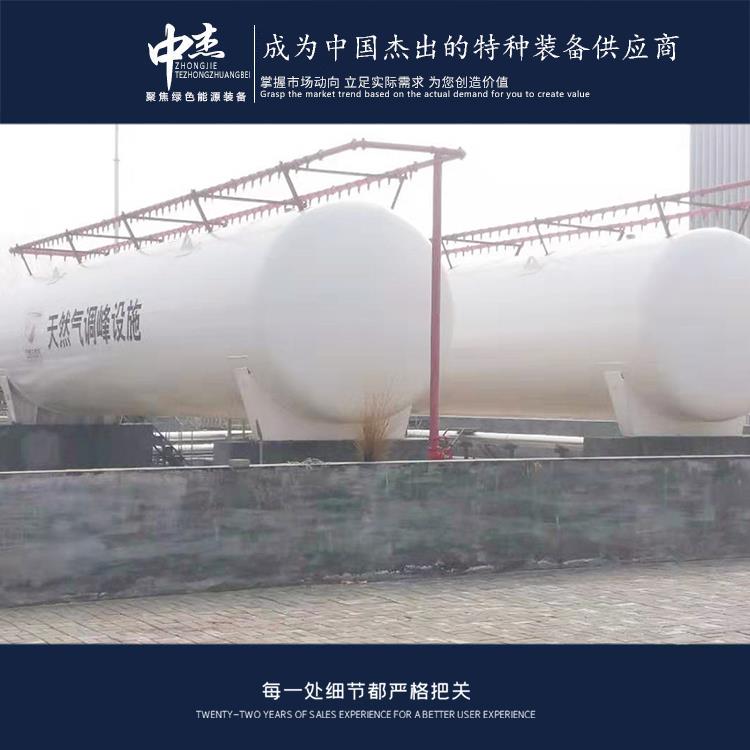
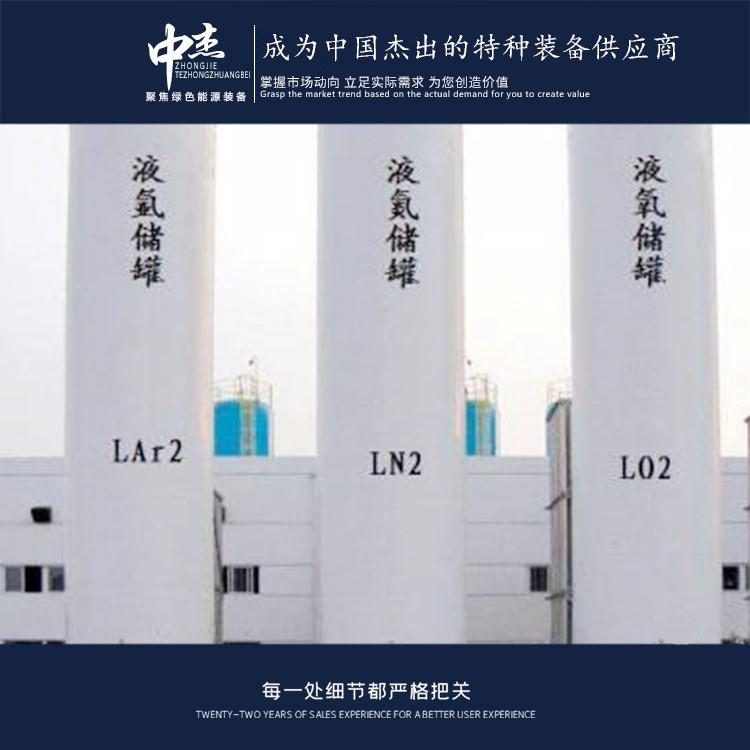
Shandong Zhongjie Special Equipment (formerly Heze Boiler Factory Co., Ltd.) was established in 2001, located at No. 2218 Jinnan Road, Development Zone, Heze City, with a registered capital of 50 million yuan and total assets of 500 million yuan. The company has 7 business centers: boilers, deep-freezing vessels, pressure vessels, central air conditioning, engineering installation, international trade, and the Internet of Things. It has three factory sites on Jinnan Road, East Changjiang Road, and Bohai Road, covering a total of 200,000 square meters. The main workshop spans 83,000 square meters. There are currently 710 employees, including 247 engineering and technical personnel and 82 middle-level technicians. In December 2016, it was recognized as a "High-Tech Enterprise" by the Science and Technology Department. In June 2021, it was identified as a "Specialized and New Enterprise in Shandong Province" by the Ministry of Industry and Information Technology. In June 2022, it was recognized as a "Gazelle Enterprise in Shandong Province" and in August 2022, it was identified as a "Specialized and New Small Giant Enterprise" by the Ministry of Industry and Information Technology.
Urea synthesis from carbon dioxide is a significant chemical reaction with several applications:
- Urea Production: Urea is a vital nitrogen fertilizer and chemical, widely used in both agricultural and industrial sectors. The synthesis of urea from carbon dioxide is one of the commonly used methods for producing urea. In this process, carbon dioxide reacts under high temperature and pressure conditions to form urea. This method utilizes carbon dioxide resources, reducing reliance on fossil fuels used in traditional urea production methods.
- Urea Fuel: Urea can also serve as a urea fuel for internal combustion engines and combustion equipment. By heating and decomposing urea, it releases energy, which then reacts with oxygen in the air to produce combustion heat. This combustion process only produces water vapor and nitrogen as by-products, reducing environmental pollution.
- Chemical Synthesis: Urea is an essential raw material for the synthesis of many chemicals. The synthesis of urea from carbon dioxide provides a sustainable supply of urea for the chemical industry, used in the production of other chemicals, such as plastics, resins, coatings, etc.
- Energy Storage: Urea can also act as a medium for energy storage. By synthesizing urea from carbon dioxide, energy can be stored in the form of chemical bonds. When energy is needed, it can be released by decomposing urea, which then reacts with oxygen in the air to produce combustion heat and release stored energy.
The development of carbon dioxide synthesis urea technology aims to reduce dependence on fossil fuels used in traditional urea production methods, lower greenhouse gas emissions, and promote the development of sustainable agriculture and the chemical industry. However, this technology is still in continuous development and research, requiring further technical breakthroughs and practical verification to achieve large-scale application.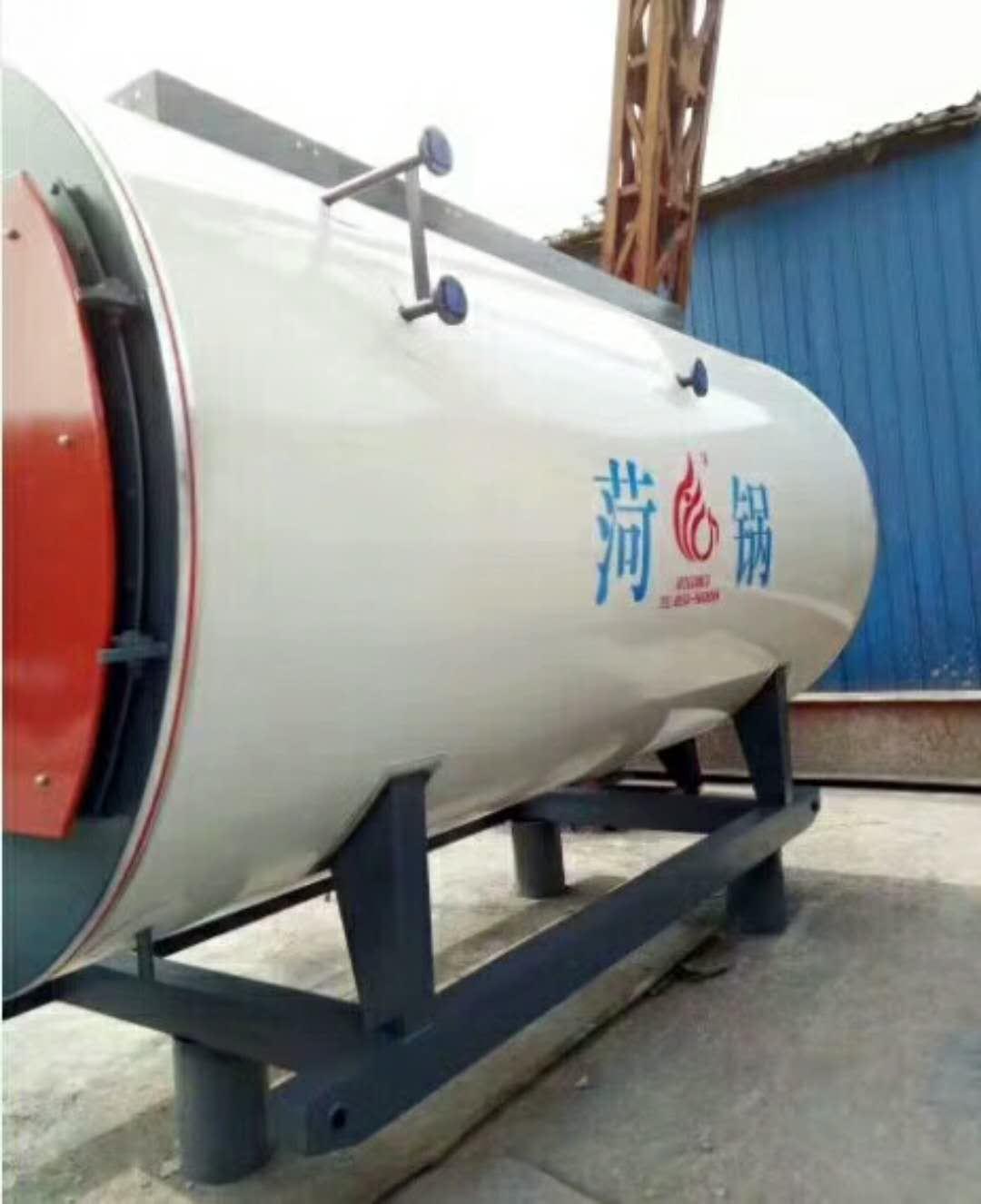
When planning carbon dioxide storage tanks, the following requirements should be considered:
- Safety Distance: Tanks should maintain adequate safety distances from surrounding buildings, equipment, and personnel to prevent injuries and losses in case of accidental incidents. Specific safety distance requirements can be stipulated according to local regulations and standards.
- Tank Capacity: Determine the tank's capacity based on actual needs and usage. The choice of capacity should consider factors such as the amount of CO2 used, storage duration, and supply requirements.
- Tank Layout: The layout should facilitate operation and maintenance while meeting safety and environmental protection requirements. Sufficient spacing between tanks should be ensured for ease of operation and maintenance.
- Tank Material: Choose appropriate materials for tank construction to ensure corrosion and pressure resistance. Common materials include carbon steel and stainless steel.
- Safety Equipment: Tanks should be equipped with necessary safety equipment, such as safety valves, pressure sensors, and temperature sensors, to ensure safe operation.
- Leak Protection: Measures should be taken to prevent CO2 leaks, such as sealed valves and leak detection systems. Corresponding leak handling measures and emergency response plans should also be in place.
- Environmental Impact Assessment: An environmental impact assessment should be conducted when planning tanks to evaluate their impact on the surrounding environment and implement corresponding measures for environmental protection.
- Regulations and Standards: Adhere to local regulations and standards when planning tanks, including building codes, safety regulations, and environmental protection requirements.
- Note: The planning of carbon dioxide storage tanks should be carried out by engineers or relevant agencies to ensure compliance with safety and environmental protection requirements. It is also necessary to consult local authorities for advice and guidance.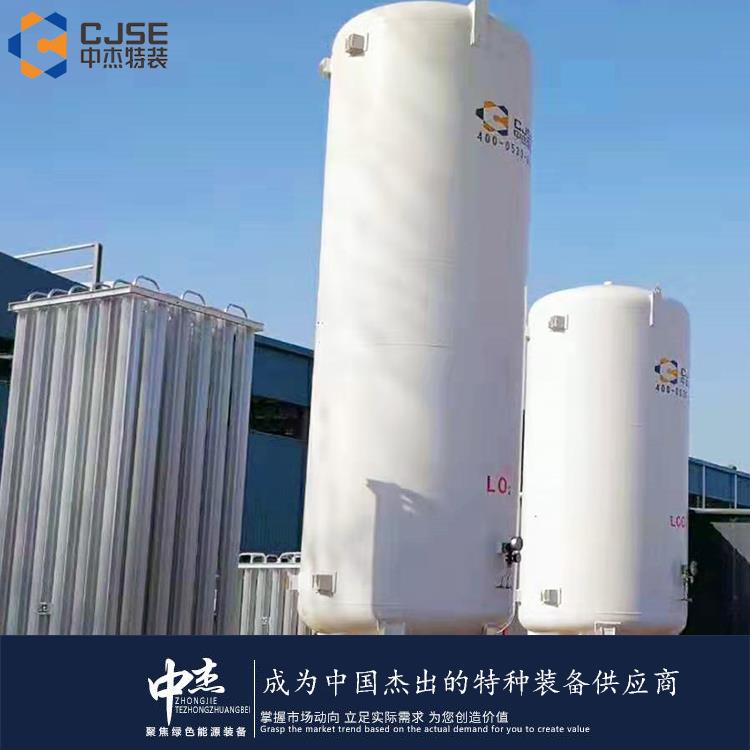
Carbon dioxide tanks are widely used in many different industries. Here are some common applications:
Food and Beverage Industry: Carbon dioxide tanks are utilized in the production process of carbonated beverages, beer, soda, and more. CO2 is injected into the drinks to enhance their fizz and flavor.
Industry: In the industry, carbon dioxide tanks are employed for applications such as anesthesia, respiratory, and emergency care. Liquid CO2 can be used to create refrigerants for freezing and preserving biological samples and tissues.
Fire Suppression: Carbon dioxide tanks are used in fire suppression systems in the fire safety field. CO2 is released at the scene of a fire to extinguish flames by suppressing oxygen supply.
Gas Supply: Carbon dioxide tanks also supply CO2 gas for industrial and commercial uses. These gases are applicable in welding, gas shielding, semiconductor manufacturing, water treatment, and more.
Climate Control: Carbon dioxide tanks are used in greenhouse and indoor plant cultivation to control and increase the CO2 concentration for plant growth.
Additionally, carbon dioxide tanks can be used in other industries such as the automotive industry (for airbag systems) and industry (for propellants and gas supply) among others.
It should be noted that different industries may have varying requirements and applications for carbon dioxide tanks. When using carbon dioxide tanks, it is essential to adhere to relevant regulations and standards, ensuring the design, manufacture, and use of the tanks meet the respective requirements.
Prior to using the CO2 storage tank, the following preparatory steps must be taken:
Safety Inspection: Conduct a safety check on the tank prior to use to ensure there are no evident damages, corrosion, or leakage issues. Inspect the tank's exterior, valves, and connecting pipes to ensure they are intact.
Tank Cleaning: Ensure the tank is clean both internally and externally. Remove any debris, dirt, and residues inside the tank to ensure no substances could potentially affect the quality or safety of the CO2.
Connecting Pipes: Check the connection between the tank and related pipes to ensure they are securely fastened and sealed properly. Verify the opening and closing status of valves and pipes to ensure they are in the correct position.
Pressure Check: Inspect the tank's pressure to ensure it is within the safe range. If necessary, use a pressure gauge or other pressure detection equipment for the check.
Ventilation and Safety Measures: Ensure adequate ventilation around the tank to prevent CO2 accumulation. During operation, follow relevant safety operation procedures and measures, such as wearing personal protective equipment and avoiding open flames.
Tank Labeling: Label the tank with relevant information, such as the type of stored gas, pressure rating, and capacity. This assists operators in correctly identifying and handling the tank.
Please note that these preparatory steps may vary depending on the specific tank type and usage scenario. Before using a CO2 storage tank, it is recommended to refer to the relevant safety operation manuals and guidelines to ensure safe and correct operation.
Zhongjie Special Equipment upholds the grand vision of "realizing employees' dreams, creating value for customers, and striving for the prosperity and strength of our motherland," and is dedicated to the development of the green energy equipment industry. We offer society high-quality products and services at competitive prices!
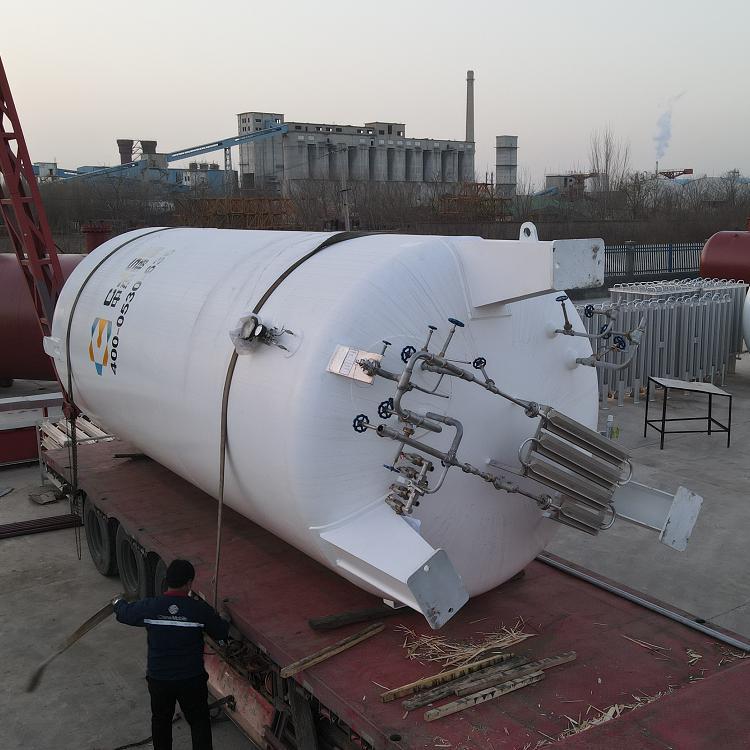
Xinyang 60 cubic CO2 storage tank, on-site installation
