


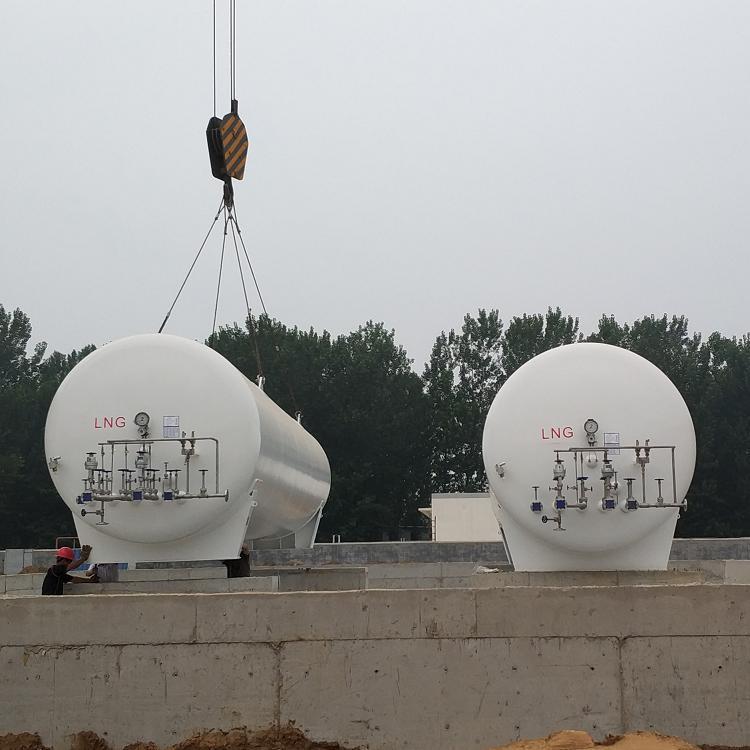
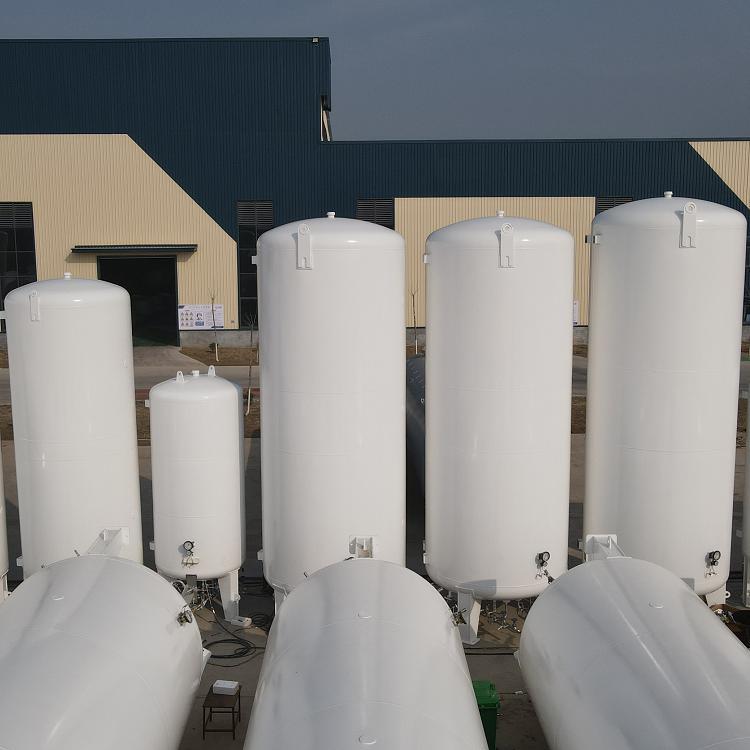
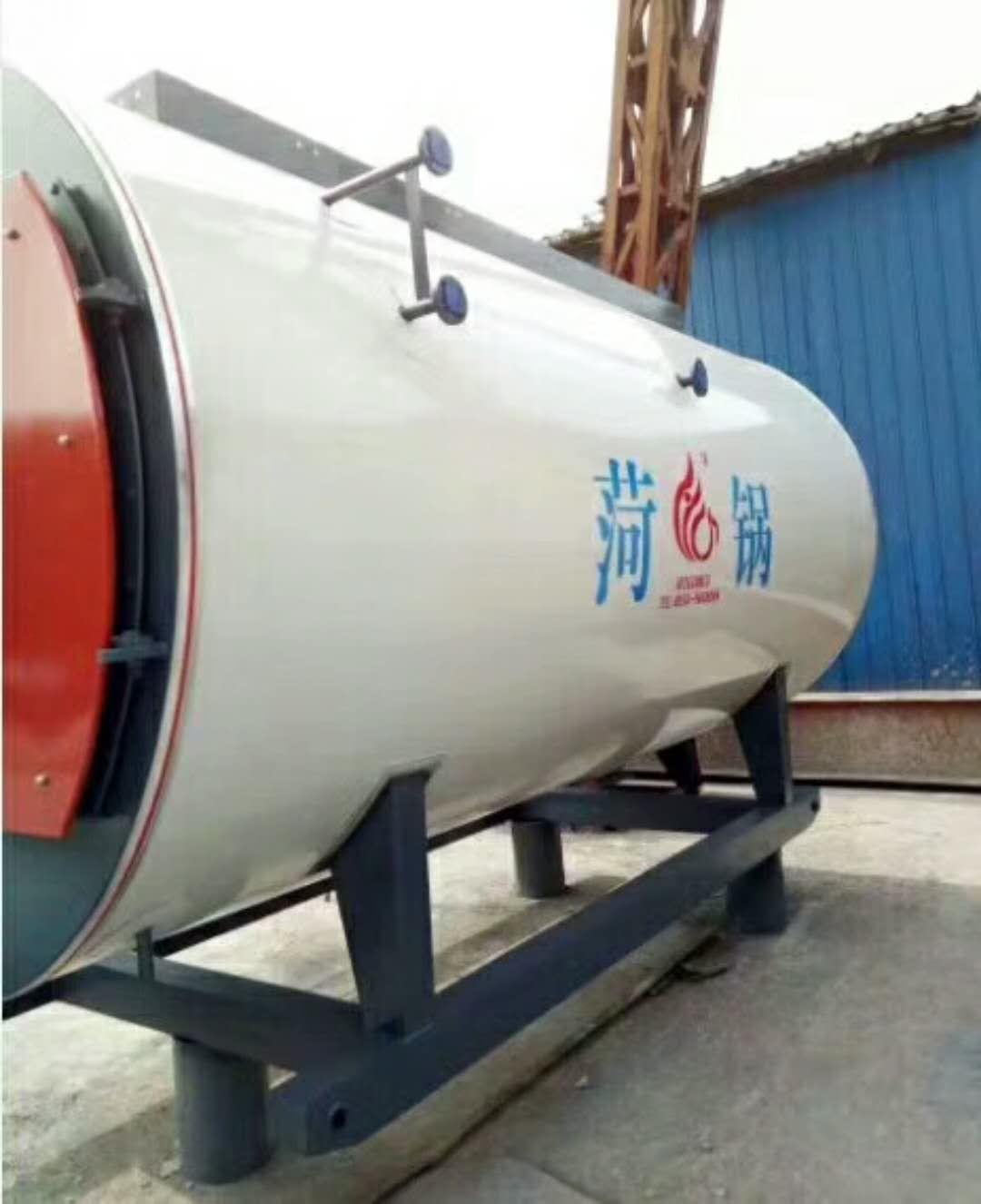
Shandong Zhongjie Special Equipment Co., Ltd. specializes in the following products: fuel (gas) boilers, organic heat carrier boilers, biomass boilers, waste heat recovery boilers, and other boiler products; vacuum insulation cryogenic pressure vessels such as LNG tanks, oxygen/nitrogen/argon tanks, and CO2 tanks; pressure vessel products including denitrification engineering equipment, heat storage and energy storage equipment, and complete chemical equipment sets; central air conditioning and HVAC equipment such as ground (water) source heat pumps, air source units, water-cooled screw units, and air-cooled modular units. Planned products include large-scale energy centers, LNG transport vehicles, LNG tank containers, and other green energy equipment.
In daily operation, carbon dioxide storage tanks require protection and maintenance to ensure proper functioning and safety. Here are some common protection and maintenance methods:
- Visual Inspection: Regularly check the tank's exterior for signs of corrosion, wear, and cracks. If any abnormalities are found, take prompt corrective actions.
- Sealing Integrity Check: Periodically inspect the tank's sealing performance, particularly at valves, pipe connections, and the tank itself. Ensure there are no leaks, and promptly repair any found.
- Temperature Control: Maintain a suitable ambient temperature around the tank and implement appropriate insulation measures to ensure the tank's internal低温 state.
- Pressure Relief Device Inspection: Regularly check the tank's pressure relief devices, such as safety valves, to ensure they are functioning properly. Verify that the set pressure of the relief devices meets requirements and perform regular maintenance and replacements.
- Level Monitoring: Regularly monitor the tank's liquid level to ensure accurate measurements. If an abnormal level is detected, promptly investigate the cause and take appropriate actions.
- Regular Cleaning: Clean the tank's interior regularly to remove accumulated impurities and dirt. Pay attention to safety during cleaning and avoid using flammable and corrosive substances.
- Regular Testing: Conduct regular pressure tests and leak detection on the tank to ensure its safety performance meets requirements. The frequency and methods of testing should comply with relevant regulations and standards.
- Storage Capacity Control: Control the tank's storage capacity to prevent exceeding the rated capacity. Overfilling can lead to excessive tank pressure, increasing safety risks.
- Note: Specific protection and maintenance methods may vary depending on the type of tank and its application.
Carbon dioxide storage tanks are widely used in many industries. Here are some common industries with examples of carbon dioxide storage tank usage:
- Beverage and Food Industry: Carbon dioxide is used as a carbonating agent for beverages and food, for the production of sodas, beers, soft drinks, etc. Tanks are used for storing and supplying carbon dioxide to meet production line demands.
- Industry: Carbon dioxide has various applications in the industry, such as anesthesia, respiration, tissue freezing, etc. Tanks are used for storing and supplying medical-grade carbon dioxide to meet facility requirements.
- Fire Suppression: Carbon dioxide is extensively used in fire suppression systems, particularly in extinguishing electrical and sensitive equipment. Tanks are used for storing and supplying carbon dioxide for fire suppression.
- Gas Industry: Carbon dioxide is also a significant product in the gas industry, used in the manufacture of chemicals, metal processing, welding, gas shielding, etc. Tanks are used for storing and supplying industrial-grade carbon dioxide.
- Greenhouse Agriculture: Carbon dioxide can be used to promote plant growth in greenhouses, providing additional carbon dioxide concentration. Tanks are used to supply the required carbon dioxide for greenhouses.
- Automotive Industry: Carbon dioxide is used for tire inflation and airbag systems in vehicles. Tanks are used for storing and supplying carbon dioxide to meet the needs of vehicle manufacturing and maintenance.
These are just some common industry examples; in reality, carbon dioxide storage tanks have widespread applications in many other industries, such as chemicals and frozen food processing. Specific uses will vary depending on industry needs and application scenarios.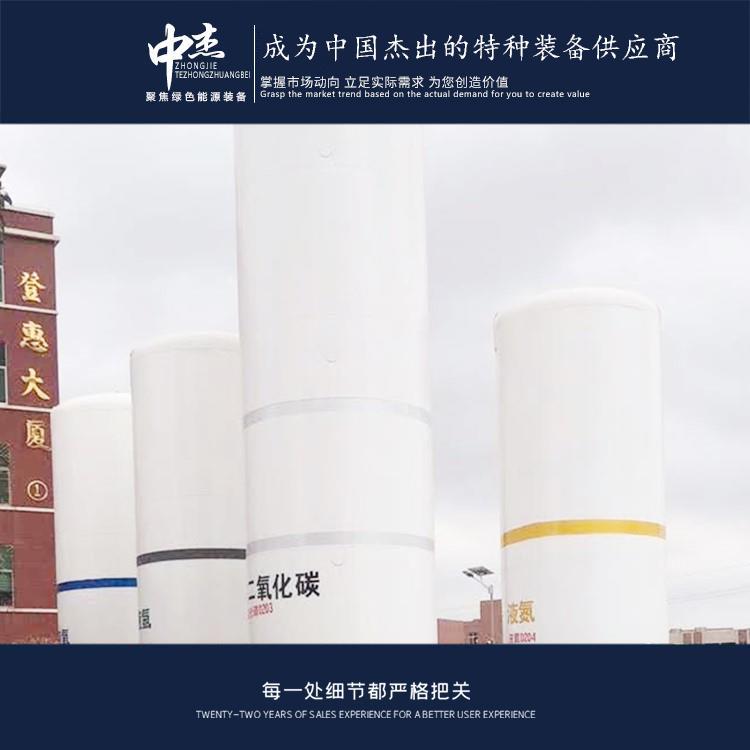
For accessories of carbon dioxide storage tanks, such as valves, pipes, and pressure relief devices, maintenance and protection are crucial. Here are some suggestions:
Regular Inspections: Conduct regular checks on the appearance and operational status of the accessories to ensure there are no damages, loose parts, or leaks. Pay special attention to the sealing performance and operational flexibility of valves.
Cleaning and Maintenance: Regularly clean the accessories, removing dirt and impurities from the surface. Use appropriate cleaning agents and tools, avoiding corrosive substances.
Lubrication Maintenance: For accessories requiring lubrication, such as valve pistons and rods, perform regular lubrication maintenance. Use suitable lubricants to ensure the normal operation and sealing performance of the valves.
Sealing Inspection: Regularly check the sealing performance of the accessories, such as the seals and sealing surfaces of valves. Replace any damaged or aged sealing parts promptly.
Corrosion Protection: For accessories prone to corrosion, such as pipes and valves, take corrosion protection measures, such as applying anti-corrosion coatings or wrapping with anti-corrosion materials.
Regular Calibration: Calibrate measuring devices such as level sensors and pressure sensors regularly to ensure their accuracy and reliability.
Regular Maintenance: Develop a regular maintenance plan based on the usage and requirements of the accessories, including cleaning, lubrication, and inspections, to ensure long-term stable operation.
Storage and Transportation Precautions: For spare or replacement accessories, pay attention to moisture-proof, shockproof, and damage-proof during storage and transportation to avoid affecting their normal use.
The above suggestions are for the maintenance and protection of carbon dioxide storage tank accessories. Specific operations should be based on the characteristics and requirements of the accessories and in accordance with relevant regulations.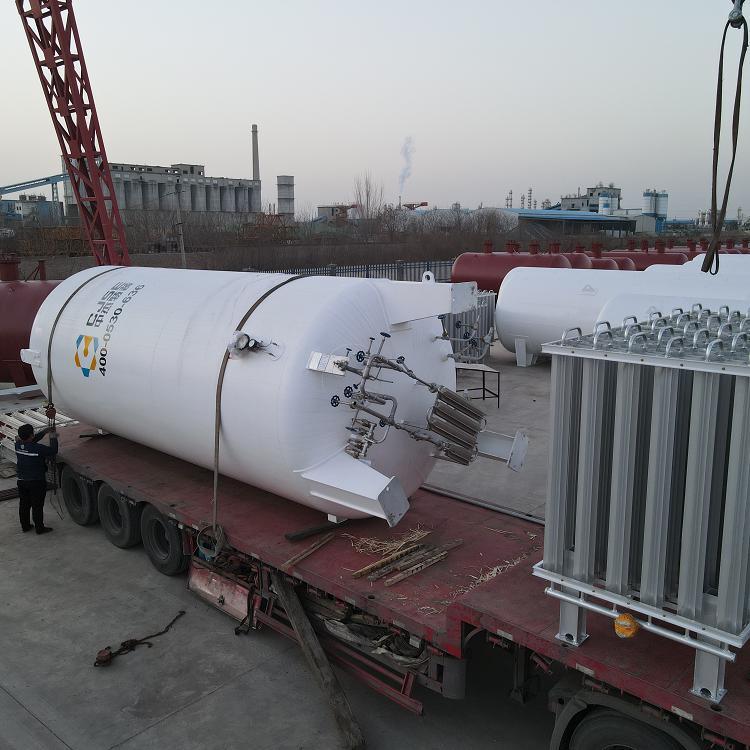
A Carbon Dioxide Storage Tank Pressure Maintenance System is a system designed to maintain the internal pressure of a carbon dioxide storage tank. As carbon dioxide is a gas at room temperature, it needs to be compressed into a liquid state during storage to increase density. The primary function of the pressure maintenance system is to monitor and regulate the internal pressure of the tank, ensuring that the carbon dioxide remains within a safe and stable pressure range. The system typically consists of the following components:
- Pressure Sensors: Installed inside the tank, they monitor the pressure in real-time and transmit pressure signals to the control system.
- Control System: Receives signals from the pressure sensors and controls the tank based on a predefined pressure range. When the tank's pressure exceeds or falls below the set range, the control system triggers corresponding control measures.
- Pressure Regulating Valve: Adjusts the pressure inside the tank according to the control system's instructions. When pressure is too high, the valve opens to release some gas to lower the pressure. When pressure is too low, the valve closes to prevent further gas release, increasing the pressure.
- Pressure Reserve Device: Usually a pressure vessel used to store additional gas for providing extra pressure support when needed. When the tank's pressure drops, the reserve device releases gas to maintain the pressure inside the tank.
Through the coordinated work of these components, the Carbon Dioxide Storage Tank Pressure Maintenance System ensures that the pressure within the tank remains safe and stable. This is crucial for the normal operation and safety of the tank.
Our company attaches great importance to technological innovation and R&D design, boasting one municipal enterprise technology center in Heze City. We have established testing facilities for non-destructive testing, physical and chemical testing, welding testing, hydrostatic testing, and more. We are equipped with over 600 pieces of various instruments and equipment, including CNC machine tools, X-ray flaw detectors, digital ultrasonic flaw detectors, mechanical property testing machines, chemical analyzers, spectrometers, tensile testing machines, and plasma welding machines. The key products we have developed, such as temperature-pressure vessels for welding, biomass boiler emission reduction, and waste heat utilization, have successively been shortlisted for multiple Shandong Province Ministry of Industry and Information Technology science and technology innovation projects, key projects in Shandong Province, and Heze City innovation and excellence projects. We have cumulatively obtained 27 authorized utility model patents, 16 authorized invention patents, participated in drafting 2 standards, 2 industrial standards, and registered 15 trademarks. Our technical team, in collaboration with Professor Yajiang Li from Shandong University, has developed deep cryogenic container processing technology, utilizing the internationally recognized plasma arc + filler wire tungsten inert gas arc welding (PAW-GTAW) technology. After provincial scientific and technological achievement assessment, the technology level has reached international standards in the field of deep cryogenic container manufacturing. Choose ZJ Special Equipment, and let's create brilliance together!
Xinyang 10 cubic CO2 storage tank, manufacturer
