


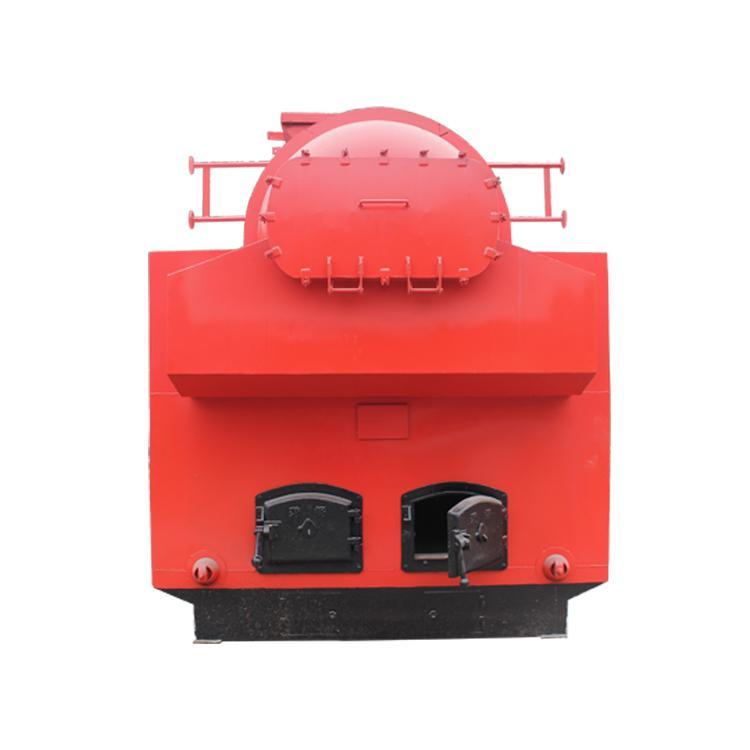
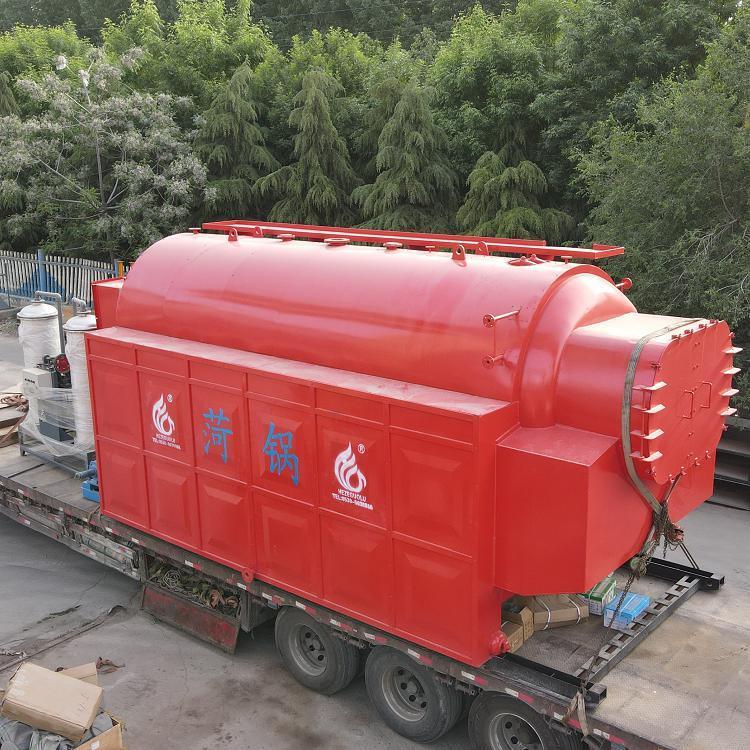
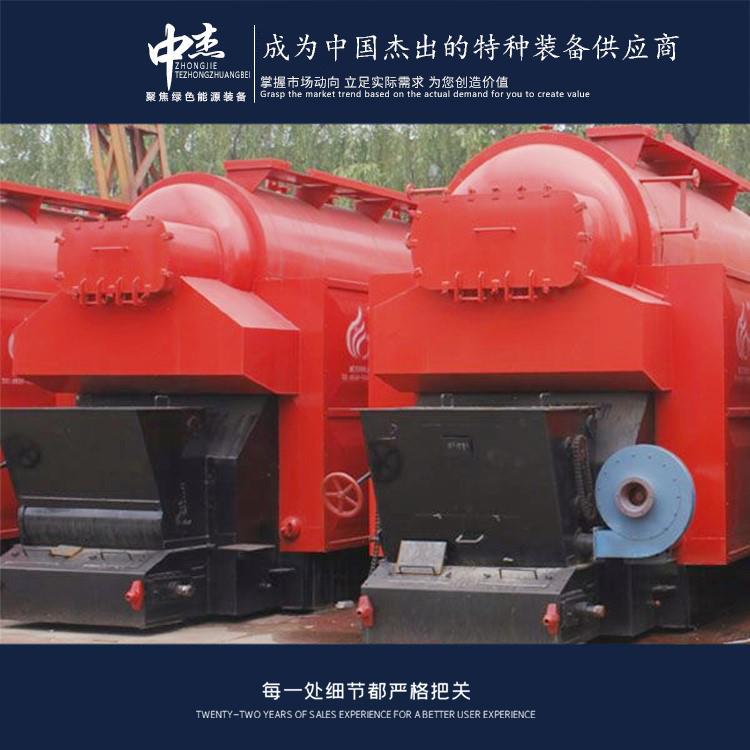
Shandong Zhongjie Special Equipment (formerly Heze Boiler Factory Co., Ltd.) was established in 2001, located at No. 2218 Jinnan Road, Economic and Technological Development Zone, Heze City. With a registered capital of 50 million yuan and total assets of 500 million yuan, the company has seven business centers: boilers, deep-freeze containers, pressure vessels, central air conditioning, engineering installation, international trade, and the Internet of Things. It has three factory sites on Jinnan Road, East Changjiang Road, and Bohai Road, covering a total area of 200,000 square meters, with the main workshop spanning 83,000 square meters. The company currently employs 710 staff, including 247 engineers and technicians and 82 intermediate-level technical personnel. In December 2016, it was recognized as a "High-tech Enterprise" by the Science and Technology Department. In June 2021, it was identified as a "Specialized and New Enterprise in Shandong Province" by the Ministry of Industry and Information Technology. In June 2022, it was recognized as a "Gazelle Enterprise in Shandong Province" and in August 2022, as a "Specialized and New Small Giant Enterprise" by the Ministry of Industry and Information Technology.
In the technical aspect of biomass boilers, the following three issues need to be addressed with emphasis:
Enhanced Combustion Efficiency: Biomass fuel has characteristics different from traditional fossil fuels, which easily produces particulates like straw and wood chips during combustion, leading to lower efficiency. Therefore, it is necessary to develop and improve combustion systems, optimize the combustion process, enhance efficiency, and reduce energy waste.
High-Temperature Corrosion Issues: Ash and elements like chlorine in biomass fuel tend to cause corrosion at high temperatures, damaging the metal components of boilers. To address high-temperature corrosion, it is necessary to develop and apply corrosion-resistant materials, control combustion conditions, and minimize corrosion occurrences.
Ash handling and utilization: Biomass fuel combustion generates a large amount of ash, including waste, ash content, and unburned materials. The handling and disposal of ash is a significant issue, requiring the development and application of ash handling technologies, including ash recycling, resource utilization, and chemical treatment.
By addressing these three issues, we can further enhance the combustion efficiency of biomass boilers, reduce corrosion risks, effectively process and utilize ash and slag, and promote the sustainable development of biomass energy.
Biomass boilers and coal-fired boilers differ in terms of fuel, environmental performance, and sustainability.
Fuel Type: Biomass boilers utilize renewable biomass fuel such as wood chips and straw, whereas coal-fired boilers use fossil fuels like coal. Biomass fuel is renewable and low in carbon, while coal is a finite resource that, when burned, produces a large amount of carbon dioxide and other pollutants.
Environmental Performance: Biomass boiler combustion emits relatively fewer pollutants, such as carbon dioxide, nitrogen oxides, and particulates. In contrast, coal-fired boilers produce a higher amount of pollutants during combustion, including nitrogen oxides, particulates, and heavy metals, which have a significant impact on atmospheric environment and human health.
Sustainability: Biomass fuel is a renewable resource that can be sustainably cultivated and recycled through regenerative cycles. Coal, on the other hand, is a finite resource, and mining and burning it can cause environmental damage.
Fuel Efficiency: The combustion efficiency of biomass boilers is relatively low due to the complex chemical and physical properties of biomass fuel, which tends to produce more ash and carbon buildup during combustion. In contrast, coal-fired boilers have a higher combustion efficiency, as coal fuel has a more stable chemical composition, leading to a more complete combustion process.
Technical Requirements: Biomass boiler compared to coal-fired boiler
The air regulator of biomass hot water boilers can be improved in terms of the following structural aspects to enhance its performance:
Material Selection: The construction of the air control door should be made from materials that can withstand high temperatures and corrosion, such as stainless steel or heat-resistant alloys. This ensures the long-term stable operation of the air control door under high-temperature and corrosive environments.
Structural Design: The design of the air door should be rational, including the arrangement and connection of components such as the door panels, bearings, and transmission devices. The door panels should have good sealing performance to effectively control the flow of combustion air. The transmission device should be flexible and reliable, easy to operate and adjust.
Airflow Regulation: The design of the air regulating door should enable airflow adjustment. A design featuring adjustable door blade angles or openings can be used, regulating the air flow to the combustion by changing the blade's position or angle. Additionally, consider installing an airflow regulation device, such as an air flow meter or pressure sensor, to monitor and adjust the air flow to the combustion in real-time.
Temperature Control: For biomass hot water boilers, consider installing a temperature sensor near the air regulator to monitor the combustion chamber's temperature in real-time. Connected to the air regulator's control system, the sensor can automatically adjust the air regulator's opening based on temperature changes to maintain stable temperature within the combustion chamber.
Safety Protection: The construction of the wind control door should consider safety measures, such as installing overload protection devices or limit switches, to prevent the door from being opened or closed excessively, which may lead to unstable combustion or other safety issues.
Through the above structural improvements, the performance and reliability of biomass hot water boiler air adjustment doors can be enhanced, achieving better combustion air regulation, and improving the boiler's thermal efficiency and stability.
When using biomass boilers, here are some common usage methods and precautions:
Operation Manual: First, carefully read and understand the operation manual for the biomass boiler. The manual will provide detailed instructions and guidance on safe operation, ignition, fuel supply, and combustion adjustment.
Fuel Selection: Choose appropriate biomass fuels such as wood chips, straw, wheat straw, fruit shells, etc. Ensure the fuel quality is good, dry, and free of impurities to guarantee effective combustion and normal operation of the boiler.
Ignition Operation: Proceed with the ignition as per the manual's instructions. Typically, this involves activating the igniter or ignition device, ensuring a sufficient fuel supply, and adhering to safety operating procedures.
Fuel Adjustment: Adjust combustion parameters such as fuel supply, oxygen supply, and combustion temperature based on the boiler's operating status and requirements. Adjustments can be made according to the instructions in the operation manual, using the control panel or an automated control system.
Cleaning and Maintenance: Regularly clean and maintain biomass boilers, including the combustion chamber, flue, and heat exchanger components. Ensure the boiler's combustion efficiency and safety.
Safety Precautions: When using biomass boilers, please pay attention to the following safety measures: Ensure good ventilation around the boiler to prevent smoke accumulation from combustion; Regularly inspect and replace critical components such as burners and valves; Follow the safety operation procedures in the manual to avoid accidents caused by operational errors.
Please note that the above information is for general usage methods and precautions only; specific usage methods and operational details may vary depending on the model and manufacturer of the biomass boiler. Therefore, it is recommended to thoroughly read and follow the operation manual and guidelines provided by the manufacturer before using the biomass boiler.
Zhong Jie Special Equipment adheres to the grand vision of "realizing employees' dreams, creating value for customers, and striving for the prosperity and strength of our motherland," devoting itself to the development of the green energy equipment industry with high-quality and cost-effective products and services, contributing to society!
Taizhou Biomass Boiler Manufacturer, 304 Stainless Steel Material
