


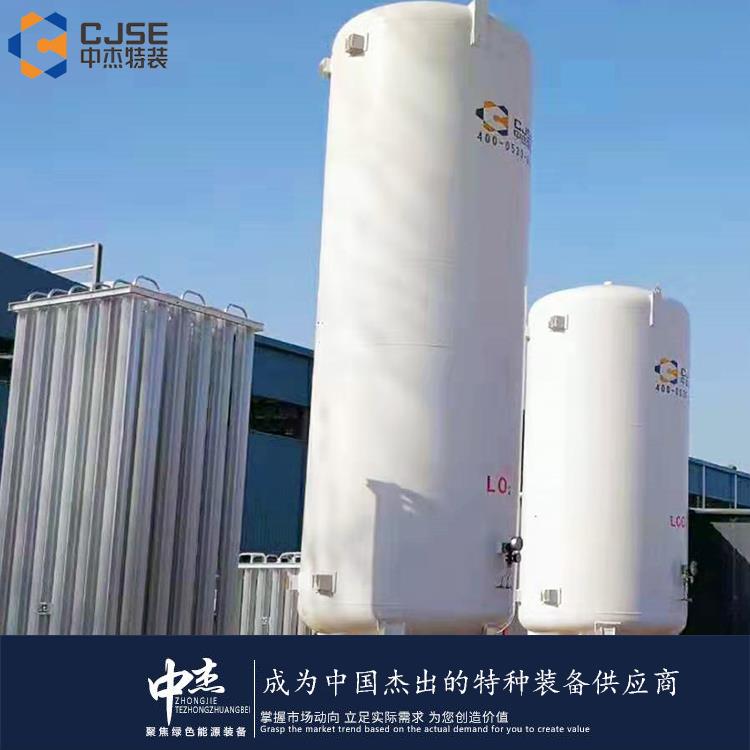
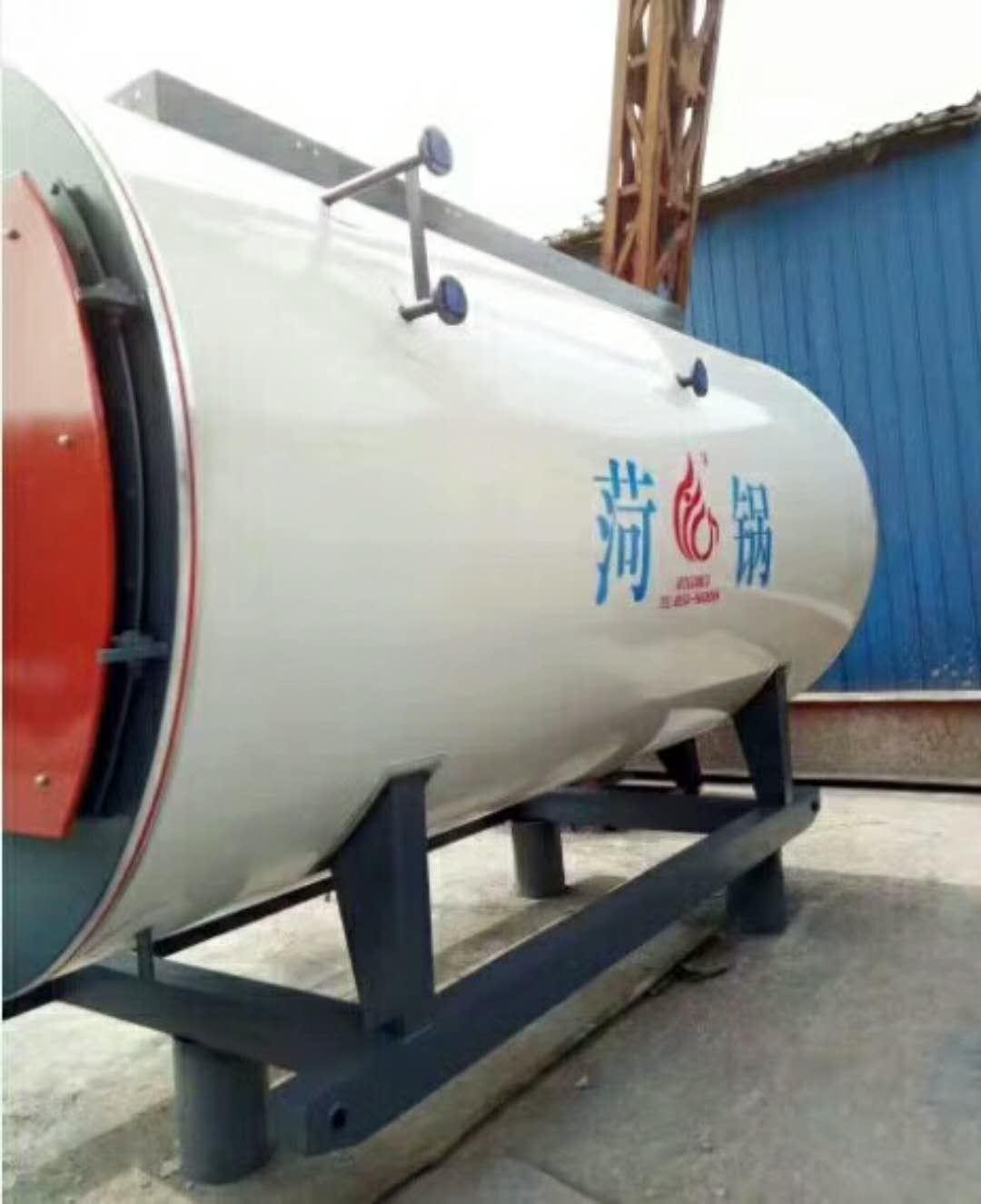
Shandong Zhongjie Special Equipment (formerly Heze Boiler Factory Co., Ltd.) holds an A-grade boiler manufacturing license, an A2-grade pressure vessel manufacturing license, an A2-grade pressure vessel design license, a B-grade boiler installation license, and GB2/Class, GC2/Class pressure pipeline installation licenses, as well as a mechanical and electrical equipment installation contracting qualification. It is a member of the China Boiler and Water Treatment Association, the China Chemical Equipment Association, and the council member of the Shandong Equipment Manufacturing Association. The company has also passed the ISO9001 Quality Management System, ISO14001 Environmental Management System, OHSAS18001 Occupational Health and Safety Management System certifications, and the American ASME/U2 certification.
Carbon dioxide cylinders are safe when used and maintained properly, but can pose some dangers if safety procedures are not followed or there are incorrect operations. Here are some potential hazards associated with carbon dioxide cylinders:
High-pressure hazard: Carbon dioxide cylinders are typically used to store high-pressure CO2 gas, thus posing a high-pressure risk. If the cylinder is damaged, overheated, or over-pressurized, it may explode or leak, causing personal injury and property damage.
Asphyxiation hazard: Carbon dioxide is an asphyxiating gas, and high concentrations can displace oxygen in the air, leading to asphyxiation. When using carbon dioxide cylinders in enclosed spaces, ensure adequate ventilation and oxygen supply to avoid asphyxiation hazards.
Chilling hazard: Liquid CO2 is very cold, and contact with it can cause cold injury. Follow proper operational procedures and use appropriate personal protective equipment to prevent cold injury.
Fire hazard: Although carbon dioxide itself is not flammable, it can suppress oxygen supply at high concentrations, potentially extinguishing fires. However, if CO2 leaks into the air, it may form flammable mixtures, increasing the risk of fire.
To ensure safety, adhere to relevant safety operating procedures and guidelines when using carbon dioxide cylinders and receive necessary training. Regularly inspect and maintain the cylinders, following the manufacturer's recommendations and local regulations to reduce potential hazards. In case of abnormal situations or leaks, take appropriate emergency measures immediately and notify relevant personnel.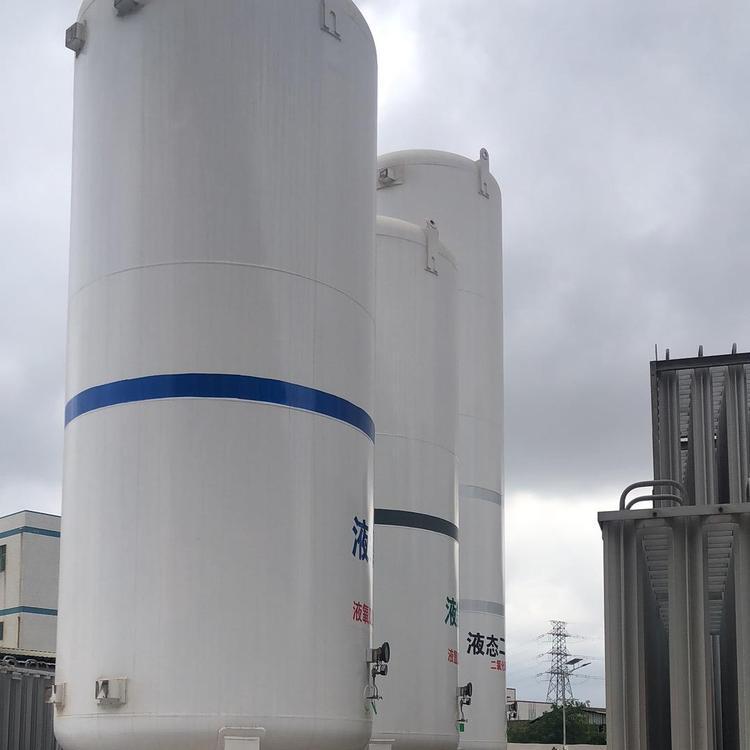
A Carbon Dioxide Storage Tank Pressure Maintenance System is a system designed to maintain the internal pressure of a CO2 storage tank. Since CO2 is a gas at room temperature, it needs to be compressed into a liquid state for storage to increase density. The primary function of the pressure maintenance system is to monitor and regulate the tank's internal pressure, ensuring CO2 remains within a safe and stable pressure range. The system typically consists of the following components:
- Pressure Sensors: Installed inside the tank, these sensors monitor the pressure in real-time and transmit pressure signals to the control system.
- Control System: Receives signals from the pressure sensors and controls them based on pre-set pressure ranges. When the tank's pressure exceeds or falls below the set range, the control system triggers appropriate control measures.
- Pressure Regulating Valve: Adjusts the pressure inside the tank according to the control system's instructions. When pressure is too high, the valve opens to release some gas to lower the pressure. When pressure is too low, the valve closes to prevent further gas release, thereby increasing the pressure.
- Pressure Reserve Device: Usually a pressure vessel used to store additional gas for providing extra pressure support as needed. When the tank's pressure drops, the reserve device releases gas to maintain the tank's pressure.
Through the coordinated work of these components, the CO2 Storage Tank Pressure Maintenance System ensures that the pressure inside the tank remains within a safe and stable range. This is crucial for the normal operation and safety of the tank.
Low-temperature CO2 storage tanks are equipment used for storing and transporting low-temperature liquid CO2. Here are some key facts about low-temperature CO2 storage tanks:
- Tank Structure: These tanks typically have a double-walled design, with the inner wall for liquid CO2 storage and the outer wall for insulation. The interior is usually made of stainless steel or aluminum alloy, offering excellent corrosion resistance.
- Storage Temperature: The storage temperature for low-temperature CO2 tanks usually ranges from -40°C to -196°C, depending on specific application requirements. Temperature control is crucial for maintaining the stability and safety of the liquid CO2.
- Storage Capacity: The capacity of low-temperature CO2 storage tanks can be selected based on actual needs, generally ranging from a few thousand to tens of thousands of liters. The selection of capacity should consider storage needs, supply frequency, and space limitations.
- Safety Protection: Low-temperature CO2 storage tanks require safety protection devices such as pressure relief valves, pressure sensors, and temperature sensors to ensure internal pressure and temperature remain within safe limits.
- Transportation: These tanks can be transported via road, rail, or ship. Proper insulation measures must be taken during transportation to maintain the low-temperature state of the liquid CO2 inside.
- Safe Operation: Operation of low-temperature CO2 storage tanks requires training and adherence to relevant safety procedures. Operators should be familiar with the tank's characteristics and safety precautions to ensure safe and effective operation.
- Regular Inspections and Maintenance: Low-temperature CO2 storage tanks require regular inspections and maintenance, including visual inspections, valve and pipeline checks, and pressure relief device checks. Regular maintenance ensures normal operation and safety.
These are some of the key facts about low-temperature CO2 storage tanks. When using and operating these tanks, it is essential to follow relevant safety specifications and standards, and consult experts to ensure safety and effectiveness.
Standard parameters for carbon dioxide storage tanks can vary depending on design and application requirements. Here are some common standard parameters:
- Tank Capacity: The capacity of carbon dioxide storage tanks is typically expressed in kiloliters (L) or cubic meters (m). Common capacity ranges vary from a few thousand to tens of thousands of liters.
- Working Pressure: The working pressure of carbon dioxide storage tanks is usually around 20 to 25 MPa (megapascals) at normal temperatures, with specific pressure determined by application needs and design standards.
- Design Temperature: The design temperature of carbon dioxide storage tanks is generally within the low-temperature range, usually between -40°C and -60°C, to accommodate the liquefaction and storage requirements of carbon dioxide.
- Material: Carbon dioxide storage tanks are commonly made of high-strength steel or alloy materials to withstand the stresses and loads under high pressure and low-temperature environments.
- Insulation Layer: The interior of the tank is equipped with an insulation layer to reduce heat conduction and liquid evaporation. The insulation layer typically features a multi-layer structure, including insulating materials and an external protective layer.
- Safety Valve and Pressure Relief Device: The tank is equipped with a safety valve and pressure relief device to control internal tank pressure and prevent overpressure and explosion.
- Level Monitoring and Control: The tank is fitted with level monitoring equipment to monitor the liquid level within the tank. Timely monitoring and control of the liquid level ensure the stored volume remains within a safe range.
Note that specific standard parameters for carbon dioxide storage tanks may vary due to different design standards, application requirements, and manufacturers. When selecting and using carbon dioxide storage tanks, it is important to consider these factors.
Our company attaches great importance to technological innovation and research and development. We have one municipal enterprise technology center in Heze City, with testing facilities for non-destructive testing, physical and chemical testing, welding testing, hydrostatic testing, etc. We are equipped with over 600 instruments and equipment, including CNC machine tools, X-ray flaw detectors, digital ultrasonic flaw detectors, mechanical property testing machines, chemical analyzers, spectrometers, tensile testing machines, plasma welding machines, and more. Our key products and technologies, such as thermal pressure vessel welding, biomass boiler emission reduction, and waste heat utilization, have successively been selected for multiple Shandong Provincial Department of Industry and Information Technology science and technology innovation projects, key projects in Shandong Province, and Heze City innovative and excellent projects, etc. We have accumulated a total of 27 authorized utility models, 16 authorized inventions, participated in drafting 2 standards, 2 industry standards, and registered 15 trademarks. The technical team of our company, in collaboration with Professor Yajiang Li of Shandong University, has jointly developed deep cryogenic container processing technology, utilizing the international plasma arc + filler wire argon arc welding (PAW-GTAW) technology. After the provincial scientific and technological achievement evaluation, the technical level has reached the international standard in the field of deep cryogenic container manufacturing. Choose Zhongjie Special Equipment, and let's create brilliance together!
HuaiBei 10 cubic CO2 storage tank, comprehensive after-sales service
