


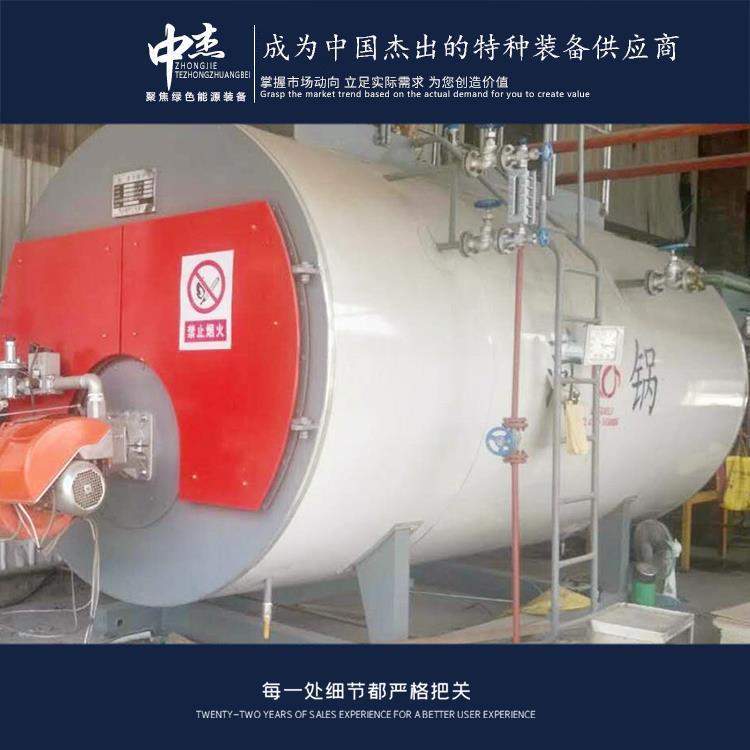
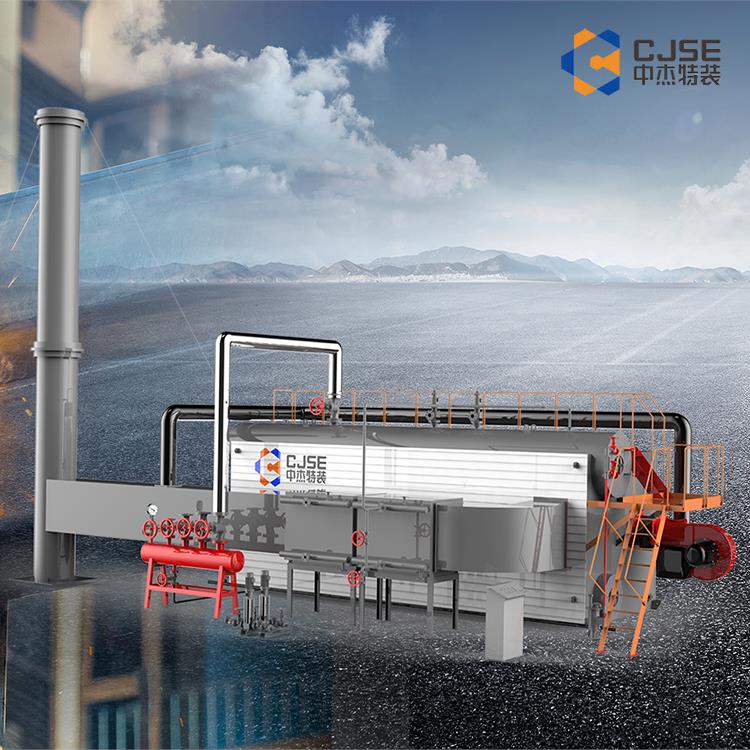
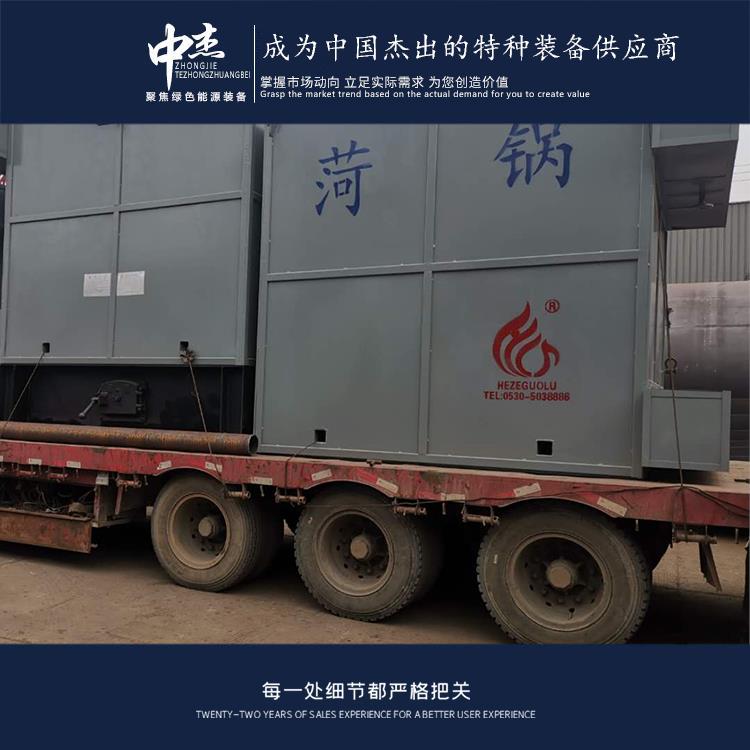
Shandong Zhongjie Special Equipment (formerly Heze Boiler Factory Co., Ltd.) holds an A-grade boiler manufacturing license, an A2-grade pressure vessel manufacturing license, an A2-grade pressure vessel design license, a B-grade boiler installation license, and GB2/Class, GC2/Class pressure pipeline installation licenses, as well as a mechanical and electrical equipment installation contracting qualification. It is a member of the China Boiler and Water Treatment Association, the China Chemical Equipment Association, and the council member of the Shandong Equipment Manufacturing Association. The company has also passed the ISO9001 Quality Management System, ISO14001 Environmental Management System, OHSAS18001 Occupational Health and Safety Management System certifications, and the American ASME/U2 certification.
Prior to ignition, the preparation of the steam boiler involves the following steps: Clean the boiler: First, you need to clean the dirt and impurities from the inside and outside of the boiler. Remove ash, sediments, and dirt inside the boiler to ensure efficient combustion and heat exchange. Check fuel supply: Inspect the fuel supply system to ensure a smooth flow of fuel. Examine the fuel storage, transport pipelines, and filters, clear blockages, and replace damaged parts. Inspect the burner: Check the operating condition and cleanliness of the burner. Clean the burner's nozzle and flame detector to ensure normal operation of the burner. Inspect the gas system: If it's a gas boiler, inspect the gas supply system. Check the gas pipelines, valves, and pressure regulators to ensure safe and stable gas supply. Check water level and pressure: Inspect the boiler's water level and pressure. Ensure the water level is within the normal range, and pressure is stable and meets requirements. Add water and adjust pressure if necessary. Check safety devices: Inspect the boiler's safety devices, such as safety valves, pressure switches, and water level controllers. Ensure these safety devices are working normally to guarantee safe boiler operation. Prepare ignition tools: Prepare the tools and equipment needed for ignition, such as matchsticks, igniters, etc. Ensure these tools operate normally and are safe. When performing the above preparation tasks, follow relevant operational procedures and safety requirements to ensure the safety and effectiveness of the work. If unsure about how to prepare, it is recommended to consult with experts or seek advice from the boiler manufacturer.
The main benefits of installing expansion tanks in a thermal oil furnace include:
- Alleviating thermal expansion and contraction: During operation, the thermal oil furnace experiences thermal expansion and contraction due to temperature changes. The expansion tank provides space for the thermal oil to expand, mitigating the impact of thermal expansion and contraction on equipment and pipelines, and preventing stress concentration and equipment deformation caused by it.
- Protecting equipment and pipelines: The expansion tank absorbs the expansion and contraction of the thermal oil, reducing shock and vibration on equipment and pipelines. This helps extend the service life of equipment and pipelines, reducing the frequency of maintenance and replacements.
- Reducing leakage risk: The expansion tank provides a sealed space, minimizing the risk of thermal oil leakage. When the thermal oil expands, excess oil can be accommodated through the expansion tank, preventing leaks and environmental pollution.
- Facilitating maintenance and repairs: The presence of the expansion tank makes maintenance and repairs of the thermal oil furnace system easier. When equipment or pipelines need to be repaired or replaced, the flow and shutdown of the thermal oil can be controlled through the expansion tank, reducing downtime and the difficulty of maintenance.
- In summary, the expansion tank plays a role in alleviating thermal expansion and contraction, protecting equipment and pipelines, reducing leakage risk, and facilitating maintenance and repairs in the thermal oil furnace system. It is an important design element that contributes to the safety and reliability of the thermal oil furnace system.
In industrial boiler systems, the key functional parameters of pumps include the following aspects:
Flow Rate: The flow rate of a pump refers to the volume of liquid pumped per unit of time. In industrial boilers, pumps need to provide sufficient flow rate to meet the water requirements of the boiler. The size of the flow rate depends on the rated evaporation capacity of the boiler and the design requirements of the circulating water system.
Head: The head of a pump refers to its ability to overcome the resistance of the liquid and lift it to a certain height. In industrial boilers, pumps must have adequate head to ensure water flows smoothly to all parts of the boiler, including the feed water and circulating water systems.
Power: The power of a pump is the electrical or mechanical energy required to drive the pump. In industrial boilers, the power of the pump must be determined based on the flow rate and head to meet the needs of the boiler system.
Efficiency: The efficiency of a pump is the ratio of the input energy to the output fluid energy. High-efficiency pumps can reduce energy consumption and operating costs. In industrial boilers, selecting high-efficiency pumps can improve the energy efficiency performance of the system.
Operational Stability and Reliability: Pumps in industrial boiler systems must have good operational stability and reliability. Pumps should be able to run stably for a long time, unaffected by external interference and fluctuations, and be adaptable to different operating conditions.
Pumps should be selected based on the specific industrial boiler system and design requirements, ensuring that the functional parameters meet the system's needs. Additionally, the selection and operation of pumps must comply with relevant standards and regulations to ensure safe and reliable operation.
The necessity of flow control in thermal oil heaters is primarily reflected in the following aspects:
1. Heat Transfer Efficiency: The heat transfer efficiency of thermal oil heaters is closely related to the flow rate of the thermal oil. An appropriate flow rate ensures that heat is fully transferred in the heat exchanger, enhancing the efficiency of heat utilization. An excessively low flow rate may result in insufficient heat exchange and affect the heat transfer effect, while an excessively high flow rate will increase energy consumption and operating costs.
2. Temperature Control: Flow control in thermal oil heaters is also closely related to temperature control. By adjusting the flow rate of the thermal oil, the temperature inside the furnace can be controlled, ensuring stable operation within the set working temperature range. An excessively low flow rate may lead to excessive temperatures, and an excessively high flow rate may result in low temperatures, both of which can affect the normal operation of the equipment.
3. System Stability: Appropriate flow rates of thermal oil can improve system stability. Through flow control, the supply and demand of heat can be balanced, avoiding overheating or undercooling and maintaining stable system operation. Stable operation helps to extend the service life of the equipment and reduce the frequency of failures and repairs.
4. Safety: Flow control in thermal oil heaters is also closely related to safety. Appropriate flow control can prevent excessive accumulation of thermal oil in the system, reducing the risk of leaks and explosions. Additionally, flow control can ensure that the system pressure remains within a safe range, avoiding overpressure and other safety issues.
In summary, flow control in thermal oil heaters is necessary for improving heat transfer efficiency, temperature control, system stability, and safety. Through reasonable flow control, the operation of thermal oil heaters can be optimized, energy utilization efficiency can be increased, operating costs can be reduced, and the safety and stable operation of the equipment can be ensured.
Shandong Zhongjie Special Equipment, welcome customers to visit our factory for business talks.
Putian 2-ton gas boiler
