


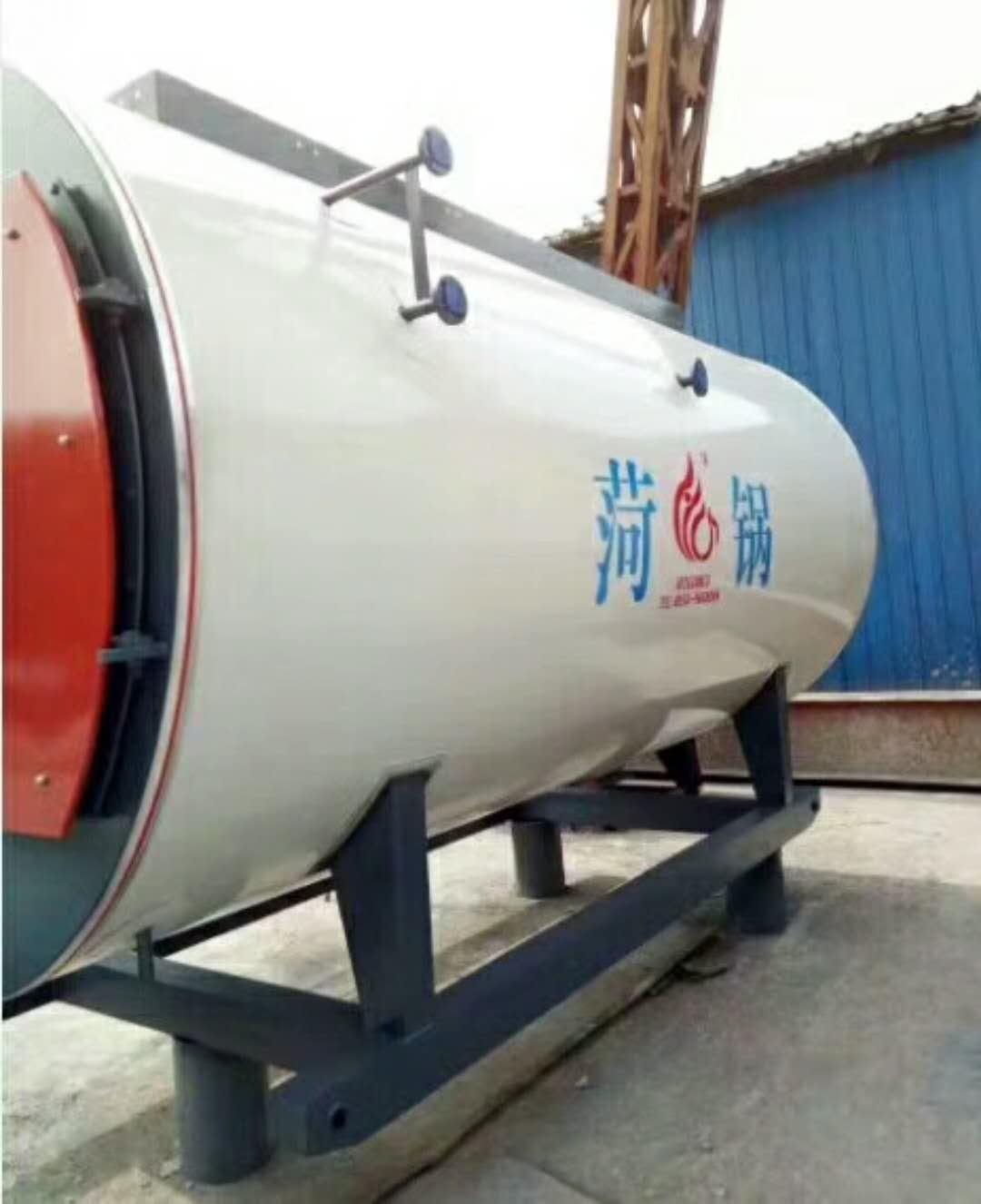
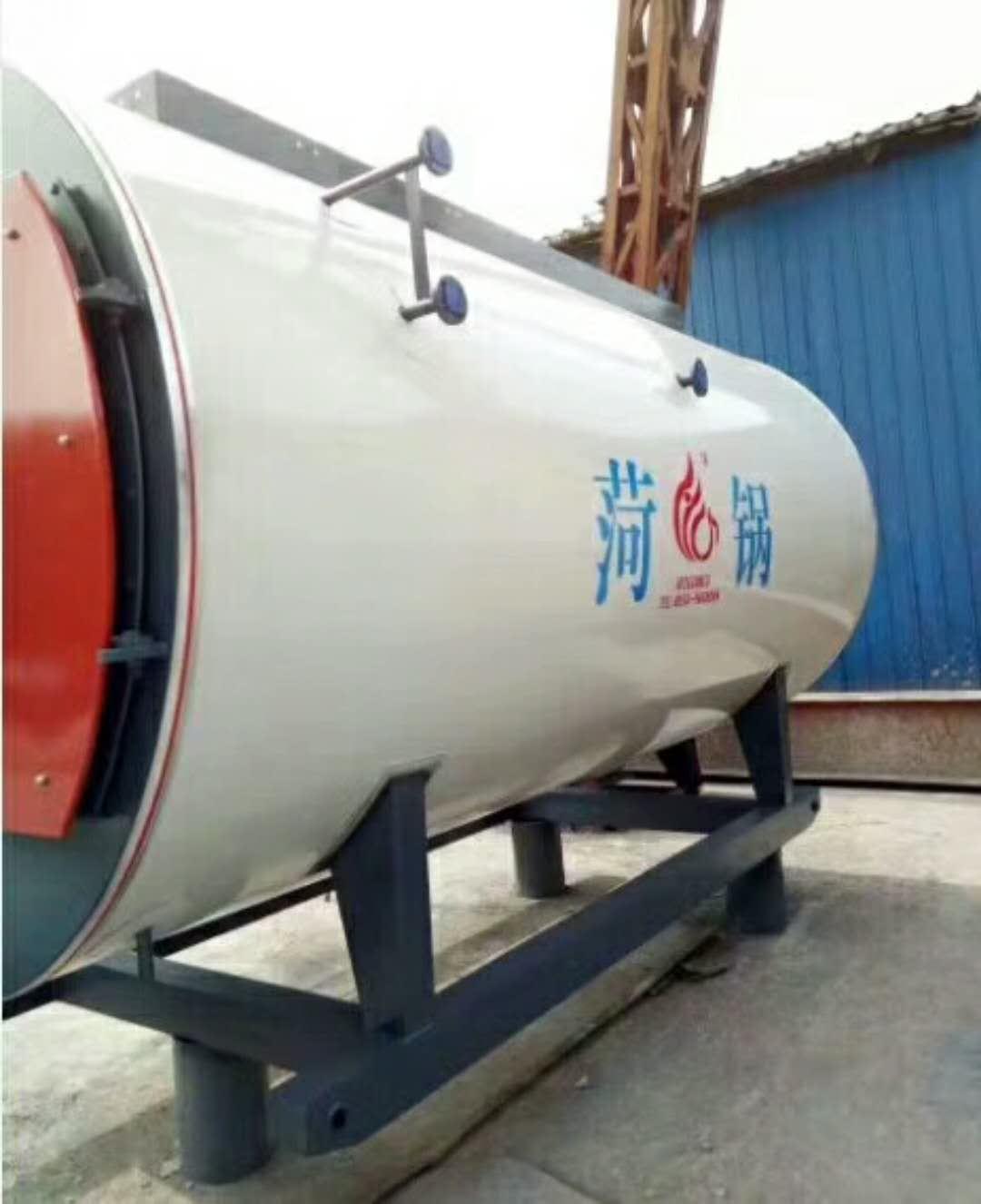
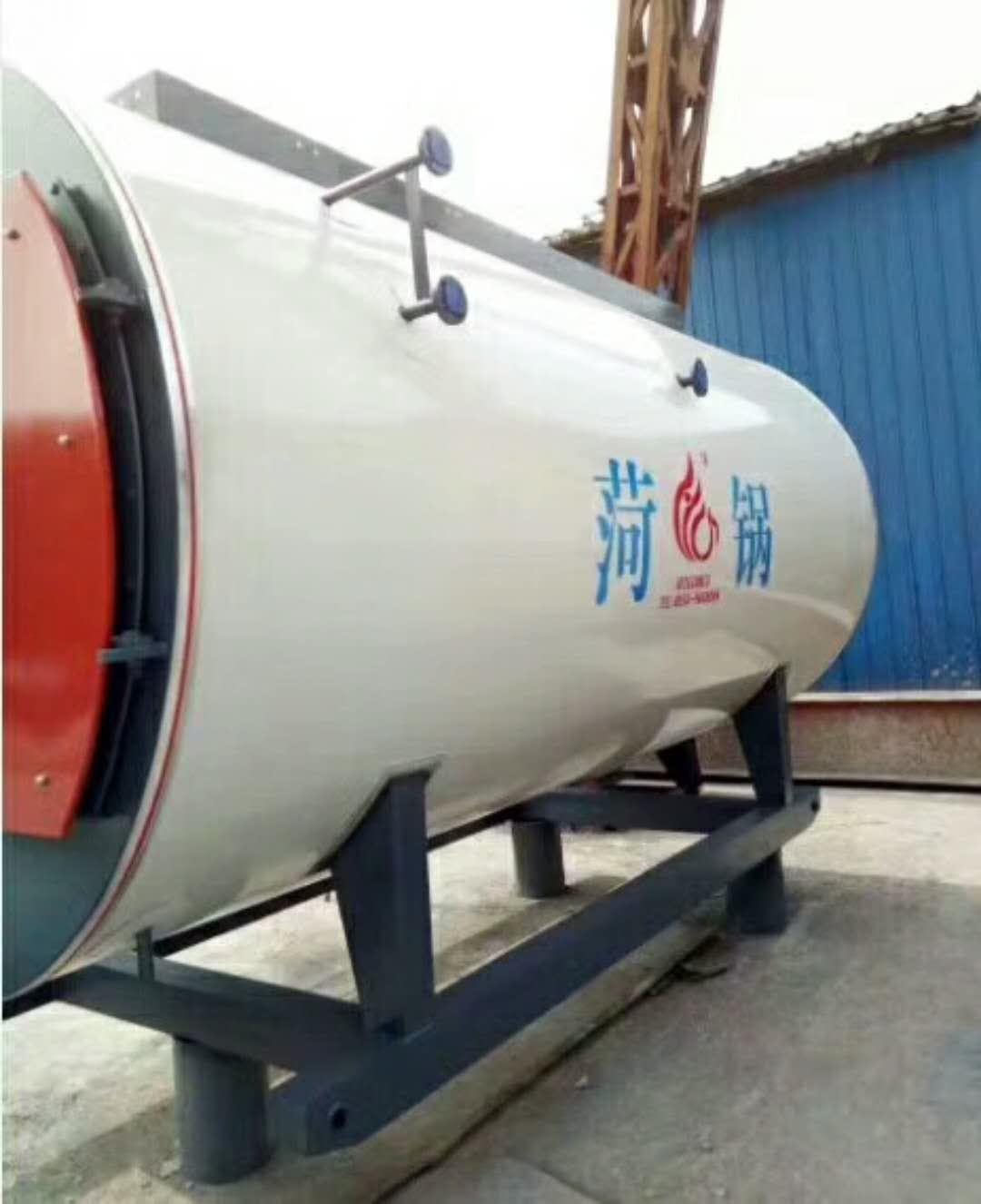
Shandong Zhongjie Special Equipment (formerly Heze Boiler Factory Co., Ltd.) holds an A-grade boiler manufacturing license, an A2-grade pressure vessel manufacturing license, an A2-grade pressure vessel design license, a B-grade boiler installation license, and GB2/Class and GC2/Class pressure pipeline installation licenses, as well as an equipment and machinery installation contracting qualification. It is a member of the China Boiler and Water Treatment Association, the China Chemical Equipment Association, and the理事 member of the Shandong Equipment Manufacturing Association. The company has also passed certifications for the ISO9001 Quality Management System, ISO14001 Environmental Management System, OHSAS18001 Occupational Health and Safety Management System, and the U.S. ASME/U2 certification.
To ensure the quality of liquid oxygen tanks, the following measures can be taken:
选择可靠的供应商:选择有资质和经验的储罐制造商或供应商,确保其具备良好的声誉和可靠的质量管理体系。
Adhere strictly to relevant standards and regulations: The design, manufacturing, and installation of liquid oxygen tanks shall comply with the relevant standards and regulations, such as standards, industry standards, or.
Quality Control and Inspection: Rigorous quality control and inspection are conducted throughout the manufacturing process, including material inspection, process monitoring, and finished product testing. Ensure that the materials, welding, and sealing of the storage tanks meet the required standards.
A comprehensive quality management system: Establish and implement a comprehensive quality management system, including quality control plans, quality inspection records, and quality training, to ensure each stage meets quality requirements.
Routine Maintenance and Inspections: Regular maintenance and inspections of the liquid oxygen storage tanks are conducted, including cleaning, coating protection, and anti-corrosion treatment, to extend the lifespan of the tanks and maintain their optimal operational condition.
Safety Operations and Management: Establish and implement safety operations and management systems, including proper use of tanks, operational procedures, and safety training, to ensure the safety and reliability of tanks during use.
Regular Inspections and Assessments: Conduct regular inspections and assessments of liquid oxygen tanks, which include visual inspections, pressure tests, leak detection, and as needed, non-destructive testing and material analysis to ensure tank quality and safety.
By implementing these measures, the quality, reliability, and safety of the liquid oxygen storage tanks can be effectively ensured, meeting usage requirements and standards.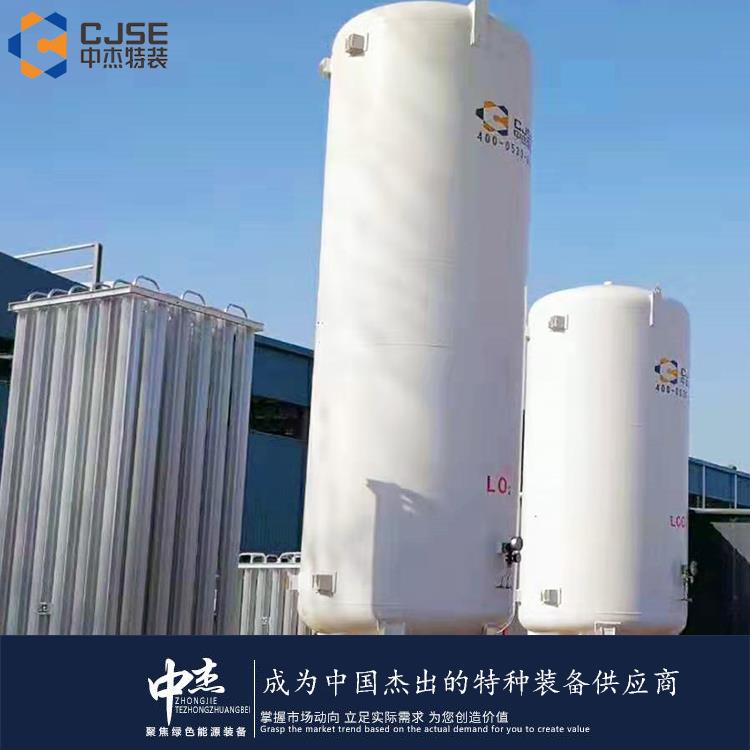
The standard specifications for liquid oxygen storage tanks may vary by region. Here are examples of common standards:
US Standards: The American National Standards Institute (ANSI) and the American Petroleum Institute (API) have issued a series of standards for liquid oxygen storage tanks, such as ANSI/API Standard 2510 "Design and Construction of Liquid Oxygen Tanks" and ANSI/API Standard 2510A "Supplementary to the Design and Construction of Liquid Oxygen Tanks."
European Standards: The European Committee for Standardization (CEN) has published a series of standards for liquid oxygen storage tanks, including EN 13458 "Liquid Oxygen Tanks - Design and Manufacture" and EN 14015 "Vertical Welded Steel Fixed Tanks - Design and Manufacture."
Chinese Standards: The Standardization Administration of the People's Republic of China (SAC) has issued a series of standards for liquid oxygen storage tanks, such as GB/T 18442 "Design Specifications for Liquid Oxygen Tanks" and GB/T 18443 "Construction and Acceptance Specifications for Liquid Oxygen Tanks."
These standards typically include requirements for the design, manufacture, installation, operation, maintenance, and inspection of liquid oxygen storage tanks. They cover provisions related to the tank's structure, materials, safety valves, insulation, leak control, fire precautions, safety distances, and more, to ensure the safety and reliability of liquid oxygen storage tanks.
When designing, manufacturing, and using liquid oxygen storage tanks, it is important to follow applicable standards and collaborate with local regulatory agencies and individuals to ensure compliance with relevant safety requirements and regulations.
A low-temperature liquid storage tank is a device used for storing low-temperature liquids, commonly employed for liquid oxygen, liquid nitrogen, liquid argon, and other low-temperature liquids. These liquids exist in a gaseous state at room temperature but are cooled to a liquid state under low temperatures for more efficient storage and usage. These storage tanks are typically made from high-strength materials like stainless steel or aluminum alloy to withstand the demands of low temperatures and high pressures. The interiors are usually insulated to minimize evaporation and maintain low temperatures. The applications of low-temperature liquid storage tanks include but are not limited to: They are widely used in rocket and spacecraft fuel and propulsion systems, such as liquid oxygen, liquid nitrogen, and liquid hydrogen tanks. They are used to store and supply low-temperature liquids as fuel and oxidizers to propel rockets and spacecraft. Industrial Production: Low-temperature liquid storage tanks are used in industrial production for storing and supplying low-temperature liquids like liquid oxygen, liquid nitrogen, and liquid argon. These liquids serve as coolants, feedstock for gas separation, and raw materials for chemical reactions, among others. Medical Applications: These tanks are used in medical fields for storing and supplying liquid oxygen, providing oxygen therapy, inhalation therapy, and applications in operating rooms. Laboratory Research: In scientific research and laboratories, low-temperature liquid storage tanks are utilized to supply low-temperature liquids as coolants and refrigerants. They are used for cooling laboratory equipment, material research, superconductivity, and low-temperature physics. In summary, low-temperature liquid storage tanks are widely applied in rocketry, industrial production, and laboratory research to store and supply low-temperature liquids to meet the needs of various fields.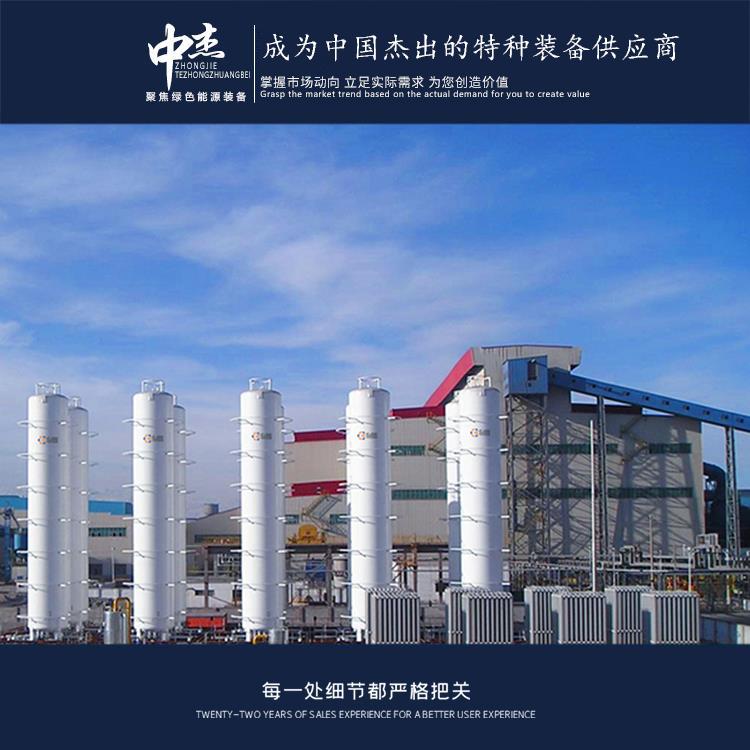
Protective tips for liquid nitrogen tanks include:
Wear protective gear: When operating liquid nitrogen tanks, it is mandatory to wear appropriate protective equipment, including gloves, protective clothing, and non-slip shoes. This gear protects the skin from the low temperature of liquid nitrogen and other hazards.
Avoid direct contact: Liquid nitrogen is extremely cold and can cause frostbite. Therefore, avoid direct contact with liquid nitrogen, especially with the skin. Use tools or instruments for handling to prevent direct hand contact with liquid nitrogen.
Note ventilation: Ensure good ventilation in the operation area of the liquid nitrogen tank to expel gases produced by the evaporation of liquid nitrogen. Maintain air circulation to avoid high oxygen concentration, reducing the risk of fire and explosion.
Prevent Leaks: Regularly inspect liquid nitrogen tanks for leaks, and equip them with leak detectors and alarm systems. In case of a leak, take immediate action to control the leak and carry out repairs. Avoid the harm of liquid nitrogen leaks to personnel and the environment.
Fire Prevention Measures: Nitrogen liquid has a low boiling and freezing point, which is prone to fire. To prevent and contain fires, firewalls and fire-resistant coatings are installed around nitrogen liquid storage tanks.
Static protection: Electrostatic buildup in liquid nitrogen tanks may cause sparks, increasing the risk of fire. Measures such as using conductive materials and static control equipment should be taken to reduce the accumulation and release of static electricity.
Regular Inspections and Maintenance: Conduct regular checks on the condition of liquid nitrogen tanks and related equipment, including valves, pipes, pressure gauges, etc. Ensure that the equipment is in perfect condition, and promptly repair or replace any damaged parts.
Waste Gas Treatment: Liquid nitrogen tanks produce waste gas during operation, and appropriate waste gas treatment measures must be taken.
Chungjie Special Equipment adheres to the great vision of "realizing employees' dreams, creating value for customers, and striving for the prosperity and strength of our motherland," devoting itself to the development of the green energy equipment industry. We dedicate high-value products and services to society!
Guangyuan Low-Temperature Liquid Nitrogen Storage Tank, Available for Custom Orders
