


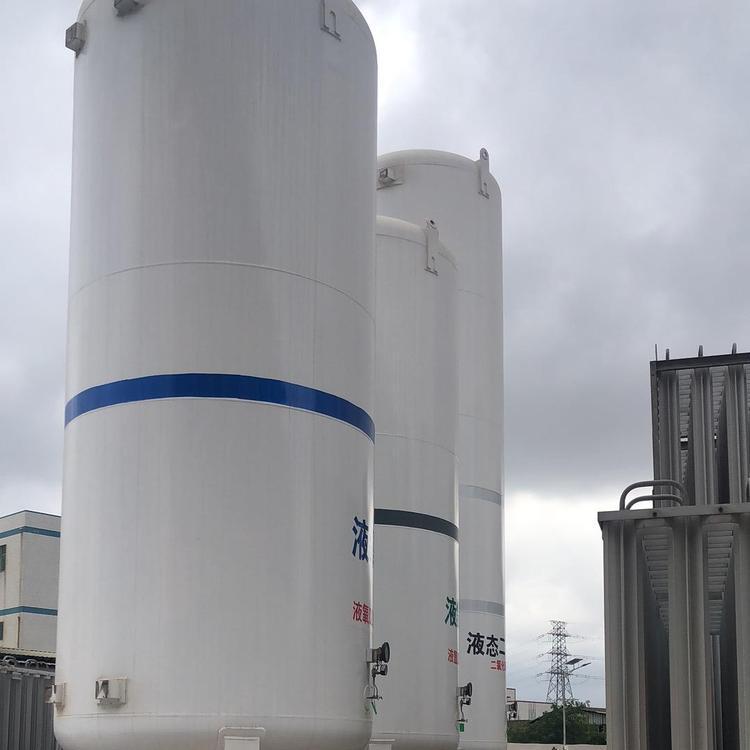
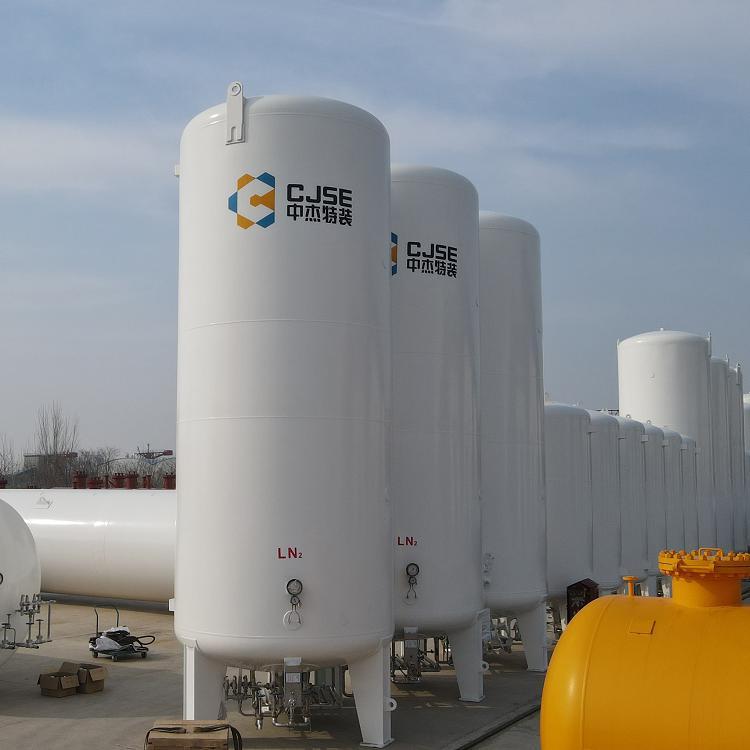
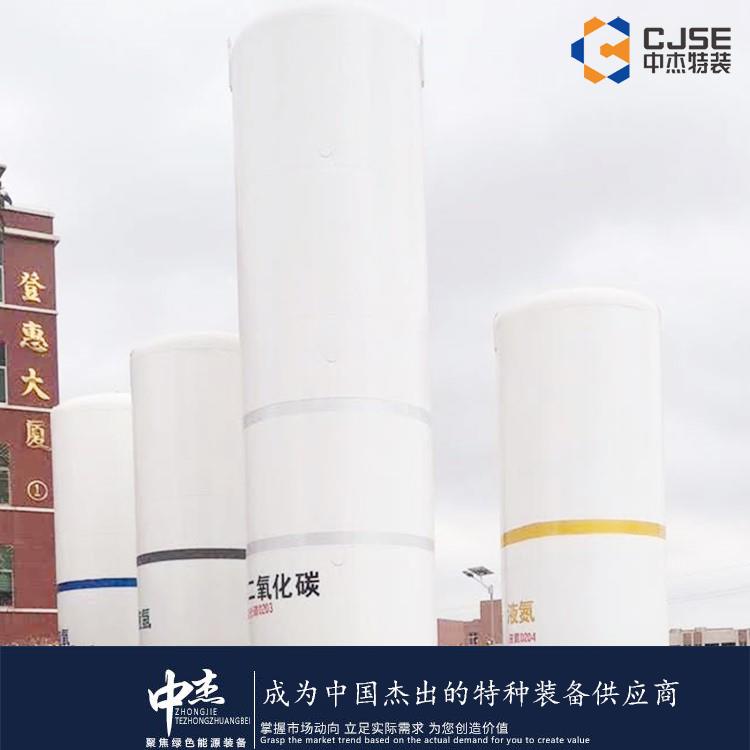
Shandong Zhongjie Special Equipment (formerly Heze Boiler Factory Co., Ltd.) was established in 2001, located at No. 2218 Jinnan Road, Economic Development Zone, Heze City. With a registered capital of 50 million yuan and total assets of 500 million yuan, the company operates seven business centers: boilers, deep-freeze containers, pressure vessels, central air conditioning, engineering installation, international trade, and Internet of Things. It has three factory sites on Jinnan Road, East Changjiang Road, and Bohai Road, covering a total area of 200,000 square meters, with the main workshop spanning 83,000 square meters. It currently employs 710 people, including 247 engineers and technicians, and 82 intermediate-level technical personnel. In December 2016, it was recognized as a "High-Tech Enterprise" by the Science and Technology Department. In June 2021, it was identified as a "Specialized and New Enterprise in Shandong Province" by the Department of Industry and Information Technology. In June 2022, it was recognized as a "Gazelle Enterprise in Shandong Province" and in August 2022, as a "Specialized and New Small Giant Enterprise" by the Ministry of Industry and Information Technology.
The reasons for the peak popularity of low-temperature liquid storage tanks in recent years are as follows:
Rising Demand: With the development of industries such as manufacturing and scientific research, the demand for cryogenic liquids is continually increasing. Cryogenic liquid storage tanks can effectively store and supply liquefied oxygen, nitrogen, and other cryogenic liquids, meeting the needs of various fields.
Technological Advancements: In recent years, the manufacturing technology and material technology for low-temperature liquid storage tanks have undergone continuous improvement and innovation. The application of new insulating materials, advanced refrigeration systems, and safety control devices has enhanced the performance and safety of the tanks, making them more reliable and secure.
Environmental Awareness Enhancement: Low-temperature liquid storage tanks enable effective storage and utilization of low-temperature liquids, reducing energy waste and environmental pollution. Against the backdrop of enhanced environmental awareness, low-temperature liquid storage tanks, as an environmentally friendly and energy-saving device, have gained more attention and application.
Emerging Application Fields: The demand for low-temperature liquid storage tanks is on the rise in emerging application fields. For instance, the application of liquid nitrogen in frozen food, biopharmaceuticals, and semiconductor manufacturing is becoming more widespread, driving the development of low-temperature liquid storage tanks.
Policy Support: The government has provided support and encouragement for the development of low-temperature liquid storage tanks. Through policy guidance and financial support, the industry has been promoted and expanded.
In summary, the reasons for the peak popularity of low-temperature liquid storage tanks in recent years include increasing demand, technological advancements, heightened environmental awareness, the development of new application areas, and policy support. These factors have collectively driven the rapid growth of the low-temperature liquid storage tank industry.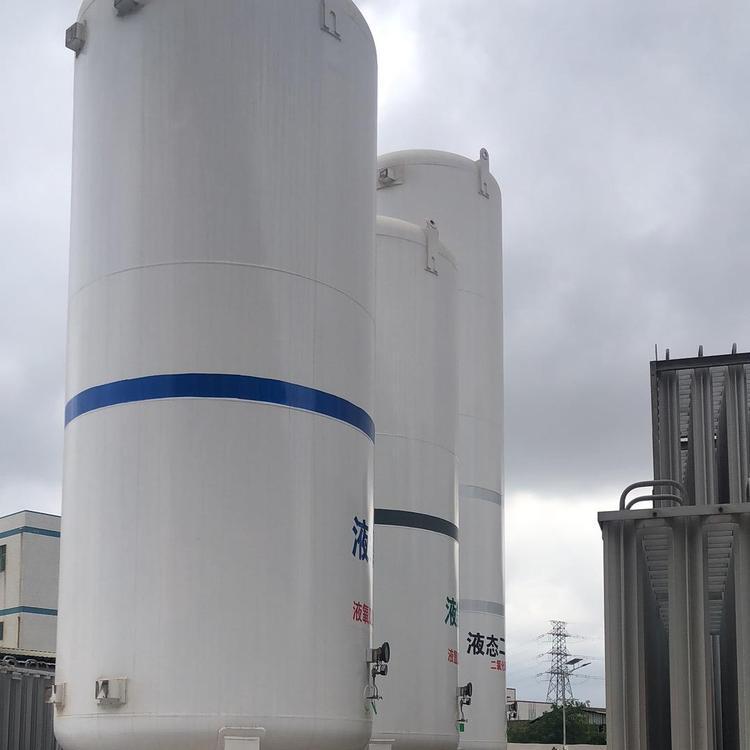
Low-temperature liquid storage tanks feature the following characteristics and advantages:
Feature:
Low-Temperature Storage: Low-temperature liquid storage tanks can store low-temperature liquids (such as liquid nitrogen, liquid oxygen, etc.) at low temperatures, maintaining their liquid state. Liquid storage can significantly increase storage density and save space.
Insulation: The low-temperature liquid storage tank is equipped with special insulation materials and structural design, effectively reducing heat conduction and heat loss, maintaining a stable temperature for the low-temperature liquid. This helps to minimize energy loss and liquid evaporation.
Safety: Low-temperature liquid storage tanks offer excellent safety performance. The tanks are constructed with special materials and design, capable of withstanding low temperatures and high pressures. Additionally, the tanks are equipped with safety devices such as pressure relief valves and level alarms to ensure safe operation and use.
Utilization Advantages:
High Purity Supply: Low-temperature liquid storage tanks provide high purity liquid material supply. Through refrigeration and purification processing, high purity liquid gases can be obtained, meeting the needs of applications such as industry and scientific research fields.
Long-Term Storage: Low-temperature liquid storage tanks are designed for long-term storage of cold liquids, extending their service life. By controlling the temperature inside the tank and the performance of the insulation, the evaporation and oxidation of the liquid can be slowed down, maintaining its stability and purity.
Wide Range of Applications: Low-temperature liquid storage tanks are extensively used in various fields such as industrial, scientific research, and more. They can be used for storing liquid oxygen and providing oxygen supply; in the industrial sector, they are suitable for storing liquefied natural gas (LNG) and other process gases like liquid nitrogen; in scientific research, they can store low-temperature experimental samples.
Environmental Protection and Energy Saving: Low-temperature liquid storage tanks can effectively store and utilize low-temperature liquids, reducing energy waste and environmental pollution. Storage of liquid substances
The dimensions and structure of liquid oxygen storage tanks can vary depending on specific requirements and applications. Below are common sizes and structures of liquid oxygen storage tanks:
Dimensions: The size of liquid oxygen tanks is typically determined by the storage or transport capacity of liquid oxygen. Common capacities range from a few thousand to several hundred thousand liters.
Structure: The structure of the liquid oxygen tank primarily includes the inner shell, outer shell, insulation layer, and supporting structure, etc.
Inner Shell: The inner shell of a liquid oxygen tank is the part designed for storing liquid oxygen, commonly made of materials like stainless steel or aluminum alloy, offering excellent corrosion resistance and sealing properties.
Shell: The outer shell of the liquid oxygen tank is the external structure that protects the inner lining, commonly made of carbon steel or stainless steel, offering sufficient strength and corrosion resistance.
Insulation Layer: The insulation layer of liquid oxygen storage tanks is used to reduce heat conduction and loss, maintaining the low temperature state of liquid oxygen. Common insulation materials include polyethylene foam, glass fiber, and aerogel, etc.
Support Structure: The support structure of the liquid oxygen tank is designed to support and secure the inner and outer shells of the tank. Typically made of steel, it boasts sufficient strength and stability.
The dimensions and structural design of liquid oxygen tanks must consider the properties of liquid oxygen, storage or transportation requirements, and safety standards. When using liquid oxygen tanks, strict adherence to relevant operational specifications and safety requirements is necessary to ensure safe usage.
Low-temperature industrial gas filling stations are equipment used to fill liquid low-temperature industrial gases (such as liquid oxygen, liquid nitrogen, liquid argon, etc.) into gas storage tanks. Here is some basic information about low-temperature industrial gas filling stations:
Tank Type: Low-temperature industrial gas tanks commonly use double-walled vacuum insulated tanks, where the inner wall is used for storing liquid gas and the outer wall for insulation to reduce heat transfer and the evaporation loss of the liquid gas.
Filling Equipment: Low-temperature industrial gas storage tank filling stations include liquid-gas filling pumps, filling pipelines, flowmeters, pressure sensors, and other equipment. The liquid-gas filling pump is used to extract liquid gas from storage tanks or gas holders and fill it into the target storage tank.
Filling Process: The operational procedure at the filling station typically includes the following steps: Preparations (checking equipment, preparing filling medium), Equipment Connection (connecting filling pumps, pipes, etc.), Equipment Activation (starting the filling pump, adjusting flow and pressure), Filling Operation (filling liquid gas into the target storage tank), Monitoring and Control (monitoring parameters such as pressure and flow during the filling process to ensure safety and quality), and Completion of Operation (shutting down equipment, cleaning the work area).
Safety Measures: Strict adherence to relevant safety operation procedures and standards is required during the operation of low-temperature industrial gas storage tank filling stations. Operators must undergo training to understand the properties and safety considerations of liquefied gases. Additionally, filling stations should be equipped with safety equipment such as pressure sensors and safety valves to ensure safety during the filling process.
Quality Control: During the filling process, quality control at the filling station is essential, including monitoring parameters such as flow rate, pressure, and temperature of the filling medium to ensure accuracy and quality of the filling.
It is important to note that the operation of low-temperature industrial gas filling stations must be conducted by trained personnel and strictly adhere to the relevant operational procedures and safety measures. Additionally, the design and manufacturing of filling stations must comply with applicable standards and regulations to ensure the safety and reliability of the equipment.
Zhongjie Special Equipment adheres to the great vision of "realizing employees' dreams, creating customer value, and striving for the prosperity and strength of our motherland," focusing on the development of green energy equipment industry, and devoting high-value products and services to society!
Nanyang Low-Temperature Liquid Argon Storage Tank - High Cost-Performance Ratio
