


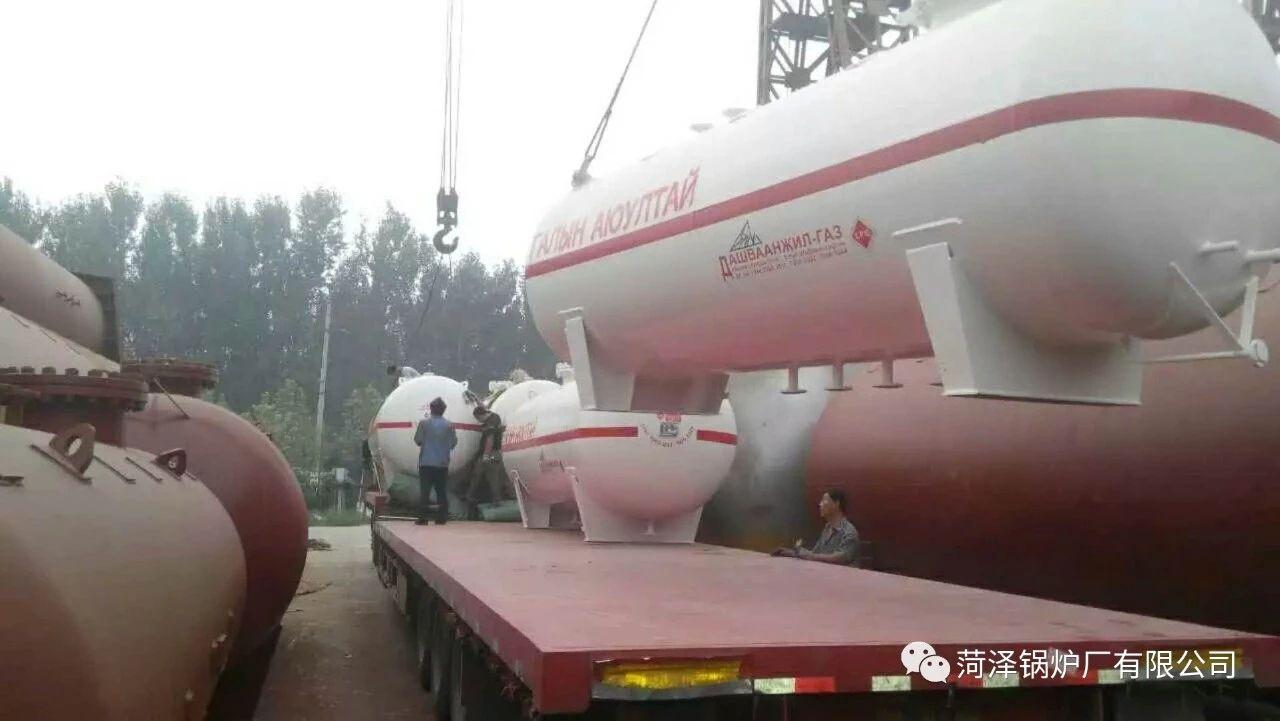


1、Natural Gas Storage TankLNG Storage System: The LNG storage system consists of low-temperature tanks, auxiliary pipelines, and control instruments. 2. Categorized by capacity: Small-scaleNatural Gas Storage Tank5-50 cubic meters, commonly used in civil gas liquefaction stations, LNG vehicle refueling stations, etc.; medium-sizedNatural Gas Storage Tank50-100 cubic meters, commonly used in satellite liquefaction units, industrial gas vaporization stations, etc. 3Natural Gas Storage TankLNG pipelines commonly use Austenitic stainless steel pipes, which boast excellent low-temperature properties. 4. VerticalNatural Gas Storage TankLNG Tanks, insulated with vacuum powder insulation technology, featuring inner cylinders and piping made of OCr18Ni Austenitic stainless steel, and outer cylinders made of high-quality carbon steel Q345R pressure vessel steel plate. We offer a variety of sizes from 50 to 100 cubic meters.Natural Gas Storage Tank。5、Natural Gas Storage TankApplications: Chemical fuel, residential fuel, automotive fuel, cogeneration, heat pumps, fuel cells, etc. 6Natural Gas Storage TankLiquidification Processes: Cascade Liquidification Process, Mixed Refrigerant Liquidification Process, Expansion Turbine Liquidification Process. 7Natural Gas Storage TankThe liquefaction unit consists of a natural gas pretreatment process, liquefaction process, storage system, control system, and fire protection system.
1.2.6 LNG Tank Maintenance and Care Procedure
LNG station operation technicians must be familiar with the structure and principles of the storage tanks and strictly follow the operational procedures for LNG-related activities.
2. Operators of liquefied natural gas must be familiar with the performance and principles of storage tank accessories (pressure gauges, level gauges, temperature gauges, vacuum test valves).
3. LiquefiedNatural Gas Storage TankThe outer cylinder is a vacuum vessel under external pressure; welding operations under vacuum are strictly prohibited.
4. Regularly inspect the outer tank shell for signs of icing or frost formation. Upon discovery, promptly report to the on-duty supervisor and station master. The on-duty supervisor or station master should immediately contact the manufacturer to identify the cause and take immediate action. During the process, closely monitor any changes in the icing or frost. If there is a tendency for the accident to escalate, immediately initiate tank draining or cease filling operations, and close the relevant emergency shut-off valves at the inlets and outlets.
5. Regularly inspect the storage tank's connecting pipes and valves, observe for any frosting, and report any issues promptly to the on-duty supervisor. The on-duty supervisor will then arrange for personnel to address the situation.
6. Regularly inspect the tank's pressure gauge, level gauge, and thermometer to observe if the readings are normal.
7. Regularly inspect the sealing performance and operation of the connecting valves to ensure normal functioning.
8. Regularly inspect and calibrate safety valves, pressure gauges, level indicators, and thermometers according to regulations, ensuring proper operation and updating the equipment inventory promptly.
9. Regularly perform anti-corrosion treatment on the outer cylinder of the storage tank and carry out visual cleaning and maintenance of the tank's pressure gauge, level gauge, and thermometer.
10. Regularly perform rust removal and anti-corrosion treatments on susceptible areas such as pressure and level control instruments, and three-way valves on storage tanks.
11. Perform annual or as-needed vacuum level inspections on the storage tanks to monitor their operational status.


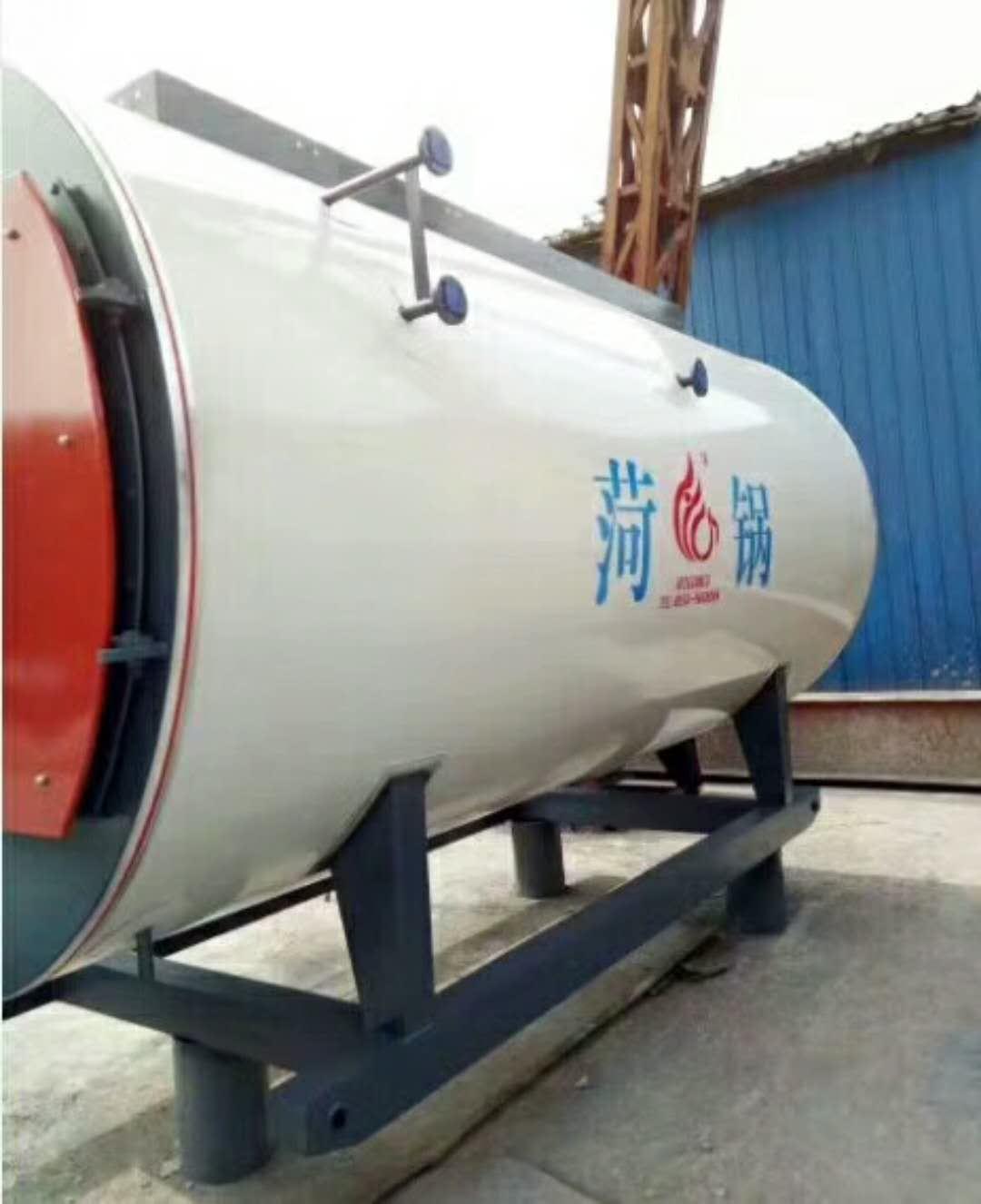
Where to find wholesale prices for natural gas storage tanks - Where to customize natural gas storage tanks - Best brand for discounted natural gas storage tanks - Shandong Hezhou Group LNG/Natural Gas Storage Tanks
