


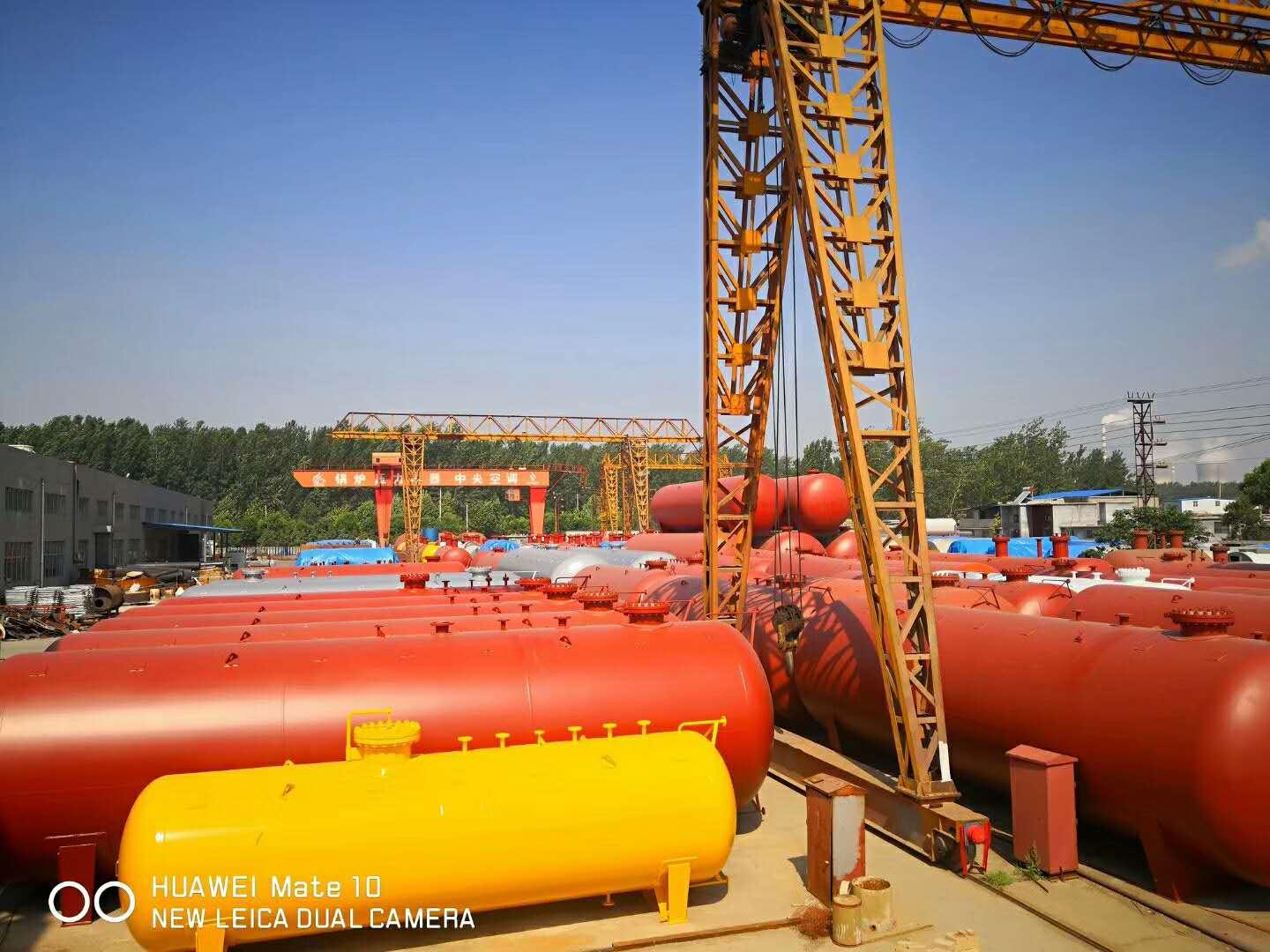


When the low-temperature storage tank is in operation, there are potential hazards such as leaks, overpressure, and explosions. If the hidden dangers before these accidents are not discovered and addressed in time, they can escalate into severe incidents. Therefore, establishing a comprehensive inspection system and diligently enforcing it is crucial for ensuring the safe operation of the low-temperature storage tank.
During operation, low-temperature storage tanks pose potential hazards such as leaks, overpressure, and explosions. If the hidden dangers before these accidents are not discovered and addressed in time, they can escalate into severe incidents. Therefore, establishing a comprehensive inspection system and strictly enforcing it is crucial for ensuring the safe operation of low-temperature storage tanks. Daily inspections of low-temperature storage tanks mainly include the following:
1. Are there any leaks in the valves and piping, and is there any frosting or sweating on the casing?
2. Are all valves in normal open/close condition?
3. Are the instruments (level gauges, pressure gauges) operating normally, and do the DCS display parameters match the field primary meters?
4. Is the storage tank pressure normal? Release pressure by opening the vent valve when the pressure approaches or equals the maximum pressure.
5. Is the liquid fill rate over 95%?
6. Is the sealed gas normal for atmospheric pressure powder insulation storage tanks? (50mmH2O)
7. No flammable, explosive materials, or any debris shall be placed near the liquid oxygen storage tank, and clear signage must be present.
8. No smoking or open flames near the liquid oxygen storage tank.
9. Test the acetylene and total hydrocarbon content in the liquid oxygen storage tank at least once weekly. The acetylene content must not exceed the process specification; if it does, liquid oxygen must be discharged and replaced promptly for treatment.
10. Is the liquid oxygen storage tank properly grounded?
11. Ensure there is a certain amount of liquid inside the drum if it's not to be left unused for a long period, to avoid spending a long time re-cooling and replacing the drum.
12. Are the legs damaged? Is the foundation settling, tilting, or cracking? Check the integrity of the fastening bolts and whether the tank has deformed.
13. Regularly check the vacuum level of the storage tank.
Low-temperature Storage Tank Structure:
A low-temperature storage tank is a compact storage device for low-temperature liquids, equipped with various fittings (valves, safety systems, etc.). The tank consists of a carbon steel vacuum shell and a pressure vessel placed within it. It can operate at low to medium pressure as per actual design requirements. Explosion-proof diaphragms and double-acting safety valves protect the tank in case of excess pressure. The safety relief device is designed to protect the internal pressure vessel and vacuum shell, with its use and type determined by the GB150 and "Fixed Container Regulations." This includes a double-acting safety relief valve and explosion-proof diaphragm for the internal pressure vessel, and an explosion-proof cover for the vacuum shell (outer shell). The tank is designed and manufactured for safety, reliable operation, and durability (can operate faultlessly for years), and strict adherence to proper safety and operating procedures is required during tank operation.
High safety requirements. Since the tank stores low-temperature liquids, in the event of an accident, the refrigerated liquid will vaporize in large quantities, with the vaporization amount reaching about 300 times the original refrigerated state, forming an explosive gas cloud in the atmosphere. Therefore, specifications such as API, BS require the use of double-walled tank structures and the application of sealing concepts. In the event of a leak in the first tank body, the second tank body can completely seal the leaked liquid and evaporated gas, ensuring storage safety.


知名天然气储罐品牌-现货天然气储罐报价-专业制造天然气储罐厂家-特价天然气储罐生产商
