


 Heze Boiler Factory Co., Ltd.
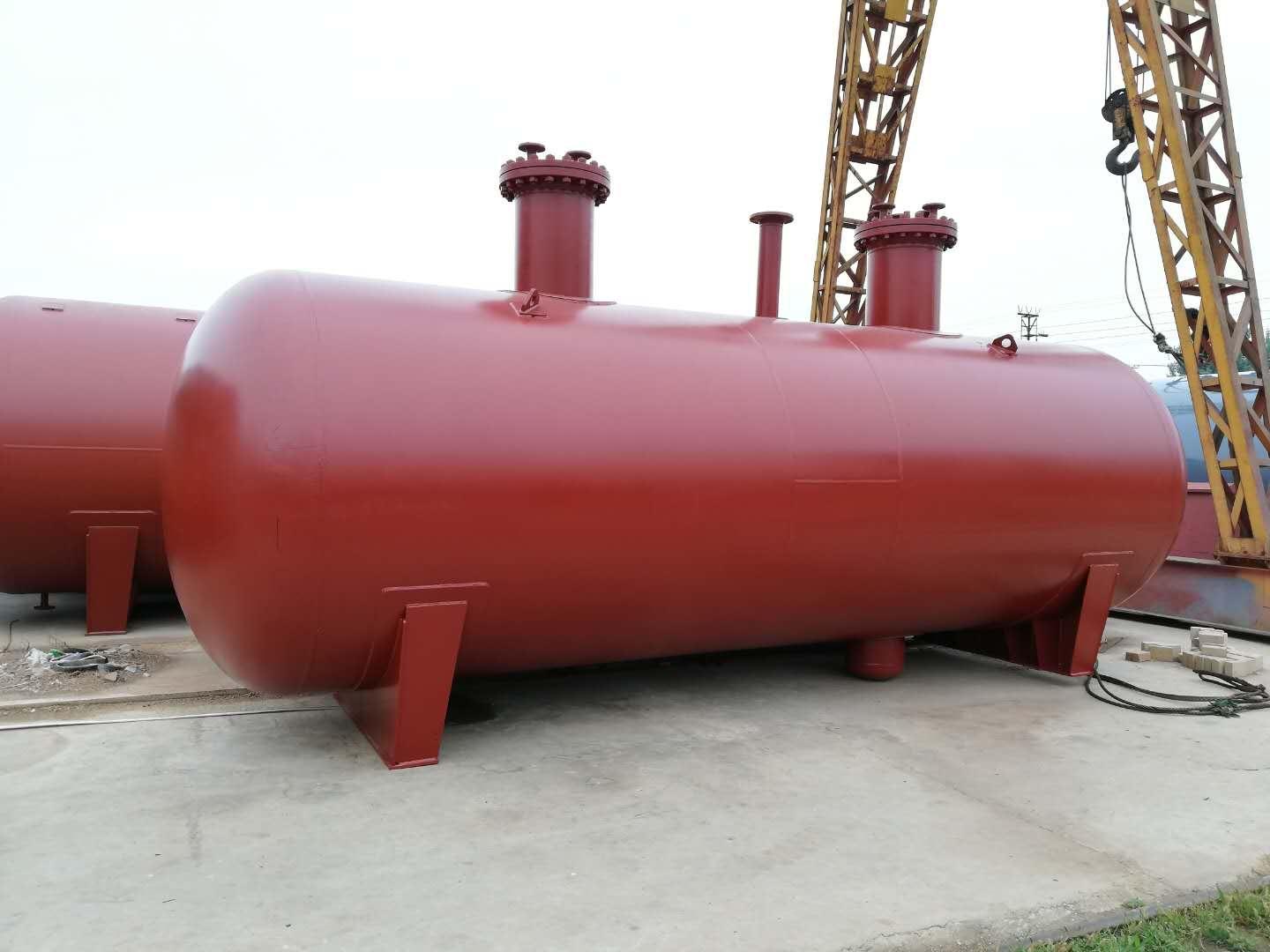
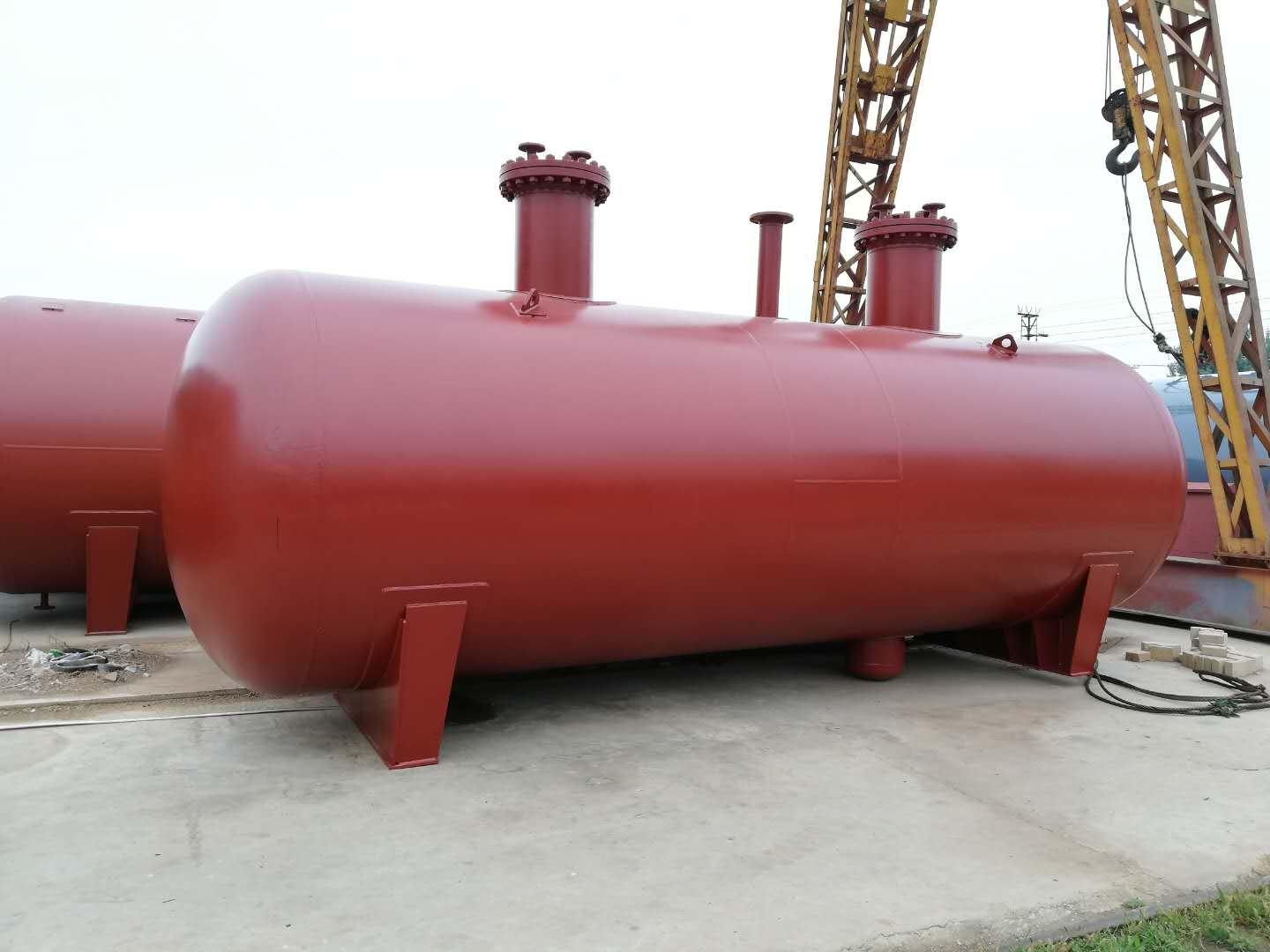
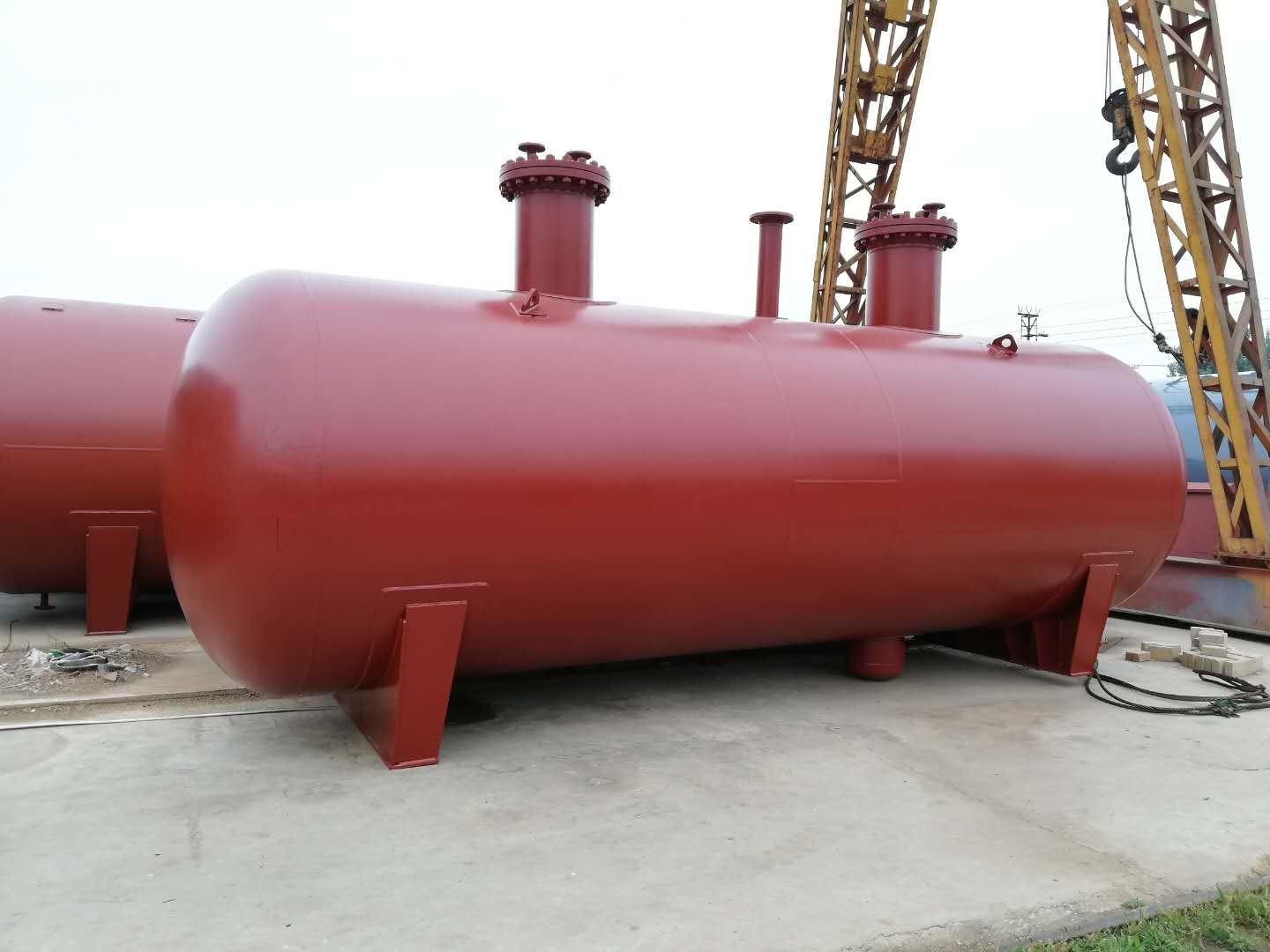
LNG storage tanks are composed of the tank body, instruments, pipelines, valves, etc. These tanks utilize both upper and lower liquid inlet methods, which can be selected and used according to actual conditions.
The inner tank of the Liquefied Natural Gas (LNG) storage tank is equipped with a safety system device featuring dual safety valves. Under normal operation, one set is in service while the other is on standby. If the safety valve in operation trips, the manual pressure relief valve is immediately opened to depressurize below the tank's working pressure. Simultaneously, the safety device is swiftly switched to the standby system, effectively ensuring the tank's safety. This safety system device consists of safety valves, explosion-proof devices, vent valves, and three-way ball valves, which not only reduces pipeline welding but also has excellent fire and static electricity prevention structures. Additionally, the safety relief openings on the outer shell are fully guaranteed to ensure the overall safety and reliability of the equipment. The low-temperature pipelines are集中引出for ease of operation and control, and the outlet is designed with a Duralumin structure to accommodate low-temperature requirements and reduce stress on the pipeline due to thermal expansion and contraction, ensuring the tank's safety. The vacuum pump valve is sealed with three "O" rings, effectively ensuring the reliability of the sandwich seal, and is made of full stainless steel with a compact size. The top of the LNG storage tank is designed with a suspension structure for easy transportation, lifting, and installation. The unique manhole design ensures the cleanliness of the interior when the inner container is sealed. Vacuum isolation valves and combined vacuum gauges are used on the LNG storage tank for easy measurement of the vacuum degree in the sandwich layer and maintenance, extending the tank's service life and improving its quality. The LNG storage tank is equipped with a level gauge and a pressure gauge for local display of liquid level and pressure. The sandwich insulation material is high-quality domestic pearlescent sand, with the following performance parameters:
Serial Number, Indicator Name, Unit, Indicator
Loose Bulk Density: 50-60 Kg/m³
2 Grain size mm 0.1-0.2 not less than 80%
Thermal Conductivity (at atmospheric pressure, temperature 310-77k) W/m.k.s < 0.026
4 Moisture Content (Weight) % < 0.1
5 Non-puffing Rate % ≤ 1
6 Temperature ℃ -200℃ to 600℃
7 pH Level: 6.5-7.5
Section 3: Inspection, Testing, and Acceptance
1. Inspect the inner cylinder material, and it can be put into use upon passing the inspection.
2. All welds are inspected in accordance with the GB150.1-150.4-2011 standards and drawings. Upon passing the inspection, Class A and B welds undergo 100% X-ray testing, while Class C and D welds are subjected to 100% penetrant testing, and a test report is issued.
3. After the cylinder assembly is complete, inspect the geometric dimensions, pipe mouth orientation, and shape deviation according to the standards of GB150.1-150.4-2011 and the drawings.
4. After passing the inspection, conduct a pneumatic test and issue a pressure test report. Once the pneumatic test is approved, proceed with evacuation. After achieving the required vacuum level, conduct a helium leak test.
5. After the interlayer leak test passes, fill with pearlescent sand and then vacuum pump. Seal the vacuum once the vacuum level reaches the requirements of GB/T18442-2011 standard.
IV. Technical Documentation
1. Upon contract signing, the seller shall provide the following technical documents to the buyer:
⑴ Each set of product quality certificate for the equipment (provided with the equipment)
Including: Material Certificate for Main Pressure Components, Bill of Materials, Structural Dimension Inspection Report, Inspection Plan, Product Compliance Certificate, Pressure Vessel Product Data Sheet, Welding Records, Non-Destructive Testing Report, Pressure Test Report, Special Equipment Manufacturing Supervision and Inspection Certificate (Local Inspection Authority), Product Brand Copy
⑵ As-built drawings, 1 set each (provided with the equipment)
One set of strength calculations (provided with the equipment)
User Manual, 1 each (provided with the equipment)
1 set of equipment process diagram and 1 basic reference diagram (to be provided within 7 days after contract signing)
⑹ 1 set of product compliance certificates, 1 calibration report for instruments (provided with the equipment)
Liquefied Natural Gas Storage Tanks | Liquefied Natural Gas Storage Tanks Manufacturer--Heze Boiler Factory Co., Ltd.
LNG storage tanks are specialized equipment for storing liquefied natural gas.TwoCategory pressure vessels, on-site inspection by the Technical Supervision Bureau, issuance of pressure vessel inspection certificate, completion of processes such as external rust removal and painting. Liquefied gas storage tanks undergo strict quality assessment for the material, dimensions, and weld quality of the pressure components, operational quality, installation quality, internal equipment, and safety accessories. Widely used in industries such as industrial gases and gas, including units with high gas consumption like machinery, chemicals, and metallurgy, serving as centralized gas supply systems.Please provide the Chinese content you would like translated into American English.High-quality equipment. Features include long service life, small footprint, ease of operation, and centralized control. The gas leaked from LNG tanks is also very cold, and contact with the skin can cause burns similar to blisters due to low-temperature burns. Natural gas is an asphyxiant. The oxygen content in the atmosphere is about 21%, and when the oxygen content in the air drops below 18%, it can cause asphyxiation in humans.

LNG Storage Tank Operation Process:
Wear static-dissipative suits, shoes, and helmets, and place devices prone to static, such as phones and computers, in a safe area.
2. Check the tank's thermometer, level gauge, pressure gauge, flammable gas alarm, and safety valve for proper operation.
3. Ensure all valves on the tanks to be pressurized are closed, with the exception of the tank root valve and the emergency shutdown valve.
4. The lower tank inlet valve and the增压 liquid and vapor valves are open, as well as the valves on both sides of the booster vaporizer.
5. Open the low-temperature cutoff valve before the vaporizer, the ambient temperature flanged ball valve after the vaporizer, and all valves required to be opened in the pressure regulating system.
When the gas supply volume is less than 1000Nm3/h up to 2000Nm3/h, one storage tank can meet the gas supply requirements.
7. When the tank pressure exceeds the outlet pressure by more than 0.15 MPa, slowly open the outlet valve to start gas supply.
8. The LNG tank must ensure that the liquid level is no higher than 90% during operation, and the lower limit is no less than 15%.
8. The on-duty staff must frequently patrol during gas supply, monitoring the liquid level and pressure changes of the storage tanks, ensuring at least three records per day.
9. Regularly inspect the tank, welds, valves, etc., and take immediate action if any leakage is detected to ensure that LNG meets production requirements.


哪家LNG储罐哪家好-正规LNG储罐报价-专业定做LNG储罐加工-现货LNG储罐哪家好
