


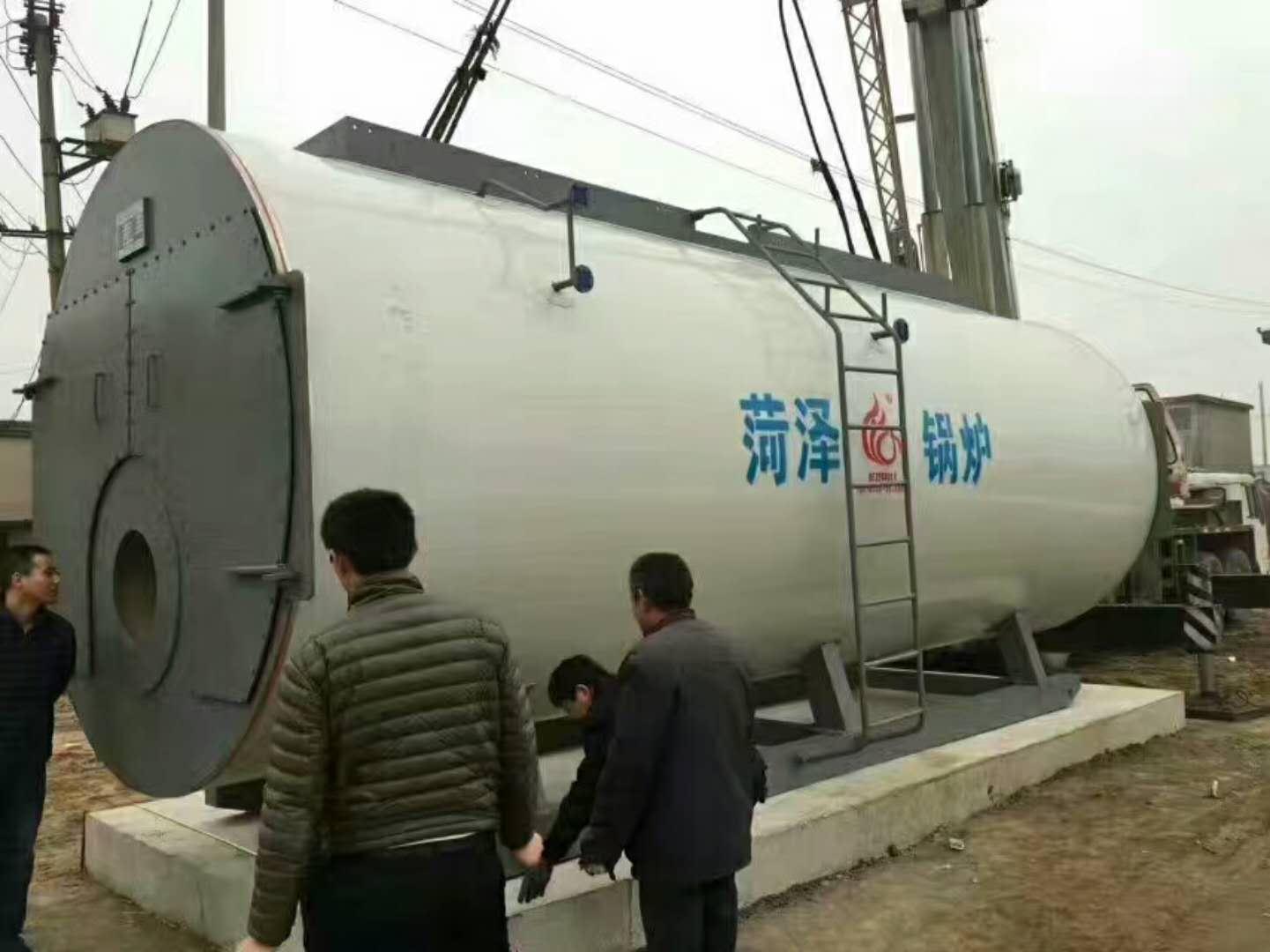
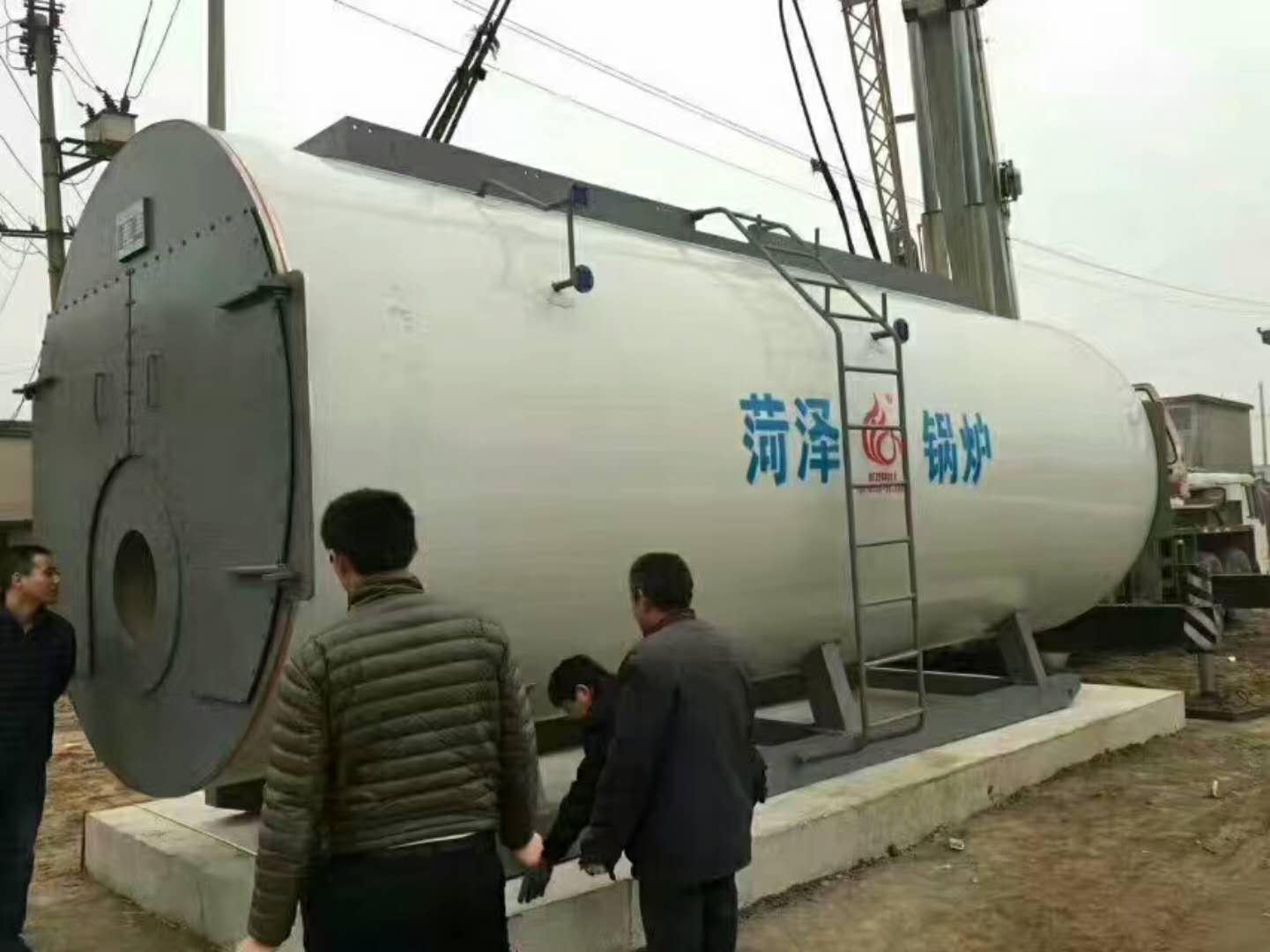

When the low-temperature storage tank is in operation, it poses potential dangers such as leaks, overpressure, and explosions. If the hidden dangers before these accidents are not discovered and addressed in time, they can escalate into severe incidents. Therefore, establishing a comprehensive inspection system and strictly enforcing it is crucial for ensuring the safe operation of the low-temperature storage tank.
Low-temperature storage tanks pose potential hazards such as leaks, overpressure, and explosions when in operation. If the hidden risks before these accidents are not discovered and addressed in time, they can escalate into severe incidents. Therefore, establishing a comprehensive inspection system and strictly enforcing it is crucial for ensuring the safe operation of low-temperature storage tanks. Daily inspections of low-temperature storage tanks primarily include the following:
1. Are there any leaks in the valves and piping, or frost or condensation on the housing?
2. Are all valves in normal open/close status?
3. Are the instruments (level gauges, pressure gauges) functioning properly, and do the DCS display parameters match the on-site primary instruments?
4. Is the tank gauge pressure normal? Open the vent valve to release pressure when the pressure approaches or equals the maximum pressure.
5. Is the liquid fill rate over 95%?
6. Is the sealed gas normal for atmospheric pressure powder insulation tanks? (50mmH2O)
7. No flammable or explosive materials, as well as any debris, are permitted within proximity of the liquid oxygen storage tank, with clear signage in place.
8. No smoking or open flames near liquid oxygen storage tanks.
9. Test the acetylene and total hydrocarbon content in the storage tank's liquid oxygen at least weekly. The acetylene content must not exceed the specified process standards; if it does, liquid oxygen must be discharged and replaced promptly for treatment.
10. Is the liquid oxygen storage tank properly grounded?
11. Ensure there is a certain amount of liquid inside the drum if it is not to be unused for a long period, to prevent spending a long time re-cooling and exchanging the drum.
12. Are the legs damaged? Is the base settling, tilting, or cracking? Are the securing bolts in good condition? Is there any deformation on the tank body?
13. Regularly check the tank's vacuum level.
Cautionary Notes
1. Cylinders must be stored in well-ventilated areas, with a minimum distance of 1.5 meters from any fire or heat source. Cylinders are strictly prohibited from being heated with fire, boiled, or exposed to direct sunlight. Regular inspections of cylinder valves and pipeline joints for airtightness are required to ensure no leaks. Leaks can be checked using soap water, and it is strictly forbidden to test for leaks with an open flame.
2. When lighting, ignite the primer first, followed by opening the gas; do not reverse the order. Always have someone supervising during use, and do not leave it unattended to prevent boiling water from spilling and extinguishing the flame, which could cause the escaping liquefied gas to ignite and explode. After use, the valve must be tightly closed to prevent gas leakage.
3. The liquefied gas inside the cylinder should not be completely exhausted; a certain residual pressure must be maintained. The residual pressure should generally be greater than 49.03 kPa (i.e., 0.5 kg/cm², gauge pressure) to prevent air from entering the cylinder. After the liquefied petroleum gas is used up, the remaining residue in the cylinder is also a flammable substance and should not be poured out arbitrarily to avoid fires caused by the residue's flow and evaporation.
4. LPG cylinders are pressurized containers that require proper maintenance and regular inspections. Prevent the cylinders from falling or being struck during handling and use; do not use metal tools to敲击 open the valve; protect them from direct sunlight and prolonged exposure to rain. Cylinders should generally be inspected every 2 years.
5. Although the explosive range of liquefied petroleum gas (LPG) is not very wide, its lower explosive limit is small, making it easy to ignite and explode upon leakage. Additionally, as LPG is heavier than air, it tends to flow downward in the atmosphere, accumulating in low-lying areas and posing a hidden danger of gas explosion. Therefore, in areas prone to gas leakage, relying solely on window ventilation is insufficient; attention must also be given to proper ventilation at the lower levels.
6. When liquid gas leakage is detected indoors, immediately open windows and doors for ventilation, allowing it to disperse away from any open flames. No fire is permitted in the vicinity. Only after the fault is rectified and the distinctive odor is gone should the area be used again. Any leaked liquid on the ground should be covered with sand and soil before being cleared to a safe location. In case of a gas cylinder fire, immediately close the valve, move it to an open area outdoors, and extinguish the fire using dry powder extinguisher, CO2 extinguisher, or cover it with a wet sack.
7. Educate children not to tamper with gas cylinders at will, and users must be aware of the safety knowledge regarding the use of gas cylinders.


Natural Gas Storage Tank Pricing - Where to Find Wholesale Prices for Natural Gas Storage Tanks - Shandong Hezhou Group Natural Gas Storage Tanks - Supply Natural Gas Storage Tank Brands
