


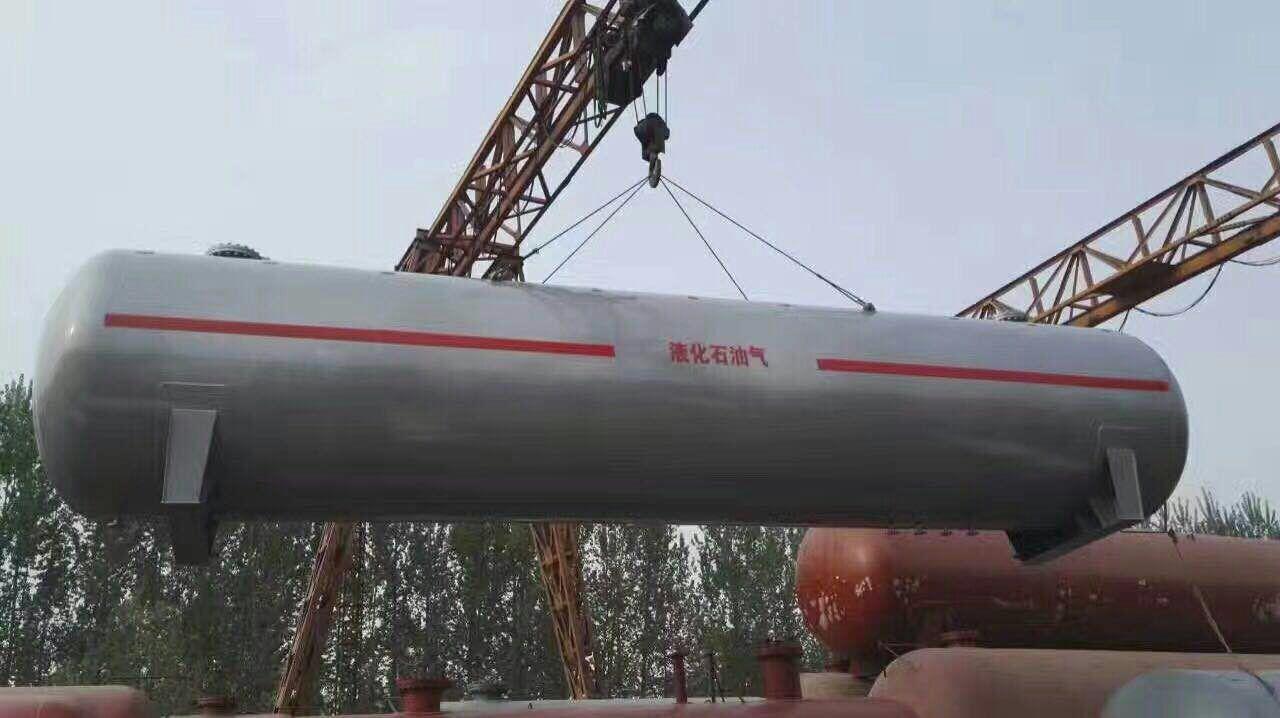
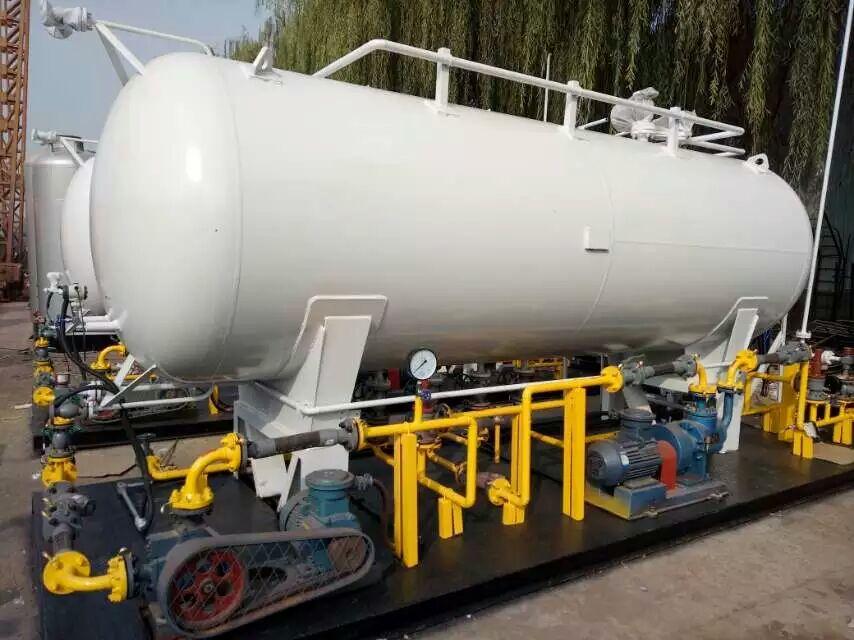
Huzhou Boiler Factory Co., Ltd. operates a development center, an installation company, and three production bases. It has established close cooperative relationships with numerous key universities and research institutions in China. New product development is continuous and highly favored by a wide customer base. We offer industrial and residential coal-fired boilers, oil-fired boilers, gas-fired boilers, biomass boilers, heat transfer oil boilers, waste heat recovery boilers, refrigeration auxiliary equipment, and pressure vessels of categories 1, 2, and 3 (including liquefied gas tanks, liquid ammonia tanks, methyl chloride tanks, propane tanks, underground tanks, tower vessels), low-temperature containers (liquid oxygen tanks, liquid nitrogen tanks, liquid argon tanks), heat exchanger units, ground-source heat pump units, and more. For many years, the company has actively implemented an innovation strategy centered around technological, market, and management innovation, accelerating corporate reform and restructuring. It has gradually established a modern corporate system that adapts to the socialist market economy system.
Liquefied Petroleum Gas primarily originates from refinery gas and associated gas from oil fields.
One, obtained from the natural gas in the refining plant
Refinery gas is a byproduct of the oil refining and processing, its quantity depending on the production method and processing depth of the refinery, generally around 4%-10% of the original weight. Currently, the recovery of liquefied petroleum gas from the catalytic cracking gas of refineries is the main source of domestic LPG.
From associated gas of oil fields
Associated gas from oil fields is a byproduct gas generated during the oil extraction process. It is itself a combustible gas existing within the geological structure of the oil reservoir, containing 10%-40% of propane, butane, pentane, and higher carbon alkanes. During oil extraction, both oil and associated gas are emitted simultaneously. They are separated using gas-oil separation units installed above the oil well. The associated gas contains approximately 5% of propane and butane components, which can be extracted using absorption methods, resulting in high-purity liquefied petroleum gas with very low * content. The liquefied petroleum gas supplied by countries such as Europe, the United States, and Japan often falls into this category.
Section 3: Derived from Natural Gas
Pure natural gas extracted from underground is divided into dry gas and wet gas. The methane content in wet gas is below 90%, with ethane, propane, butane, and other alkanes exceeding 10%. After being pressurized and fractionated, the gas is absorbed using diesel spray, then condensed into a liquid state at a pressure of 1.6 MPa in a fractionation tower, forming liquefied petroleum gas.
Safety Procedures for Tank Dumping Operation
1. Prior to production or maintenance procedures, first inspect the pressure, liquid level, and temperature of the inverting and pouring tanks. Record these details upon confirmation and only then proceed with decanting.
2. Determine the liquid output from the discharge tank and the incoming liquid to the receiving tank, and calculate whether the receiving tank's capacity meets the process and safety requirements, then confirm the tank transfer process.
3. The procedure is: open the liquid phase valves for in and out of the tank - adjust the vapor phase valves - start the circulating compressor.
4. During decanting, monitor the storage tank's pressure and liquid level changes, and recheck calculations at any time; the incoming liquid tank must not exceed the maximum permitted liquid level.
5. After emptying the drum, shut off the compressor, close the liquid phase valve, and re-adjust the compressor valve.
6. Carefully fill out the operational records.
The loading and unloading areas for liquid ammonia storage tanks should be prohibited from being set near densely populated areas such as schools, hospitals, residential areas, etc. The quantity of liquid ammonia stored must be in compliance with national standards or relevant national regulations regarding the distance from the following locations and areas: 1. Residential areas, commercial centers, parks, and other densely populated areas; 2. Public facilities such as schools, hospitals, cinemas, and sports stadiums; 3. Water supply sources, waterworks, and protected water source areas; 4. Stations, docks (excluding those specifically approved by the state to handle hazardous chemical loading and unloading), airports, highways, railways, waterways, subway ventilation shafts, and entrances/exits; 5. Basic farmland protection areas, pastoral areas, fishing waters, and production bases for seeds, breeding stock, and aquatic seedlings; 6. Rivers, lakes, scenic areas, and nature reserves; 7. Military禁区 and military management areas; 8. Other areas protected by laws and administrative regulations.
Liquefied ammonia storage tanks, as a special type of pressure vessel, are widely used in the chemical industry for transporting strong acids and bases. Over the years, it has been found that liquid ammonia storage tanks rarely suffer from strength failure, with most incidents being caused by corrosion cracks. The corrosion issue with liquid ammonia storage tanks is drawing increasing attention, as many safety concerns arise from their insufficient corrosion resistance. Generally, cracks are more severe in the weld areas on the inner surface of the tank, particularly around the circumferential welds. These cracks lack plastic deformation at the fracture surface, exhibiting typical brittle crack characteristics. Most cracks are shallow and elongated with distinct branches, with the main crack perpendicular to the weld direction. This is especially true at the starting and ending points of manual arc welding, T-joint areas, and where the封头 ring weld intersects with the cylindrical longitudinal weld. Manufacturers of liquid ammonia storage tanks should not only strengthen the inspection of welds but also manage the inventory of welding rods more rigorously. It is crucial to avoid using the wrong welding rods during operations, as this can lead to hidden quality issues.


High-quality LPG Storage Tank Sales Price - LPG Storage Tank - Professional Manufacturer of LPG Storage Tanks for Sale - Expert LPG Storage Tank
