


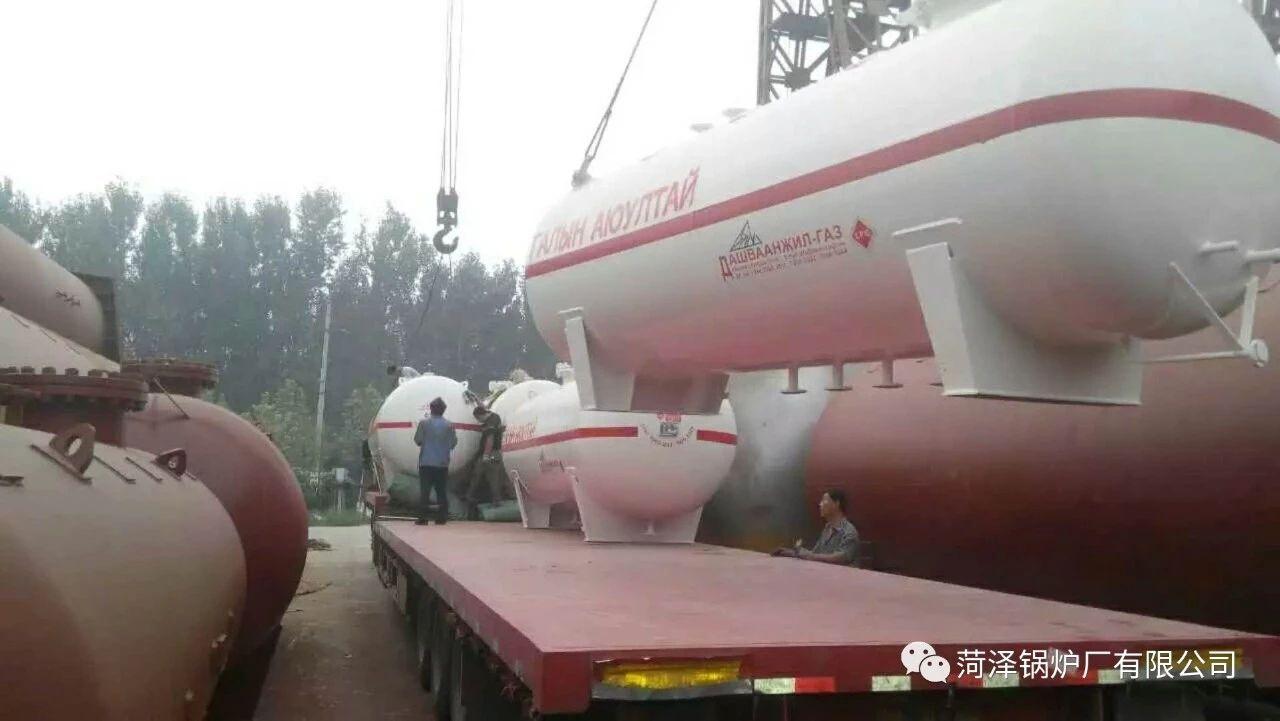
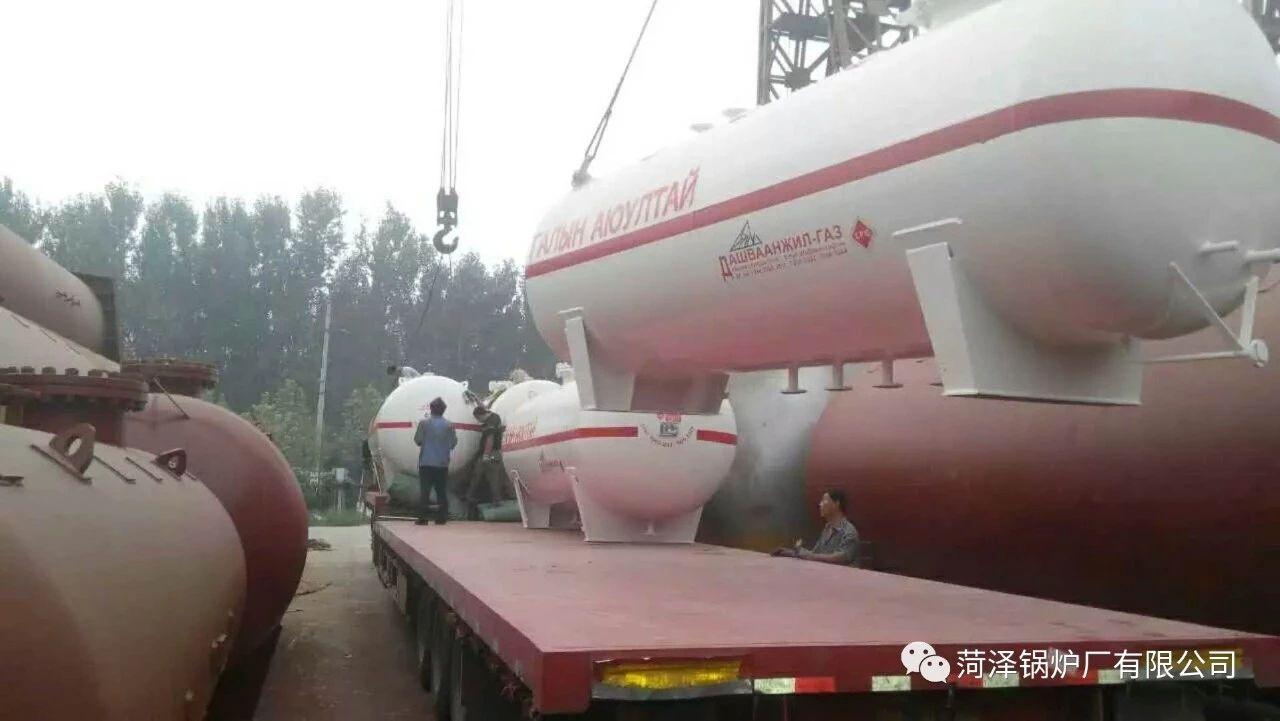
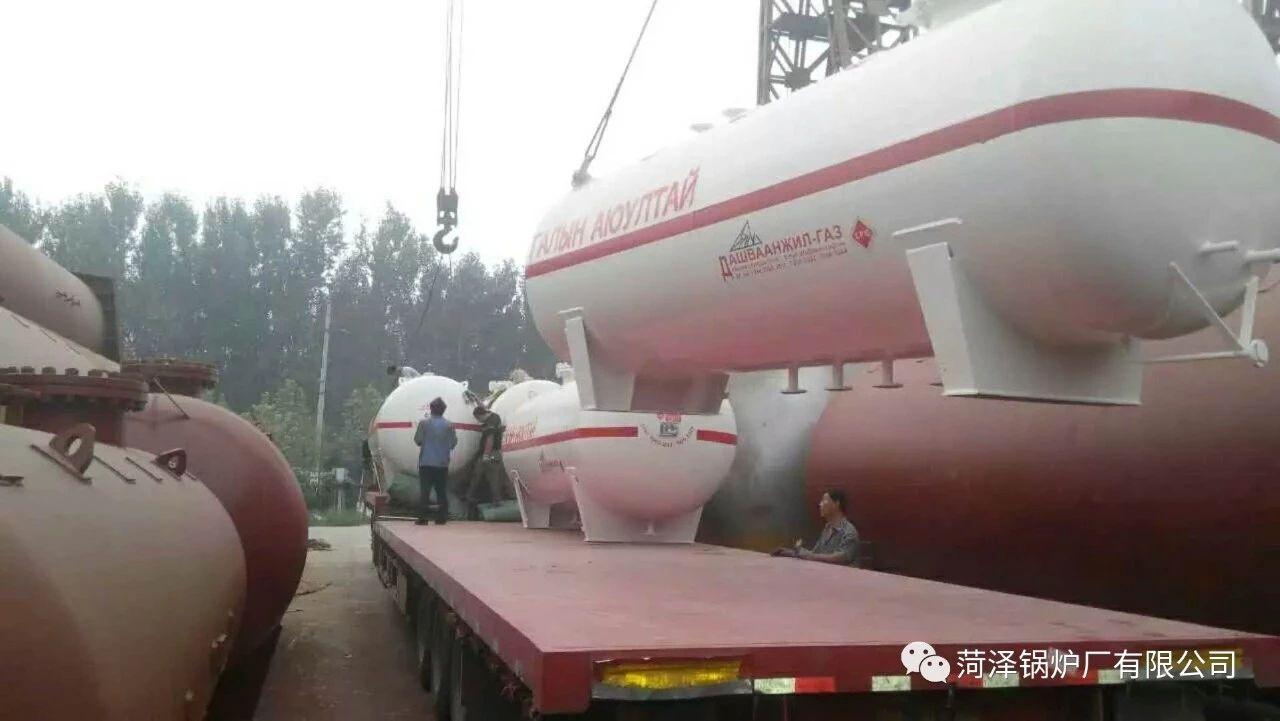

The Liquefied Natural Gas (LNG) storage tank is composed of the tank body, instruments, pipelines, valves, etc. The LNG storage tank features two types of liquid entry methods, upper and lower, which can be selected and used according to actual conditions.
The inner tank of the liquefied natural gas tank is equipped with a safety system consisting of dual safety valves. Under normal operating conditions, one set is in operation and the other in standby. If the operating safety valve trips, the manual pressure relief valve is immediately opened to release pressure below the tank's operating pressure. Simultaneously, the safety device is swiftly switched to the standby system using the manual handle, effectively ensuring the tank's safety. This safety system consists of safety valves, explosion-proof devices, vent valves, and three-way ball valves, not only reducing pipeline welding but also having excellent fire and static electricity prevention structures. Additionally, the safety relief openings on the housing are fully guaranteed to ensure the overall safety and reliability of the equipment. Low-temperature pipelines are集中引出for ease of operation and control, and the outlet is structured with Dura tubes to accommodate low-temperature requirements and reduce stress on the pipelines caused by thermal expansion and contraction, ensuring the tank's safety. The vacuum relief valve is equipped with three stages of protection.OThe shape ring seal effectively ensures the reliability of the sandwich seal, and is made of all stainless steel, featuring a compact size. The design of the liquefied natural gas (LNG) storage tank top with a suspension structure facilitates transportation, lifting, and installation. The unique manhole design ensures the cleanliness inside the container when it is sealed. Vacuum isolation valves and a combined vacuum valve with vacuum gauges are used on the LNG storage tank, which makes it easy to measure and maintain the vacuum degree in the sandwich layer, extending the lifespan of the tank and improving its quality. The LNG storage tank is equipped with a level gauge and a pressure gauge for on-site display of liquid level and pressure. The sandwich insulation material is high-quality domestic pearl sand, with the performance parameters of the pearl sand as follows:
Serial Number Indicator Name Unit Index
1 Loose Bulk Density Kg/m3 50-60
2 Particle size mm 0.1-0.2 Not less than80%
3 Thermal Conductivity (at atmospheric pressure),Temperature310-77k) W/m.k.s <0.026
4 Moisture Content(Weight) % <0.1
5 Unexpanded Rate % ≤1
6 Temperature ℃ -200℃~600℃
7 PHPlease provide the Chinese content to be translated. 6.5~7.5
Section 3: Inspection, Testing, and Acceptance
1Inspect the inner cylinder material; use only upon passing inspection.
2All welds are subject toGB150.1~150.4-2011Inspection of standards and drawings is conducted; upon passing the inspection.A、BWeld-like seam100Gamma-ray inspectionC、DWeld-like seam100Permeability testing with a certificate of inspection provided
3After the cylinder assembly is completed, please proceed as follows:GB150.1~150.4-2011Inspection of geometric dimensions, pipe end orientations, and shape deviations according to standards and drawings.
4After inspection, a gas pressure test is conducted and a pressure test report is issued. Once the gas pressure test passes, a vacuum is drawn. After the vacuum reaches the required level, a helium leak test is performed.
5After interlayer leak test passes, fill with pearlescent sand and then vacuum, achieving a vacuum degree ofGB/T18442-2011Standard requirement for sealed vacuum degree.
Section 4: Technical Documents
1After the contract is signed, the seller shall provide the buyer with the following technical documents:
⑴ Certificate of Product Quality for the equipment1Set (supplied with equipment)
Including: Certificate of Material for Main Pressure Components, Bill of Materials, Structural Dimensions Inspection Report, Inspection Plan, Product Compliance Certificate, Pressure Vessel Product Data Sheet, Welding Records, Non-Destructive Testing Report, Pressure Test Report, Certificate of Supervision and Inspection for Special Equipment Manufacturing (Local Inspection Authority), Copy of Product Brand Label
Completion drawings Each1Piece (supplied with the equipment)
Section 3: Strength Calculation Documentation1Unit (supplied with the equipment)
④ Instruction Manual1Each (provided with the equipment)
Equipment process diagram and basic reference diagrams1Piece (Contract)7Available today)
⑹ Certificate of conformity for accessory products, instrument calibration report 1Piece (provided with the equipment)

When the low-temperature storage tank is in operation, there are potential hazards such as leaks, overpressure, and explosions. If the hidden dangers before these accidents are not discovered and addressed in time, they can escalate into severe incidents. Therefore, establishing a comprehensive inspection system and strictly implementing it is crucial for ensuring the safe operation of the low-temperature storage tank.
When the low-temperature storage tank is in operation, it poses potential hazards such as leaks, overpressure, and explosions. If the hidden dangers before these accidents are not discovered and addressed in time, they can escalate into severe incidents. Therefore, establishing a comprehensive inspection system and diligently enforcing it is crucial for ensuring the safe operation of the low-temperature storage tank. The daily inspections of the low-temperature storage tank mainly include the following:
1. Are there any leaks in the valves and piping, or any frosting or sweating on the casing?
2. Are all valves in normal open/close status?
3. Are the instruments (level gauges, pressure gauges) functioning properly, and do the DCS display parameters match the field primary meters?
4. Ensure the tank pressure is normal; when the pressure approaches or equals the maximum pressure, open the vent valve to release pressure.
5. Is the liquid fill rate over 95%?
6. Is the sealed gas for atmospheric pressure powder insulation tanks normal? (50mmH2O)
7. No flammable or explosive materials, as well as any debris, are permitted within proximity of the liquid oxygen storage tank, with clear signage in place.
8. No smoking or open flames near the liquid oxygen storage tank.
9. Conduct at least one weekly chemical analysis of acetylene and total hydrocarbon content in the storage tank's liquid oxygen. The acetylene content must not exceed the specified process standards; if it does, liquid oxygen must be promptly discharged and replaced for treatment.
10. Ensure proper grounding of the liquid oxygen storage tank.
11. Ensure there is a certain amount of liquid inside the drum if it is not to be left unused for a long period, to avoid spending a considerable amount of time refilling and cooling the drum again.
12. Are the legs damaged, is the base sinking, tilting, or cracked, the condition of the fastening bolts, and any deformation of the tank?
13. Regularly check the vacuum level of the storage tank.

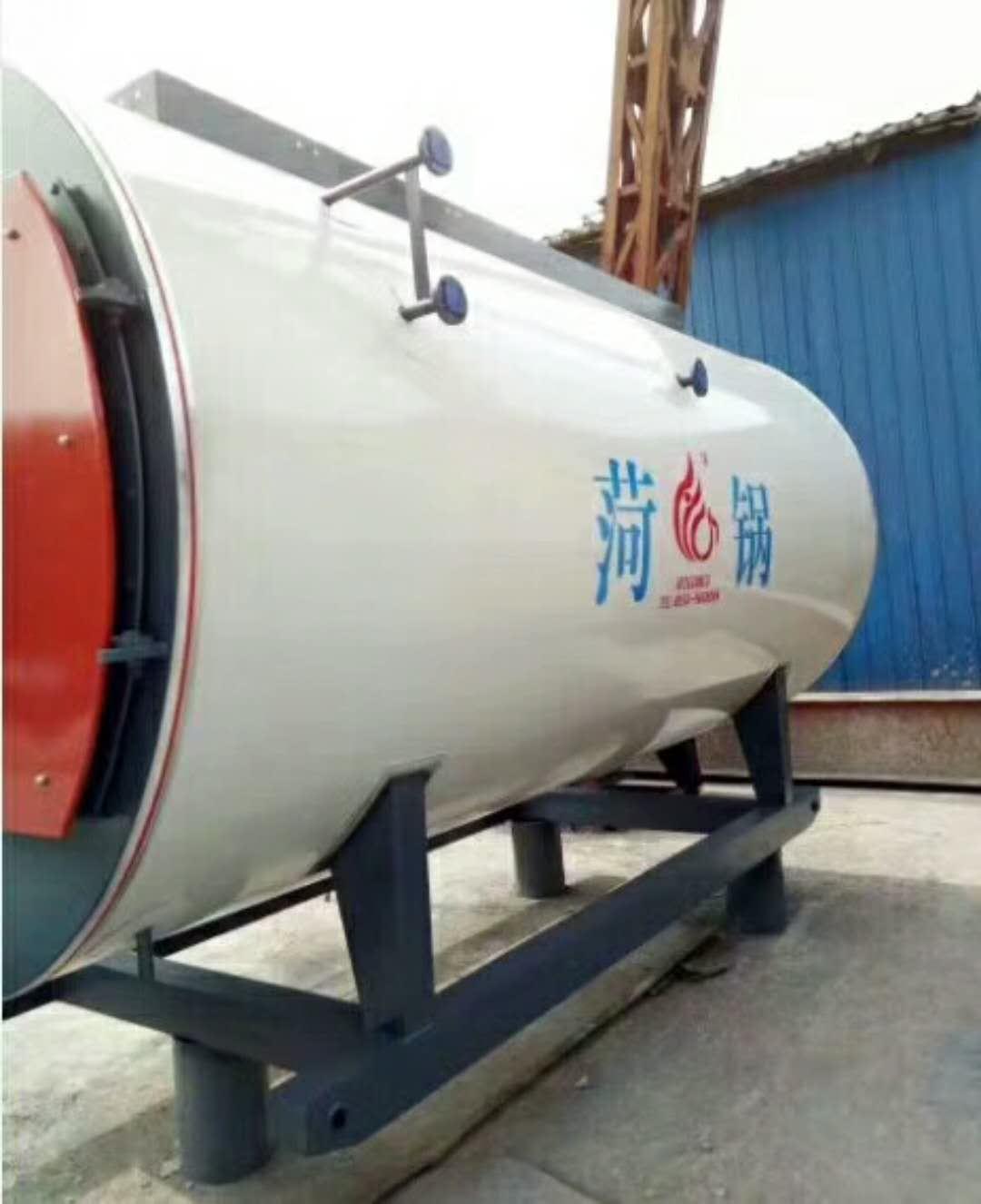

Wholesale Price of Which Natural Gas Storage Tank - Which Brand of Natural Gas Storage Tank is the Best - How Much is a Famous Natural Gas Storage Tank - Liquefied Natural Gas Storage Tank Natural Gas Storage Tank
