


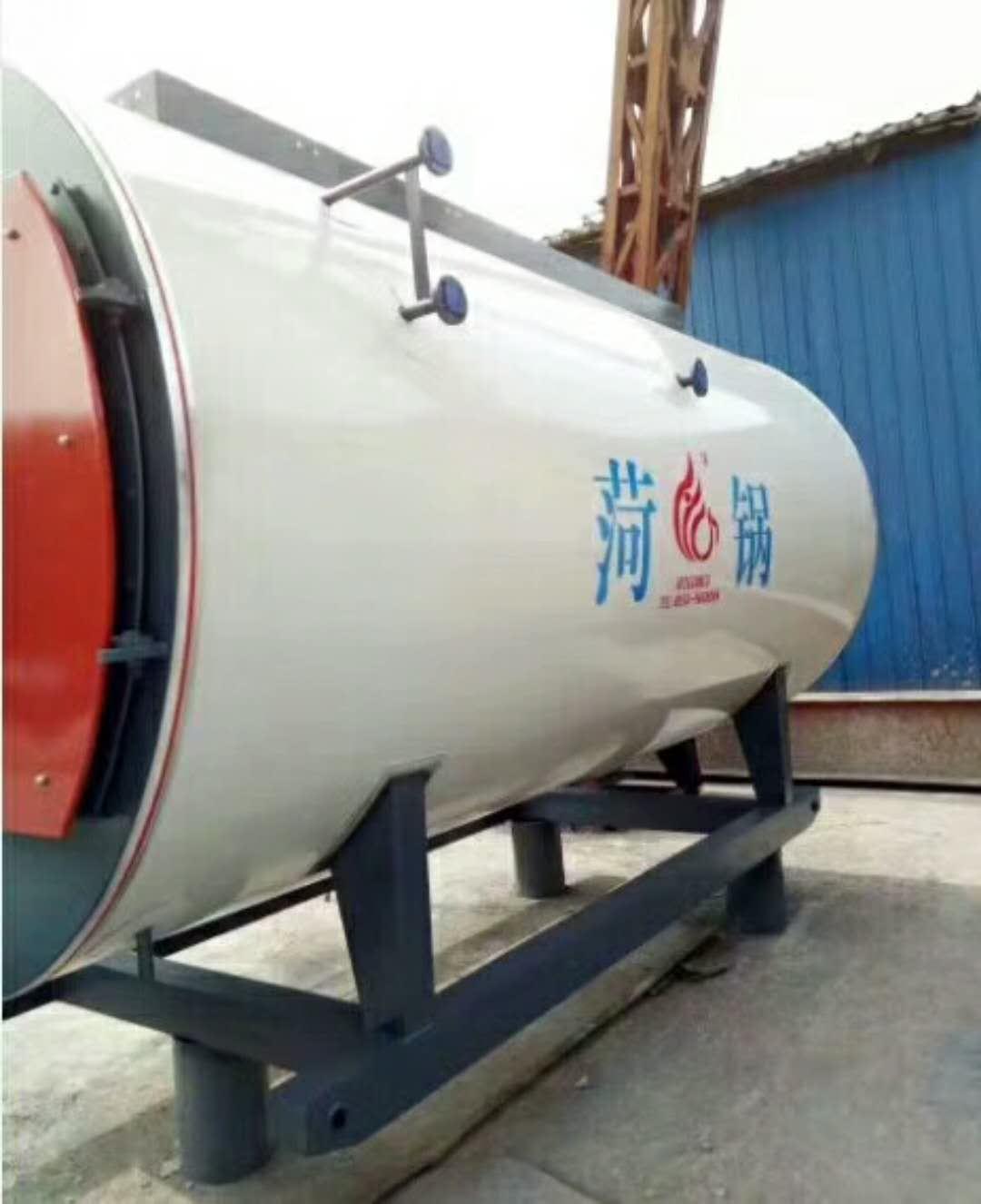

 Heze Boiler Factory Co., Ltd. was established in1984Year, located in Jining Road, Development Zone, Heze City2218Item No., Occupied Area10Over 10,000 square meters, main workshop area30000㎡. Currently staffed800Multiple personnel, including engineering technicians110Additional personnel, fixed assets2.5Billions.
The company possessesBGrade boiler manufacturing qualificationA2Grade pressure vessel design and manufacturing qualifications2Grade boiler installationGB、GCCertifications for installation of pressure pipelines, equipment and machinery, etc. The company values scientific research and innovation, and is recognized as a national high-tech enterprise, a famous trademark enterprise in Shandong Province, a provincial energy-saving and environmental protection demonstration enterprise, and a member unit of the China Chemical Equipment Association.
The company is highly focused on the special equipment industry for green energy, and is a professional manufacturer of boiler and special pressure vessel equipment. Leading products include: fuel oil(Gas)Boilers, biomass boilers, waste heat boilers, coal-fired boilers, organic heat carrier boilers, and other boiler products. LNGTanks, Oxygen/Nitrogen/Argon Storage TanksCO2Tanks and vacuum insulation cryogenic pressure vessels, LPG storage tanks, liquid ammonia storage tanks, denitrification and auxiliary equipment, heat exchangers, complete chemical equipment sets, stainless steel pressure vessels, refrigeration auxiliary equipment, etc.
Our company operates with stringent management and efficiency.ISO9001Quality Management SystemISO14001Environmental Management SystemOHSAS18001Occupational Health and Safety Management System Certification. The company holds independent import and export rights, with products sold in over twenty provinces, municipalities, and autonomous regions, and exported to Southeast Asia, Central Asia, Africa, Latin America, and other countries and regions, enjoying high praise from customers.
Corporation specializes in“Becoming a top-tier special equipment supplier in China, validating the reputation of Made in China.”To realize its vision for development, the company adheres to“Achieving employees' dreams, creating customer value, and striving for our country's prosperity.”Our corporate mission is committed to the development of green special equipment, dedicated to providing outstanding products and services to society.

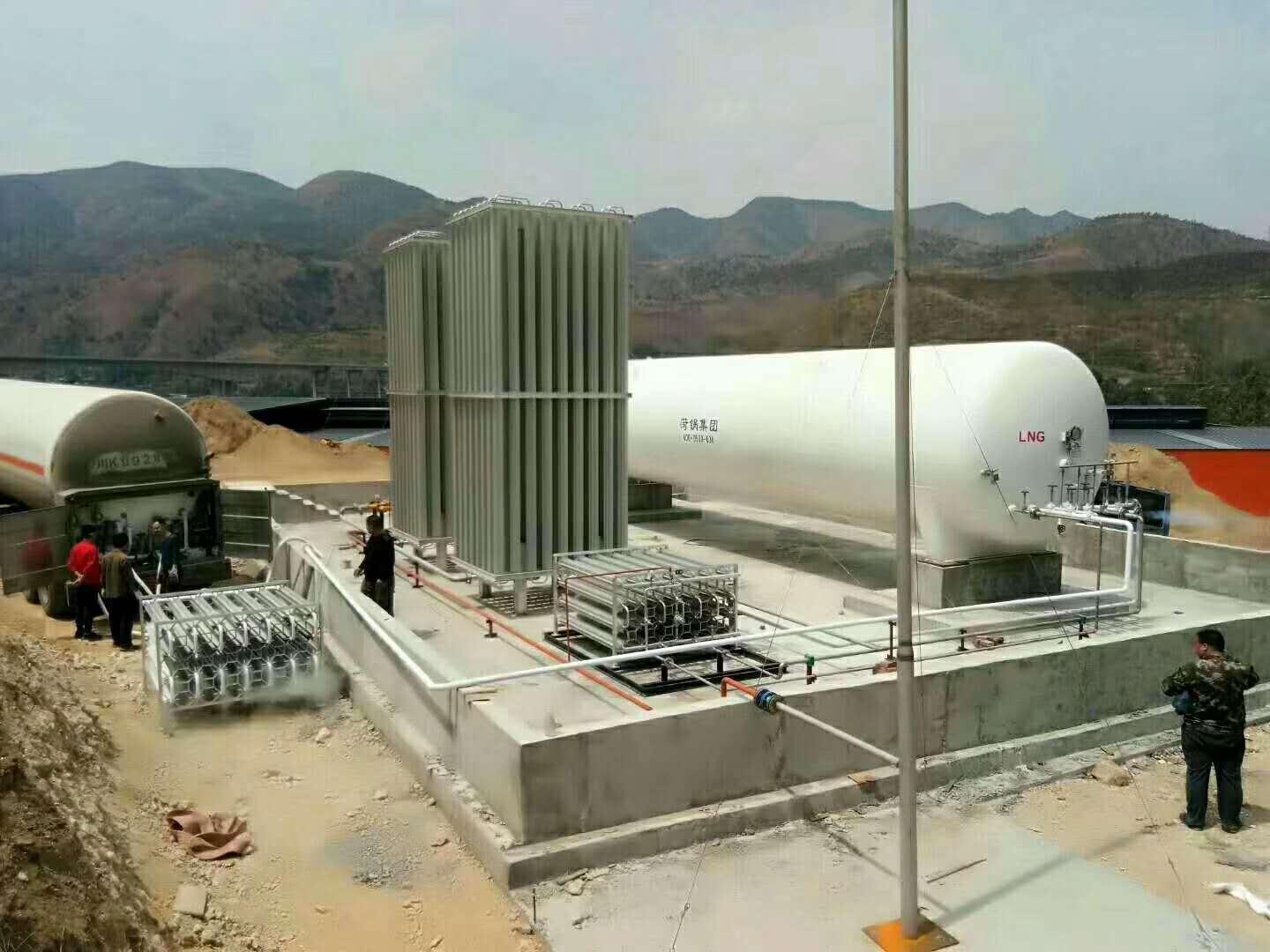
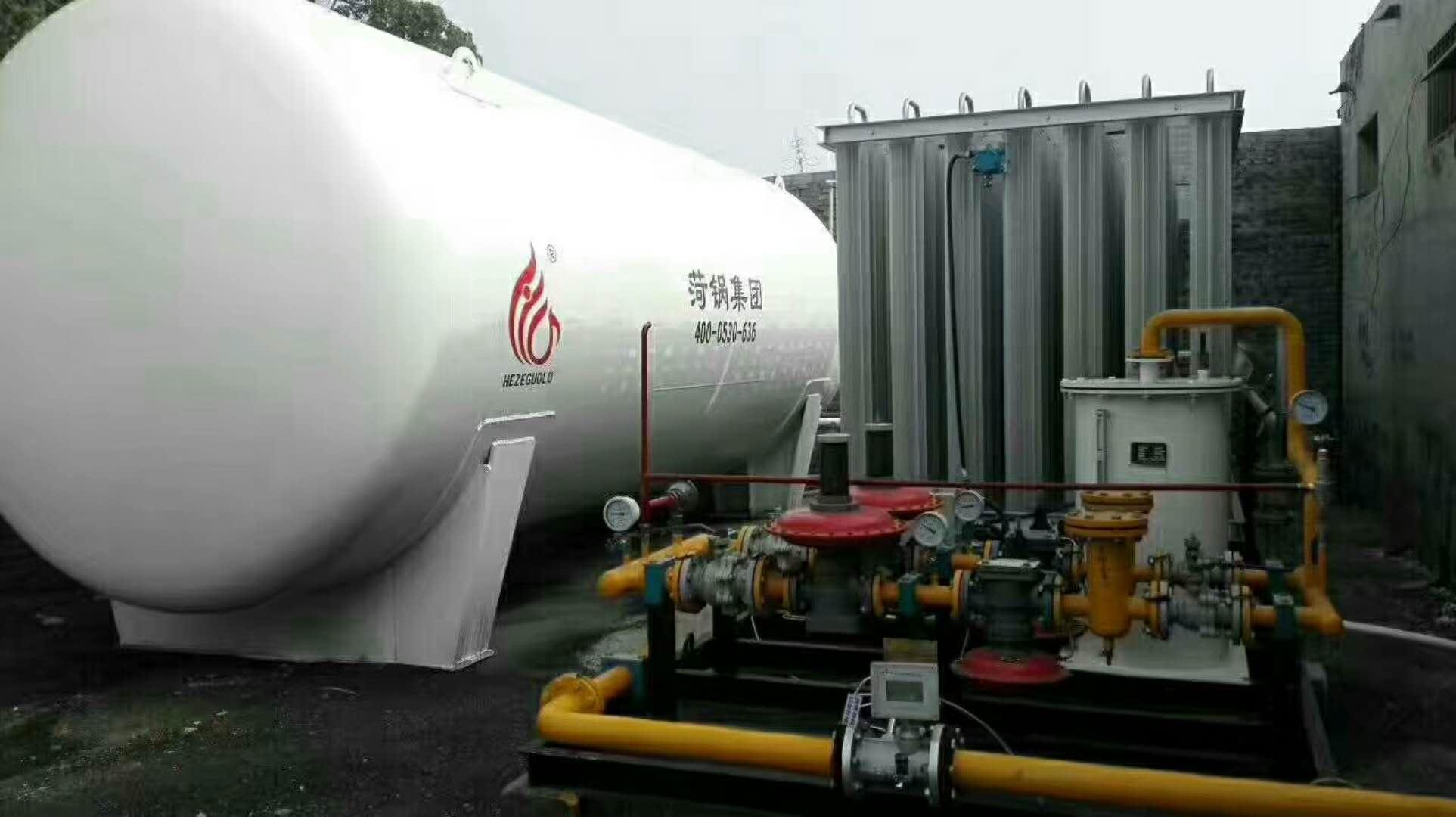
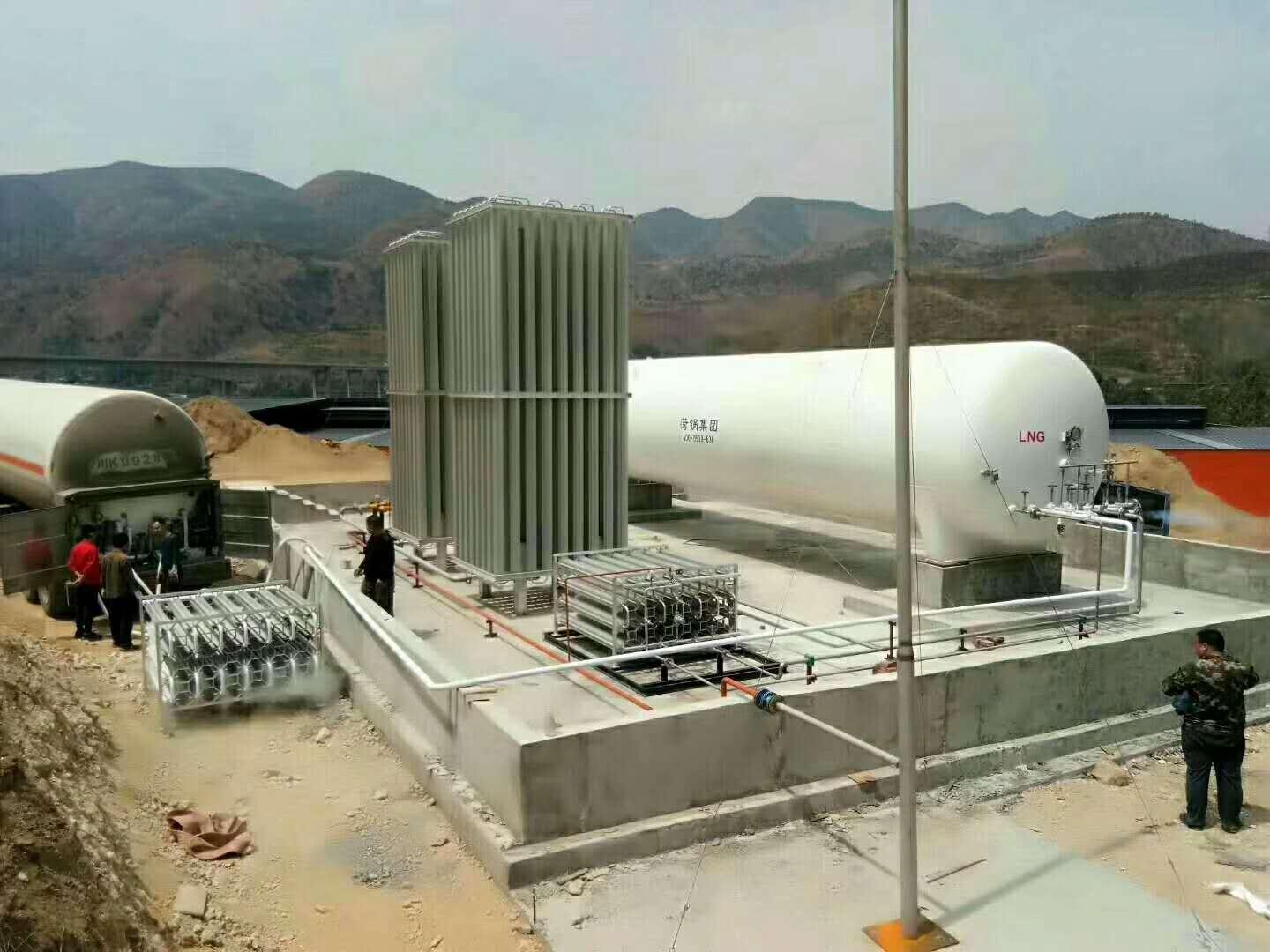
Liquefied Natural Gas (LNG) Storage Tank
Low-temperature Liquefied Natural Gas (LNG) Storage Tanks, Manufacturer of LNG Storage Tanks:Heze Boiler Factory Co., Ltd., Manager, Mr. Yu。
LNG above-ground storage tanks come in five types: The single-container tank is the most common, divided into single-walled and double-walled versions. For safety and insulation reasons, single-walled tanks are not used for LNG storage. The outer shell of the double-walled single-container tank is made of ordinary carbon steel and cannot withstand the low temperatures of LNG or the low-temperature gas; it primarily serves to secure and protect the insulation layer. Single-container tanks are generally suitable for use in areas far from populated zones and prone to catastrophic damage, as their structural characteristics require significant safety distances and land area. The design pressure of single-container tanks is typically around kPa, with operating pressure at 12.5kPa. For large-diameter single-container tanks, the design pressure is lower, with the BS7777 standard specifying a design pressure below 14kPa, which is challenging to achieve for tanks with a diameter of 70-80m. The high operating pressure is around 12kPa. Due to the lower operating pressure of the equipment, during offloading, the evaporated gas cannot be returned to the LNG cargo hold, necessitating an additional return gas fan. The lower design pressure means the recovery and compression system for evaporated gases requires more power, increasing investment and operational costs. While single-container tanks have a relatively lower investment and shorter construction period, leakage is a significant issue. According to regulations, the safety distance between single-container tanks is substantial, and fire dikes must be set up, thereby increasing land and dike investment. There should be no other critical equipment nearby. Consequently, there is a high demand for safety inspections and operations.
Liquefied Natural Gas (LNG) Storage Tanks, Low-Temperature LNG Storage Tanks, Manufacturer of LNG Storage Tanks:
Huzhou Boiler Factory Co., Ltd., Manager Yu。
(1) A trench 1.5 em deep, 20 meters wide, and 2.0 meters in length is constructed on the foundation of the storage tank. Figure 3 shows the electrolytic ion grounding electrode, and Figure 4 illustrates the installation of the electrolytic ion grounding electrode. (2) Clean the grounding electrode with a dry cloth, ensuring no oil residue; inject clean water into the ion release holes at the top, middle, and bottom of the grounding electrode. (3) Mix the GAF powdered grounding improvement agent with water, and place it at the bottom of the trench. (4) Position the grounding electrode at a certain angle on the bottom of the trench, covering the top with the improvement agent. (5) Wrap the grounding electrode lead wire with insulating tape and connect it to the grounding main using a hot melt welding method. 5 Static Grounding Setup When LPG is injected into the storage tank, the liquid flow generates charge separation. When the charges accumulate to a certain level, static discharge occurs. Since static discharge is completed in the nanosecond range, the peak current can reach dozens of amperes, making the instantaneous power tremendous and the static discharge highly destructive. To avoid static hazards: 1) Limit the flow speed of flammable liquids to greatly reduce the generation and accumulation of static electricity; 2) Ensure proper static grounding. Static grounding provides a path for the release of static charges by grounding. The grounding circuit must be connected reliably; otherwise, spark discharges will occur at points of poor contact. The specific method is: welding grounding bolts on the inner wall of the storage tank and connecting them to the outer metal body through 70 mm² insulated copper-core wire to release static electricity. The static grounding connection is shown in Figure 5. Figure 5 Static Grounding Connection Wall 6 Grounding Test Results According to GB 50057-2010, Article 4.3.10, the冲击 grounding resistance value at each grounding point should not exceed 30 Ω. According to GB 12158-2006, "General Guidelines for Preventing Static Electricity Accidents," Article 6.1.2, to dissipate static charges quickly in static hazard areas, all objects that are conductors of static electricity must be grounded. The grounding resistance value of each statically grounded body should generally not exceed 100 Ω. In areas with high soil resistivity, such as 100 Ω zones, the grounding resistance value should also not exceed 1000 Ω. After the lightning protection grounding project is completed, the measured grounding resistance value is 0.8 Ω, and all grounding lead wires are well connected to the grounding main, meeting the lightning protection grounding requirements.
LNG Storage Tanks, Low-Temperature LNG Storage Tanks, Manufacturer of LNG Storage Tanks:
Huzhou Boiler Factory Co., Ltd., Manager Yu。
Current Transformer Secondary Circuit Open Circuit Differential Protection. The differential protection output is locked or unlocked by selecting the control word when the secondary circuit of the current transformer is open-circuited and the differential current is not significant. When the secondary circuit of the current transformer is open-circuited and the differential current is low, the differential protection device emits an alarm signal, notifying the dispatch personnel to shut down the transformer for maintenance by reversing the load. This prevents the main transformer from tripping due to the open-circuit of the secondary circuit of the current transformer. If the differential current increases to the set value of the open-circuit differential protection (usually the rated current of the transformer, P), then the open-circuit differential protection is activated. This ensures that the transformer differential protection operates, the main transformer trips, and the protective device can correctly disconnect the fault current, preventing the accident from escalating. This can be considered a compromise solution that balances the advantages and disadvantages of the first two methods, achieving good results. For the 3rd main transformer of the 1st 110kV substation (capacity 63 MVA, voltage ratio 110kV/10.5kV, connection type YNdll, primary current transformer ratio 600A, secondary current transformer ratio 4000A), the differential protection set values are as follows: differential instantaneous current set value, ..=4.4A, differential protection trip set value, ..=0.28A, ratio trip coefficient K=0.5, secondary harmonic trip coefficient 0.15, open-circuit differential protection set value 0.8. On a certain day at 06:42, an alarm was reported at the back-end of the 1st substation, indicating an open-circuit in the secondary circuit of the differential protection current transformer of the 3rd main transformer, with a sudden current of 0.08A and a phase difference current of 0.056A. After contacting the dispatch personnel to reverse the load and shut down the power, the equipment was inspected and found to be loose terminal blocks on the SF6 enclosed switchgear. After tightening the terminal blocks, the fault was cleared.


专业制造LNG储罐哪个牌子好-正品LNG储罐什么牌子好-专业定做LNG储罐报价-专用LNG储罐定做
