



Operation and Usage Instructions
1. Utilize security management
(1) The user unit shall, in accordance with regulations, apply for and obtain the "Special Equipment Operation Registration Certificate" from the department responsible for special equipment operation registration at the location within 30 days before or after the product is put into use.
(2) Users shall comply with the relevant requirements of the "Special Equipment Operation and Management Regulations" to ensure safety management for this product. This includes appointing a safety management supervisor, safety staff, and operational personnel, establishing various safety management systems, formulating operational procedures, and conducting inspections.
2. Pre-Use Preparation
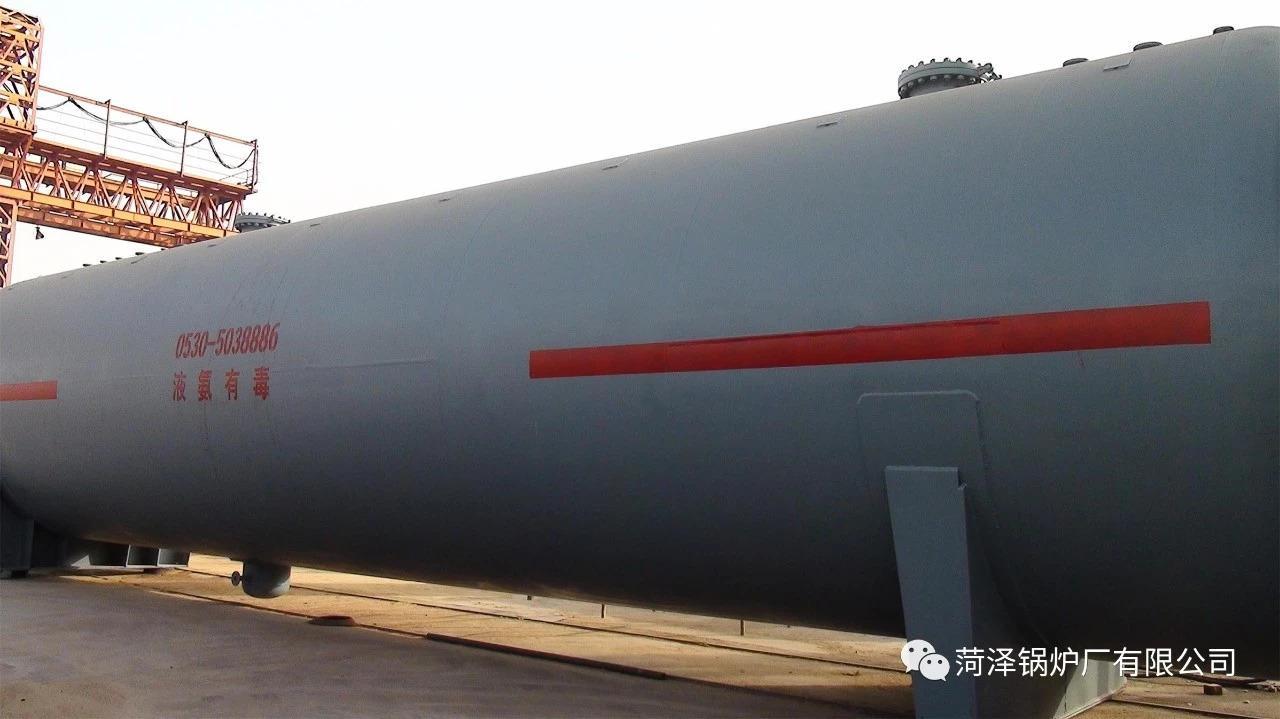
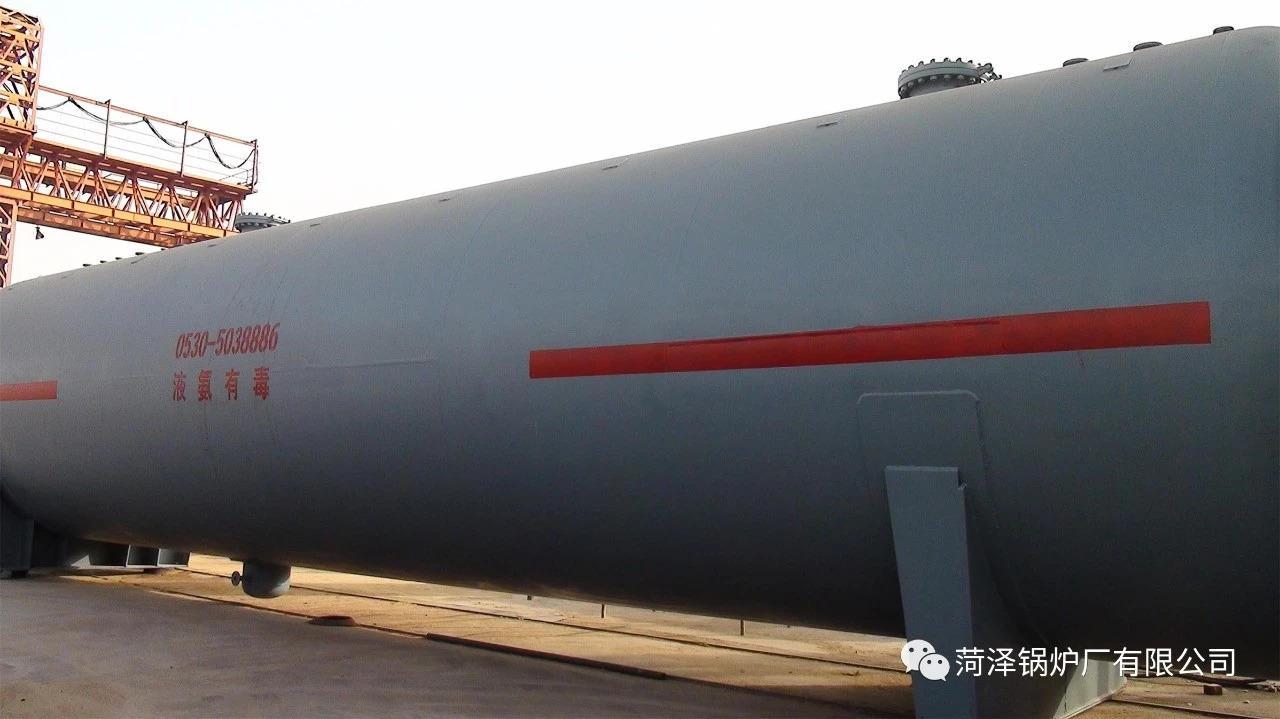
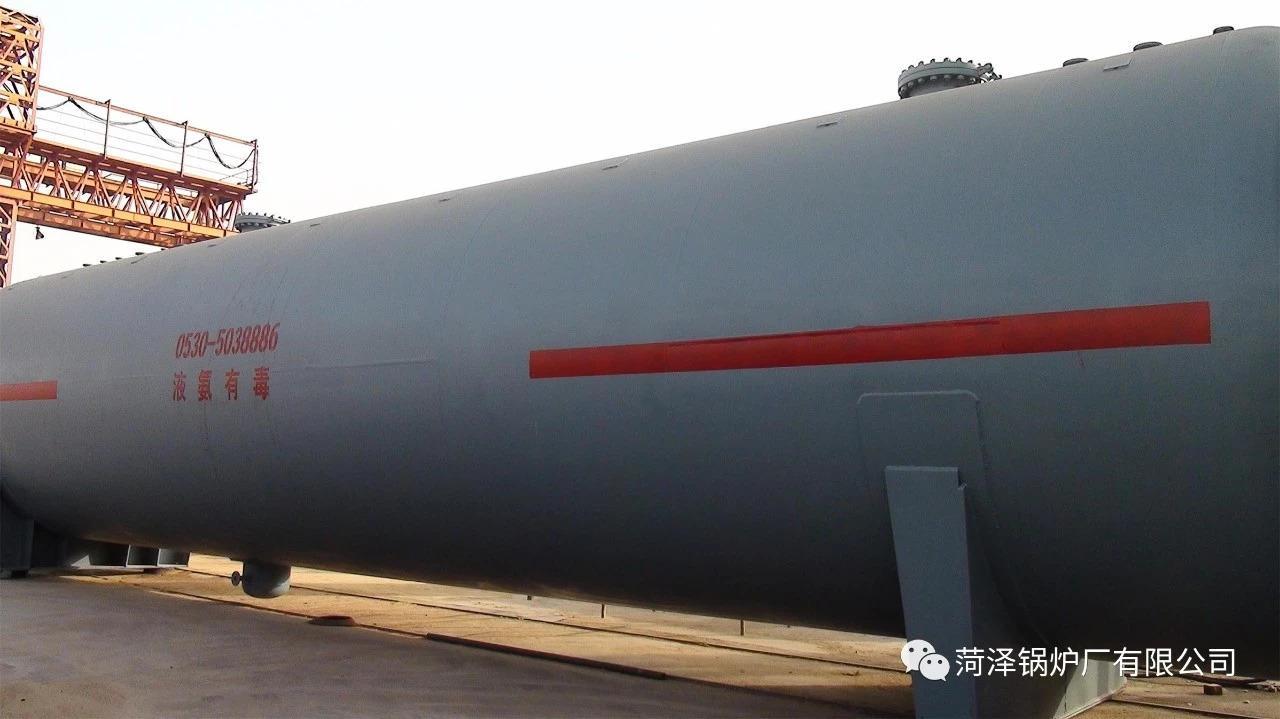
Tanks and associated pipelines are installed and placed in position. After passing the acceptance inspection, prepare for pre-use.
The tank must be purged with dry nitrogen and pre-cooled with liquid nitrogen prior to its first use. The purge pressure should not be less than 0.2 MPa.
Prior to blowing, loosen the connections at both ends of the differential pressure (level) gauge, and fully open the combination valve A9 of the differential pressure (level) gauge. Check if there is any moisture in the exhaust air flow. If moisture is present, continue blowing until it stops. Tighten the connections at both ends of the differential pressure (level) gauge, and close the equalizing valve to put the differential pressure (level) gauge into normal operating condition.
Prior to the first filling of the tank with LNG, the tank should be purged with LNG gas to replace any liquid nitrogen or nitrogen inside. First, open drain valve A-6 to vent the nitrogen, then close the valve. Open vent valve A-12 and transfer LNG gas from the LNG tank containers into the tank through the unloading platform. Once the tank pressure reaches 0.1-0.2 MPa, close vent valve A-12, stabilize for 3 minutes, then open drain valve A-6 to vent. Repeat this process 2-3 times, and the purging is complete. Use a flammable gas detector or take air samples for ignition tests to check the extent of purging.
Upon the first filling of LNG, the tank must be pre-cooled or check the pre-cooling status of the tank previously. The inflow speed should be strictly controlled and operated slowly. First, slowly open the upstream filling valve A-2, and transfer LNG from the tanker to the tank through the unloading platform. Due to the lagging vaporization process when LNG is transferred into the tank, closely monitor the rate of pressure increase within the tank. Ensure the inflow volume is minimal. When the pressure reaches 0.3 MPa, open the gas exhaust valve A-12 to depressurize; if necessary, close the upstream filling valve A-2. Through continuous inflow and exhaust, pre-cool the tank. After a period of controlled inflow, when the tank pressure stabilizes and the liquid level gauge indicates a certain level within the tank, gradually increase the opening of the upstream filling valve A-2 and open the downstream filling valve A-1.
3. Initial Filling Operation for Storage Tanks
(1) Open the liquid inlet valves A-2 and A-1 at the top and bottom simultaneously for filling. During the filling process, monitor the differential pressure (level) gauge readings. Open the full indicator valve A-4 to vent the gas in the storage tank. Close valve A-4 immediately upon the release of LNG gas.
(2) When the tank is filled to over 50% of its capacity, valve A-1 should be closed.
(3) Upon reaching 85% of the storage tank's volume, close valve A-2, cease filling for 5 minutes to stabilize the liquid level in the container. Then, reopen valve A-2 to continue filling and activate valve A-4 to indicate fullness. Close valve A-4 and A-2 immediately when liquid starts to flow from A-4, and halt filling.
4. Tank Refilling Liquid Operation Procedure
(1) Upon the first formal filling of the tank, the gas phase pressure within the tank should be as low as possible during subsequent refills.
(2) Fill both the upper and lower sections simultaneously. When the differential pressure (level) gauge indicates approximately 50% of the tank's capacity, close the lower inlet valve A-1. When filled to about 85% of the tank's capacity, close the upper inlet valve A-2, stop filling for 5 minutes to allow the liquid level in the container to stabilize, then open the upper inlet valve A-2 to continue filling, and open the full indicator valve A-4. Continue filling until liquid begins to discharge from the full indicator valve A-4, at which point close the full indicator valve and simultaneously close the upper inlet valve A-2, then stop filling.
(3) Monitor the pressure gauge and differential pressure (level) meter during the filling process. (If the pressure rises above the filling transfer pressure or close to the safety valve pressure, the exhaust valve A-12 must be opened to release an appropriate amount of gas from the storage tank to relieve pressure.)
(4) Fill out the operation record form.
5. Storage Tank Pressure Boosting Operation Procedure (Valves and equipment for this stage are provided and installed by the owner)
Using a supercharger can increase the pressure inside the tank. The boost pressure is controlled according to the draining requirements and must not exceed the tank's maximum working pressure. The boost system of this tank is controlled by a pressure regulating valve, with the product pressure adjustment range being 0.2 to 0.8 MPa. The boost operation procedure is as follows:
Check if the pressure gauge is in working condition.
(2) Confirm that the boost system pressure regulation valve is open.
(3) Gently open the shutoff valve.
(4) When stopping the draining, close the shutoff valve to prevent the tank pressure from rising.
(5) Important Notes:
1) During operation, the LNG tank must maintain a liquid level of ≥15%.
2) When operating the boost system, safety must be a priority, with strict monitoring and personnel strictly prohibited from leaving the site without authorization.
6. Tank Pressure Reduction Procedure
Open the vent valve A-12 to reduce the vapor pressure inside the storage tank to no more than the pressure set by the pressure regulator, then close the vent valve A-12.
7. Tank Discharge Procedure
(1) Inspect the tank's pressure gauge, differential pressure (level) meter, flammable gas detector, and safety valve to ensure they are operating normally.
(2) Check if the pipeline valves, pressure gauges, and safety valves are in normal working condition.
(3) Prepare all explosion-proof tools and wear protective gear.
(4) Inspect the IV line and open drain valve A-6.

Low Temperature Valve Fault Handling
Common failures of low-temperature valves: leakage at the handwheel stuffing box; leakage at the valve cover nut; internal leakage of the valve; leakage at the valve-pipe connection.
Leakage at the handwheel stuffing box or valve cover nut can be tightened with a wrench when the storage tank is not pressurized; it is strictly forbidden to tighten under pressure.
Valve internal leakage is usually caused by solid particles in the valve core or wear from frequent opening and closing. Both inlet and outlet valves are typically dual valves, with one in reserve. When internal leakage is detected, close the reserve valve and repair the leaking valve. First, loosen the valve cover nut with a wrench, remove the valve stem, and dry the valve disc and cover stem with a hairdryer; then clean the valve body sealing surface and the valve disc sealing gasket, and wipe away any condensation and water. If the valve disc gasket has unevenness, cracks, or grooves, replace it immediately with a spare gasket. If wear marks are found on the valve body sealing surface, smooth them with metallographic sandpaper (use fine wood sandpaper on the back if unavailable). Before reassembling, carefully remove dust, condensation, and water, and tighten the valve cover nut.
When leakage is found at the valve-pipe connection, please have a qualified unit perform the repair. During the repair, drain the liquid completely and empty the system. For oxygen equipment, replace it to ensure oxygen content is less than 21%. Before welding, leave the valve semi-open and loosen the valve cover nuts. After welding, retighten the nuts and conduct an air tightness test on the piping system.
Differential Pressure (Level) Gauge Fault Handling
Common issues include malfunctioning indicators and trembling pointers.
1) Failure of the indicator includes the pointer not returning to zero and the pointer remaining fixed at a certain value. If the former is the case, it is usually due to improper use, i.e., the combination valve of the differential pressure (level) gauge is not in a balanced state before filling, causing the pointer to not return to zero. Open the combination valve after the liquid enters from the lower inlet. If the deviation between the pointer and zero is very small, you can loosen the screw holding the fixed gauge needle, move the pointer back to zero, and then tighten the screw.
2) Pointer jitter is usually due to a leak in the gauge tube, so carefully inspect the gauge tube, combination valve of the level gauge, and related connections of the pressure gauge. Additionally, if the liquid is overfilled, causing a differential pressure (level) gauge to intake liquid, the tube may also exhibit jittering.
(4) Summary of Fault Handling Methods
Potential Faults during Use, Causes and Solutions are listed in the table below.
Troubleshooting Methods
Fault Phenomenon Cause Solution Method
During use, internal pressure
An abnormal increase occurred: a. The turbocharger's intake valve is not sealing properly, causing internal leakage. The turbocharger intake valve is being ground and inspected.
b. The pressure gauge indicates inaccurately. Inspect or replace the pressure gauge.
Pressure (Level) Gauge Indication is Inaccurate a. Pressure (Level) Gauge Malfunction. Inspect the Pressure (Level) Gauge.
b. Leakages in the upper and lower pipes of the differential pressure (level) gauge. Repair and seal leaks.
c. Leaking at the differential pressure (level) gauge connection. Repair and remove the leak.
Evaporation rate exceeds design
Value, sweating and frosting at the top. a. The vapor vent valve is not tightly closed or there is internal leakage. Valve grinding and maintenance required.
b. Vacuum degradation. Re-evacuate the vacuum.
c. Top iridescent sand has settled, and the sand is not fully packed. Reinstall iridescent sand and re-purge vacuum.
Leakage of liquid or gas from the valve cap or joint: a. The sealing gland is not tightly compressed. Tighten the gland cover.
b. Seal ring damaged. Replace the seal ring.
c. Sealed surface damage. Repair or replace parts.
d. Weld Seam Leaks - Repair welding (but should be done according to repair welding requirements).
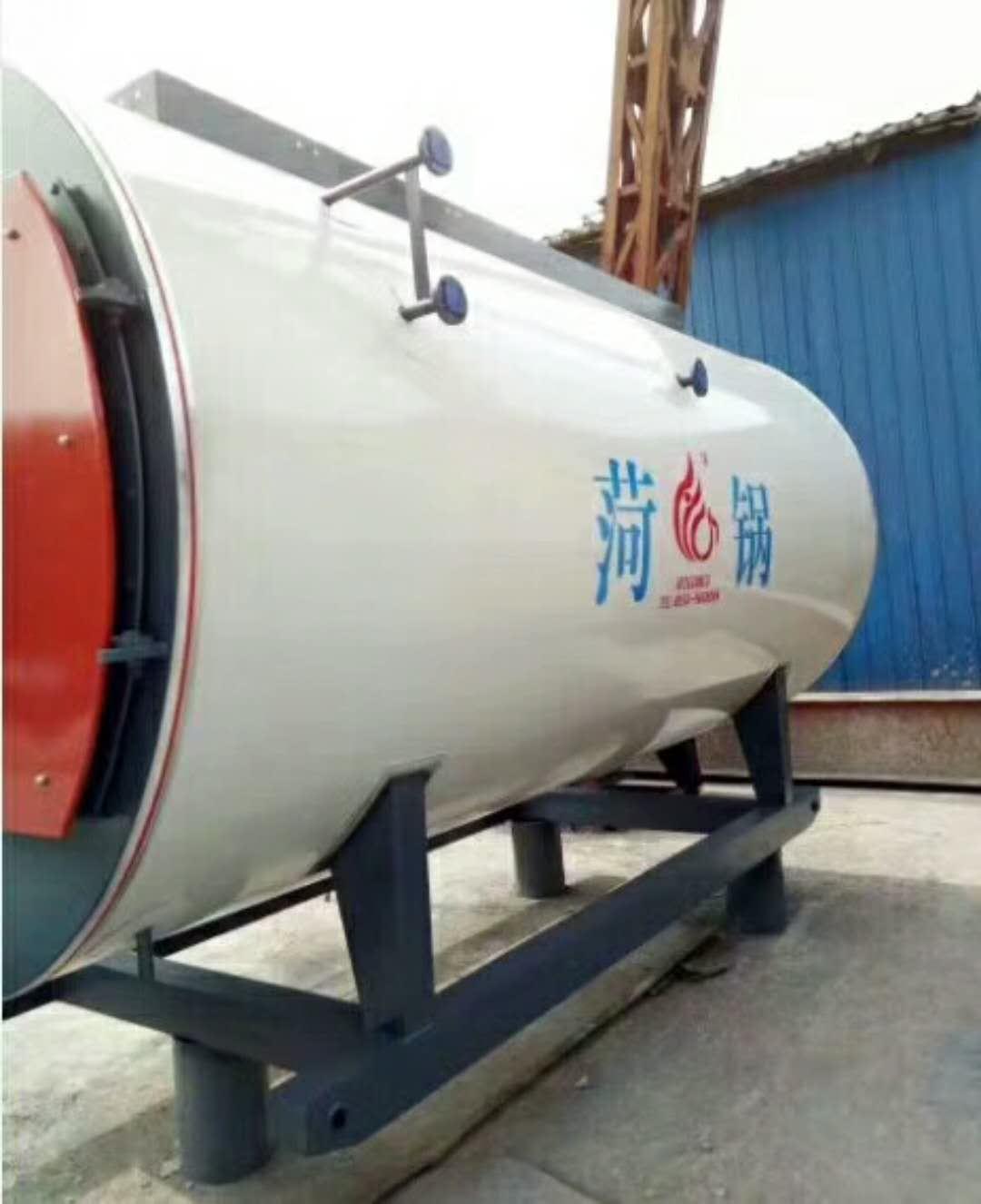
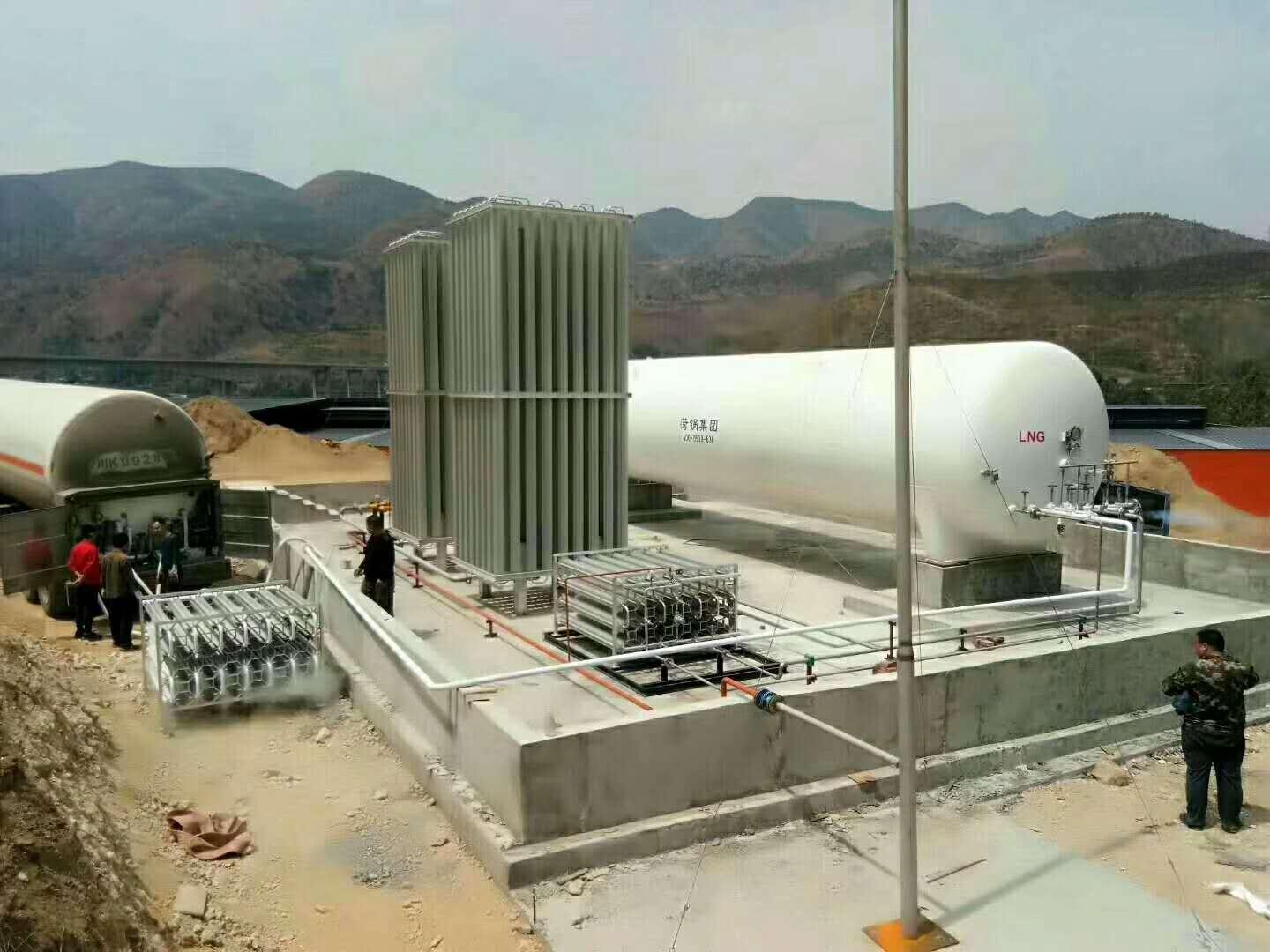

Professional LNG Tank Supplier - Supply Various LNG Tank Models - Genuine LNG Tank Models - Which Professional Supplier for Genuine LNG Tanks
