


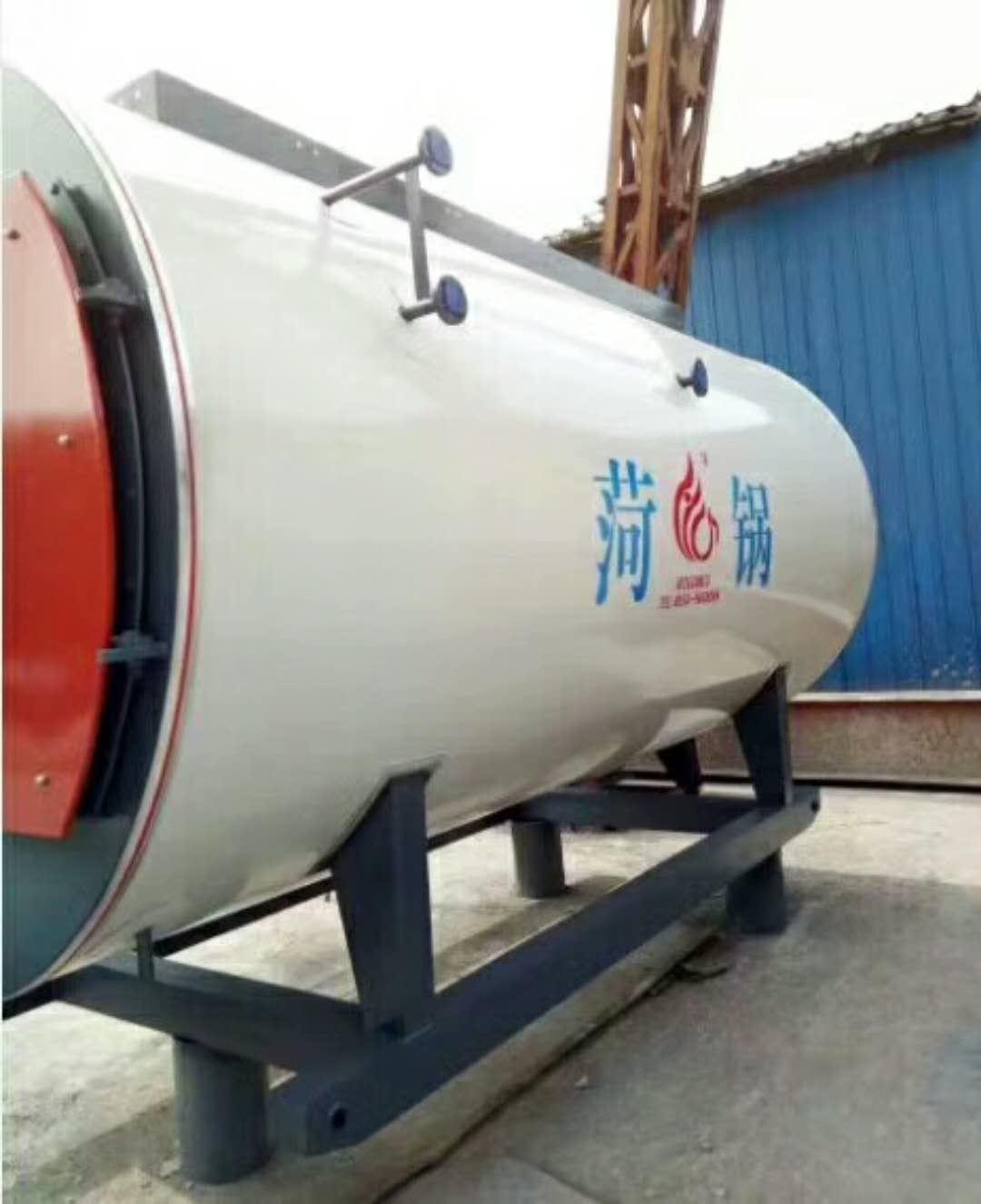
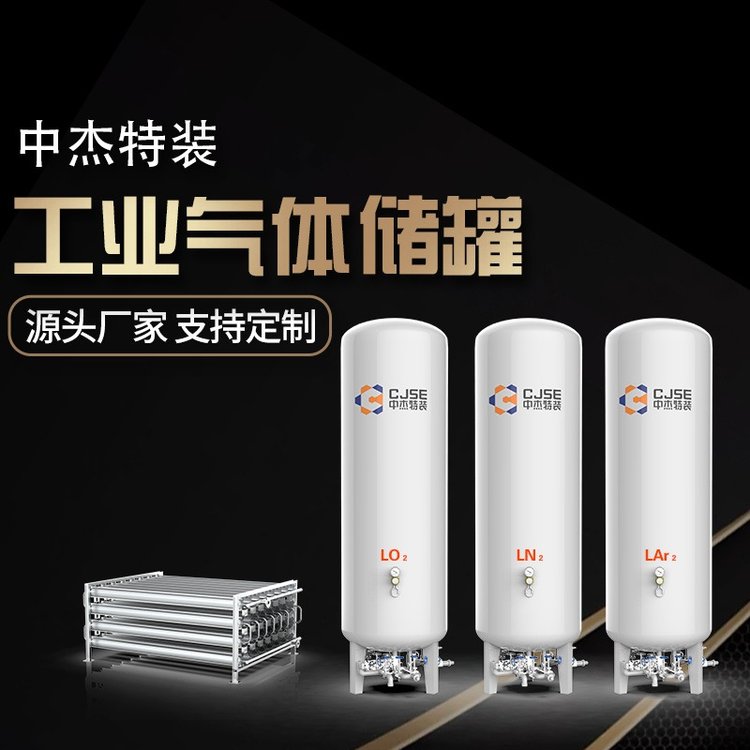
Shandong Zhongjie Special Equipment (formerly Heze Boiler Factory Co., Ltd.) was established in 2001, located at No. 2218 Jinnan Road, Development Zone, Heze City, with a registered capital of 50 million yuan and total assets of 500 million yuan. The company has 7 business centers: boilers, deep-freeze containers, pressure vessels, central air conditioning, engineering installation, international trade, and the Internet of Things. It has three factory sites on Jinnan Road, East Changjiang Road, and Bohai Road, covering a total of 200,000 square meters, with the main workshop spanning 83,000 square meters. It currently employs 710 people, including 247 engineers and technicians and 82 intermediate-level technical personnel. In December 2016, it was recognized as a "High-tech Enterprise" by the Science and Technology Department. In June 2021, it was identified as a "Specialized and New Enterprise in Shandong Province" by the Ministry of Industry and Information Technology. In June 2022, it was recognized as a "Gazelle Enterprise in Shandong Province" and in August 2022, it was identified as a "Specialized and New Small Giant Enterprise" by the Ministry of Industry and Information Technology.
In the event of a CO2 storage tank leak, the following measures should be taken immediately to address the situation:
1. Ensure Personnel Safety: First, ensure that people evacuate the leak area quickly and move away from any potential hazards. If necessary, use appropriate personal protective equipment, such as respirators and protective suits.
2. Cut Off Gas Supply: As soon as possible, shut off the CO2 supply source to stop further leakage. Close related valves or switches, or disconnect from the tank.
3. Prevent Ignition Sources: Ensure there are no open flames or other potential heat sources that could cause a fire in the leak area. If there is a fire risk, take immediate appropriate fire-fighting measures.
4. Ventilation: Activate ventilation equipment to increase air flow, which helps dilute and expel the leaked CO2 gas. Ensure that ventilation equipment is functioning properly and that the ventilation system does not introduce CO2 gas into other areas.
5. Seal Leak Points: If possible, attempt to seal the leak points using suitable materials or methods to reduce or stop the leakage. This may require assistance from personnel.
6. Notify Relevant Departments: Promptly inform emergency, environmental protection, or other relevant agencies of the leak situation and follow their instructions.
Please note that handling CO2 storage tank leaks is a dangerous task and should only be performed by trained and experienced personnel. Always adhere to relevant safety operating procedures and guidelines during the process.
When conducting routine inspections of CO2 storage tanks, follow these steps:
- Visual Inspection: Check for any visible damage, corrosion, or oil leakage on the tank's exterior. Pay attention to the tank shell, valves, and pipeline connections for abnormalities.
- Valve and Pipeline Check: Verify that the tank's inlets and outlets, as well as pipeline connections, are functioning normally with no leaks or loose fittings. Ensure valves operate smoothly and reliably.
- Pressure Relief Device Check: Inspect the tank's pressure relief devices (such as safety valves) for proper operation. Confirm that the set pressure meets requirements.
- Level Measurement System Check: Assess the accuracy and reliability of the level measurement system. Calibrate the level sensors to ensure precise level readings.
- Pressure and Temperature Check: Confirm that the tank's pressure and temperature sensors are working correctly. Verify the accuracy of pressure and temperature measurements.
- Safety Equipment Check: Inspect the tank's safety equipment, such as safety valves, pressure sensors, and temperature sensors, for proper operation. Confirm that their set parameters meet requirements.
- Fire Protection Equipment Check: Ensure that fire protection equipment around the tank is in good condition and check that extinguishers, sprinkler systems, etc., are functioning correctly.
- Liquid and Gas Quality Check: Ensure that the liquid and gaseous CO2 in the tank meets quality requirements, with no impurities or contaminants.
- Documentation and Reporting: Record the date of inspection, content of the inspection, identified issues, and measures taken. Submit inspection reports to relevant departments or management as needed.
These are general steps for routine inspections of CO2 storage tanks. Specific operations should be tailored to the tank's characteristics and requirements. When conducting inspections, follow relevant safety operating procedures and have trained personnel perform the operations.
Carbon dioxide storage tanks can vary in size and structure based on specific application and capacity requirements. Here are some common dimensions and structures of carbon dioxide storage tanks:
Dimensions: The size of carbon dioxide storage tanks can range from small to large, varying according to capacity. Common size ranges include a few thousand to several tens of thousands of liters.
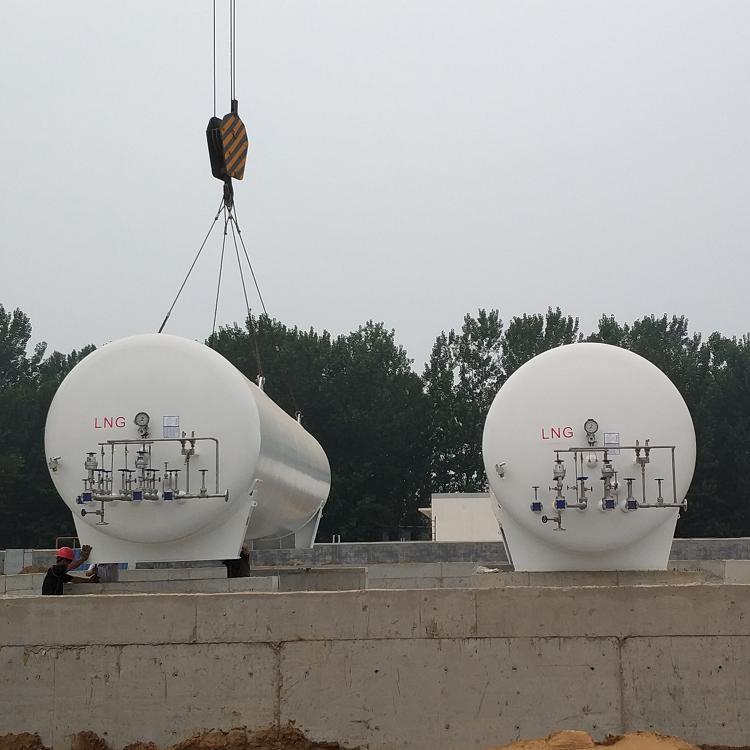
Structure: Carbon dioxide storage tanks typically feature a double-walled design, with the inner wall for storing liquid CO2 and the outer wall for insulation. The inner wall is usually made of stainless steel or aluminum alloy, offering excellent corrosion resistance.
Insulation: To maintain the low temperature of the liquid CO2, the outer wall of the tank usually has an insulation layer to reduce heat transfer and maintain低温. The insulation can be a multi-layer structure, such as polyester foam or glass wool.
Pressure Relief Devices: Carbon dioxide storage tanks are usually equipped with pressure relief devices, such as safety valves, to control internal pressure. The set pressure of the pressure relief devices should meet relevant requirements and be inspected and maintained regularly.
Connecting Pipes: The connection between the tank and pipes is typically done using appropriate methods, such as flange connections or threaded connections. The connecting pipes should comply with relevant standards and regulations to ensure a secure and leak-proof connection.
Support Structure: Large carbon dioxide storage tanks often require a support structure to bear their weight. The support structure can be made of steel or concrete, ensuring the tank's stability and safety.
It's important to note that the specific dimensions and structures of carbon dioxide storage tanks may vary depending on different applications and requirements. When selecting and using carbon dioxide storage tanks, considerations should be based on the specific application and demand.
The installation of a carbon dioxide storage tank safety valve is a crucial measure to ensure the tank can safely release pressure in case of overpressure. Below are general installation steps:
1. Select the appropriate safety valve: Choose a suitable safety valve based on the tank's design pressure and flow requirements. Ensure the rated pressure and flow of the safety valve meet the tank's specifications.
2. Installation location: Select a suitable position for the safety valve, typically on the top or side of the tank. Ensure the safety valve can discharge pressure smoothly and is not obstructed by other equipment or structures.
3. Preparations: Clean the tank surface at the installation location to ensure there are no debris or dirt. Check the tightness of the safety valve and connecting pipes to ensure there are no damages or leaks.
4. Install the safety valve: Connect the safety valve to the tank using the appropriate fasteners and sealing materials. Follow the installation instructions of the safety valve to ensure a secure and reliable connection with the tank.
5. Adjustment and testing: Adjust and test the safety valve according to its specifications and requirements. Ensure the safety valve operates normally within the set pressure range and can release pressure in a timely manner.
6. Labeling and record-keeping: Label relevant information on the safety valve and tank, such as the rated pressure and flow of the safety valve, installation date, etc. Record the installation process and test results for future reference and maintenance.
Please note that the installation of carbon dioxide storage tank safety valves must follow relevant safety operation procedures and standards. If you do not have the necessary knowledge and experience, it is recommended to consult personnel or manufacturers for installation.
Our company highly values technological innovation and research and development. We have one city-level technical center in Heze City, equipped with testing facilities for non-destructive testing, physical and chemical tests, welding tests, hydrostatic tests, and more. We have over 600 pieces of equipment including CNC machine tools, X-ray flaw detectors, digital ultrasonic flaw detectors, mechanical property test machines, chemical analyzers, spectrometers, tensile testing machines, plasma welding machines, and others. Our key products, such as temperature-pressure vessel welding, biomass boiler emission reduction, and waste heat utilization, have successively been shortlisted for multiple Shandong Provincial Department of Industry and Information Technology Science and Technology Innovation projects, key provincial projects, and Heze City Innovation and Excellence projects. We have accumulated a total of 27 authorized utility model patents, 16 authorized invention patents, participated in drafting 2 standards, 2 industry standards, and registered 15 trademarks. Our technical team, in collaboration with Professor Li Yajiang of Shandong University, has developed deep cryogenic container processing technology using the internationally recognized plasma arc + wire filling argon arc welding (PAW-GTAW) technique. After being appraised by the provincial science and technology achievement, the technology level has reached an international standard in the field of deep cryogenic container manufacturing. Choose Zhongjie Special Equipment, and let's create brilliance together!
Qitaihe Carbon Dioxide Storage Tanks, Custom Orders Available
