


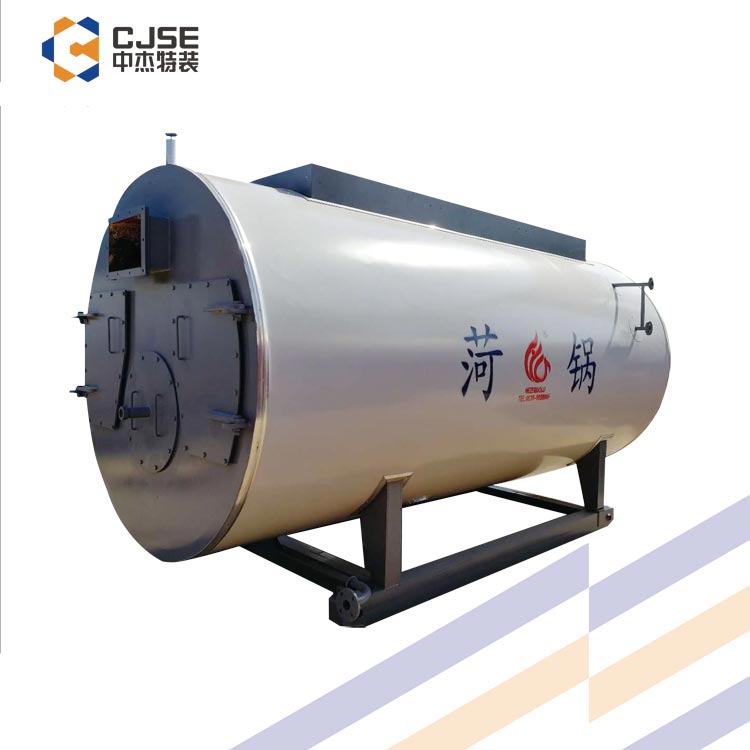
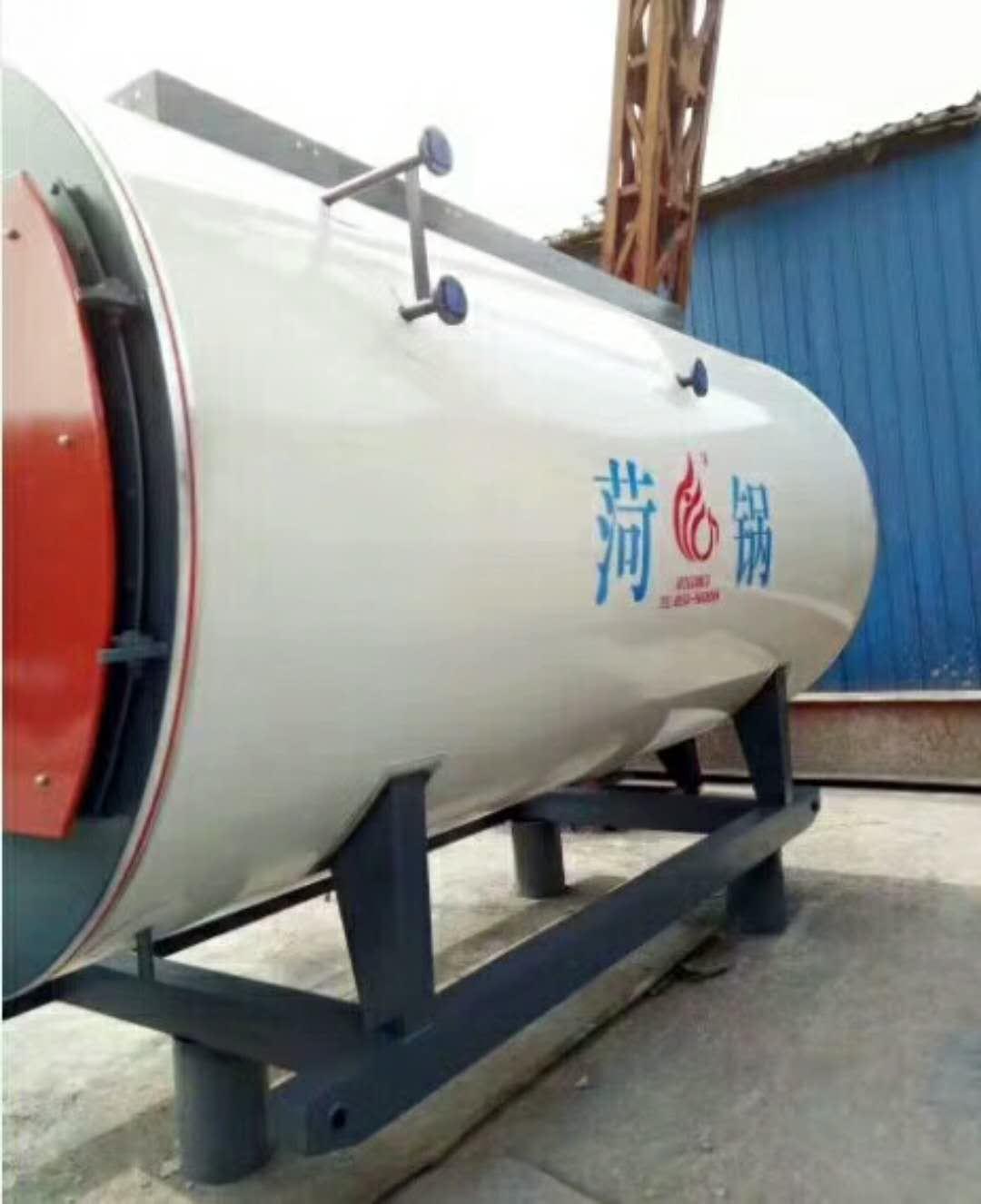
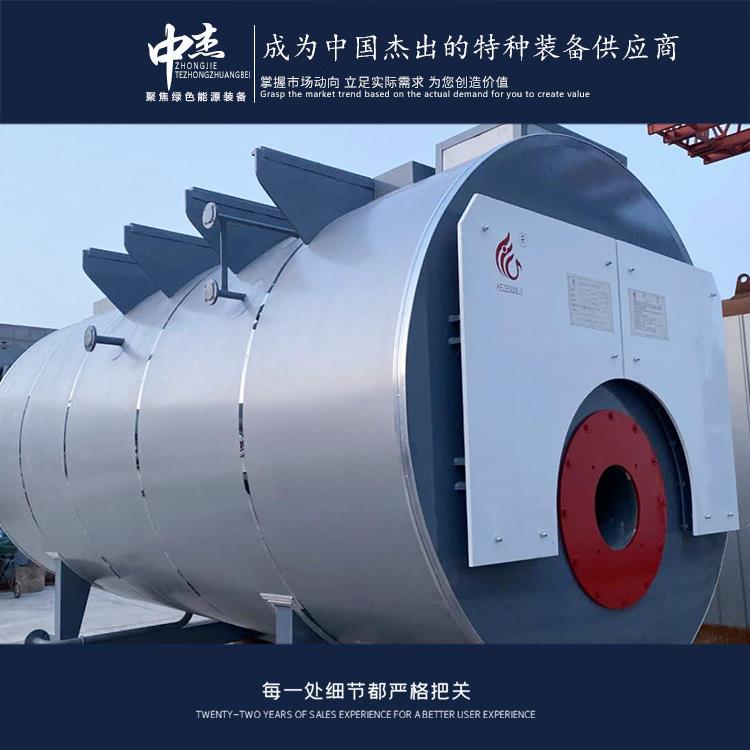
Shandong Zhongjie Special Equipment Co., Ltd. specializes in the following products: fuel (gas) boilers, organic heat carrier boilers, biomass boilers, waste heat boilers, and other boiler products; vacuum insulation cryogenic pressure vessels such as LNG tanks, oxygen/nitrogen/argon tanks, and CO2 tanks; pressure vessel products including denitrification engineering equipment, heat storage and energy storage equipment, and complete chemical equipment sets; central air conditioning and HVAC equipment such as ground (water) source heat pumps, air source units, water-cooled screw units, and air-cooled modular units. Planned products include large-scale energy centers, LNG transport vehicles, LNG tank containers, and other green energy equipment.
Operational issues with the fuel system of a thermal oil furnace may include:
- Inadequate fuel quality: Using low-quality or contaminated fuel can cause problems with the fuel system. For instance, the presence of impurities, water, or excessive additives can lead to clogs in fuel pumps, injectors, and burners, affecting fuel supply and combustion efficiency.
- Failure to regularly clean or replace the fuel filter: The fuel filter's purpose is to filter out impurities and particles from the fuel to prevent them from entering the fuel system. If the fuel filter is not cleaned or replaced regularly, it can become clogged, affecting fuel flow and supply.
- Improper adjustment of the fuel pump: Proper adjustment of the fuel pump is crucial for maintaining stable fuel supply volume and pressure. Incorrect adjustment can result in either too much or too little fuel supply, leading to incomplete combustion or insufficient fuel supply, affecting the furnace's temperature and thermal efficiency.
- Clogged or worn fuel injectors: Fuel injectors are key components that atomize and inject fuel into the furnace chamber. Clogs or wear can lead to uneven or incorrect fuel injection, affecting combustion efficiency and thermal output.
- Inadequate fuel preheating: Fuel must be preheated before entering the burner to enhance combustion. Insufficient preheating can increase fuel viscosity, affecting its flow and injection performance.
- Fuel system leaks: The sealing integrity of the fuel system is critical for maintaining stable fuel supply. Leaks in the fuel system can lead to fuel supply disruptions.
The necessity of flow control in thermal oil heaters is primarily reflected in the following aspects: thermal energy transfer efficiency: The efficiency of thermal energy transfer in thermal oil heaters is closely related to the flow rate of the thermal oil. An appropriate flow rate of thermal oil can ensure the full transfer of thermal energy in the heat exchanger, improving the efficiency of energy utilization. An excessively low flow rate may result in insufficient heat exchange and affect the thermal energy transfer effect; an excessively high flow rate will increase energy consumption and operating costs. Temperature control: The flow control of thermal oil heaters is also closely related to temperature control. By adjusting the flow rate of thermal oil, the temperature inside the furnace can be controlled, ensuring stable operation within the set working temperature range. An excessively low flow rate may lead to excessively high temperatures, while an excessively high flow rate may result in excessively low temperatures, both of which can affect the normal operation of the equipment. System stability: An appropriate flow rate of thermal oil can improve system stability. Through flow control, the supply and demand of thermal energy can be balanced, avoiding overheating or cooling, and maintaining stable system operation. Stable operation helps to extend the service life of the equipment and reduce the frequency of failures and repairs. Safety: The flow control of thermal oil heaters is also closely related to safety. Appropriate flow control can prevent excessive accumulation of thermal oil in the system, reducing the risk of leaks and explosions. At the same time, flow control can ensure that the system pressure remains within a safe range, avoiding overpressure and other safety issues. In summary, flow control in thermal oil heaters is necessary for improving thermal energy transfer efficiency, temperature control, system stability, and safety. Through reasonable flow control, the operation of thermal oil heaters can be optimized, energy utilization efficiency can be improved, operating costs can be reduced, and the safety and stable operation of the equipment can be ensured.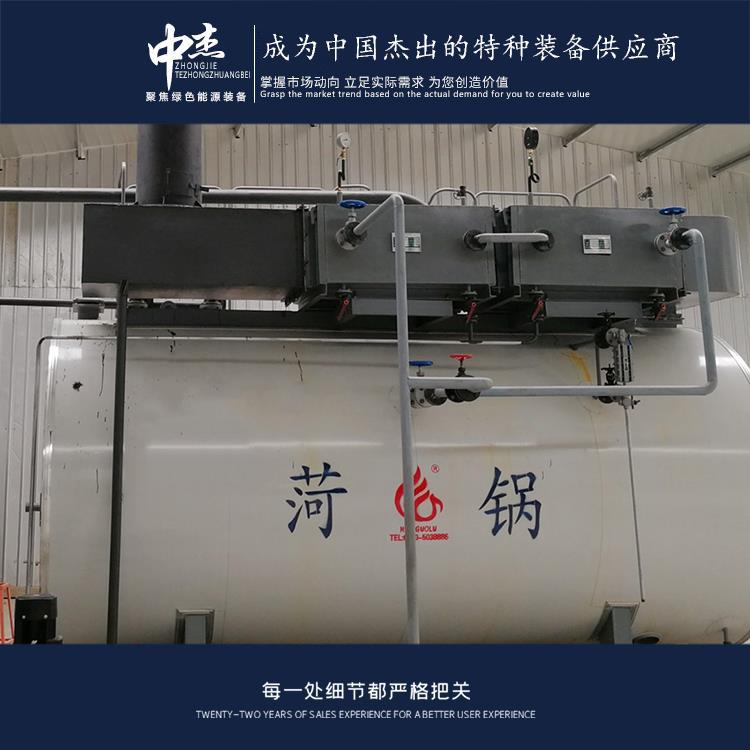
Clean and environmentally friendly gas boilers offer several advantages:
- Low emissions: The exhaust emissions from gas combustion are relatively low, with less pollutants such as nitrogen oxides and particulates emitted. Compared to coal-fired or oil-fired boilers, gas boilers have lower emissions and cause less environmental pollution.
- High thermal efficiency: Gas combustion has a higher thermal efficiency, fully utilizing the energy of the fuel and reducing energy waste. Compared to other traditional fuels like coal and oil, gas combustion is more efficient, providing more heat energy.
- Clean combustion: Gas combustion does not produce ash and dust, reducing carbon and dirt accumulation inside the boiler and in the flue. This reduces the cleaning and maintenance work of the boiler, extending its lifespan.
- Combustion stability: The combustion performance of gas is stable, with no significant flame fluctuations or explosion risks during combustion. This makes gas boilers safer and more reliable in operation.
- Fast start and stop: Compared to other fuels, gas boilers have faster and more flexible start-up and shutdown processes. This makes them suitable for scenarios requiring frequent start and stop, such as seasonal heating and hot water needs.
- Renewable energy integration: As a clean fuel, gas can be combined with renewable energy sources, such as solar hot water systems and biomass fuels. This integration can further improve energy utilization efficiency and environmental friendliness.
A thermal oil furnace is a device that uses thermal oil as a heat medium to transfer heat energy generated by combustion or electric heating to the equipment or process requiring heating. The working principle of a thermal oil furnace involves heating the thermal oil to a certain temperature, then circulating it through a pump to the heated equipment or process, transferring heat to the heated object. The thermal oil exchanges heat with the heated object in the heat exchanger, causing the object to warm up while the thermal oil cools down and returns to the furnace for reheating in a cyclic process. The heat transfer process in a thermal oil furnace primarily relies on the thermal conductivity of the oil. With high thermal conductivity, the oil can rapidly transfer heat energy to the heated object, achieving efficient heating. Additionally, thermal oil has high thermal stability, allowing it to operate stably at high temperatures without decomposition or oxidation.
A thermal oil furnace typically consists of the furnace body, combustion system, flue gas system, heat exchanger, circulating pump, and control system. The furnace body is the main component, containing the thermal oil and combustion system. The combustion system is responsible for burning fuel to produce heat and heat the thermal oil. The flue gas system is used to exhaust the combustion gases. The heat exchanger is the equipment where heat exchange occurs between the thermal oil and the heated object. The circulating pump is in charge of circulating the thermal oil back to the furnace for reheating. The control system monitors and controls the operation of the thermal oil furnace to ensure safe and stable operation.
The thermal oil furnace offers high temperature control accuracy, fast heating speed, low energy consumption, and simple operation. It is widely used in industrial fields such as chemicals, textiles, food processing, papermaking, as well as in some specialized heating processes.
Shandong Zhongjie Special Equipment, welcome customers to our factory for cooperation discussions.
Ningde 25-ton gas boiler, large and sturdy, with ample output
