


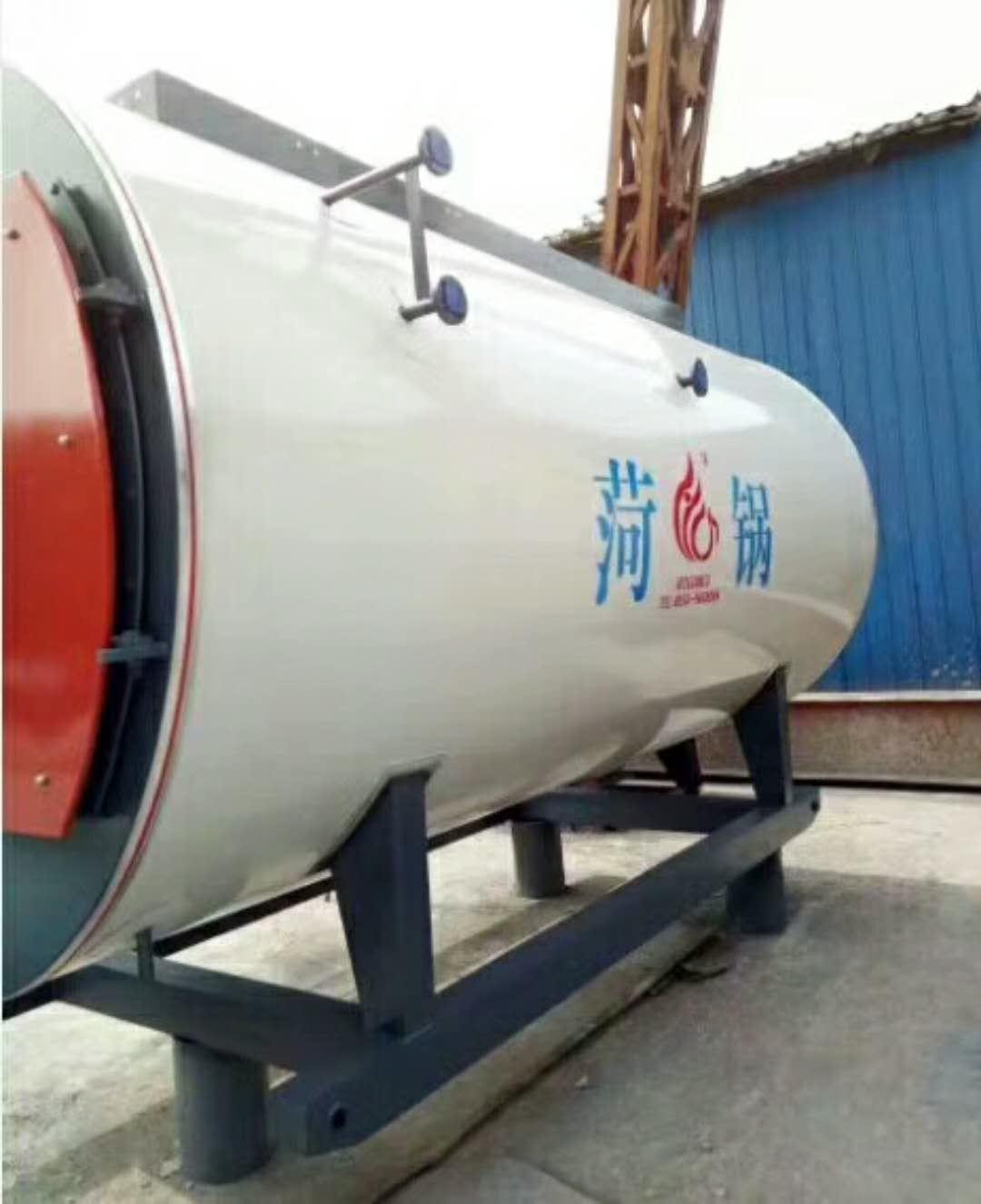
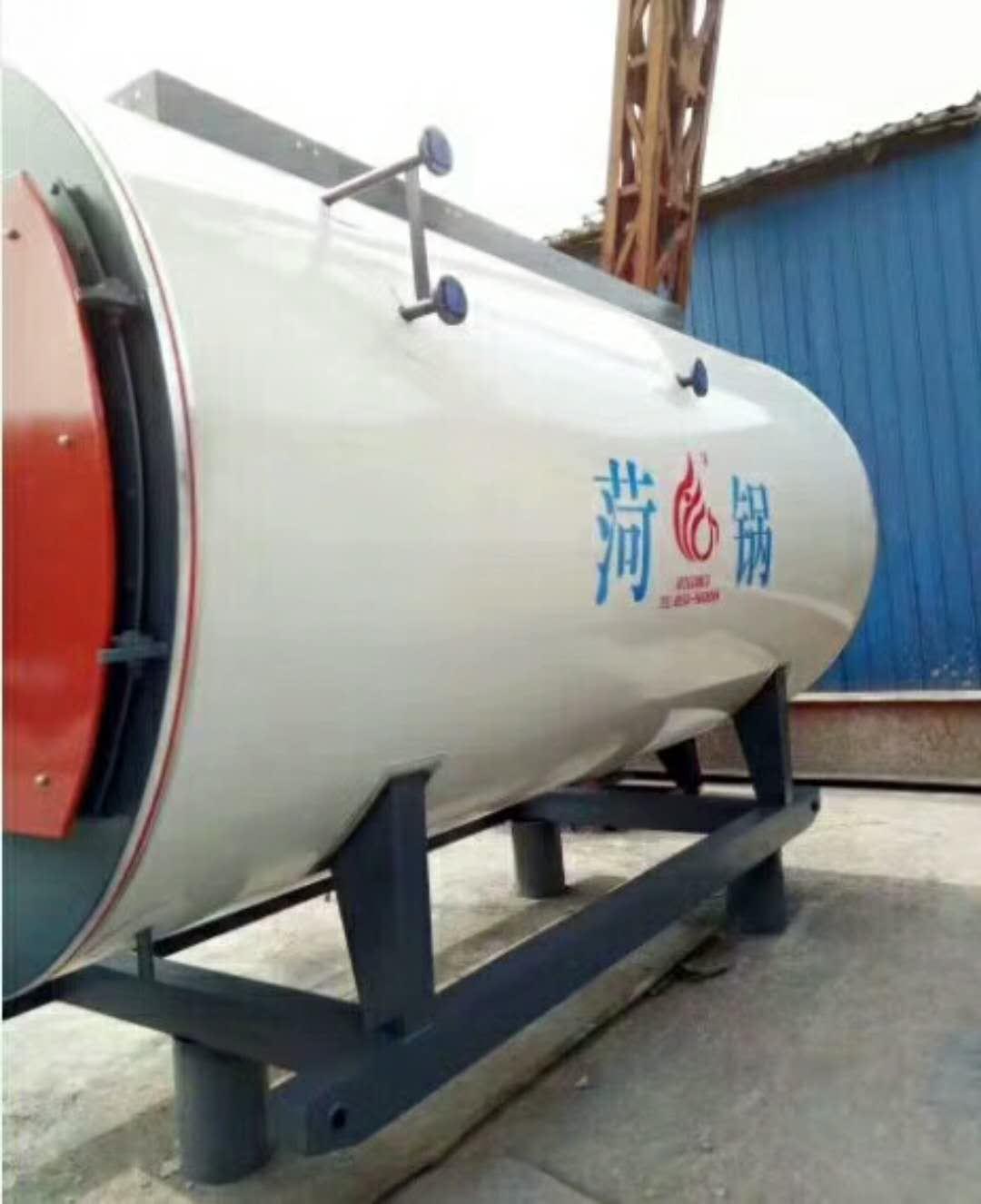
Shandong Zhongjie Special Equipment Co., Ltd. specializes in the following products: fuel (gas) boilers, organic heat carrier boilers, biomass boilers, waste heat recovery boilers, and other boiler products; vacuum insulation cryogenic pressure vessels such as LNG storage tanks, oxygen/nitrogen/argon storage tanks, CO2 storage tanks; pressure vessel products including denitrification engineering equipment, heat storage and energy storage equipment, complete chemical equipment sets; central air conditioning and ventilation equipment such as ground (water) source heat pumps, air source units, water-cooled screw units, and air-cooled modular units. Planned products include large-scale energy centers, LNG transport vehicles, LNG tank containers, and other green energy equipment.
Carbon dioxide has wide applications in the field of food freezing. Here are some common uses of carbon dioxide in food freezing:
1. Frozen Food Processing: Carbon dioxide is frequently used in the processing of frozen foods. By exposing the food to liquid carbon dioxide, temperatures can be rapidly reduced, achieving quick freezing. This rapid freezing effectively preserves the quality, texture, and nutritional content of the food.
2. Frozen Storage: Carbon dioxide is also used in the frozen storage of food. During the storage process, the food is placed in a low-temperature environment, and its temperature is lowered below the freezing point using the refrigerating action of carbon dioxide, thereby extending the shelf life of the food.
3. Frozen Transportation: Carbon dioxide plays a crucial role in the frozen transportation of food. By utilizing carbon dioxide freezing technology during transportation, the low-temperature state of the food is maintained, preventing quality loss.
4. Frozen Display: In the food retail industry, carbon dioxide is also used in frozen display cases. By injecting carbon dioxide gas into the display case, the low-temperature state of the food is maintained, ensuring it remains fresh and of high quality while on display.
Compared to traditional freezing techniques, carbon dioxide freezing offers advantages such as faster freezing, better freezing effects, and minimal impact on food quality. However, it is important to exercise safety when using carbon dioxide freezing technology, to avoid leaks and potential harm to humans. Therefore, when using carbon dioxide for food freezing, it is necessary to follow relevant safety operation procedures and guidelines.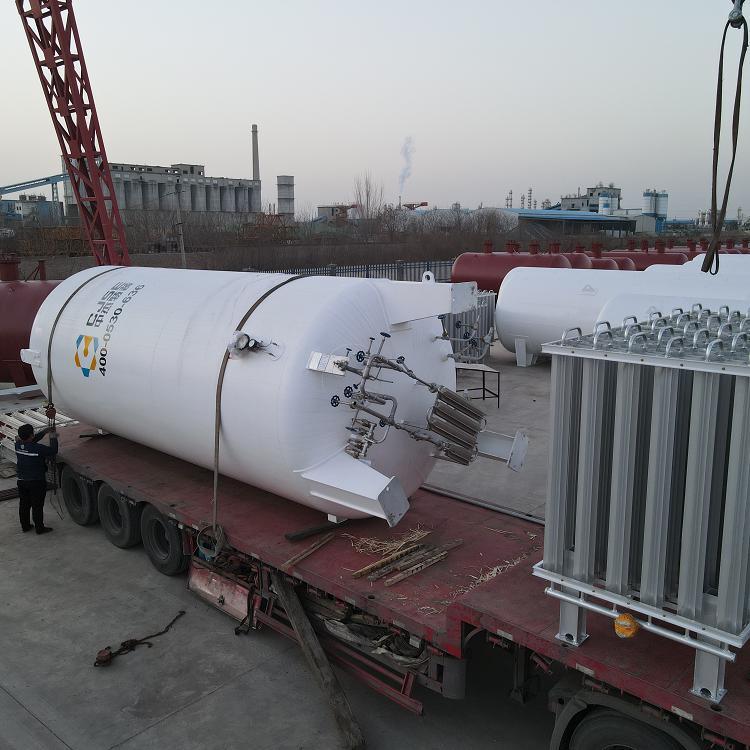
Carbon dioxide storage tanks offer several advantages:
- High storage density: These tanks can compress carbon dioxide gas into a liquid state, significantly increasing storage density. Compared to storing it in gas form, liquid carbon dioxide can occupy a much smaller storage tank while holding a larger volume, saving space and costs.
- Multiple applications: Carbon dioxide storage tanks are widely used in various fields, including the food and beverage industry, industrial applications, fire extinguishing, and gas supply. Carbon dioxide can serve as a food preservative, beverage carbonating agent, gas, and fire extinguisher, with a broad range of uses and market demand.
- Environmental friendly and renewable: Carbon dioxide is an eco-friendly gas, and its increased concentration in the atmosphere contributes to global warming and climate change. By storing and utilizing carbon dioxide, we can reduce its emissions into the atmosphere, achieving environmental protection and sustainable development.
- Safe and reliable: During design and manufacturing, carbon dioxide storage tanks typically use high-strength materials (such as carbon steel or stainless steel) and have excellent pressure resistance and safety. The tanks are usually equipped with safety valves, pressure gauges, and level indicators to ensure safe operation. Additionally, carbon dioxide is non-flammable and non-explosive, making it relatively safe.
- Supply: These tanks can provide a stable and consistent supply of carbon dioxide. Through the tank's design and control systems, precise measurement and supply of carbon dioxide can be achieved, meeting the needs of various industries and applications.
These advantages make carbon dioxide storage tanks a crucial storage and supply equipment, widely used across multiple industries. However, it is still necessary to follow relevant safety operation procedures and standards when using carbon dioxide storage tanks to ensure safe operation and use.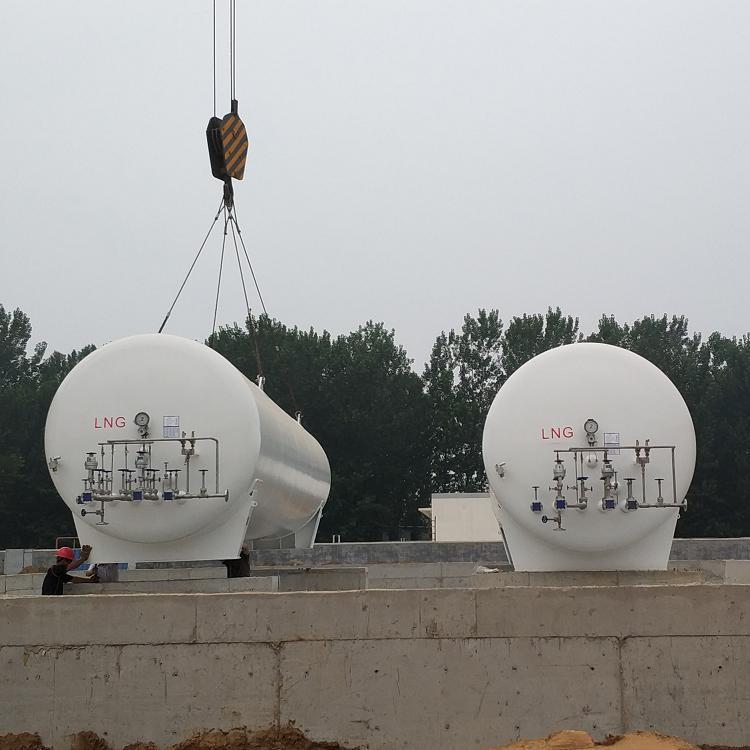
When spraying a CO2 storage tank, attention should be given to the following issues:
Surface Preparation: Prior to spraying, thorough preparation of the tank surface is essential. This includes cleaning the surface, removing oils, dirt, and old coatings to ensure adhesion and quality of the spray.
Choosing the Right Paint: Selecting paint suitable for CO2 storage tanks is crucial. The paint should have corrosion-resistant, high-temperature resistance, and chemical resistance properties to protect the tank surface from corrosion and damage.
Spraying Technique: The selection and operation of the spraying technique are critical for the quality and uniformity of the coating. Appropriate spraying equipment and methods should be chosen to ensure even coverage of the entire tank surface and avoid drips and runs of the paint.
Coating Thickness: The thickness of the coating is crucial for the protection of the tank. The thickness should be controlled according to the paint requirements and the tank's operating environment to ensure the protective performance and lifespan of the coating.
Drying and Curing: After the coating is completed, sufficient time must be allowed for drying and curing. Follow the correct drying time and conditions according to the paint requirements to ensure the quality and performance of the coating.
Safety Measures: Appropriate safety measures must be taken during the spraying process, including wearing protective eyewear, respirators, and protective clothing to ensure the safety of the operators.
Quality Inspection: After spraying, a quality inspection should be conducted, including the appearance, adhesion, and thickness of the coating. Any issues or defects should be addressed and repaired promptly.
It should be noted that spraying CO2 storage tanks should be performed by professionals.
Pressure Vessel Standards: Liquid carbon dioxide storage tanks are generally considered pressure vessels, and their design, manufacturing, and use should comply with the relevant pressure vessel standards. In China, common pressure vessel standards include GB150 "Steel Pressure Vessels" and GB18435 "Storage Tanks." Safety Standards: The use of liquid carbon dioxide storage tanks should adhere to relevant safety standards and regulations. For instance, in China, the safe operation of liquid carbon dioxide storage tanks should follow standards such as GB50028 "Design Code for Petroleum and Chemical Enterprises" and GB50016 "Building Design Fire Prevention Code." Inspection and Testing Standards: The inspection and testing of liquid carbon dioxide storage tanks should meet the corresponding standards and regulations. For example, regular inspections of liquid carbon dioxide storage tanks can refer to standards like GB/T 19638 "Regular Inspection Procedures for Pressure Vessels." Environmental Protection Standards: The use of liquid carbon dioxide storage tanks should comply with relevant environmental protection standards and regulations. For instance, in China, the exhaust emissions from liquid carbon dioxide storage tanks should meet standards such as "Air Pollutant Emission Standards."
Our company attaches great importance to technological innovation and R&D design, boasting one municipal-level enterprise technology center in Heze City. We have established testing facilities for non-destructive testing, physical and chemical testing, welding testing, hydrostatic testing, and more. Equipped with over 600 various instruments and equipment, including CNC machine tools, X-ray flaw detectors, digital ultrasonic flaw detectors, mechanical property testing machines, chemical analyzers, spectrometers, tensile testing machines, plasma welding machines, and others, our developed key products such as temperature and pressure vessel welding, biomass boiler emission reduction, and waste heat utilization have successively been shortlisted for multiple Shandong Provincial Department of Industry and Information Technology science and technology innovation projects, Shandong Provincial key projects, and Heze City innovation and excellence projects. We have cumulatively obtained 27 authorized utility model patents, 16 authorized invention patents, participated in drafting 2 standards, 2 industry standards, and registered 15 trademarks. Our technical team, in collaboration with Professor Yajiang Li of Shandong University, has jointly developed deep cryogenic container processing technology, utilizing the international plasma arc + wire filling tungsten inert gas arc welding (PAW-GTAW) technology. After provincial-level scientific and technological achievement evaluation, the technology level has reached international standards in the field of deep cryogenic container manufacturing. Choose Zhongjie Special Equipment, and let's create brilliance together!
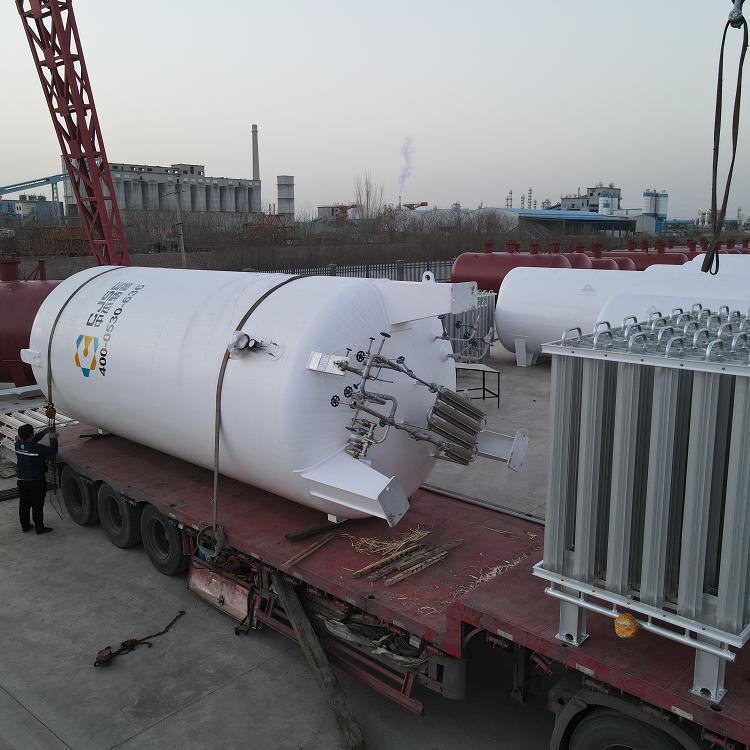
Tunghua 60 cubic CO2 storage tank, comprehensive after-sales support
