


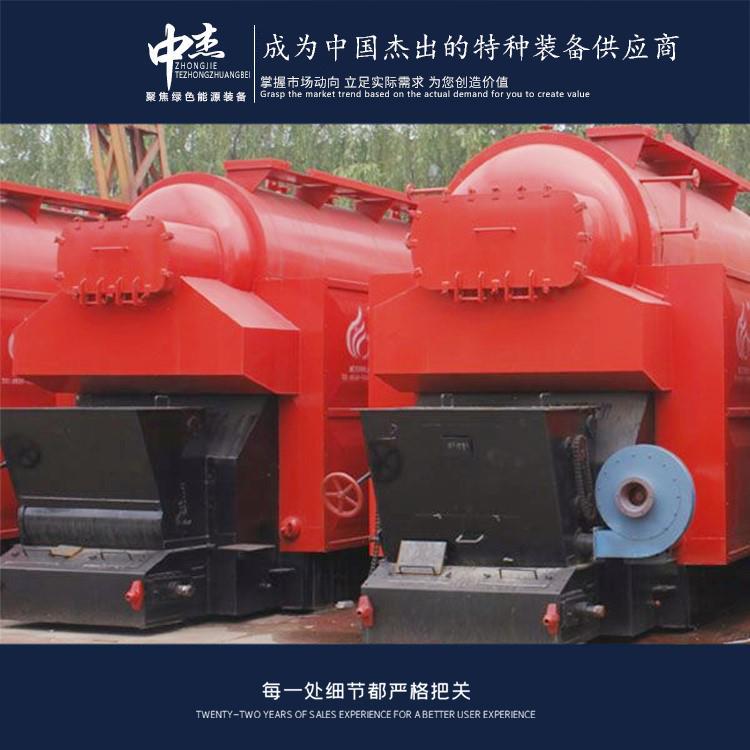
Shandong Zhongjie Special Equipment's main products include: fuel (gas) boilers, organic heat carrier boilers, biomass boilers, waste heat recovery boilers, and other boiler products; vacuum insulation cryogenic pressure vessels such as LNG tanks, oxygen-nitrogenargon tanks, and CO2 tanks; pressure vessel products like denitrification engineering equipment, heat storage and energy storage equipment, and complete chemical equipment sets; central air conditioning and ventilation equipment such as ground (water) source heat pumps, air source units, water-cooled screw units, and air-cooled modular units. Planned products include large-scale energy centers, LNG transport vehicles, LNG tank containers, and other green energy equipment.
The brief steps for biomass boiler kiln drying are as follows:
Prepare fuel: Select appropriate biomass fuel such as wood chips and straw, and conduct necessary pre-treatment like drying and crushing to enhance combustion efficiency.
Ignition: Place the fuel into the combustion chamber and ignite to initiate the combustion process. An igniter or other appropriate tool can be used for ignition.
Control the combustion process: Adjust the oxygen supply and fuel feed during combustion as needed to control the combustion temperature and heat output. This can be achieved by adjusting the burner's switch, control panel, or an automatic control system.
Oven Operation: Place the items to be baked into the oven according to specific baking requirements and ensure even heating. Appropriate measures can be taken based on the oven's design and requirements, such as adjusting the combustion chamber temperature and flue ventilation, to achieve ideal baking results.
Monitoring and Adjustment: During the furnace process, it is necessary to monitor the combustion state, heat output, and furnace effect. Adjust the combustion parameters and operating methods in real-time based on the actual situation to ensure the stable operation of the furnace and achieve the required furnace effect.
Shut down and cleaning: After the furnace operation is completed, stop the fuel supply and wait for the combustion chamber to cool down. Once the combustion chamber is fully cooled, proceed with the cleaning and maintenance of the furnace, removing ash and soot generated during the combustion process.
Above are the brief steps for the biomass boiler drying kiln. The specific operational procedures and precautions should be based on the boiler model, drying kiln requirements, and the manufacturer's instructions. During the operation process,
Water level control during the operation of biomass boilers is crucial, primarily to ensure the safe and normal operation of the boiler. The following are general methods of water level control:
Level Gauge Monitoring: Biomass boilers typically come equipped with level gauges to monitor the water level inside the boiler. These gauges can be glass tube level gauges, electrical level gauges, or pressure level gauges, among others. The readings from the level gauge provide real-time insights into the water level within the boiler.
Water Level Controller: Biomass boilers are typically equipped with a water level controller for automatic water level regulation. The controller adjusts the water level inside the boiler by controlling the operation of equipment such as feed water pumps or drain valves, based on the set water level range.
Water Supply Control: When the boiler water level is too low, the water level controller sends a signal to start the water supply pump, replenishing water into the boiler to maintain the water level within a safe range. Water supply control needs to be adjusted according to the actual needs of the boiler and changes in water level.
Wastewater Control: When the boiler water level is too high, the water level controller sends a signal to activate the drain valve, expelling excess water to maintain the level within a safe range. Wastewater control also needs to be adjusted according to the actual requirements of the boiler and changes in water level.
Alarm Protection: Should the boiler water level exceed the high limit or fall below the low limit, the water level controller will emit an alarm signal to alert the operator to take action. Additionally, the boiler should be equipped with a water level protection device that automatically cuts off the gas supply to the burner in case of abnormal water levels, ensuring the safety of the boiler.
Note that the control of water level must be based on the specific design of the boiler and the operating manual to ensure correct and safe operation. Additionally, regular inspections and maintenance of the water level gauge and water level controller are required to ensure their normal operation and accuracy.
High evaporation rates in biomass pellet boiler fuel can lead to the following issues:
Incomplete combustion: High-volatile fuel releases a large amount of steam during combustion, which lowers the combustion temperature and affects the completeness of the combustion. Incomplete combustion leads to heat loss and increased emissions, reducing the boiler's thermal efficiency and environmental performance.
Poor combustion stability: Fuel with high volatility can easily cause instability in the combustion process, potentially leading to flameout and uneven combustion. This may result in unstable operation of the boiler, affecting the stability of hot water supply.
To address issues caused by high-vapor fraction fuels, the following measures can be taken:
Combustion System Optimization: Optimize the combustion system of biomass pellet boilers, encompassing aspects such as combustion chamber design, combustion air supply, and mixing. Enhance combustion completeness and stability through measures like increasing combustion temperature and oxygen supply.
Combustion Control: Utilizes a combustion control system that monitors and adjusts parameters such as temperature and oxygen content in real-time during the combustion process. Adjusts the supply of combustion air based on actual conditions to maintain stability and completeness of combustion.
Fuel Pretreatment: Pre-treat biomass pellet fuel with high volatile matter content, such as drying and crushing. By reducing the moisture content and particle size of the fuel, the content of volatile matter is decreased, thereby improving the efficiency and stability of combustion.
Burn parameter adjustment: Adjust the boiler's burn parameters, such as burn temperature and duration, based on actual conditions. Through reasonable parameter adjustment, make the burn process more suitable for the high evaporation fuel characteristics.
Biomass boilers typically require auxiliary equipment to ensure their proper operation and utilization of biomass fuel. Here are some common auxiliary equipment:
Feeding System: Used to deliver biomass fuel to the combustion chamber of a boiler. The feeding system typically includes conveyors, screw conveyors, and vibratory feeders, among other equipment, which can be selected based on the fuel characteristics and boiler requirements.
Combustion System: Used for burning biomass fuel. The combustion system includes a combustion chamber, burner, fan, and other equipment, designed for achieving thorough mixing of fuel and air as well as controlling the combustion process.
Flue Gas Purification Equipment: Designed to treat flue gases produced by combustion, reducing emissions of particulate matter and gas pollutants. Common flue gas purification equipment includes dust collectors, desulfurization units, denitrification units, etc., which can be selected based on emission standards and environmental protection requirements.
Heat Exchangers: Devices used to transfer the thermal energy produced by combustion to water or other working fluids, achieving energy recovery and utilization. Heat exchangers typically include pipe-type heat exchangers, flue gas waste heat boilers, etc., which can enhance energy utilization efficiency.
Control System: Monitors and controls the operating parameters of biomass boilers, including temperature, pressure, and fuel supply. The control system enables automatic adjustment and protection functions, ensuring the safe operation and performance of the boiler.
Equipment: Includes water supply systems, wastewater systems, pressure vessels, fuel storage equipment, etc. These devices are used to provide the boiler with water sources, treat wastewater, store fuel, and ensure the normal operation of the boiler.
Above are some common auxiliary equipment for biomass boiler, the specific configuration and selection can be determined based on actual needs and project requirements.
Zhongjie Special Equipment upholds the grand vision of "realizing employees' dreams, creating value for customers, and striving for the prosperity and strength of our motherland," and is dedicated to the development of the green energy equipment industry. We offer society high-quality products and services at competitive prices!
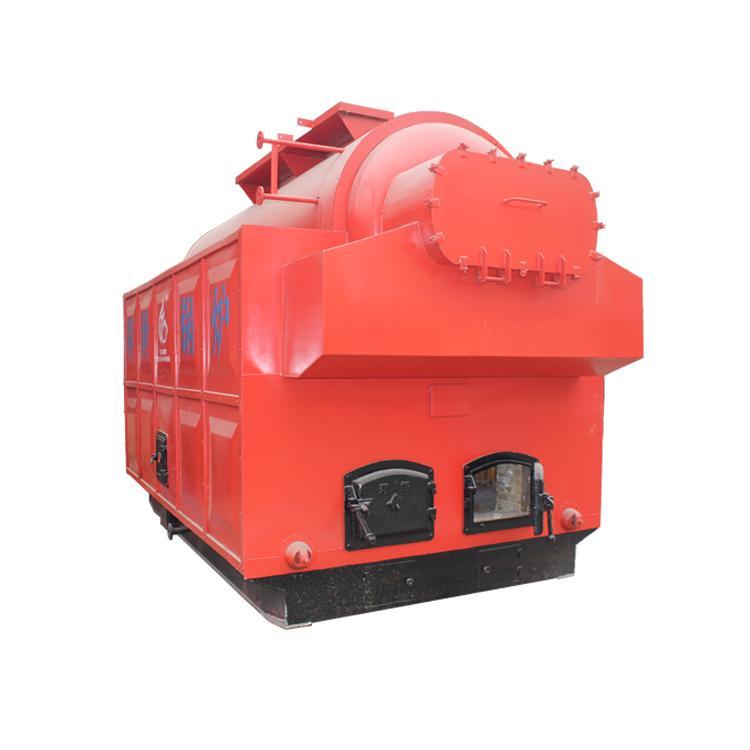
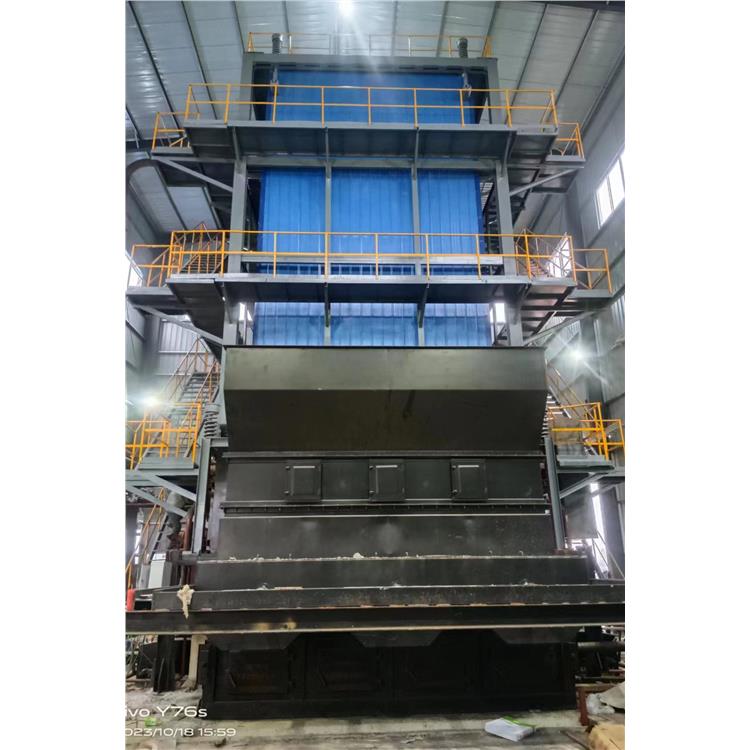
Liushan 50-ton biomass boiler, factory direct supply
