


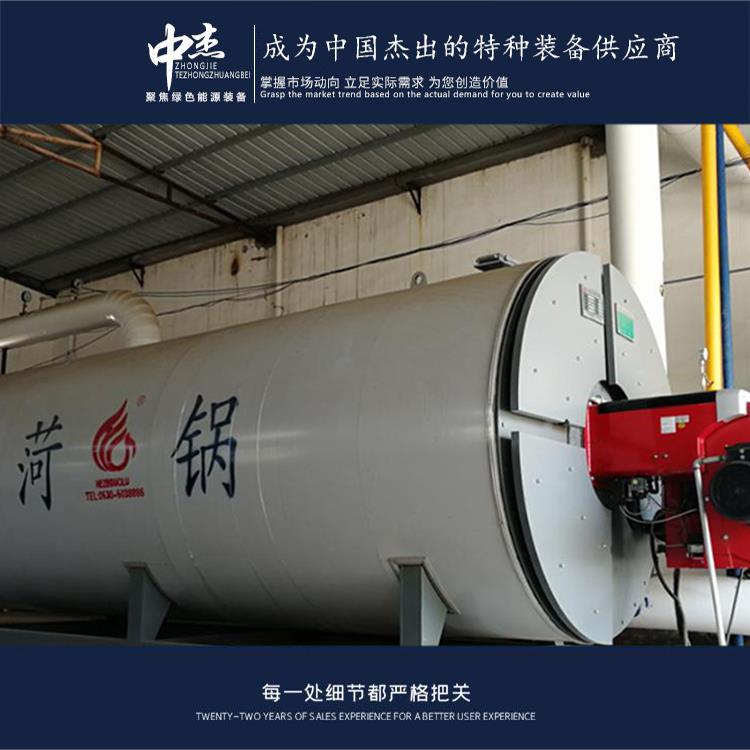
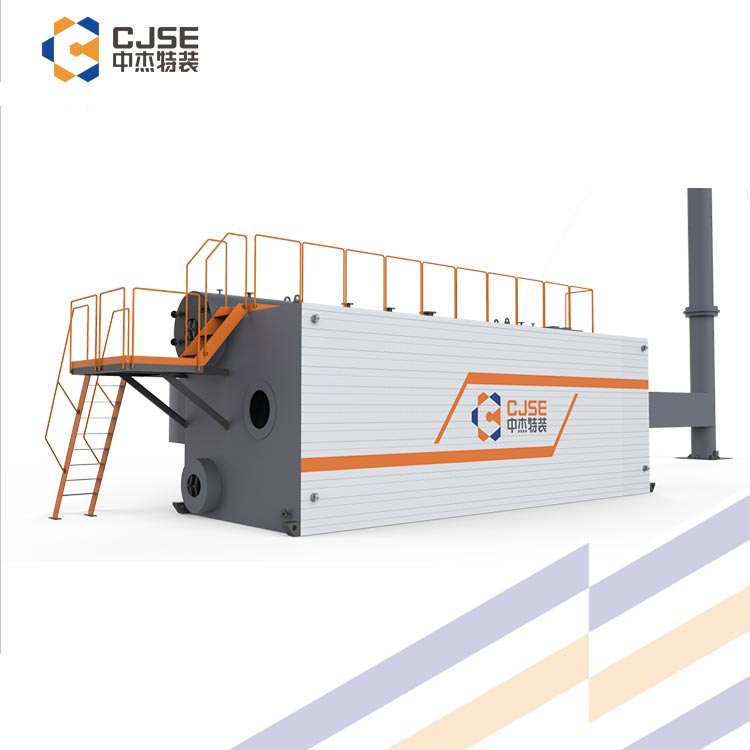

Shandong Zhongjie Special Equipment Co., Ltd. (formerly Heze Boiler Factory Co., Ltd.) holds an A-grade boiler manufacturing license and an A2-grade pressure vessel manufacturing license. It also possesses an A2-grade pressure vessel design license, B-grade boiler installation, and GB2/Class, GC2/Class pressure pipeline installation licenses, as well as equipment and machinery installation contracting qualifications. The company is a member of the China Boiler and Water Treatment Association, the China Chemical Equipment Association, and the理事 member of the Shandong Equipment Manufacturing Association. It has passed certifications for ISO9001 Quality Management System, ISO14001 Environmental Management System, OHSAS18001 Occupational Health and Safety Management System, and the U.S. ASME/U2 certification.
Common faults of gas boiler burners and their solutions are as follows:
- No flame or unstable flame: Check if the gas supply is normal and ensure the gas valve is open. Clean the burner nozzle to ensure the passage is clear. Check if the ignition electrode is clean and free of carbon deposits or dirt. Adjust the gas-to-air ratio to ensure the correct mixture.
- Incomplete combustion or black smoke: Check if the gas supply is sufficient and adjust the gas pressure. Clean the burner nozzle and combustion chamber to ensure the passage is clear. Adjust the gas-to-air ratio to ensure the correct mixture. Check for carbon deposits or dirt in the burner and clean or replace damaged parts.
- Difficulty or failure to ignite: Check if the ignition electrode is clean and free of carbon deposits or dirt. Adjust the position and gap of the ignition electrode to ensure normal spark generation. Check if the ignition transformer or controller is functioning properly, and repair or replace damaged parts.
- Abnormal noise from the burner: Check if the gas supply is normal and ensure the gas valve is open. Check for loose parts in the burner and combustion chamber and tighten or replace damaged parts. Clean the burner and combustion chamber to ensure no carbon deposits or dirt.
- If the above methods do not solve the problem, it is recommended to contact a gas boiler maintenance technician for inspection and maintenance. At the same time, to ensure safety, follow the relevant safety operating procedures when using a gas boiler.
Steam boiler energy saving is an urgent mission for the following reasons: Energy Consumption: Steam boilers typically use fuel to generate steam, and fuel consumption directly affects energy consumption. With the increasingly scarce energy resources and rising energy prices, energy saving has become a critical task. Environmental Protection: The emissions and waste smoke from fuel combustion pollute the environment, including air pollution and greenhouse gas emissions. By reducing fuel consumption through energy saving, the impact on the environment and carbon emissions can be decreased. Economic Benefits: Energy saving can lower energy consumption and operational costs, enhancing energy utilization efficiency. By implementing energy-saving measures, companies can reduce energy expenses and improve economic benefits. Sustainable Development: Energy saving is a key component of sustainable development. By reducing energy consumption, the lifespan of energy resources can be extended, providing more energy reserves for future development. Legal and Regulatory Requirements: Many regions have established laws, regulations, and policies on energy conservation and emission reduction, requiring companies to adopt energy-saving measures and reduce energy consumption and environmental pollution. Therefore, steam boiler energy saving is an urgent task. By implementing effective energy-saving measures, energy consumption can be reduced, environmental pollution can be minimized, economic benefits can be improved, and sustainable development can be achieved.
The gas steam boiler's annual gas consumption for a 1-ton unit depends on various factors, including the efficiency of the boiler, load conditions, and operating hours. Generally, it can be estimated using the following formula: Gas Consumption (m) = Boiler Efficiency × Rated Thermal Power × Operating Hours. Here, boiler efficiency refers to the boiler's thermal energy utilization efficiency, typically expressed as a percentage; rated thermal power is the boiler's rated thermal output, usually in kilowatts (kW); and operating hours are the duration the boiler is in operation, commonly measured in hours. It's important to note that the boiler's efficiency and rated thermal power can be determined based on the specific model and parameters of the boiler, while operating hours need to be estimated based on actual usage. Therefore, to accurately calculate the annual gas consumption of a 1-ton gas steam boiler, it is recommended to refer to the technical specifications and operating records of the boiler, or consult the boiler manufacturer or engineer.
The key to maintaining a hot water boiler is regular maintenance and inspections. Here are some common maintenance steps and precautions:
Clean the burner and flue: Regularly clean the burner and flue to remove accumulated ash and dirt, maintaining combustion and heat exchange efficiency. Use cleaning tools and equipment as per the manual.
Check water level and pressure: Regularly inspect the water level and pressure of the hot water boiler to ensure safe operation within the specified range. Refill water and adjust pressure to avoid issues caused by either low or high water levels.
Inspect water quality: Conduct regular water quality tests to check for hardness, alkalinity, oxygen content, and other indicators. Take appropriate water treatment measures based on test results, such as descaling and replenishing missing chemicals, to prevent scale and corrosion damage to the boiler.
Check safety devices: Regularly inspect the safety devices of the hot water boiler, including safety valves, pressure switches, and water level controllers, to ensure proper functioning and safe operation.
Inspect the electrical system: Regularly check the boiler's electrical system, including power connections, controllers, and sensors, to ensure proper operation of electrical equipment and avoid electrical faults.
Regularly drain: Regularly drain the sludge and impurities within the boiler to prevent their impact on the boiler. Develop a reasonable drainage plan based on the boiler's usage and water quality conditions.
Keep records and monitor: Record the boiler's operating parameters, maintenance records, and fault situations, and regularly monitor and analyze them to identify and address issues promptly.
Train operators: Ensure that operators are adequately trained and equipped to handle the boiler safely and efficiently.
Shandong Zhongjie Special Equipment, welcome customers to our factory for business discussions.
Changchun Gas-Fired Boiler Prices
