


Shandong Zhongjie Special Equipment (formerly Heze Boiler Factory Co., Ltd.) was established in 2001, located at No. 2218 Jinnan Road, Development Zone, Heze City. With a registered capital of 50 million yuan and total assets of 500 million yuan, the company has seven business centers: boilers, deep-freezing containers, pressure vessels, central air conditioning, engineering installation, international trade, and Internet of Things. It has three factory sites on Jinnan Road, East Changjiang Road, and Bohai Road, covering a total area of 200,000 square meters, with the main workshop spanning 83,000 square meters. It currently employs 710 people, including 247 engineers and technicians and 82 intermediate-level technicians. In December 2016, it was recognized as a "High-tech Enterprise" by the Science and Technology Department. In June 2021, it was identified as a "Specialized and New Enterprise in Shandong Province" by the Ministry of Industry and Information Technology. In June 2022, it was recognized as a "Gazelle Enterprise in Shandong Province" and in August 2022, it was identified as a "Specialized and New Small Giant Enterprise" by the Ministry of Industry and Information Technology.
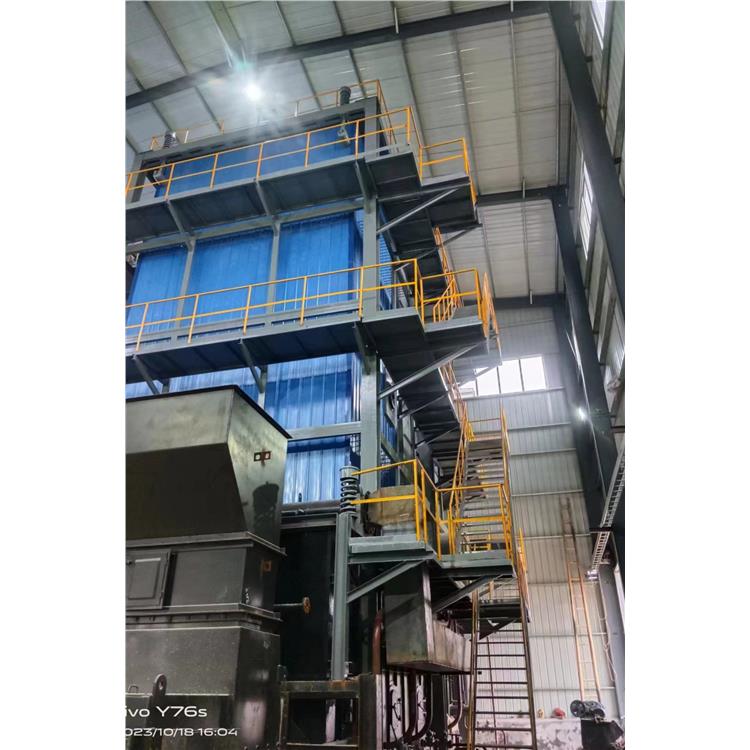
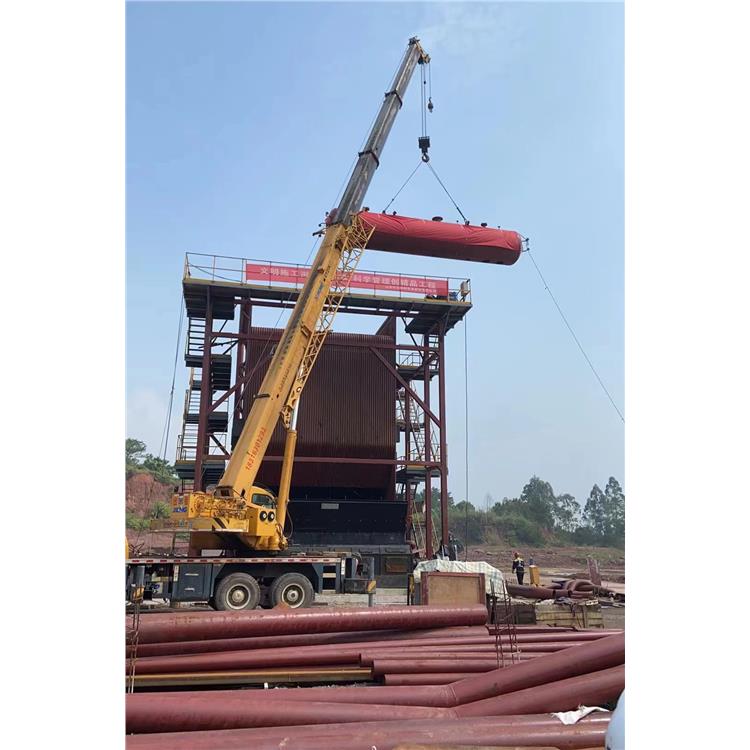
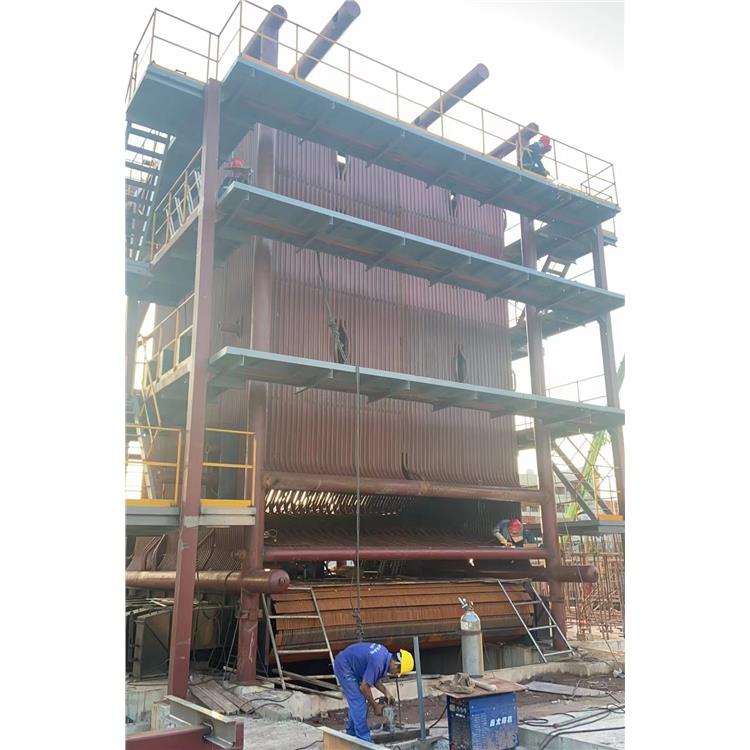
The SZL biomass boiler is a water-tube boiler with two drums and a chain grate, designed for burning biomass fuel. Below is an introduction to the structure of the SZL biomass boiler:
Boiler Drum: The SZL biomass boiler features two parallel water pipes in the drum, known as the upper drum and the lower drum. The upper drum is used for the combustion chamber, while the lower drum is for transferring heat between steam and flue gas.
Briquette Grate: The SZL biomass boiler utilizes a chain grate, where fuel enters the combustion chamber through the chain grate to achieve the combustion process. The design of the chain grate ensures uniform and complete combustion of the fuel.
Combustion Chamber: The combustion chamber is located within the upper cylinder, where fuel is burned to release heat energy. The structure and design of the combustion chamber ensure complete fuel combustion and efficient heat conversion.
Flue Channels: The flue gases produced by combustion pass through the flue channels into the lower cylinder, where they exchange heat with the water inside the pipes, transferring thermal energy to the water and producing steam.
Water pipes: A large number of water pipes are arranged inside the lower drum of the SZL biomass boiler. Flue gas passes through these pipes, where it exchanges heat with the water, transferring thermal energy to it and generating steam.
Upper Equipment: The upper equipment of the SZL biomass boiler includes steam separators, level gauges, safety valves, etc., which are used to control and protect the safe operation of the boiler.
Equipment: The SZL biomass boiler also includes equipment such as the water supply system, sewage system, and fuel supply system, which are used to provide the boiler with water, treat wastewater, and supply fuel.
The SZL biomass boiler features a compact structure and high thermal efficiency, suitable for the combustion of biomass fuel. Its design with two drums and a chain grate ensures complete fuel combustion and heat conversion, while also offering excellent safety and reliability.
Biomass boilers are prone to corrosion at high temperatures, primarily due to the following factors:
Fuel Composition: Biomass fuel contains certain ash and elements such as chlorine, which, during combustion, form corrosive substances under high temperatures, such as chlorides and salts. These substances react with the metal surface, leading to metal corrosion.
Combustion Conditions: Factors such as combustion temperature, oxygen content, and combustion rate during biomass combustion can affect corrosion. High temperatures, excessive oxygen, and rapid combustion rates can accelerate corrosion.
Flue Gas Composition: Flue gas produced from biomass combustion contains certain acidic substances, such as... These acidic substances can react with metal surfaces, causing corrosion.
Flue Gas Condensation: During the flue gas condensation process in biomass boilers, water vapor in the flue gas condenses into liquid water, forming acidic condensate. This acidic condensate comes into contact with the metal surface, causing corrosion.
Material Selection: The metal materials used in biomass boilers also affect their resistance to corrosion. Different metal materials exhibit varying corrosion resistance to different corrosive media.
In summary, the causes of high-temperature corrosion in biomass boilers primarily include fuel composition, combustion conditions, flue gas composition, flue gas condensation, and material selection. To mitigate corrosion issues,
The biomass boiler body is typically composed of the following components, each serving a specific function:
Furnace Chamber: The furnace chamber is the area where biomass fuel is burned, serving as the space for combustion and heat exchange. The fuel within the chamber releases heat energy during the combustion process, while flue gases exchange heat with water through the furnace chamber.
Chimney Flue: The flue is a passage for smoke gas flow, guiding the flue gas from the furnace to the chimney for exhaust. The flue gas inside exchanges heat with the boiler water, transferring heat from the flue gas to the water, thereby improving thermal efficiency.
Boiler Drum: The boiler drum is the main part that holds water and steam, where water is heated to convert into steam. It is equipped with a water level control device inside to regulate the water level and ensure the safe operation of the boiler.
Grate: A grate is a device used to support and burn biomass fuel, its function is to evenly distribute the fuel within the furnace chamber and provide air supply to promote the combustion process.
Superheater: A superheater is a device that heats the saturated steam in a boiler, increasing its temperature and pressure. It transfers heat from the flue gas to the steam through heat exchange between them.
Condenser: A condenser is a device used to condense steam into water, releasing the heat from the steam. By exchanging heat with a cooling medium (such as cold water), a condenser converts the heat from the steam into thermal energy, enhancing thermal efficiency.
Chimney: A chimney is a conduit for releasing flue gases into the atmosphere, serving as an exhaust.
Biomass hot water boilers may produce scale during operation, which can affect the boiler's heat transfer and efficiency. Here are some methods to reduce scale:
Fuel Selection: Choose high-quality biomass fuels such as wood chips and straw to minimize soot generation. Avoid fuels with excessive impurities and ash.
Combustion Adjustment: Properly adjust combustion parameters such as fuel supply, oxygen supply, and combustion temperature. Both excessively high or low combustion temperatures can lead to soot formation. Maintaining an appropriate combustion temperature helps reduce soot buildup.
Clean combustion chamber: Regularly clean the combustion chamber of ash and dirt generated during the combustion process. Use appropriate tools and cleaning agents to ensure the chamber remains clear and clean.
Heat Exchanger Cleaning: Regularly clean the heat exchangers, particularly those on the flue side. During the combustion process, flue gases may contain particulates and ash that can adhere to the heat exchanger surface, affecting heat transfer efficiency. Using appropriate cleaning methods, such as mechanical or chemical cleaning, can reduce the accumulation of dirt.
Water Treatment: Proper water treatment for boiler feedwater to prevent impurities and sediments from depositing inside the boiler. Methods such as water softening, deoxygenation, and scale removal can be employed to maintain the cleanliness and stability of the supply.
Regular Maintenance: Perform regular maintenance and inspections on the boiler, including cleaning and replacing critical components. Early detection and treatment of soiling issues can prevent further accumulation of soiling and affect the normal operation of the boiler.
Please note that the specific methods for reducing soiling may vary depending on the model and manufacturer of biomass hot water boilers. It is recommended to refer to the manufacturer's operating manual and guidelines for the appropriate soiling reduction measures based on the specific situation.
Shandong Zhongjie Special Equipment, welcome customers to our factory for business discussions.
2-ton biomass boiler in Langfang, made of 304 stainless steel
