


Shandong Zhongjie Special Equipment Co., Ltd. specializes in: fuel (gas) boilers, organic heat carrier boilers, biomass boilers, waste heat boilers, and other boiler products; vacuum insulation cryogenic pressure vessels such as LNG tanks, oxygen/nitrogen/argon tanks, and CO2 tanks; pressure vessel products including denitrification engineering equipment, heat storage and energy storage equipment, and complete chemical equipment; central air conditioning and HVAC equipment such as ground (water) source heat pumps, air source units, water-cooled screw units, and air-cooled modules. Planned products include large-scale energy centers, LNG transport vehicles, LNG tank containers, and other green energy equipment.
The reasons for energy-saving in biomass steam boilers mainly include the following points:
Energy Costs: Energy-saving measures can reduce the energy consumption of biomass steam boilers, lower energy costs, and enhance economic benefits.
Environmental Protection: Energy conservation can reduce carbon emissions and other pollutants from biomass steam boilers, minimize environmental impact, and protect the ecological environment.
Sustainable Development: Energy conservation can extend the lifespan of biomass resources, promote sustainable development, and reduce dependence on natural resources.
To achieve energy-saving in biomass steam boilers, the following measures can be taken:
Boiler Design Optimization: By optimizing the structural design and combustion system of the boiler, enhance the efficiency of heat energy utilization and reduce energy waste.
Optimized Combustion Control: Utilizes advanced combustion control technology to regulate the combustion process, reducing fuel consumption and emissions.
Heat Recovery Utilization: Utilizes waste heat recovery technology to reclaim and utilize the thermal energy from flue gas in boilers, enhancing energy utilization efficiency.
Water Treatment Optimization: Employ appropriate water treatment technology to prevent scaling and corrosion issues, enhancing the boiler's heat transfer efficiency.
Regular Maintenance: Regularly maintain and service the biomass steam boiler to ensure optimal equipment condition, minimize energy loss, and reduce the occurrence of malfunctions.
System Operation Optimization: Through reasonable operational management and control strategies, optimize the operational parameters of biomass steam boilers to enhance system efficiency and stability.
Training and Awareness Enhancement: Strengthen employee training and awareness, enhance energy management and conservation awareness, promote the implementation and continuous improvement of energy-saving measures.
Through the integrated application of the aforementioned measures, energy conservation in biomass steam boilers can be effectively achieved, reducing energy consumption and environmental impact, and enhancing the economic and sustainable nature of the equipment.
The emission characteristics of biomass fuel boiler flue gases primarily include the following aspects:
Particulate Emissions: The combustion of biomass fuel boilers produces particulates, including visible dust and fine particles. The amount of particulate emissions is related to fuel characteristics, combustion temperature, and combustion equipment factors. Generally, the particulate emissions from biomass fuel boilers are lower than those from coal boilers, but still require treatment through dust removal equipment.
(SO2) Emissions: The content of SO2 in biomass fuel is generally low, so the SO2 emissions from biomass fuel boilers are typically low. However, in certain cases, such as using waste as fuel, SO2 emissions may increase. Measures such as combustion control and desulfurization equipment can be adopted to control SO2 emissions.
NOx emissions: The NOx emissions from biomass fuel boilers are related to factors such as fuel characteristics, combustion temperature, and combustion equipment. Biomass fuel contains a higher nitrogen content, which generates a certain amount of NOx during combustion. To control NOx emissions, measures such as low-NOx combustion technology, combustion control, and denitrification devices can be adopted.
CO Emissions: CO emissions from biomass fuel boilers are generally low due to the relatively complete combustion process of biomass fuel. However, in cases of incomplete combustion or unstable burning, CO emissions may increase. To control CO emissions, it is necessary to ensure a full and stable combustion process.
Volatile Organic Compounds (VOCs) Emissions: The VOCs emissions from biomass fuel boilers are related to the fuel characteristics and combustion conditions. Some biomass fuels contain volatile organic compounds.
Biomass boilers offer several advantages:
Renewable Energy: Fuel for biomass boilers comes from organic matter such as plants, animals, and microorganisms, making it a renewable energy source. Compared to traditional fossil fuels, biomass fuel has lower carbon emissions and environmental impact, helping to reduce greenhouse gas emissions and is more environmentally friendly.
Diverse Fuel Sources: Biomass fuel sources are abundant, encompassing wood, straw, discarded crops, food waste, and urban solid waste, among others. This diversity in fuel sources allows biomass boilers to be flexible and adaptable, utilizing waste and by-products from plants and animals.
Environmental friendliness: The carbon dioxide emitted during the combustion of biomass boilers can be absorbed by plants, forming a cycle that reduces atmospheric pollution. Additionally, the emissions and ash produced during the combustion process of biomass boilers are relatively low, resulting in minimal environmental impact.
Energy Security: Biomass, as a native renewable energy source, can reduce dependence on imported energy and enhance energy security. In regions with scarce resources, the use of biomass boilers can provide a reliable energy supply.
Economicity: Biomass fuel is relatively economical, which can reduce energy costs. Moreover, the technology and equipment for biomass boilers are continuously evolving and maturing, making them more competitive economically.
Waste Utilization: Biomass boilers can utilize agricultural residues like straw and wood waste, effectively utilizing waste resources and reducing resource waste.
In summary, biomass boilers offer advantages such as renewable energy, diverse fuel sources, environmental friendliness, energy security, cost-effectiveness, and waste utilization, making them a sustainable energy option.
Blowing dust refers to the process of removing dust and deposits from the boiler flue, furnace, and heat exchange surfaces during the operation of a boiler, by means of jetting high-pressure steam or compressed air. The effects of blowing dust and its impact on the operation of biomass boilers are as follows:
Function:
Dust and soot: During biomass combustion, a large amount of dust and soot is produced, which accumulates on the flue, furnace, and heat exchange surfaces of the boiler, affecting the efficiency of heat transfer. Blowing dust can remove these accumulations, keeping the boiler clean.
Enhance Heat Transfer Efficiency: Ash and dirt buildup on boiler flues, furnace walls, and heat exchange surfaces create thermal resistance, hindering heat transfer. Blowing away this residue can eliminate thermal resistance, improve heat transfer efficiency, and reduce energy waste.
Prevent Scaling and Corrosion: Accumulated soot and dirt on the boiler flue and furnace can lead to excessively high local temperatures, causing scaling and corrosion issues. Blowing ash can lower local temperatures and prevent the occurrence of scaling and corrosion.
Impact:
Boiler thermal efficiency: Blowing dust can remove ash and dirt from the flue, furnace, and heat exchange surfaces, improving the efficiency of heat transfer, thereby enhancing the boiler's thermal efficiency.
Boiler Safety: Blowing ash can prevent slagging and corrosion in the boiler flue and furnace, reduce potential safety hazards, and ensure the safe operation of the boiler.
Boiler Stability: Blowing ash can maintain the boiler's cleanliness, reduce the impact of accumulated ash and dirt on the boiler's operation, and enhance boiler efficiency.
Zhong Jie Special Equipment upholds the grand vision of "realizing employees' dreams, creating customer value, and striving for the prosperity and strength of our motherland," focusing solely on the development of green energy equipment. We dedicate products and services with high cost-performance to the society!
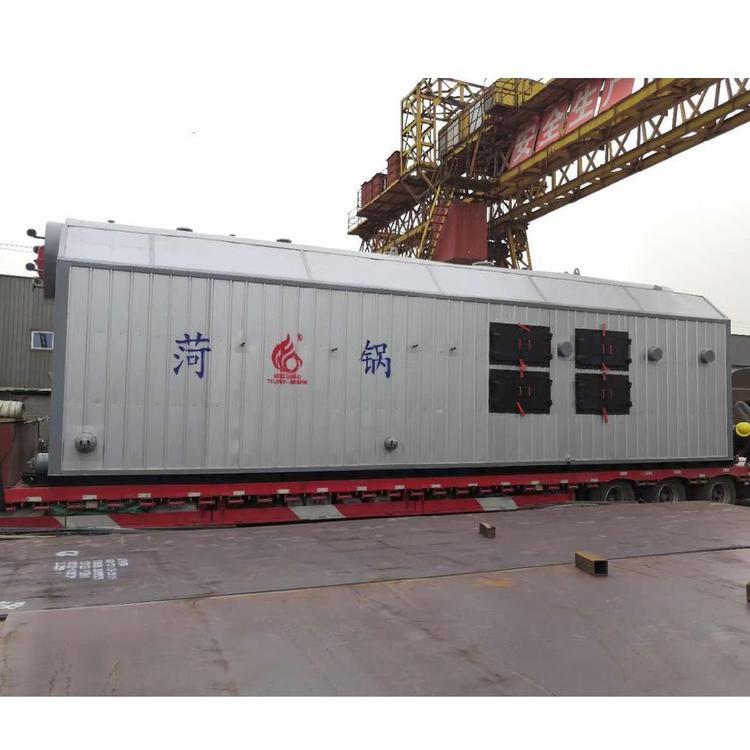
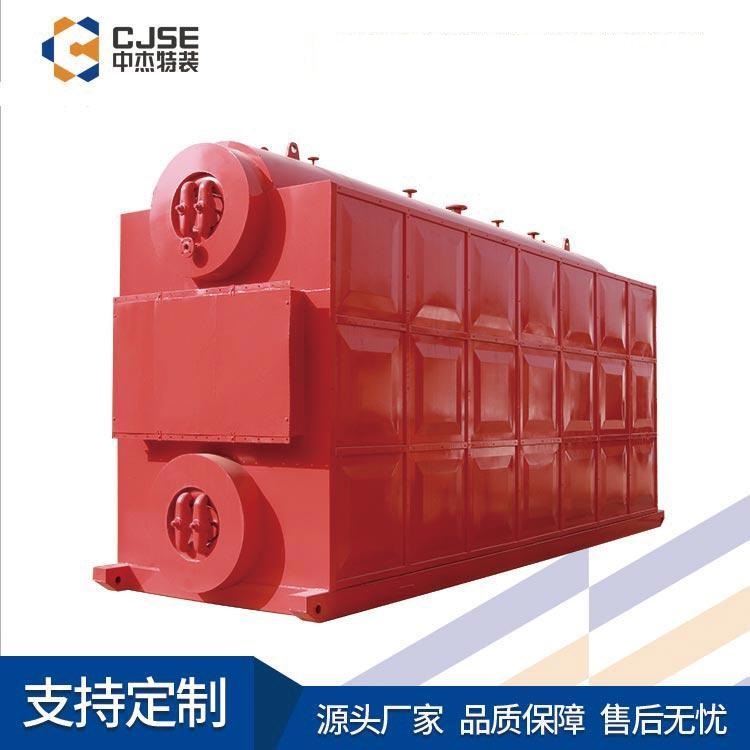
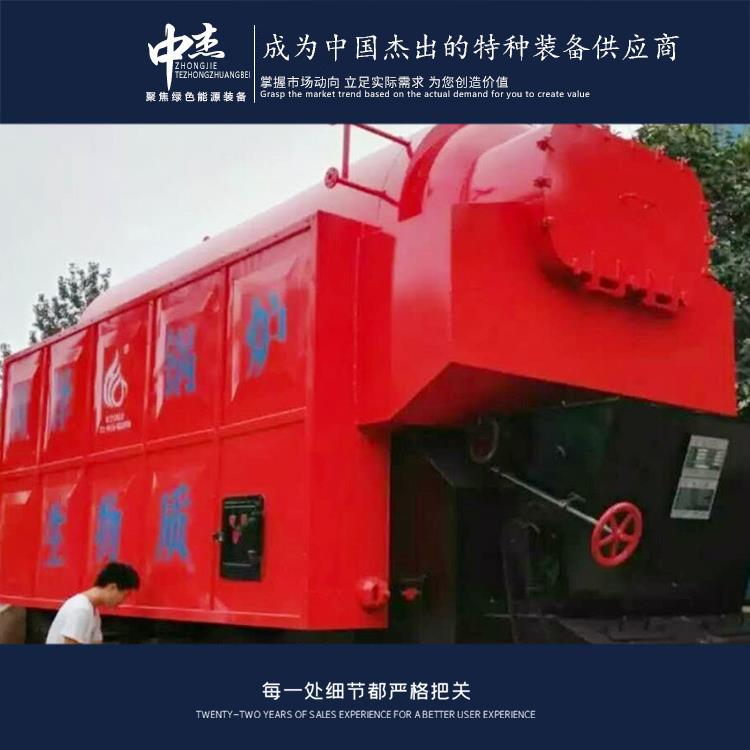
Shangqiu 4-ton Biomass Boiler, available for customization
