


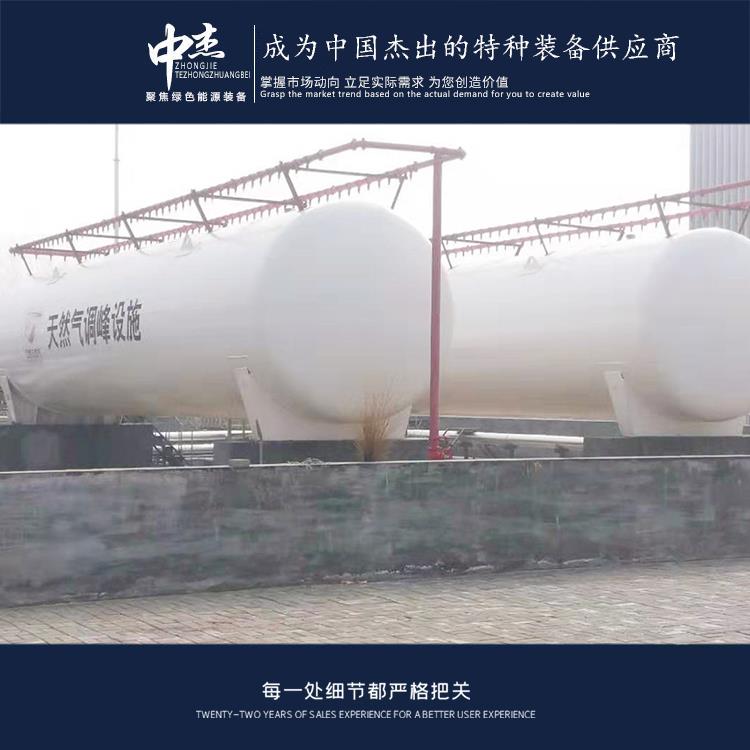
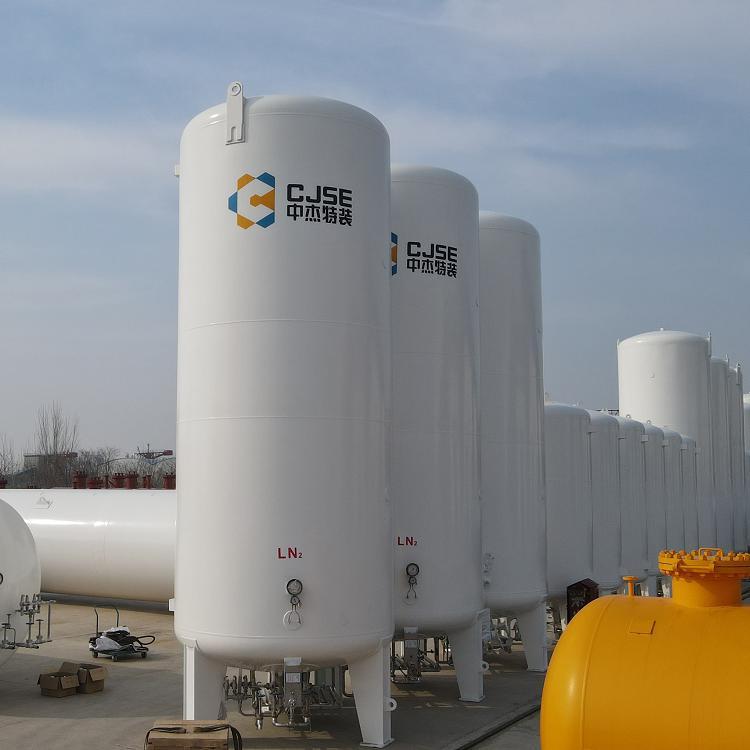
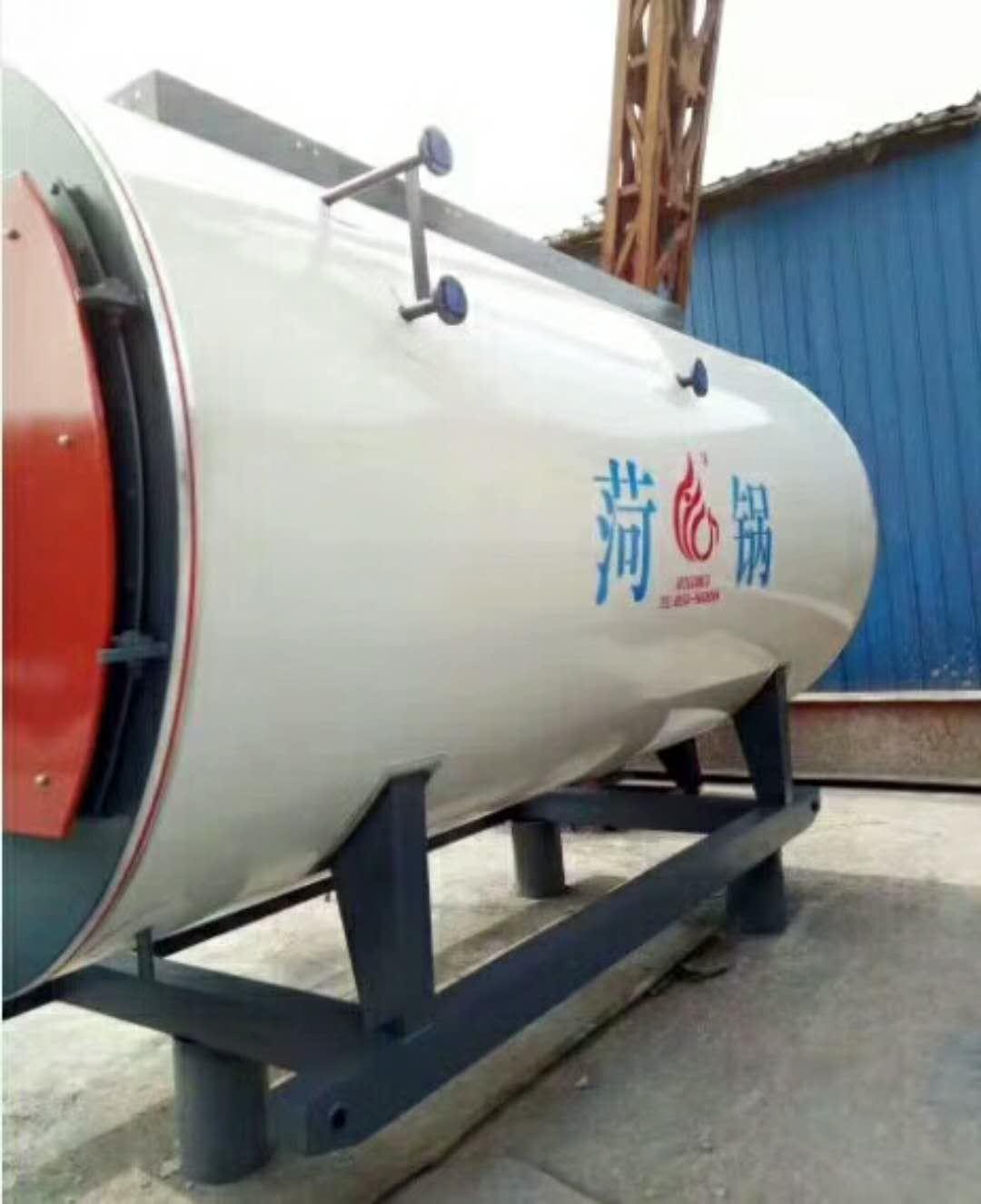
Shandong Zhongjie Special Equipment (formerly Heze Boiler Factory Co., Ltd.) was established in 2001, located at No. 2218 Jinnan Road, Development Zone, Heze City. With a registered capital of 50 million yuan and total assets of 500 million yuan, the company has 7 business centers: boilers, deep-freezing containers, pressure vessels, central air conditioning, engineering installation, international trade, and Internet of Things. It has three factory sites on Jinnan Road, East Changjiang Road, and Bohai Road, covering a total area of 200,000 square meters, with the main workshop spanning 83,000 square meters. It currently employs 710 people, including 247 engineering and technical staff and 82 middle-level technicians. In December 2016, it was recognized as a "High-tech Enterprise" by the Science and Technology Department. In June 2021, it was named a "Specialized and New Enterprise in Shandong Province" by the Industry and Information Technology Department. In June 2022, it was identified as a "Gazelle Enterprise in Shandong Province" and in August 2022, it was recognized as a "Specialized and New Small Giant Enterprise" by the Ministry of Industry and Information Technology.
When cooling carbon dioxide tanks, be mindful of the following considerations and familiarize yourself with the basic steps of the cooling process:
**Considerations:**
- **Safety:** Pay attention to safety during the cooling process to ensure the safety of operators and the surrounding environment. Adhere to relevant safety operating procedures and standards, and use appropriate personal protective equipment.
- **Equipment Selection:** Choose the appropriate cooling equipment and tools, such as cooling mediums (e.g., liquid nitrogen), coolers, and cooling systems. Select the suitable cooling equipment based on the tank's size and requirements.
- **Temperature Control:** Control the temperature during the cooling process to avoid overcooling or insufficient cooling. Determine the appropriate cooling temperature range based on the tank's design requirements and operating conditions.
**Cooling Process Breakdown:**
- **Preparation:** Ensure there are no residual gases or impurities inside the tank to avoid affecting the cooling effect. Check the tank's sealing and the functioning of the safety valves.
- **Cooling Medium Injection:** Inject the cooling medium (e.g., liquid nitrogen) into the tank to lower the tank's temperature. Control the injection speed and quantity to avoid over-injection leading to excessive pressure.
- **Cooling Time:** Determine the cooling time based on the tank's size and requirements. The cooling time typically needs to be long enough to ensure the carbon dioxide inside the tank is fully cooled and liquefied.
- **Temperature Monitoring:** Regularly monitor the tank's temperature during the cooling process to ensure it remains within the appropriate range. Use temperature sensors or infrared thermometers for monitoring.
- **Cooling Completion:** The cooling process is complete when the tank reaches the predetermined cooling requirements. At this point, the carbon dioxide inside the tank should be in a liquid state.
**Note:** The specific cooling process and steps may vary depending on different tank designs and usage scenarios. When conducting cooling operations, follow relevant safety operating procedures and standards to ensure safety and effectiveness.
Leakage issues in CO2 storage tanks may be caused by the following reasons: Material Corrosion: CO2 has some corrosive properties, and prolonged contact may lead to corrosion of the tank material. Corrosion can damage the tank's surface protective layer, causing it to lose its seal and resulting in leakage. Welding Defects: The welding joints of the tank may have defects, such as cracks in the welds or blowholes, which can weaken the strength of the焊接 area, leading to leakage. Design Defects: Inadequate design or defects in the tank may also cause leakage. For example, poorly designed interface connections or unreasonable structural designs can lead to leakage issues in the tank. Overpressure: If the internal pressure of the tank exceeds its capacity, it may deform or rupture the tank, causing leakage. Temperature Fluctuations: During temperature changes, the thermal expansion and contraction effect on CO2 storage tanks may cause deformation or stress concentration, leading to leakage. Incorrect Operation: Improper operation and maintenance may also cause tank leakage. For instance, over-tightening valves or improper maintenance measures can reduce the tank's sealing performance. External Damage: External forces such as impacts, scratches, or corrosion on the tank may cause surface damage or corrosion, leading to leakage. To avoid leakage issues in CO2 storage tanks, select appropriate materials, reasonable design, and manufacturing processes, and conduct regular inspections and maintenance. Additionally, operators should receive training and adhere to operational procedures to ensure safe tank operation.
The inspection frequency of carbon dioxide tanks should be determined based on local regulations, standards, and manufacturer recommendations. Generally, the following factors can influence the inspection frequency of carbon dioxide tanks:
Regulatory and standard requirements: Different regions may have varying regulations and standards that dictate tank inspection requirements and frequencies. For example, the U.S. DOT standards require liquefied gas tanks to undergo external inspections every 5 years and internal inspections every 10 years.
Manufacturer recommendations: Manufacturers typically provide suggestions on inspection frequency, which are based on tank design, materials, and service life, and can serve as references for developing inspection plans.
Operating environment and conditions: The operating environment and conditions of the tank can also impact the inspection frequency. For instance, if the tank is exposed to corrosive environments or frequently subjected to mechanical stress, more frequent inspections may be necessary.
In general, external inspections of liquefied gas tanks are typically conducted through visual inspections, ultrasonic testing, magnetic particle testing, and other methods to assess the external condition and potential defects of the tank. Internal inspections may require tank emptying and utilize methods such as internal inspections, thickness measurements, and weld inspections to evaluate the internal condition.
It is crucial that tank inspections be carried out by trained and experienced personnel, strictly adhering to relevant regulations, standards, and manufacturer recommendations. Regular inspections and maintenance can ensure the safety and reliability of the tank, reducing the risk of accidents.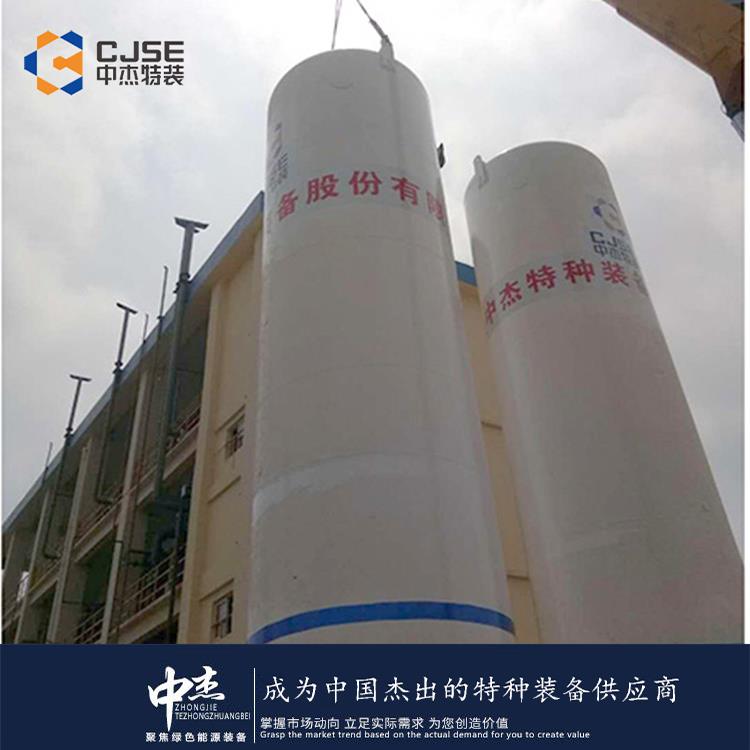
Carbon dioxide storage tanks possess the following characteristics:
- High-pressure vessel: Carbon dioxide storage tanks are typically designed as high-pressure vessels capable of withstanding high pressures. This is because carbon dioxide requires a high pressure at room temperature to remain in a liquid state.
- High oxidizing properties: Carbon dioxide has a high oxidizing nature, supporting combustion. Thus, when handling and storing carbon dioxide, precautions must be taken to prevent contact to avoid the risk of fire and explosion.
- Low-temperature storage: Carbon dioxide exists as a gas at room temperature but can be compressed into a liquid at lower temperatures. Consequently, carbon dioxide storage tanks usually need excellent insulation to maintain the low-temperature liquid state of stored CO2.
- High density: Liquid carbon dioxide has a high density, allowing for the storage of large amounts of CO2 in a relatively small volume. This makes carbon dioxide storage tanks useful in scenarios requiring substantial CO2 supplies.
- Safety valves and pressure control: To ensure internal pressure within the tank remains within a safe range, carbon dioxide storage tanks are commonly equipped with safety valves and pressure control devices. These devices monitor and control the tank's internal pressure to prevent excessive pressure from causing tank rupture.
- Corrosiveness: Carbon dioxide has some corrosive properties, especially in high humidity environments. Therefore, the materials and corrosion prevention measures for the tank must consider the corrosiveness of CO2 to ensure tank durability and safety.
These characteristics make carbon dioxide storage tanks widely applicable in various industries, such as food and beverage, industrial, fire suppression, and gas industries. When using carbon dioxide storage tanks, it is essential to adhere to relevant safety operating procedures and standards to ensure operational safety.
Shandong Zhongjie Special Equipment, welcome customers to our factory for business discussions.
Zhaotong 5 cubic CO2 storage tank, in stock supply
