


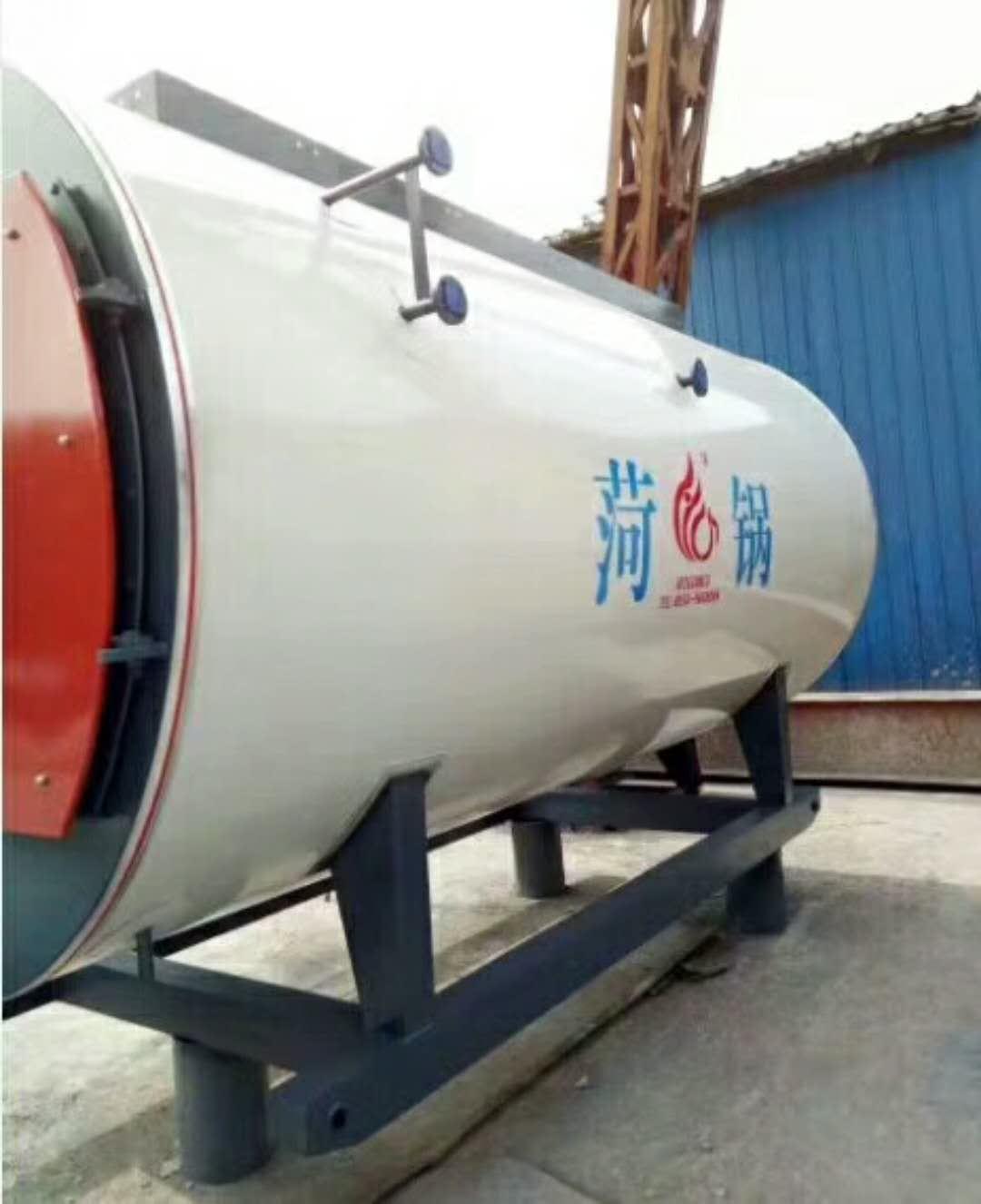
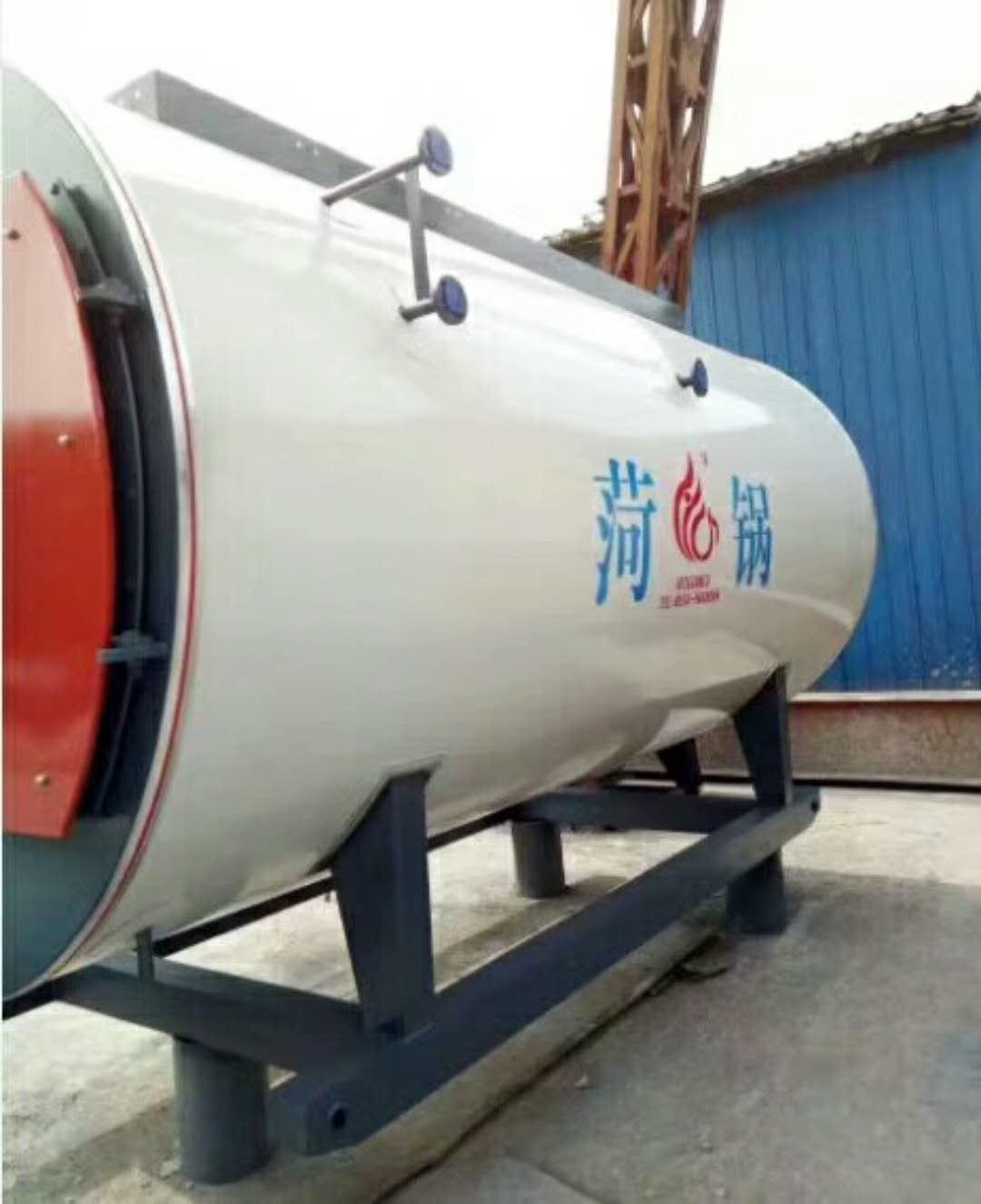
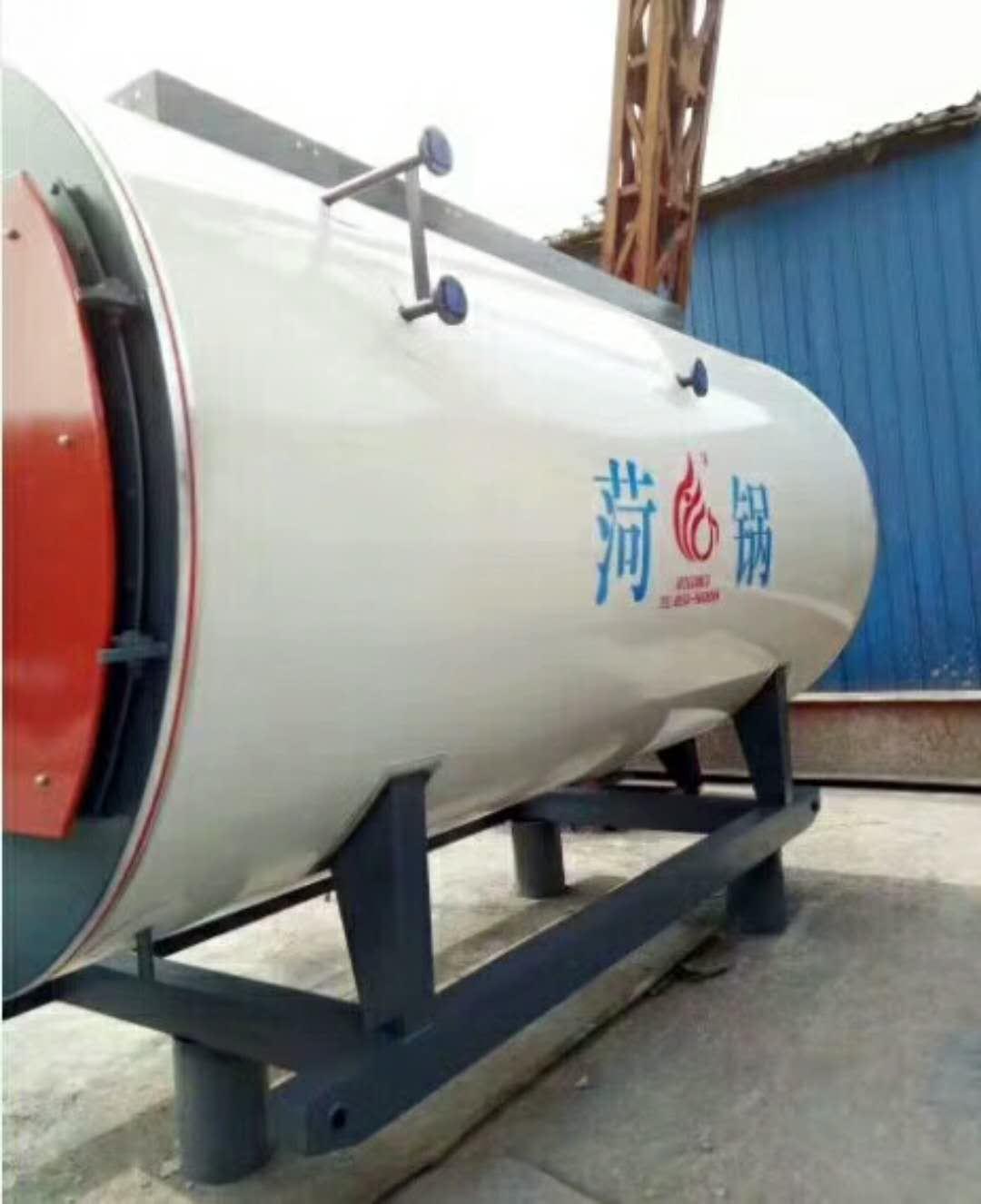

Equipment Performance
1Provide***Superior system energy-saving design solutions:1Condensate Recovery System Design Proposal, Reduces Gas Consumption2Electrical control system design solution, reduce energy consumption
2Equipped with imported brand burners, high level of automation, automatically blow cleaning according to controller instructions, electronic automatic ignition, automatic combustion, automatic proportion adjustment of oil (gas), performance is safe and stable, excellent combustion effect. Also features an extinguishing protection device to ensure safe operation.
3Computerized bath boiler controller, all functions are magically stored on a smart chip, the boiler can be turned on with one button, operates automatically with timed and temperature settings. Users can set the boiler's start and stop times. Once set, no one needs to be on duty, saving time and effort.
4The flue tubes are fitted with flame-retardant baffle plates, which slow down the exhaust smoke speed, enhance heat exchange, resulting in lower smoke temperature from the smoke chamber, reducing heat loss, and saving fuel.
Boiler Heat Loss
1. The heat loss caused by flue gas emissions from gas-fired boilers is primarily due to the volume of flue gas and the temperature of flue gas emissions. During the exhaust process, when the boiler is not in a sealed state, air flow will carry away some heat, resulting in heat loss. Flue gas emissions account for the largest proportion of heat loss, approximately 4.5%-8.2%.
2. Heat loss due to incomplete fuel combustion, primarily caused by two factors. One is the presence of combustible gas components in the flue gas within the boiler, which is related to the furnace temperature, air coefficient, and the mixing flow of fuel and gas, thereby affecting the volatilization speed and content of the fuel. The other is the incomplete combustion of solid fuel, with the influence being more significant when the solid fuel is in a granular form. During combustion, if the temperature is not high and the airflow is poor, the flying ash can easily form sediments. Too much sediment accumulation prevents the remaining fuel particles from being completely combusted, leading to the formation of carbon black and causing heat loss in solid fuel gas boilers. Factors such as fuel properties, moisture content, temperature, power load, and the air propulsion force within the boiler can easily lead to fuel heat loss.
3. Heat Loss from Gas Boilers: The heat loss from the boiler unit's exposed metal structures, such as the boiler walls and flues, to the outside air is known as heat dissipation loss. This loss is directly related to the surface area of the boiler unit, as well as the insulation and thermal insulation conditions.
4. Thermal Loss from Boiler Ash Sediment: During the combustion process in a gas-fired boiler, as the internal temperature of the boiler continuously rises, the heat loss that is expelled outside the furnace is referred to as boiler ash sediment thermal loss.
Combustion Equipment
Throughout the development of boilers, the type of fuel has a significant impact on the furnace and combustion equipment. Therefore, it not only requires the development of various furnace types to accommodate the burning characteristics of different fuels but also to enhance combustion efficiency for energy conservation. Additionally, technological improvements in the furnace and combustion equipment necessitate the minimization of pollutants (*oxides and nitrogen oxides) in the boiler's exhaust emissions.
Mechanized Grate
Early potshell boilers used fixed grates, primarily burning high-quality coal and wood, with manual operations for coal addition and slag removal. With the introduction of the straight-tube boiler, mechanical grates began to be adopted, with chain grates becoming widely used. Under-grate air supply evolved from a non-segmented "uniform storage air" to segmented air supply. Initially, the firebox was low and inefficient in combustion. Later, the importance of the firebox volume and structure in combustion was recognized, leading to taller fireboxes and the use of arches and secondary air, thereby improving combustion efficiency.
Room heater
When the generator set power exceeds 6 megawatts, the grate sizes of these layer-fired furnaces are too large and the structures are complex, making them difficult to arrange. Therefore, room-fired furnaces began to be used in the 1920s, which burn coal powder and oil. Coal is ground into coal powder by a coal mill and then injected into the furnace chamber for combustion using a burner, thereby no longer being limited by the combustion equipment. Since the early stages of World War II, almost all power station boilers have adopted room-fired furnaces.
DC Combustor
Early coal powder furnaces used U-shaped flames. The coal powder stream emitted by the burner first descends in the furnace chamber before turning and ascending. Later, swirl burners arranged on the front wall were introduced, forming an L-shaped torch flame in the furnace. As the boiler capacity increased, the number of swirl burners also grew, which could be arranged on both side walls or the front and rear walls. Around 1930, direct combustion burners were introduced, positioned at the four corners of the furnace and mostly in a circular cutting combustion style.
Fuel boiler
Post-World War II, with oil prices low, many countries began widely using oil-fired boilers. These boilers are easy to automate. After oil prices increased in the 1970s, many countries reverted to utilizing coal resources. At this time, the capacity of power station boilers also grew larger, requiring combustion equipment not only to burn completely and ignite stably, operate reliably, and have good low-load performance, but also to reduce pollutants in the exhaust smoke.
In coal-fired (especially lignite-fired) power plant boilers, the use of staged combustion or low-temperature combustion technology, such as delaying the mixing of coal powder with air or adding flue gas to the air to slow down combustion, or dispersing burners to control furnace temperature, not only inhibits the formation of nitrogen oxides but also reduces slagging. Boiling combustion, which is a type of low-temperature combustion, can burn solid fuels with very high combustible ash content and also allows for the addition of limestone in the boiling bed for desulfurization.
Gas Boiler
Boilers were once a symbol of the industrial age, but as time has passed, these relics of the old industrial era are increasingly difficult to fully meet the needs of modern enterprises. So, how should boiler companies struggling with diseases find a solution? Gas boilers can help you out!
Generally, common issues with boilers include high costs and environmental impact, safety risks, large space requirements necessitating dedicated management, and complications in operation requiring various safety certifications. Gas hot water heaters can address all these issues. Firstly, regarding cost and environmental concerns, gas boilers use combustible gases with no pollution emissions. They also come with intelligent pressure control, eliminating risks like explosions or carbon monoxide poisoning. Due to advanced technology, these boilers occupy less space, are easy to operate without the need for specialized staff, and can be fully automated with just a button press. As they are not coal-fired boilers, no safety certifications are required.
Boiler Categories
Steam Boiler
In the first half of the 18th century, steam engines used in British coal mines, including Watt's early steam engines, operated at steam pressures equal to atmospheric pressure. In the latter half of the 18th century, steam pressures above atmospheric pressure were employed. By the 19th century, the common steam pressure reached approximately 0.8 MPa. Correspondingly, the earliest steam boiler was a large-diameter vertical cylindrical pot shell for holding water, which was later replaced by a horizontal pot shell, with a brick-lined furnace body below for burning.
Double-flue boiler
As boilers grew larger, to increase the heating surface, fire tubes were added to the boiler shell. Fire was burned at the front end of the tubes, with flue gases exiting from the back and passing through brick-lined flues to the chimney, thereby heating the external surface of the boiler shell. This type of boiler is known as a fire tube boiler. Initially, only one fire tube was installed, referred to as a single fire tube boiler or Cornish boiler. Later, two fire tubes were added, known as a double fire tube boiler or Lancashire boiler.
Horizontal External Combustion Reheat Pipe Boiler
Around 1830, after mastering the production and expansion technology of high-quality steel pipes, fire-tube boilers emerged. Some fire tubes were installed inside the boiler shell, forming the main heating surface of the boiler, with the flame (flue gas) flowing through the tubes. A large number of fire tubes were installed below the water line in the boiler shell, known as horizontal external fire-tube boilers. They have a lower metal consumption, but require extensive masonry.
Pot drum
In the mid-19th century, the water-tube boiler emerged. The heating surface of the boiler was the water pipes outside the boiler shell, replacing the boiler shell itself and the fire tubes inside it. The increase in the heating surface area and steam pressure of the boiler was no longer limited by the diameter of the boiler shell, which was beneficial for enhancing the boiler's evaporation capacity and steam pressure. The cylindrical boiler shell in such boilers was then renamed to drum, or called a steam drum. Early water-tube boilers used only straight pipes, and both the pressure and capacity of these straight-pipe boilers were limited.
In the early 20th century, the development of steam turbines required boilers with higher capacity and steam parameters. The straight tube boilers were no longer sufficient. With advancements in manufacturing processes and water treatment technology, bent tube boilers emerged. Initially, multi-drum designs were used. As water-cooled walls, superheaters, and economizers were adopted, and improvements were made to the steam-water separation elements inside the drums, the number of drums decreased, saving metal and benefiting the increase in boiler pressure, temperature, capacity, and efficiency.
Safety
Gas boilers differ from other gas appliances in that they have a special installation location, high gas consumption, and are products with high safety requirements. Therefore, in North America, all gas fireplace products must pass strict safety and environmental protection standards before being launched into the market. These standards are also continuously updated with the development of the products. Different types of fireplace products have corresponding specific safety testing standards. For example, the testing standards for balanced gas fireplaces and flue gas fireplaces are different, as are the standards for decorative gas fireplaces and heating gas fireplaces. Therefore, North American balanced gas fireplace products should have certifications such as Ansi Z21.88 or CSA2.33, indicating that the product's safety and environmental protection meet the standards, and users can use them with confidence.
Auxiliary boiler
The earlier fire-tube boilers, water-tube boilers, and firebox boilers all fell under the category of natural circulation boilers. Due to varying heat conditions in the ascending and descending pipes, density differences were created, resulting in natural flow. While developing natural circulation boilers, the application of once-through boilers began in the 1930s, and auxiliary circulation boilers started to be used in the 1940s.
Forced circulation boiler
The auxiliary circulating boiler, also known as a forced circulation boiler, is an evolution from the natural circulation boiler. A circulating pump is added to the downcomer system to enhance the water circulation over the evaporative heating surface. In a once-through boiler, there is no drum; feedwater is supplied to the economizer by the feed pump, passes through the water walls and superheaters, etc., to become superheated steam for the turbine, with all flow resistances overcome by the feed pump.
Composite recirculating boiler
Following World War II, both types of boilers experienced rapid development due to the demand for high-temperature, high-pressure, and large-capacity power generation units at the time. The aim of developing these boilers was to reduce or eliminate the need for drums, allowing for the use of small-diameter tubes as heating surfaces and providing greater flexibility in arranging these surfaces. With advancements in automatic control and water treatment technologies, they gradually matured. At supercritical pressure, once-through boilers were the only viable option. In the 1970s, the largest single unit capacity was a 27 MPa pressure with a 1300 MW power generation set. Later, a composite circulation boiler was developed, which combined auxiliary circulation boilers and once-through boilers.


Shihezi: Best Gas Boiler Manufacturers - Renowned Gas Boiler Manufacturer - Fully Automatic Gas Boiler Manufacturer - Altay Gas Boiler Factory
