


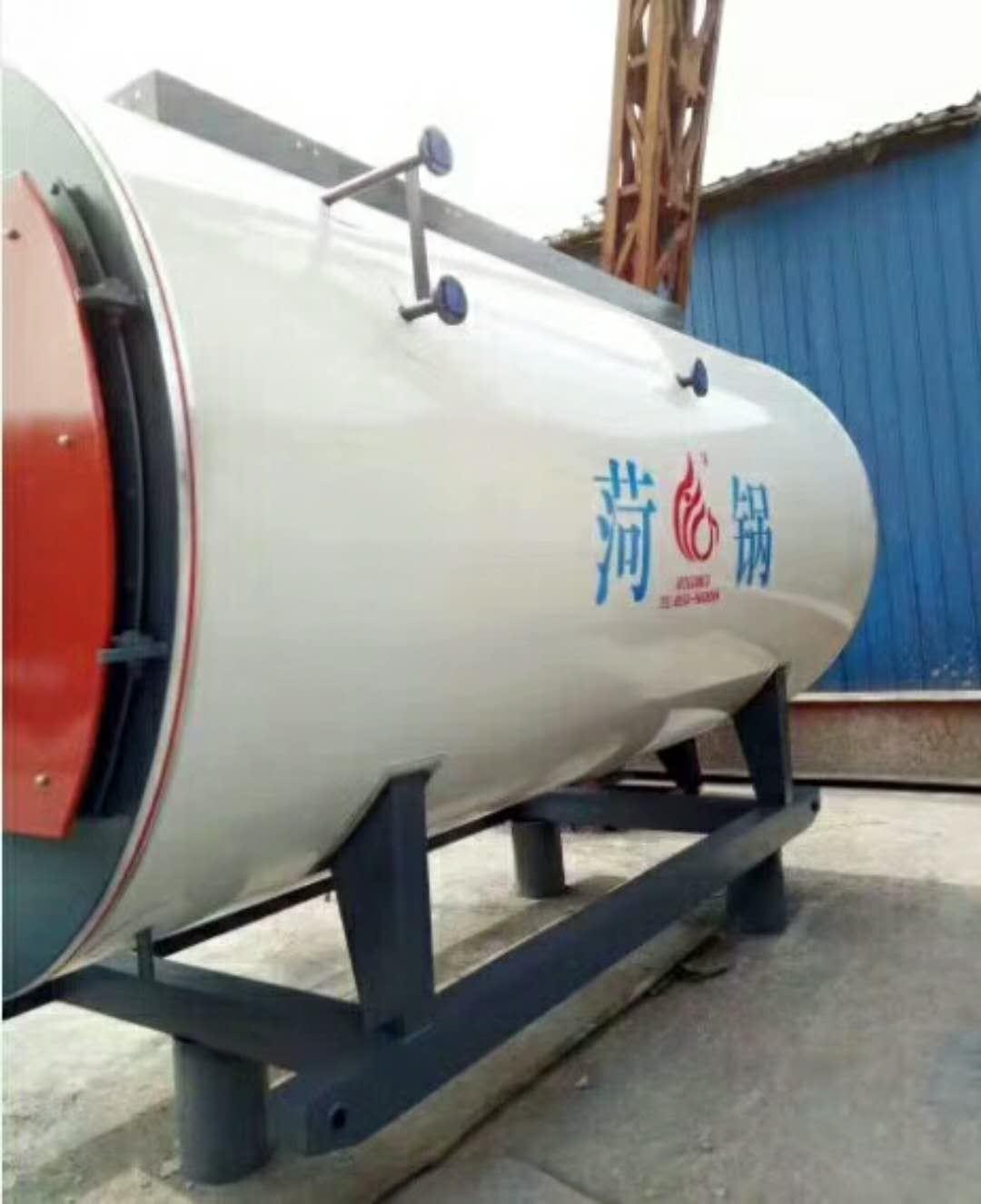
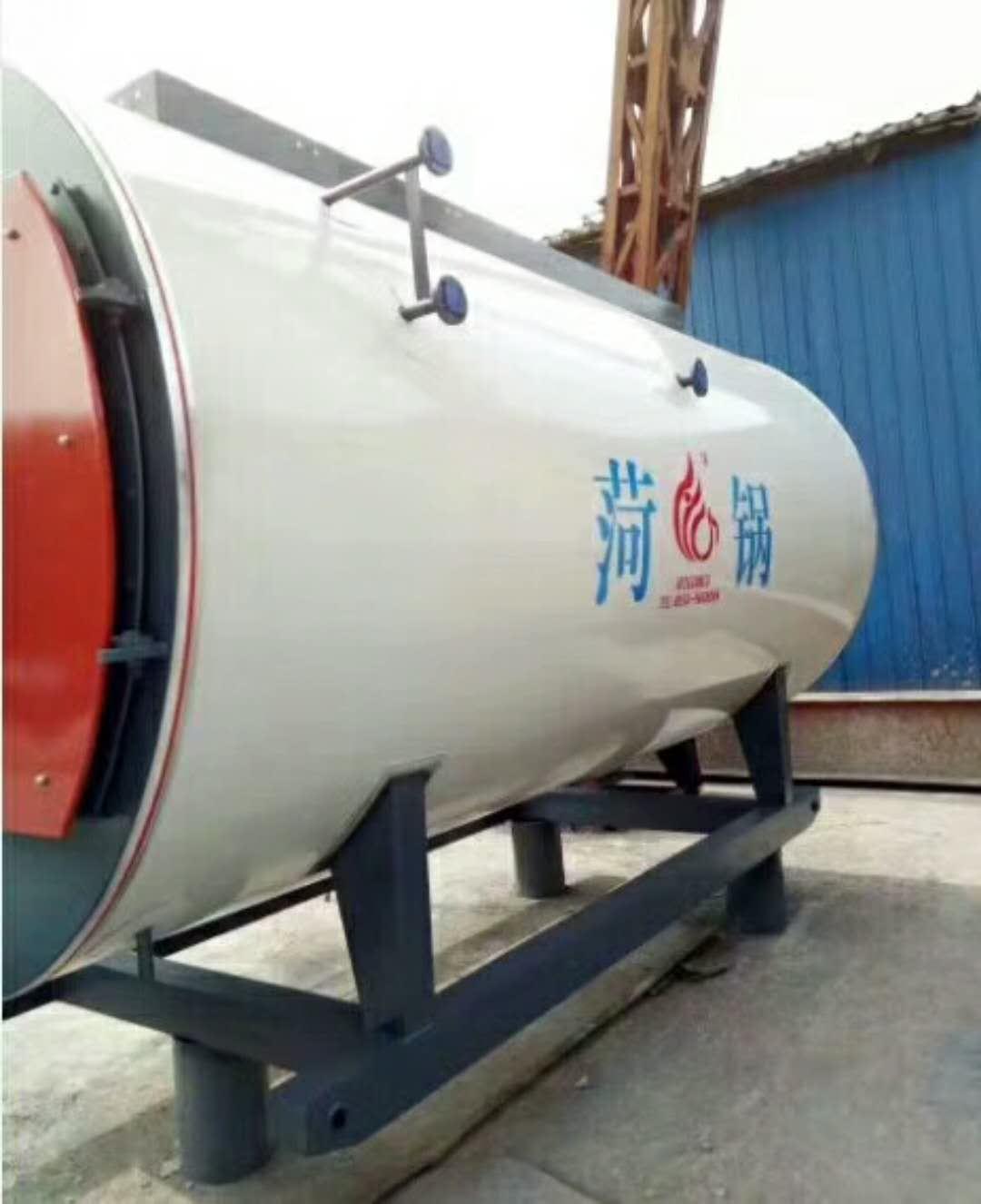
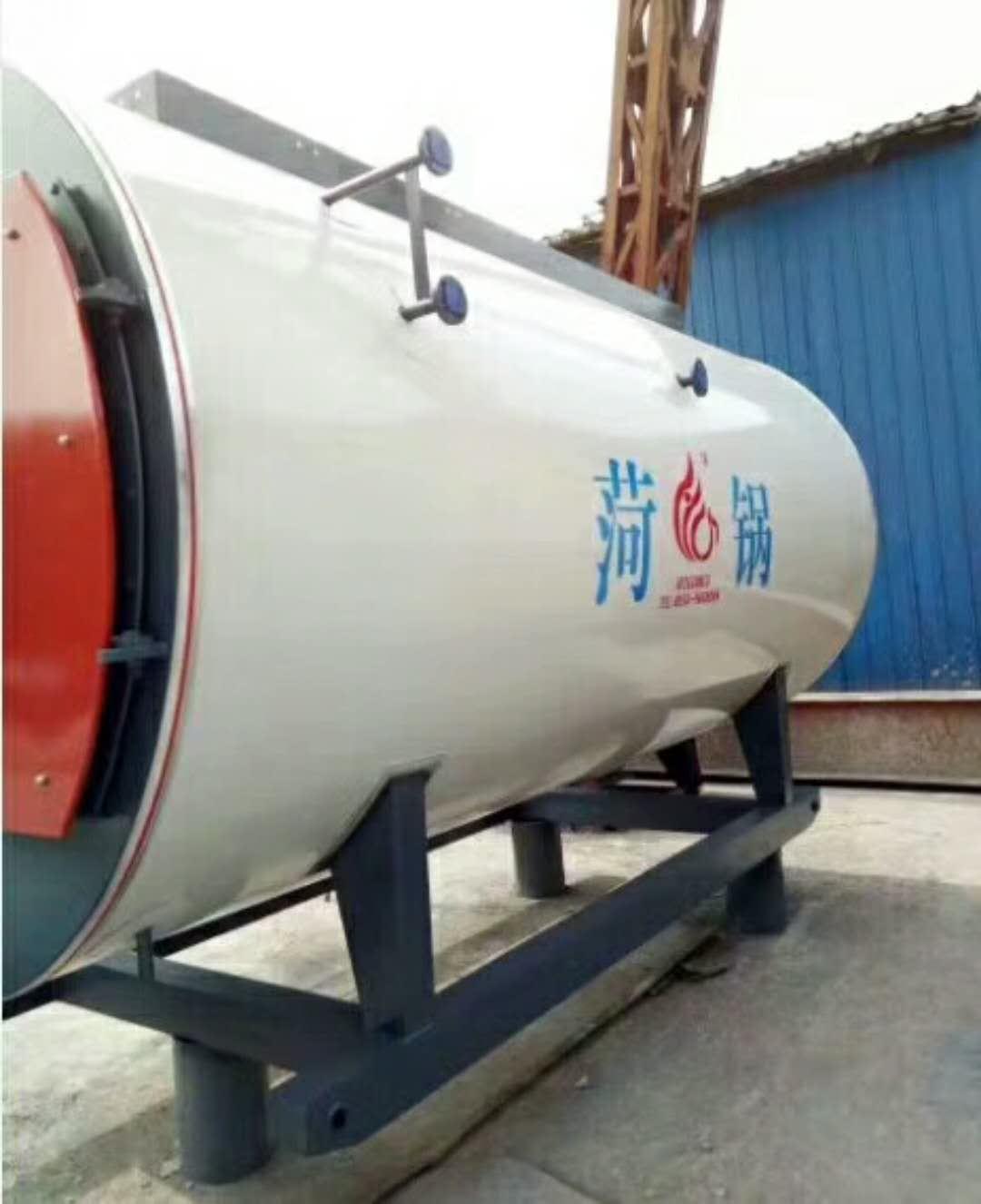

Huzhou Boiler Factory Co., Ltd. was established in1984Year, located in the Jining Road, Development Zone of Heze City2218Number, Occupies10Over 10,000 square meters, main workshop area30000㎡. Current staff800Multiple personnel, including engineering and technical staff110Additional personnel, fixed assets2.5Billions.
Our company boastsBCertified grade boiler manufacturing qualificationA2Grade pressure vessel design and manufacturing qualifications2Grade boiler installation andGB、GCCertifications for installation of pressure pipelines, mechanical and electrical equipment, etc. The company values scientific research and innovation, being recognized as a national high-tech enterprise, a famous trademark enterprise in Shandong Province, a provincial energy-saving and environmental protection demonstration enterprise, and a member unit of the China Chemical Equipment Association.
The company is highly focused on the special equipment industry of green energy, specializing in the professional manufacturing of boilers and special pressure vessels. Leading products include: fuel oil(Gas)Boilers, biomass boilers, waste heat boilers, coal-fired boilers, organic heat carrier boilers, and other boiler products. LNGTanks, Oxygen/Nitrogen/Argon Storage TanksCO2Storage tanks and vacuum-insulated cryogenic pressure vessels; LPG storage tanks, liquid ammonia storage tanks, denitration and auxiliary equipment, heat exchangers, complete chemical equipment sets, stainless steel pressure vessels, refrigeration auxiliary machinery, etc.
The company operates with stringent management standards and efficiency, throughISO9001Quality Management SystemISO14001Environmental Management SystemOHSAS18001Certification for Occupational Health and Safety Management System. The company holds independent import and export rights, with products sold to over 20 provinces, municipalities, and autonomous regions, and exported to countries and regions in Southeast Asia, Central Asia, Africa, and Latin America, enjoying high praise from customers.
Company offers“Becoming a top-tier supplier of special equipment in China, upholding the reputation of "Made in China"”For the vision of development, the company adheres to“Achieve employee dreams, create customer value, and strive for the prosperity of our motherland.”Our corporate mission is dedicated to the development of green special equipment, providing outstanding products and services to society.
Boiler Classification
Steam Boiler
In the first half of the 18th century, steam engines used in British coal mines, including Watt's early steam engines, operated at steam pressures equal to atmospheric pressure. By the latter half of the 18th century, steam pressures above atmospheric pressure were employed. In the 19th century, the common steam pressure reached approximately 0.8 MPa. Correspondingly, the earliest steam boiler was a large-diameter vertical cylindrical shell for holding water, which was later replaced by a horizontal shell, with fires burning in a brick-lined furnace beneath the shell.
Twin-flue boiler
As boilers grew larger, to increase the heating surface, a fire tube was added to the boiler shell. Fire is burned at the front end of the tube, and the flue gas exits from the back of the tube, passing through a brick-lined flue to the chimney, thereby heating the external surface of the boiler shell. This type of boiler is known as a fire tube boiler. Initially, only one fire tube was installed, referred to as a single fire tube boiler or Cornish boiler. Later, two fire tubes were added, known as a double fire tube boiler or Lancashire boiler.
Horizontal External Combustion Refractory Pipe Boiler
Around 1830, after mastering the production and expansion techniques of high-quality steel pipes, fire-tube boilers emerged. Some fire tubes were installed in the boiler shell, forming the main heating surface of the boiler, with the fire (flue gas) flowing through the tubes. A large number of fire tubes were installed below the water line in the boiler shell, known as horizontal external fire-tube boilers. They have a lower metal consumption but require substantial masonry.
Pot drum
In the mid-19th century, the water-tube boiler emerged. The heating surface of the boiler was the water pipes outside the boiler shell, replacing the boiler shell itself and the fire tubes inside. The increase in the heating surface area and steam pressure of the boiler was no longer limited by the diameter of the boiler shell, which was beneficial for enhancing the evaporation capacity and steam pressure of the boiler. The cylindrical boiler shell in this type of boiler was then renamed to a drum or a steam drum. Early water-tube boilers only used straight pipes, which limited both the pressure and capacity of the boilers.
In the early 20th century, the development of steam turbines necessitated larger boilers with higher capacity and steam parameters. The straight tube boilers were no longer sufficient. With advancements in manufacturing processes and water treatment technology, bent tube boilers emerged. Initially, multi-drum boilers were used. As water-cooled walls, superheaters, and economizers were adopted, and improvements were made to the steam-water separation elements inside the drums, the number of drums gradually decreased, saving metal and also benefiting the boiler's pressure, temperature, capacity, and efficiency.
Safety
Gas boilers differ from other gas appliances due to their unique installation location, high gas consumption, and the higher safety requirements they entail. Therefore, in North America, all gas fireplace products must pass rigorous safety and environmental protection standards before being launched into the market. These standards are continuously updated as products evolve. Different types of fireplace products have specific safety testing standards. For instance, the testing standards for balanced flue gas fireplaces and chimney gas fireplaces differ, as do those for decorative gas fireplaces and heating gas fireplaces. Consequently, North American balanced flue gas fireplace products should have certifications such as Ansi Z21.88 or CSA2.33, indicating that the product's safety and environmental protection meet the standards, and users can use them with confidence.
Auxiliary boiler
Previous fire-tube boilers, water-tube boilers, and firebox boilers were all types of natural circulation boilers. Due to varying heating conditions in the ascending and descending pipes, density differences were created, resulting in natural flow. While developing natural circulation boilers, the use of once-through boilers began in the 1930s, and auxiliary circulation boilers were introduced in the 1940s.
Forced-circulation boiler
Auxiliary circulating boilers, also known as forced circulation boilers, are developed based on the natural circulation boilers. A circulating pump is added to the downcomer system to enhance the water circulation of the evaporative heating surface. In once-through boilers, there is no drum. Feedwater is supplied to the economizer by the feedwater pump, passes through the water wall and superheater, etc., to become superheated steam and sent to the steam turbine. The total flow resistance of all parts is overcome by the feedwater pump.
Composite circulating boiler
Following World War II, both types of boilers experienced rapid development due to the high-temperature, high-pressure, and large-capacity requirements of power generation units at the time. The aim of developing these boilers was to reduce or eliminate the need for drums, allowing for the use of small-diameter tubes as heating surfaces and providing greater freedom in arranging these surfaces. With advancements in automatic control and water treatment technologies, they gradually matured. At supercritical pressure, the once-through boiler was the only type that could be used. The largest single unit capacity in the 1970s was a 27 MPa pressure unit paired with a 1300 MW power generation set. Later, a combined cycle boiler was developed, which was a combination of an auxiliary circulation boiler and a once-through boiler.
Energy-saving effect of gas boilers is much better compared to other types of boilers. In developed countries like Europe and the US, the proportion of gas boilers is quite high. In our country, due to historical reasons, the proportion of coal-fired boilers used is absolutely large. With the severe air pollution in recent years, especially in the Beijing-Tianjin-Hebei region, as well as in Shandong, Shanxi, and Henan, winter smog is very serious, severely affecting people's health. With the extensive attention from all sectors of society, people's understanding of smog is deepening, and the "Coal-to-Gas" project has been launched with great fervor as a sharp sword.


Manufacture Gas Boilers - Professional Gas Boiler Manufacturer - How Much Are Kashi Gas Boilers - Genuine Gas Boiler Manufacturer
