


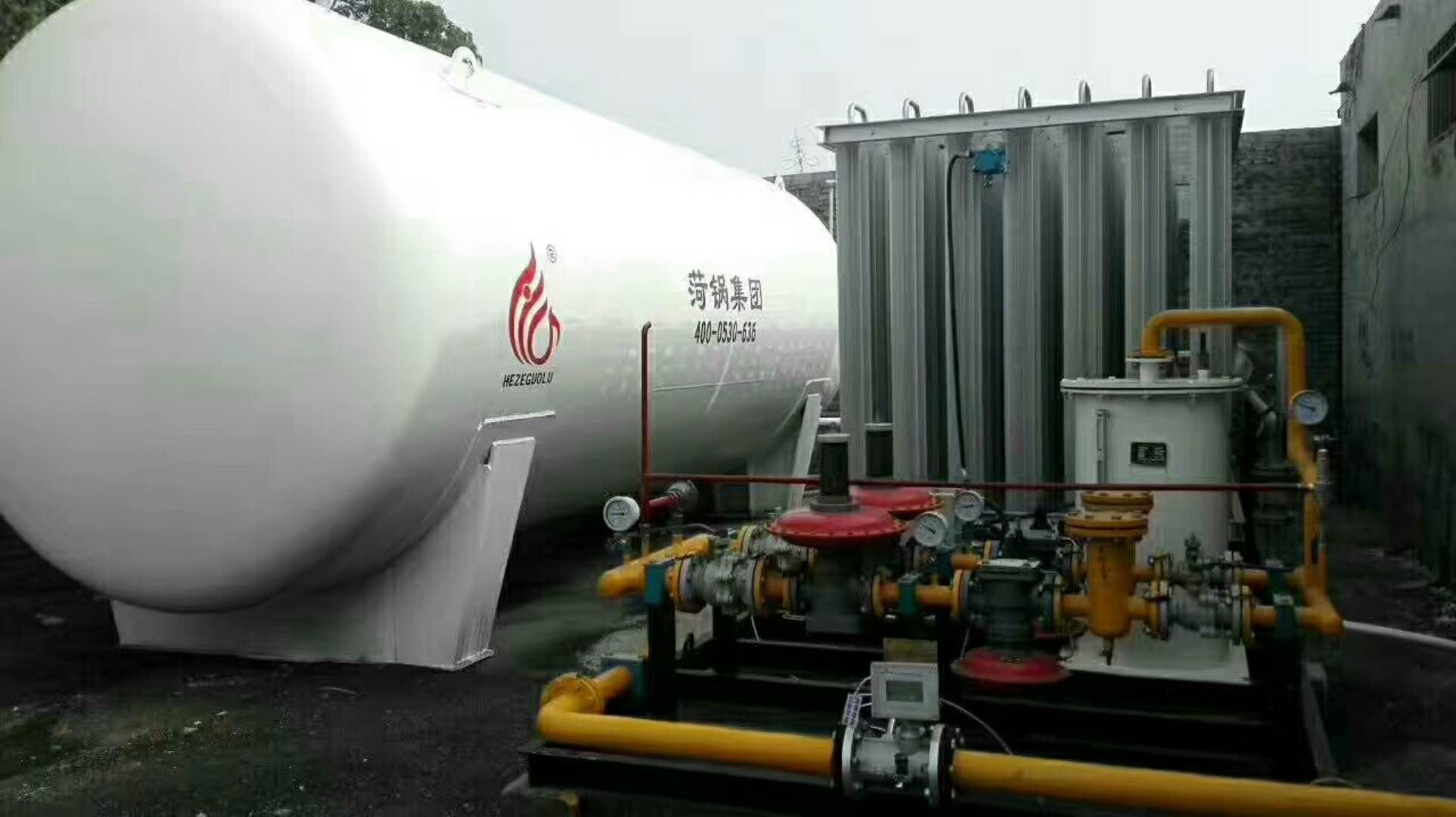
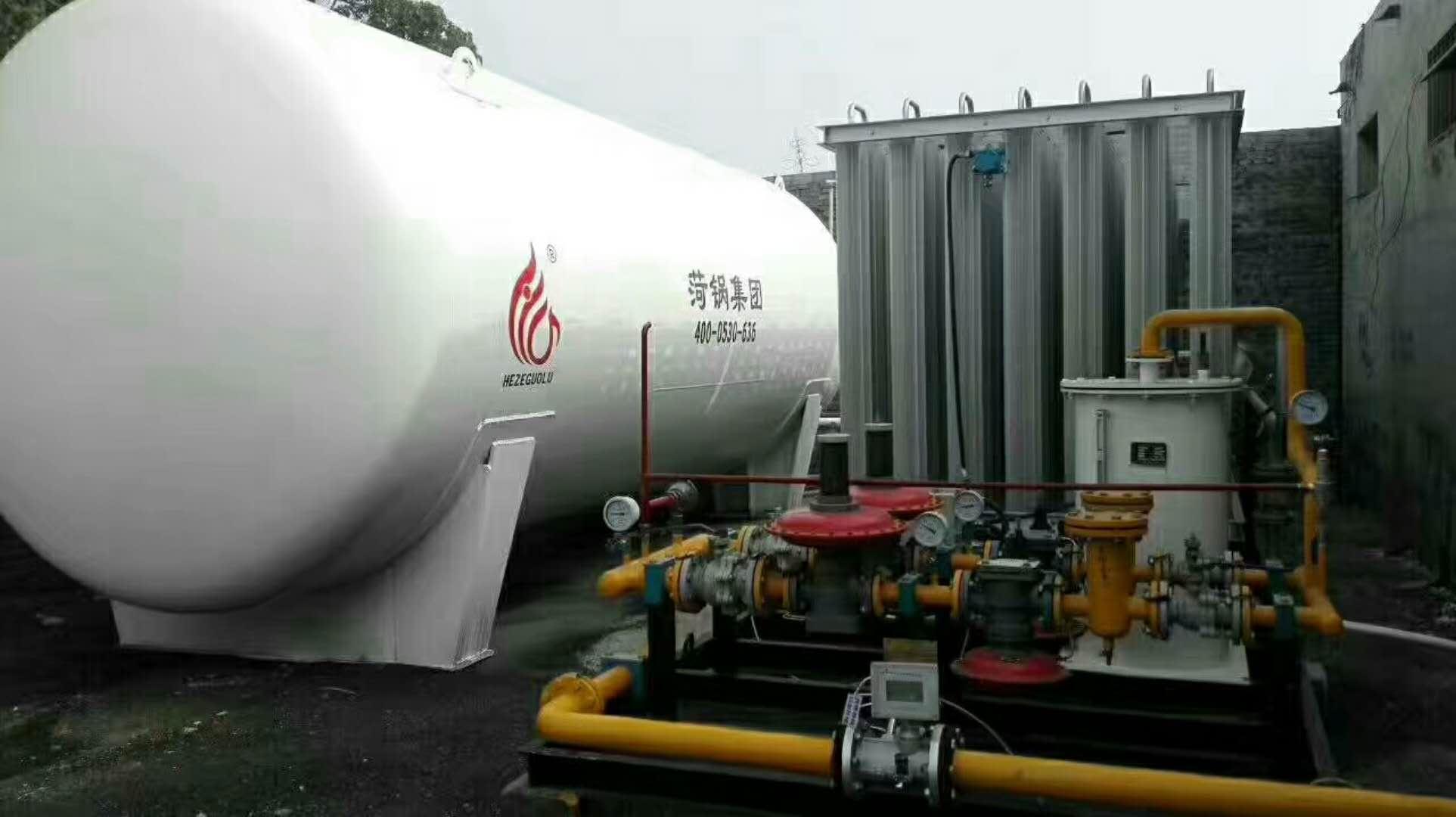
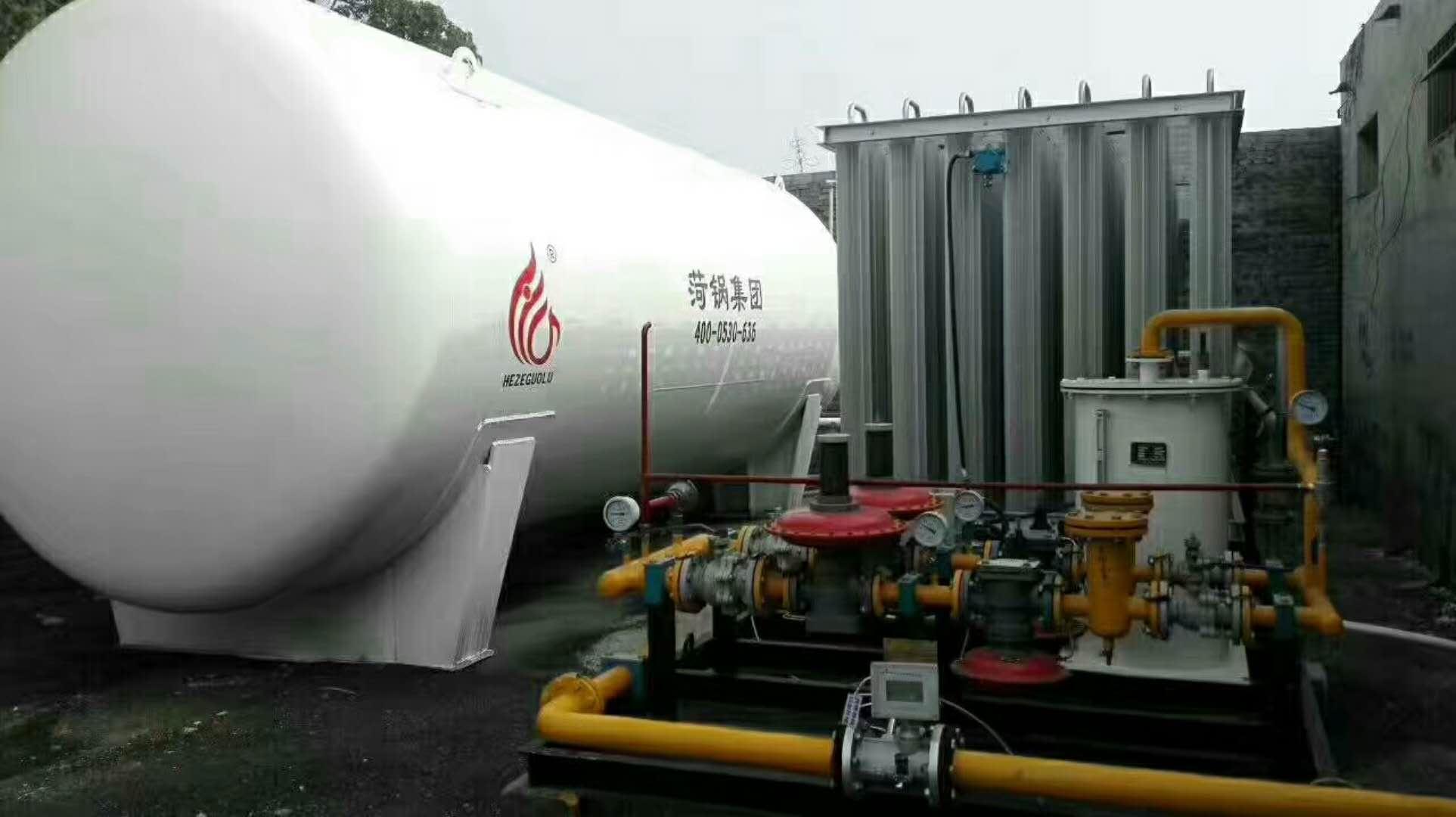
Procedures for Operating Low-Temperature Natural Gas Storage Vessels
1.1 Introduction to Site Pressure Regulation Process
An attached partial process flow diagram of the pressure regulation area is provided, with equipment numbers identified in the process flow diagram for operations required.
1.2 Pre-Pressure Regulation Preparation
1.2.1 Tool Preparation
Explosion-proof wrench, two pairs of gloves, and two sets of protective equipment.
1.2.2 Preparatory Work
Wear personal protective equipment, including antistatic clothing, static-free shoes, and safety helmets, etc.
(2) Verify that static-sensitive devices such as smartphones and computers are placed in a safe area, and check if the surrounding environment is safe and meets the working conditions.
(3) Before entering, rub your hands on the static discharge pad to release static electricity.
(4) Verify that all pressure-regulating tools, such as explosion-proof wrenches, are fully carried.
(5) Inspect that the tank's pressure gauge, level gauge, thermometer, flammable gas detector, and safety valve are all functioning normally.
(6) Inspect that the pipeline valves, pressure gauges, and safety valves are in normal working condition.
(7) Prepare all explosion-proof tools
1.2.3 LNG Storage Tank Gas Supply Process:
All valves of the tanks to be pressurized are closed, except for the root valve and the emergency shut-off valve.
2. Open the low-temperature storage tank's lower inlet valve and the boost liquid and vapor phase valves, and check that both valves on the front and back of the boost gasifier are in the open position.
3. Open the low-temperature cutoff valve before the gasifier, the ambient temperature flanged ball valve after the gasifier, and all valves required to be opened in the pressure regulating system.
4.A. When the gas supply volume is less than 1000-2000 Nm3/h, one storage tank is sufficient to meet the gas supply requirements.
5. Flow Rate:
5.1 When the tank pressure reaches more than 0.15 MPa above the outlet pressure, slowly open the outlet valve to commence the gas supply operation.
5.2 Record the liquid storage tank number and the start of gas supply.
5.3 Pay close attention to the liquid level, pressure changes, and flow and pressure variations at the outlet of the storage tank during gas supply.
1.2.4 LNG Tank Self-pressurization Operation Procedure
1. During manual operation, open the valves: the pressure booster liquid phase valve, the pressure booster gas phase bypass valve, and the liquefied natural gas (LNG) vaporizer inlet valve. Allow LNG to flow directly into the self-pressurized gas vaporizer, where it is vaporized and then enters the LNG storage tank. At this point, closely monitor the pressure, and close the pressure booster liquid phase valve when the pressure in the LNG storage tank reaches the desired level.
2. Cautionary Notes:
During the operation of an LNG low-temperature storage tank, the liquid level must be maintained at ≤90% for the upper limit and ≥15% for the lower limit.
(2) When manually operating the self-pressurizing system, unauthorized personnel must not leave the scene.
(3) When the self-pressurizing system is in operation, the pressure-reducing system should be in the off position.
3. Cautionary Notes:
(1) During operation, the LNG tank must maintain a liquid level of ≥15%.
(2) No one is allowed to leave the site during manual operation.
1.2.5 Risk Analysis and Countermeasures
When loading and unloading LNG tankers, operators should wear masks, antistatic work clothes, and antifreeze gloves, etc.
2) When unloading LNG tankers, it is strictly prohibited to move the vehicles to prevent the disconnection of loading and unloading hoses, which could lead to a large LNG leak.
3) When LNG is inside the pipeline, both ends' valves cannot be closed simultaneously.
4) Absolutely no touching or stepping on low-temperature pipelines and facilities.
6) Under no circumstances shall moisture, oil, mechanical impurities, etc., enter the pipeline to avoid blockage.
7) Absolutely no hammering, fire drying, or water spraying on the frozen areas.
8) To ensure safety in the working environment, operators must wear proper protective gear, eliminate static electricity before entering the station, and no open flames are allowed within the facility's operational area. Non-explosion-proof tools and electronic devices are strictly prohibited.
9) Strictly adhere to the operation ticket system, follow the steps outlined in the operation ticket, and require at least two on-site operators: one to perform and one to supervise, ensuring operational safety.
10) Conduct safety education before operation, implement on-site safety precautions effectively. In case of danger, know how to evacuate and control the situation.


专业的天然气储罐哪家质量好-特价天然气储罐生产商-知名天然气储罐哪家质量好-正规天然气储罐
