


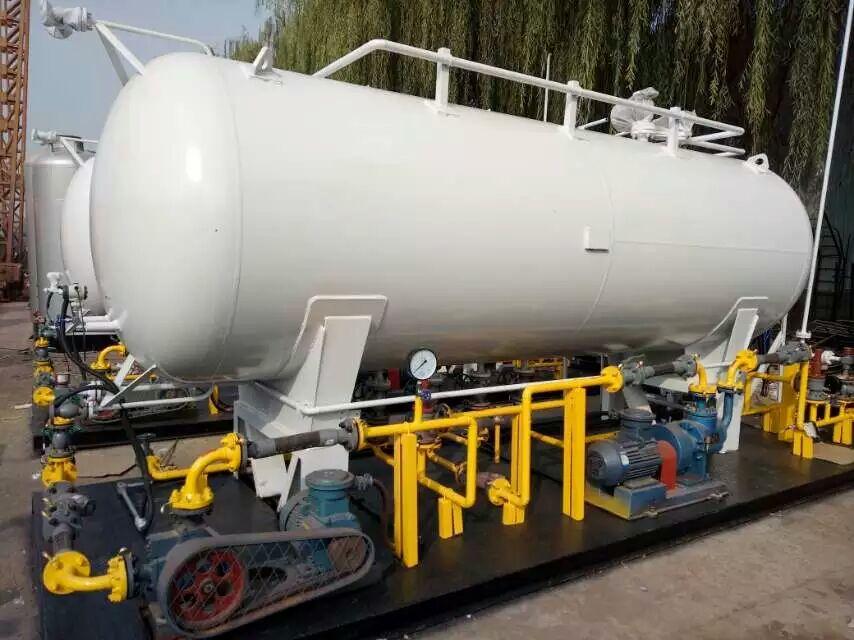
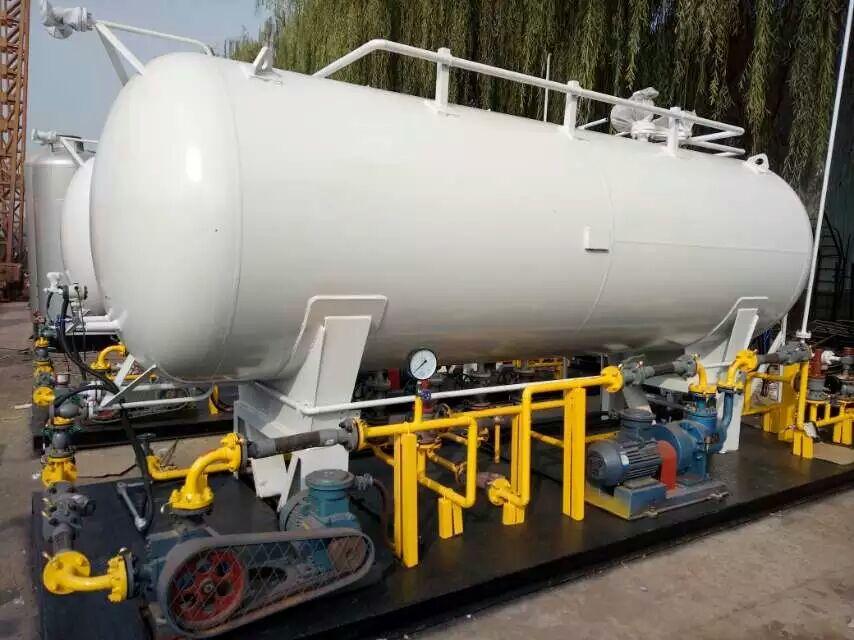
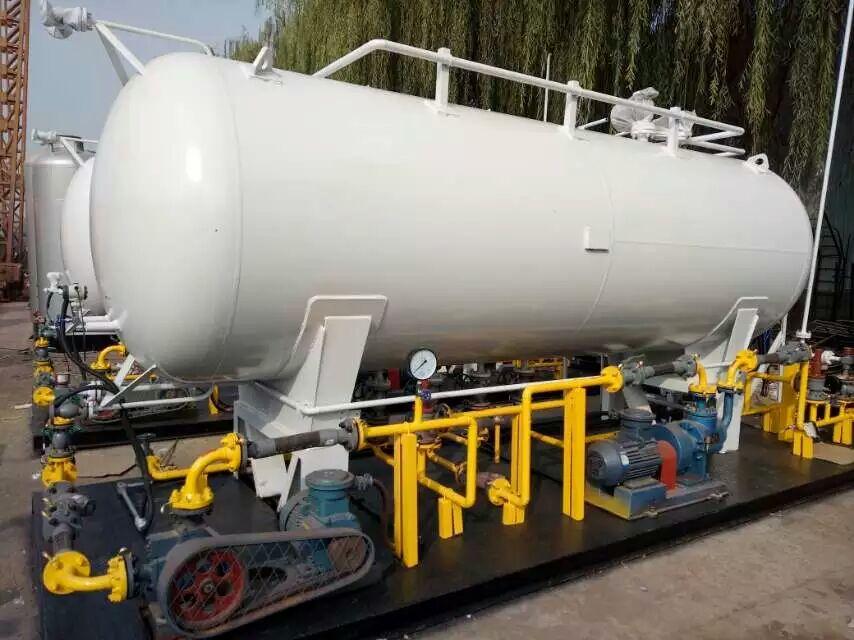
Liquefied Natural Gas (LNG) storage tanks are specialized products for storing LNG, classified as special equipment and third-category pressure vessels. They are made of 06Ni9DR material and undergo ultrasonic testing, hydrostatic and pneumatic testing, on-site inspection by the Technical Supervision Bureau, and issue of pressure vessel inspection certificates. The tanks are also finished with external rust removal and painting. The quality of the pressure elements, appearance dimensions, weld quality, operational quality, installation quality, internal equipment, and safety accessories of the LNG storage tanks are strictly evaluated.
Routine physical and chemical tests for the material of the drum, such as mechanical properties and chemical composition.
Rigorous X-ray non-destructive testing and magnetic particle inspection are conducted on the welded joints, seams, tank end caps, and the mutual geometric positions of all pressure elements. Tests and inspections are performed on the product's sealing, pressure resistance, and all technical indicators that could affect the safe operation of the product.
Common structures of LNG tanks include: vertical LNG tanks, horizontal LNG tanks, vertical mother-child tanks, and atmospheric storage tanks.
Vertical LNG Storage Tank
Volume options include 50 cu, 100 cu, 150 cu, and 200 cu.
Horizontal LNG Storage Tank
Volume options include 60 cubic and 100 cubic.
Vertical mother and son tanks
A mother drum consists of multiple child drums connected in series to meet large storage capacity requirements, with several child drums assembled side by side within a large outer drum. The number of child drums typically ranges from 3 to 7, generally not exceeding 12. Each child drum should not be excessively large, with volumes usually between 100 to 150 cubic meters, with the maximum reaching 250 cubic meters. Common sizes include 1000 cubic meters, 1750 cubic meters, and 2000 cubic meters.
Atmospheric Storage Tank:
We offer both medium to large-sized atmospheric LNG storage tanks and extra-large atmospheric LNG storage tanks.
Low-temperature storage tank structure:
A low-temperature storage tank is a compact storage facility equipped with various fittings (valves, safety systems, etc.) for storing low-temperature liquids. The tank consists of a carbon steel vacuum shell and a pressure vessel placed within it, and can operate under low to medium pressure according to actual design requirements. Blasting discs and double safety valves provide protection for the tank in case of excessive pressure. The safety relief device is designed to protect the internal pressure vessel and vacuum shell, with its usage and models determined by the GB150 and "Fixed Container Regulations." This includes a double safety relief valve and blasting disc device for protecting the internal pressure vessel, and a blast cap for protecting the vacuum shell (shell). The tank is designed and manufactured for safety, reliable operation, and durability (capable of trouble-free operation for years), and strict adherence to proper safety and operating regulations must be observed during its operation.
High safety requirements. As the tank stores low-temperature liquids, in the event of an accident, the refrigerated liquid would evaporate in large quantities, with the vaporization amount being approximately 300 times that of the refrigerated state, forming explosive gas clouds in the atmosphere. Therefore, standards such as API, BS, etc., require the use of double-walled tank structures and the application of sealing concepts. In the event of leakage from the first layer, the second layer can completely seal the leaked liquid and evaporated gas, ensuring storage safety.


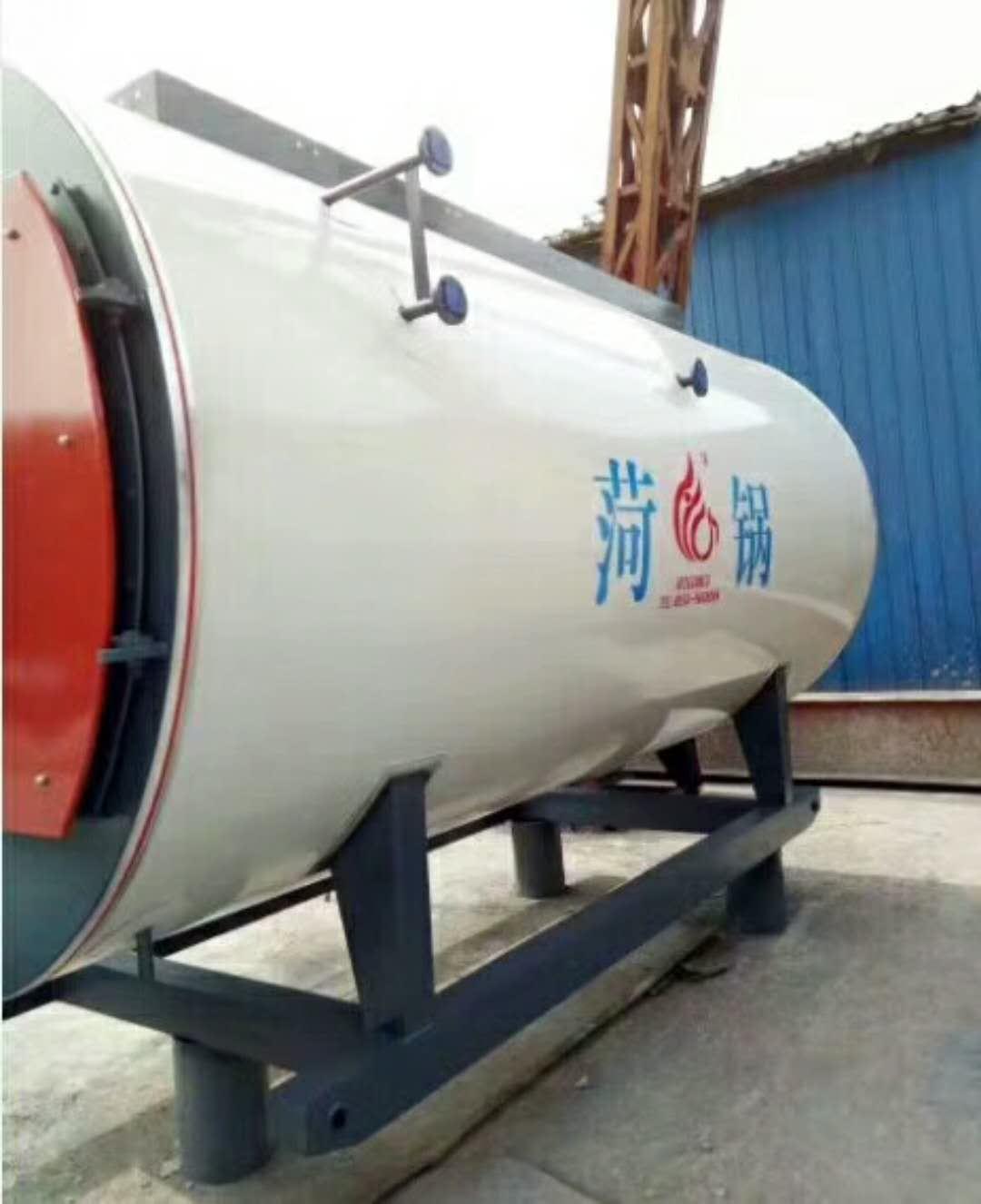
Natural Gas Storage Tanks for Sale - Professionally Manufactured Gas Storage Tanks for Sale - Shandong Hezhou Group Natural Gas Storage Tanks - How Much Are High-Quality Natural Gas Storage Tanks
