


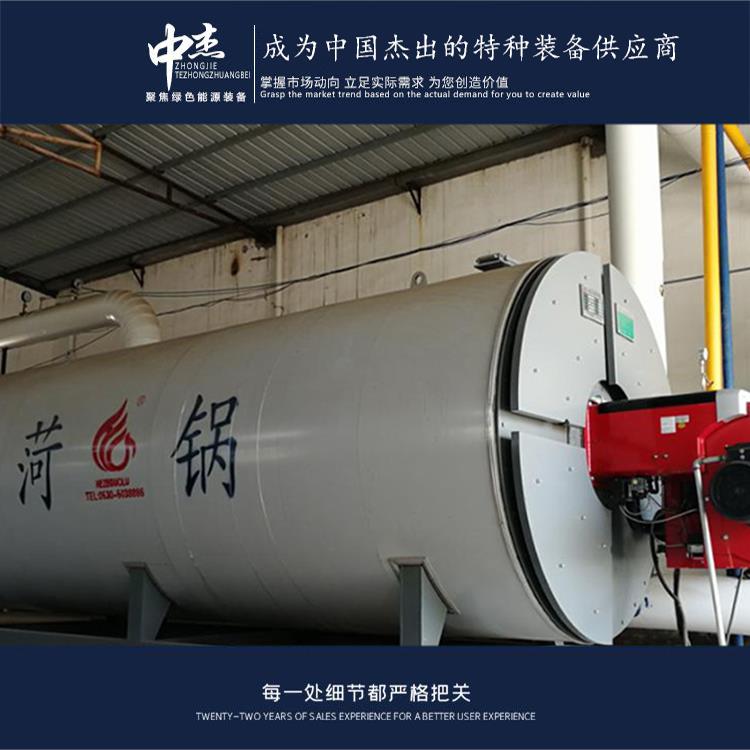
Shandong Zhongjie Special Equipment (formerly Heze Boiler Factory Co., Ltd.) holds an A-grade boiler manufacturing license, an A2-grade pressure vessel manufacturing license, an A2-grade pressure vessel design license, a B-grade boiler installation license, and GB2/Class, GC2/Class pressure pipeline installation licenses, as well as a mechanical and electrical equipment installation contracting qualification. It is a member of the China Boiler and Water Treatment Association, the China Chemical Equipment Association, and the council member of the Shandong Equipment Manufacturing Association. The company has also passed the ISO9001 Quality Management System, ISO14001 Environmental Management System, OHSAS18001 Occupational Health and Safety Management System certifications, and the American ASME/U2 certification.
The necessity of flow control in thermal oil heaters is mainly reflected in the following aspects: Heat transfer efficiency: The heat transfer efficiency of thermal oil heaters is closely related to the flow rate of thermal oil. Appropriate flow rates of thermal oil can ensure sufficient heat transfer in the heat exchanger, improving the efficiency of heat utilization. Insufficient flow rates may lead to inadequate heat exchange and affect the heat transfer effect; excessive flow rates will increase energy consumption and operating costs. Temperature control: Flow control in thermal oil heaters is also closely related to temperature control. By adjusting the flow rate of thermal oil, the temperature inside the furnace can be controlled, ensuring stable operation within the set working temperature range. Insufficient flow rates may cause excessive temperatures, while excessive flow rates may lead to low temperatures, both of which can affect the normal operation of the equipment. System stability: Appropriate flow rates of thermal oil can enhance system stability. Through flow control, the supply and demand of heat energy can be balanced, avoiding overheating or cooling, and maintaining stable system operation. Stable operation helps to extend the service life of the equipment and reduce the frequency of malfunctions and repairs. Safety: Flow control in thermal oil heaters is also closely related to safety. Proper flow control can prevent excessive accumulation of thermal oil in the system, reducing the risk of leaks and explosions. Additionally, flow control ensures that the system pressure remains within a safe range, avoiding overpressure and other safety issues. In summary, flow control in thermal oil heaters is necessary for improving heat transfer efficiency, temperature control, system stability, and safety. Through reasonable flow control, the operation of thermal oil heaters can be optimized, energy utilization efficiency can be increased, operating costs can be reduced, and the safety and stable operation of the equipment can be ensured.
The importance of energy-saving in steam boilers is significant for the following reasons: Energy Costs: Steam boilers typically use fuels (such as coal, gas, oil, etc.) to produce steam, with energy costs accounting for a substantial portion of the boiler's operational expenses. Energy-saving measures can reduce energy consumption and lower costs. Environmental Protection: The combustion process of steam boilers generates exhaust gases and dust, causing environmental pollution. Energy-saving can decrease fuel usage and reduce emissions, positively impacting environmental protection. Sustainable Development: Energy-saving is a crucial aspect of sustainable development. By reducing energy consumption and extending the boiler's lifespan, resources can be conserved and waste minimized, achieving sustainable development. Measures for energy-saving include: Improving Boiler Thermal Efficiency: Enhancing the boiler's combustion system, optimizing combustion parameters, and increasing heat exchange efficiency can raise the boiler's thermal efficiency and reduce energy waste. Heat Recovery Utilization: Using waste heat recovery systems, the excess heat in the flue gas emitted by the boiler can be recovered and utilized for heating water or other processes requiring heat, improving energy utilization efficiency. Application of Energy-Saving Equipment: The use of energy-saving equipment, such as variable frequency drives, energy-saving burners, and heat pumps, can lower energy consumption and enhance energy efficiency.
When selecting a thermal oil heater for the rubber industry, pay attention to the following aspects:
- Temperature Requirements: Determine the required operating temperature range based on the process needs of the rubber industry. Ensure that the thermal oil heater can consistently provide the required operating temperature.
- Heat Load: Calculate the required heat load based on the production scale and process requirements of the rubber industry. Ensure that the thermal oil heater's heat load meets the industry's needs.
- Thermal Efficiency: The thermal efficiency of the thermal oil heater directly impacts energy consumption and operating costs. Consider the thermal efficiency when selecting a heater, opting for energy-saving models.
- Safety: The safety of the thermal oil heater is crucial. Choose a model with comprehensive safety protection devices and an automatic control system to ensure safe and reliable operation.
- Maintenance: Proper maintenance is essential for extending the lifespan and ensuring smooth operation of the thermal oil heater. Consider the ease of maintenance and costs when selecting a heater.
- Manufacturer's Reputation: Choose a thermal oil heater manufacturer with a good reputation and extensive experience to ensure product quality and reliable after-sales service.
- Cost-Effectiveness: Consider the cost, energy consumption, and maintenance costs of the thermal oil heater, choosing a product with good cost-effectiveness.
- Consultation: When purchasing a thermal oil heater, it is recommended to consult with a heating equipment supplier or engineer to select a model based on specific needs and adhere to relevant industry standards and regulations.
Potential operational issues with the fuel system of a thermal oil furnace include:
- Inadequate fuel quality: Using low-quality or contaminated fuel can lead to problems with the fuel system. For instance, the presence of impurities, water, or excessive residue in the fuel can cause clogs in the fuel pump, nozzle, and burner, affecting fuel supply and combustion efficiency.
- Failure to regularly clean or replace the fuel filter: The fuel filter's purpose is to filter out impurities and particles from the fuel to prevent them from entering the fuel system. If the fuel filter is not cleaned or replaced regularly, it can become clogged, impacting fuel flow and supply.
- Improper adjustment of the fuel pump: Proper adjustment of the fuel pump is crucial for maintaining stable fuel supply volume and pressure. Incorrect adjustment can lead to either excessive or insufficient fuel supply, resulting in incomplete combustion or insufficient fuel supply, affecting the furnace temperature and thermal efficiency.
- Clogged or worn fuel nozzles: Fuel nozzles are key components that atomize and spray fuel into the furnace chamber. Clogs or wear on the nozzles can cause uneven or incorrect spray angles, affecting combustion efficiency and thermal output.
- Inadequate fuel preheating: Fuel needs to be preheated before entering the burner to enhance combustion. Insufficient preheating can increase fuel viscosity, impacting fuel flow and injection performance.
- Fuel system oil leaks: The密封 integrity of the fuel system is essential for stable fuel supply. Oil leaks in the fuel system can lead to unstable fuel supply.
Shandong Zhongjie Special Equipment, welcome customers to our factory for business discussions.
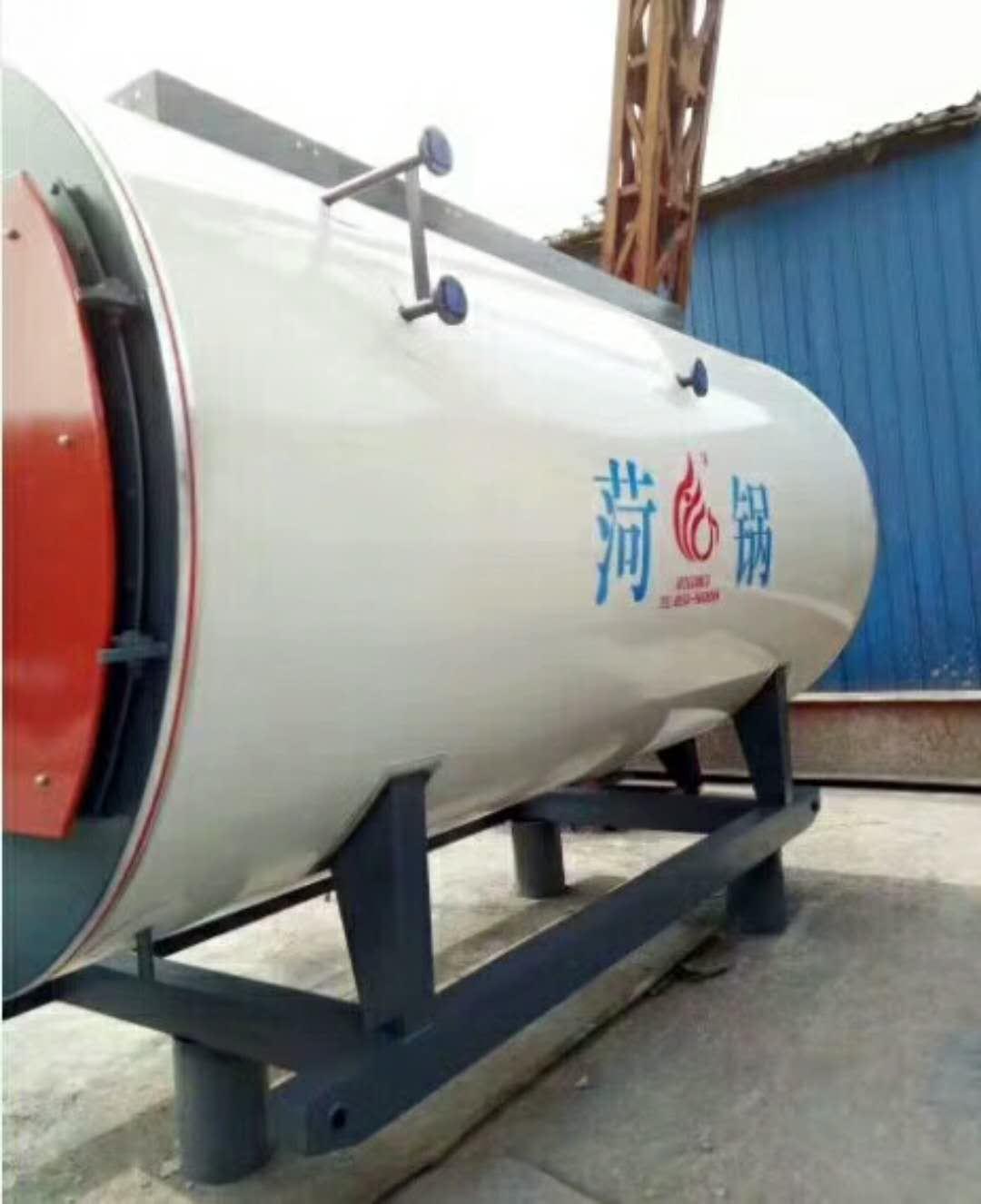
Ganzi 8-ton gas boiler
