


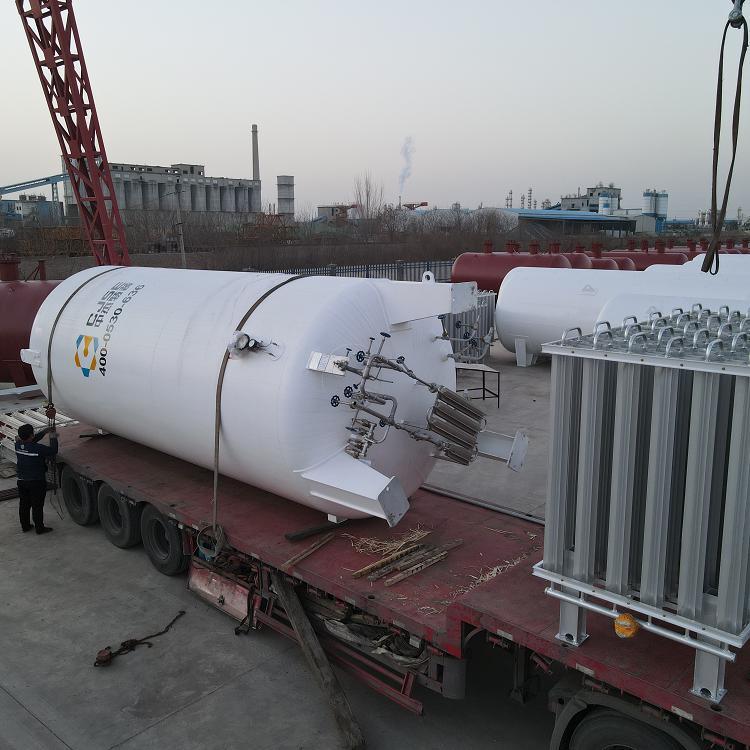
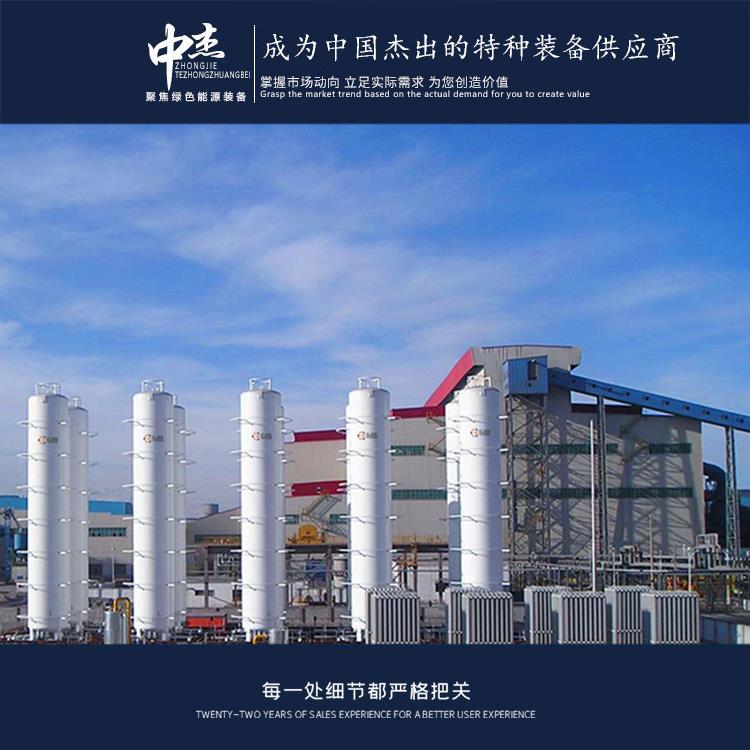
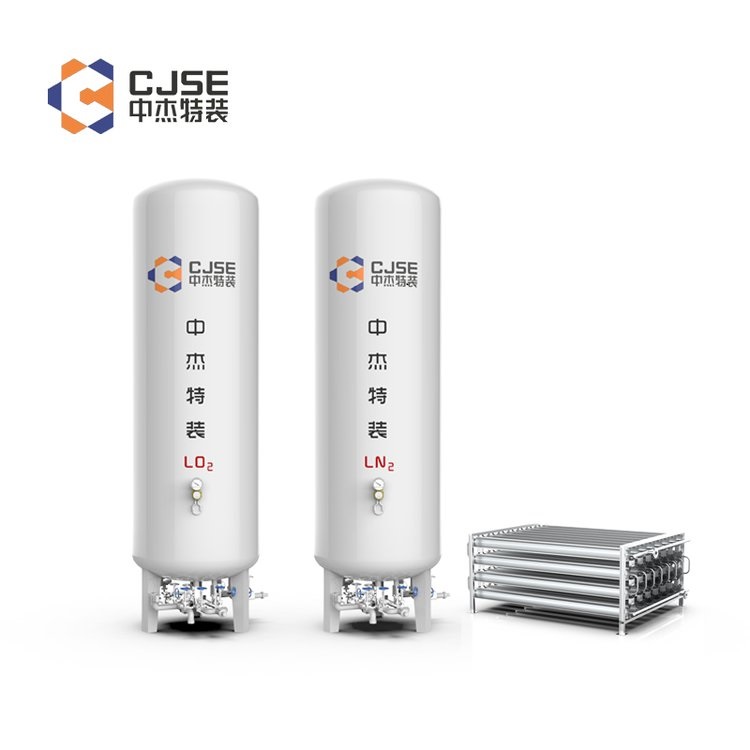
Shandong Zhongjie Special Equipment (formerly Heze Boiler Factory Co., Ltd.) holds an A-grade boiler manufacturing license, an A2-grade pressure vessel manufacturing license, an A2-grade pressure vessel design license, a B-grade boiler installation license, and GB2/GB3-grade pressure pipeline installation licenses, as well as a qualification for electromechanical equipment installation contracting. It is a member of the China Boiler and Water Treatment Association, the China Chemical Equipment Association, and the Council Unit of the Shandong Equipment Manufacturing Association. The company has also passed certifications for the ISO9001 Quality Management System, ISO14001 Environmental Management System, OHSAS18001 Occupational Health and Safety Management System, and the U.S. ASME/U2 certification.
Liquid Oxygen Storage Tanks are specialized equipment that require careful attention to safety and an understanding of their characteristics. Below are the safety precautions and features of using liquid oxygen storage tanks:
**Safety Precautions:**
- **Operation:** The operation of liquid oxygen storage tanks should be performed by trained and experienced personnel. Operators should be familiar with the tank's structure, performance, and operational procedures, and operate strictly according to the manual and safety regulations.
- **Fire Prevention Measures:** Liquid oxygen is highly oxidizing and can easily cause fires and explosions. Open flames and sparks should be prohibited around the storage tank, and precautions should be taken to prevent contact with high-temperature objects. Fire prevention facilities and fire extinguishing equipment should be established and regularly inspected and maintained.
- **Leakage Control:** In the event of a leakage, immediate measures should be taken to control the leakage. Leaks can cause the evaporation of liquid oxygen and an increase in oxygen concentration, increasing the risk of fire and explosion. A leakage alarm system should be established, and leakage control devices and personal protective equipment should be provided.
- **Insulation Protection:** Liquid oxygen storage tanks should have good insulation protection to reduce evaporation and maintain low temperatures. The insulation layer should be regularly inspected and maintained to ensure its integrity and insulating properties.
- **Safety Distance:** A certain safety distance should be maintained around the liquid oxygen storage tank to prevent the spread of fires, explosions, and leaks. The specific requirements for safety distance should be assessed and determined according to local regulations and standards.
**Features:**
- **High Oxidizing Property:** Liquid oxygen has a high oxidizing property, which can support and intensify combustion. Therefore, special attention must be paid to fire and explosion prevention measures when using liquid oxygen storage tanks.
- **High-pressure Storage:** Liquid oxygen storage tanks typically store high-pressure oxygen, with pressures usually around 2-5 bar. Therefore, when operating and maintaining liquid oxygen storage tanks, attention should be given to pressure control and the safety of pressure relief devices.
- **Low-temperature Storage:** The liquid oxygen in the storage tank is at a low temperature, usually around -183°C. Therefore, when contacting the liquid oxygen storage tank, appropriate protective measures should be taken.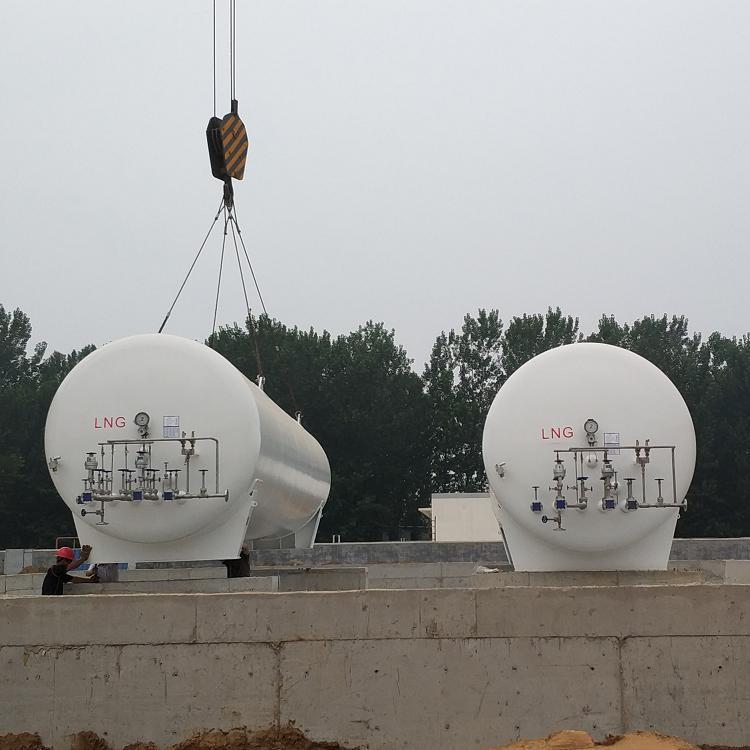
When using a 50-cubic-liter liquid oxygen storage tank, the following safety issues should be noted:
Tank Pressure Control: Ensure the liquid oxygen pressure within the tank is consistently maintained within a safe range. Monitor and control the tank's pressure to avoid risks posed by excessive or low pressure.
Leakage and Fire Prevention: Conduct regular inspections of the tank and associated piping for seal integrity to prevent liquid oxygen leakage. Liquid oxygen is highly flammable and fire prevention measures must be in place to ensure no ignition sources are present around the tank.
Explosion Prevention Measures: Oxygen inside the liquid oxygen tank may cause explosion upon contact with flammable materials. Ensure there are no flammable items around the tank and implement explosion-proof measures, such as explosion-proof electrical equipment and static grounding.
Safety valves and exhaust systems: Tanks should be equipped with safety valves and exhaust systems to prevent overpressure situations. Ensure the proper functioning of the safety valves and the unobstructed flow of the exhaust system.
Maintenance and Inspection: Conduct regular maintenance and inspection of the storage tanks, including cleaning, coating protection, and anti-corrosion treatment, to ensure the structural integrity and safety of the tanks.
Safety Operations and Training: Operators must undergo relevant safety training, familiarize themselves with the safe operation procedures and emergency response measures for liquid oxygen storage tanks. Adhere to correct operational steps to ensure safe operations.
Environmental Monitoring: Regularly monitor environmental parameters such as oxygen concentration and temperature around the storage tanks to ensure safety.
Emergency Preparedness: Develop an emergency response plan, including measures for leaks, fires, and explosions. Equip with appropriate emergency and firefighting equipment to handle unexpected incidents.
Above are some safety issues to be aware of when using a 50-cubic-liter liquid oxygen tank. To ensure safety, it is recommended to follow relevant safety regulations and operation guidelines, and seek assistance and guidance from experts when necessary.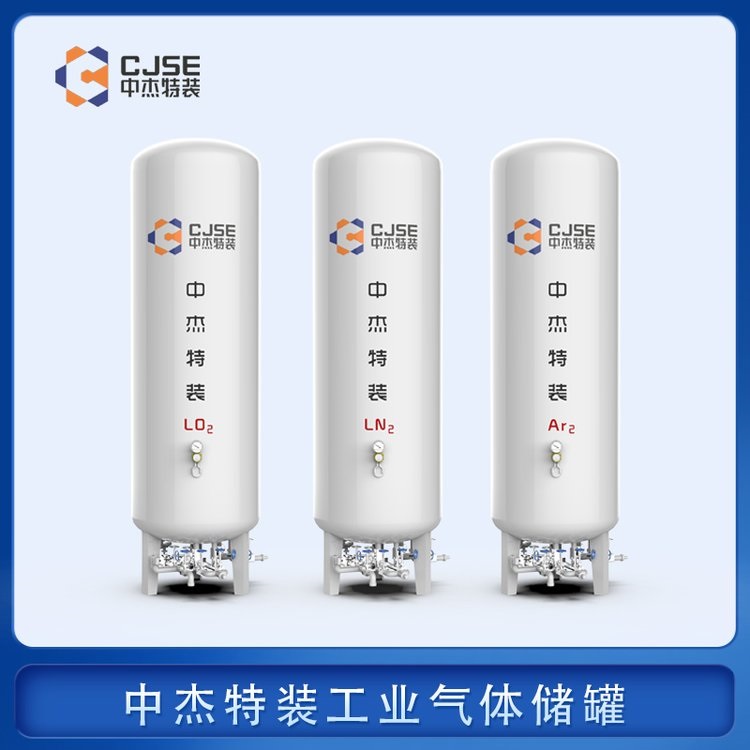
The spacing regulations between liquid oxygen storage tanks are typically governed by relevant safety standards and specifications to ensure safe distances and fire separations between the tanks. Below is a reference to general spacing rules for liquid oxygen storage tanks:
Horizontal spacing between tanks: The horizontal spacing between liquid oxygen tanks is typically required to maintain a certain distance to prevent thermal conduction and mutual influence between tanks. The specific spacing should be determined based on factors such as the tank's capacity, pressure, and arrangement, with a general recommendation to maintain a safe distance to ensure safe operation and maintenance between tanks.
Tank and building or facility spacing: The spacing between liquid oxygen tanks and buildings, other facilities must also meet relevant safety requirements. This is to prevent the tanks from causing danger to surrounding buildings or facilities in the event of a leak or accident. Specific spacing requirements will be determined based on factors such as the tank's capacity, pressure, and surrounding environment, with a general recommendation to maintain a certain safety distance.
Fire separation: It is crucial to maintain adequate fire separation between liquid oxygen tanks and between tanks and buildings. Liquid oxygen has a high oxygen content and is highly flammable, which can lead to fires upon leakage or accidents. Therefore, liquid oxygen tanks should be kept at a certain distance from other facilities to prevent the spread of fire or any danger to the surrounding environment.
It's important to note that specific liquid oxygen tank spacing regulations may vary by region or industry. When designing, arranging, and operating liquid oxygen tanks, adhere to local safety standards and consult with experts for accurate guidance.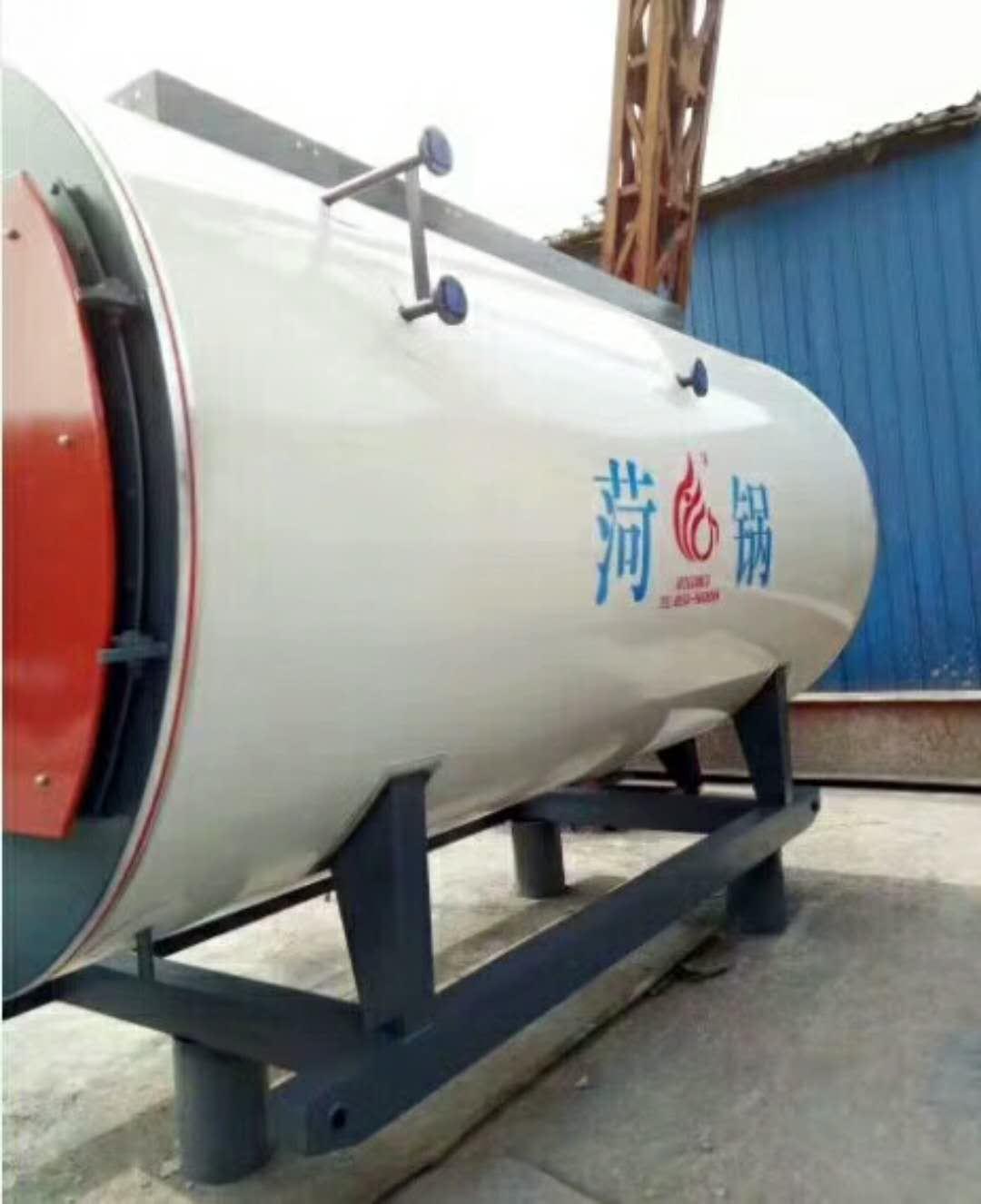
Material control for low-temperature liquid storage tanks is a critical aspect to ensure the safety and reliability of the tanks. Here are some common material control measures:
Material Selection: Choose materials suitable for low-temperature environments, such as low-temperature alloy steel, stainless steel, etc. These materials exhibit excellent low-temperature resistance and crack resistance, maintaining strength and toughness under low-temperature conditions.
Material Quality Control: Ensure the selected materials meet relevant standards and specifications. Conduct chemical composition analysis, mechanical property tests, and impact tests on the materials to ensure their performance meets design requirements.
Welding Material Selection: Choose welding materials suitable for low-temperature environments, such as low-temperature welding rods or welding wires. The welding materials should match the tank material, offering good welding properties and crack resistance.
Welding Process Control: Monitor welding process parameters such as current, voltage, and welding speed to ensure the quality and reliability of weld joints. Methods with low heat input, like pulse welding and laser welding, can reduce the temperature gradient and residual stress in the heat-affected zone.
Corrosion Prevention Measures: Apply corrosion-resistant treatments to the internal and external metal surfaces of storage tanks to extend their service life. Options include corrosion-resistant coatings and paints to protect the metal structure from corrosion damage.
Material Performance Monitoring: Conduct regular performance monitoring of storage tank materials, such as mechanical property tests,
Shandong Zhongjie Special Equipment, welcome customers to our factory for business discussions.
Liaocheng 5 cubic meter liquid argon storage tank, over 20 years of experience for added peace of mind.
