


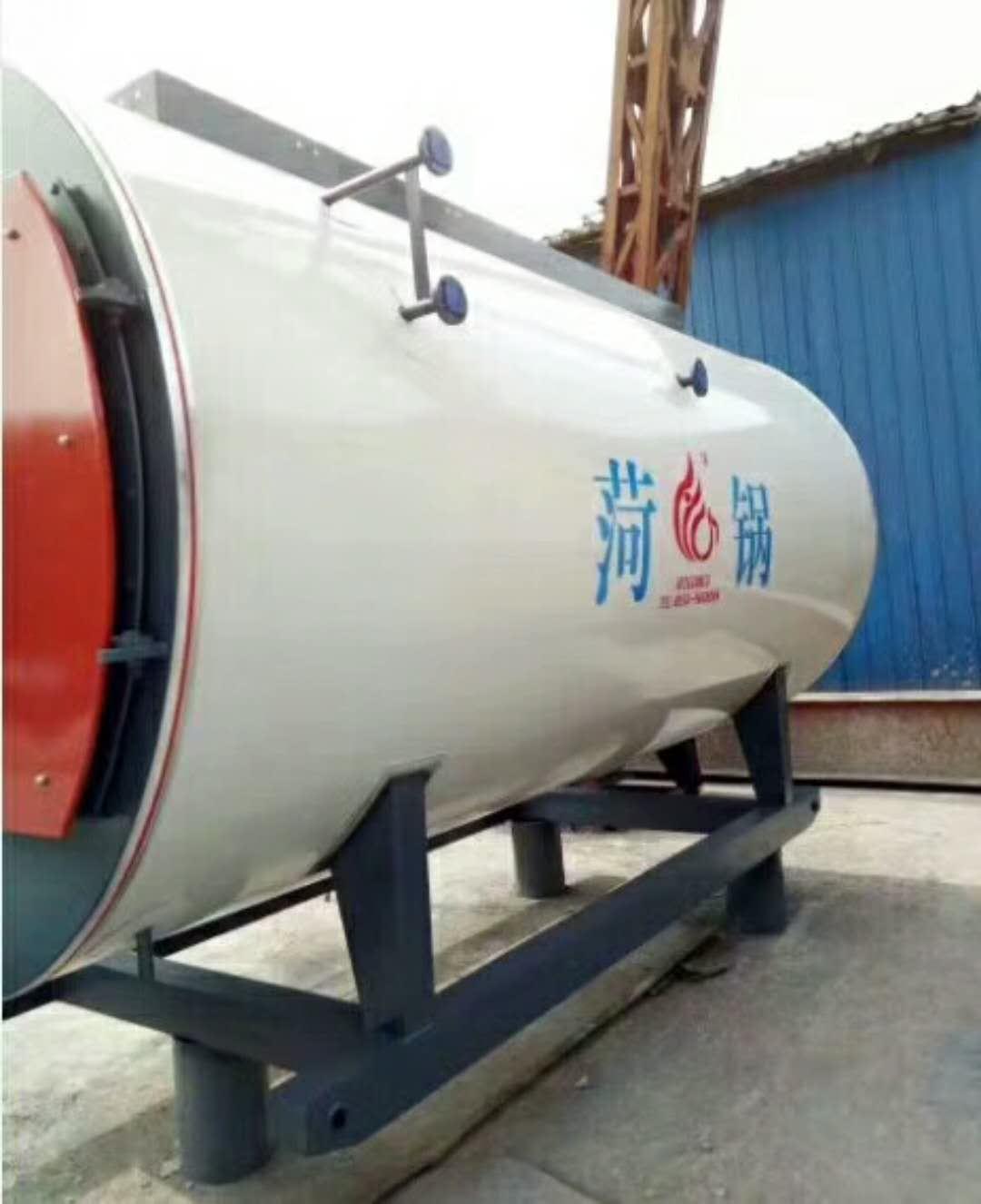
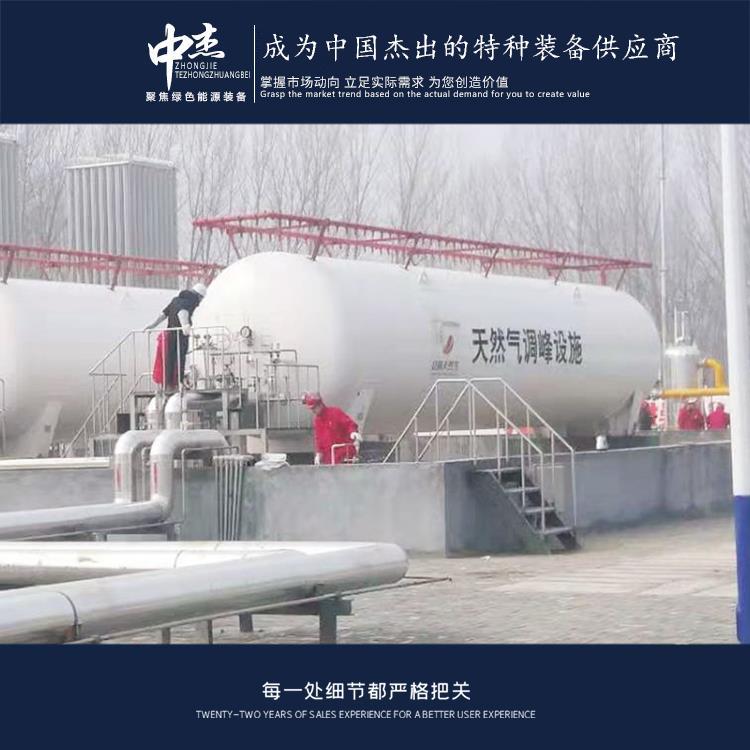
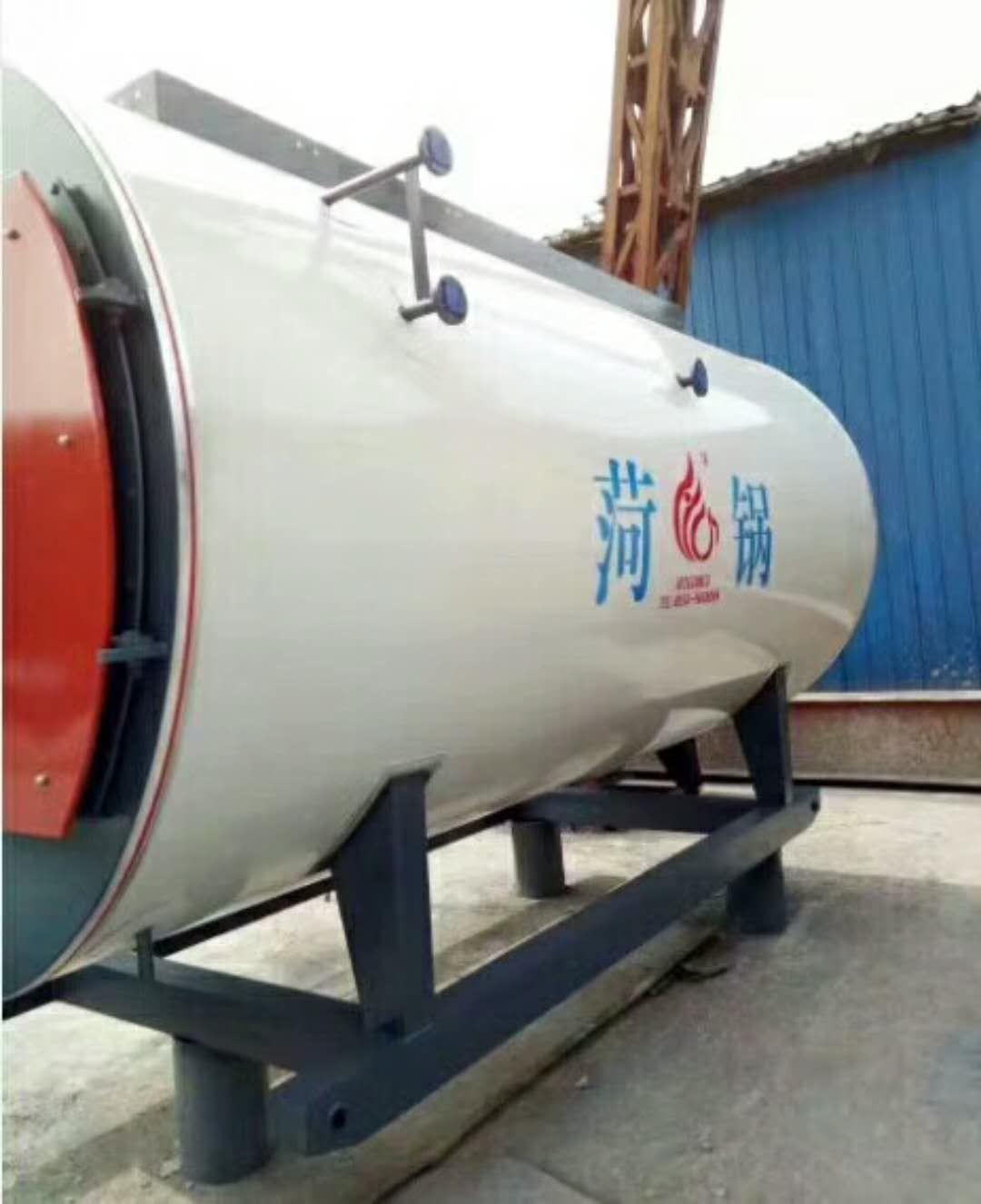
Shandong Zhongjie Special Equipment (formerly Heze Boiler Factory Co., Ltd.) was established in 2001, located at No. 2218 Jinnan Road, Development Zone, Heze City, with a registered capital of 50 million yuan and total assets of 500 million yuan. The company has 7 business centers: boiler, deep-freezing containers, pressure vessels, central air conditioning, engineering installation, international trade, and Internet of Things. It has three manufacturing sites on Jinnan Road, East Changjiang Road, and Bohai Road, covering a total area of 200,000 square meters, with the main workshop spanning 83,000 square meters. Currently, it employs 710 staff, including 247 engineers and technicians, and 82 middle-level technicians. It was recognized as a "High-Tech Enterprise" by the Science and Technology Department in December 2016, named a "Specialized, Fine, and New Enterprise in Shandong Province" by the Ministry of Industry and Information Technology in June 2021, identified as a "Gazelle Enterprise in Shandong Province" in June 2022, and recognized as a "Specialized, Fine, and New Small Giant Enterprise" by the Ministry of Industry and Information Technology in August 2022.
The oxygen filling process for liquid oxygen storage tanks must adhere to specific operational procedures and safety measures. Below are the steps for filling liquid oxygen storage tanks:
Preparation: Ensure the tank and oxygen filling equipment are in good working condition, check the tank's sealing and the proper operation of the safety valve.
Connect equipment: Link the oxygenation equipment to the storage tank, ensuring a secure and sealed connection.
Prepare liquid oxygen: Transfer liquid oxygen from the storage container to the oxygen storage tank of the oxygen-filling equipment. During the transfer, be cautious to prevent any leakage or contact with the liquid oxygen.
Oxygen Filling Operation: Open the valve of the oxygen filling equipment and fill liquid oxygen from the oxygen storage tank into the storage tank. During the filling process, control the filling speed and pressure to avoid excessive pressure and temperature rise in the storage tank.
Monitoring and Control: During the aeration process, the tank's pressure and temperature must be monitored to ensure they remain within safe limits. In case of any abnormalities, aeration should be stopped immediately, and appropriate measures should be taken.
Oxygen Filling Complete: Close the valve of the oxygen filling equipment and stop the filling operation once the tank reaches the required oxygen level or pressure.
Safety Handling: After oxygenation is complete, safety handling is required, including closing relevant valves and emptying any remaining liquid oxygen from the oxygenation equipment.
Note that liquid oxygen is highly oxidizing and flammable; the oxygen-filling process must strictly adhere to relevant safety operation procedures and standards. Operators should receive training and strictly follow the operational procedures and safety measures to ensure the safety and reliability of the oxygen-filling process.
The low-temperature storage tank boasts several advantages:
Storage: Low-temperature storage tanks can store liquid cryogenic substances (such as liquid nitrogen, liquid oxygen, etc.) at low temperatures, maintaining their liquid state. Compared to gas storage, liquid storage significantly increases storage density and saves space.
Long-Term Storage: Low-temperature storage tanks are designed for long-term storage of cryogenic materials, extending their service life. By controlling the temperature within the tank and the performance of the insulation layer, the evaporation and oxidation of the liquid substances can be slowed down, maintaining their stability and purity.
Safety: The low-temperature storage tank boasts excellent safety performance. It is constructed with special materials and design, capable of withstanding low temperatures and high pressures. Additionally, the tank is equipped with safety devices such as pressure relief valves and level alarms to ensure safe operation and use.
Versatile Applications: Low-temperature storage tanks are widely used in various fields. They can be used for storing liquid oxygen and providing oxygen supply; in industrial applications, they are suitable for storing liquefied natural gas (LNG) and liquid nitrogen, among other process gases; in the scientific research field, they can store low-temperature experimental samples.
Environmental Protection & Energy Saving: Low-temperature storage tanks effectively store and utilize low-temperature substances, reducing energy waste and environmental pollution. During the storage and transportation of liquid substances, energy loss is minimal, enhancing energy utilization efficiency.
In summary, low-temperature storage tanks offer advantages such as storage, long-term storage, safety, multi-industry applications, and environmental protection and energy conservation. This makes them a crucial equipment for storing and supplying low-temperature materials, playing a significant role in various fields.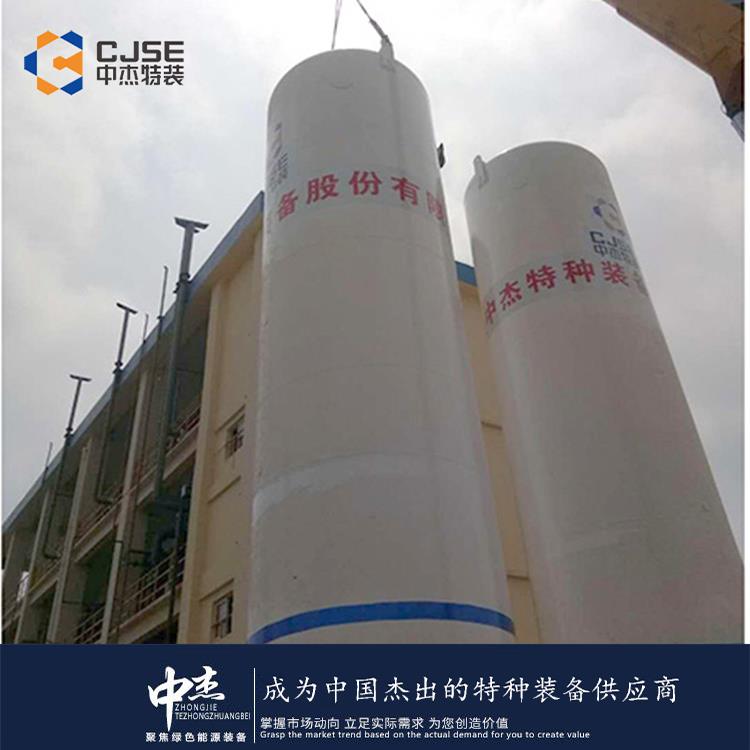
The cooling process and precautions for liquid argon cylinders are as follows:
Cooling Process Analysis:
Clean Vessel: Prior to cooling the liquid argon cylinder, ensure the interior is clean and free of impurities and contaminants. Use an appropriate cleaning agent for washing and rinse thoroughly.
Drainage and Exhaust: Empty the gas inside the drum and expel it through the exhaust system to reduce the gas content within the drum.
Add Liquid Nitrogen: Inject liquid nitrogen into the tank, which can rapidly cool the air and walls inside the tank due to its low temperature, thereby reducing the tank's temperature.
Wait for cooling: Liquid nitrogen will gradually lower the temperature inside the container through heat conduction until it reaches the required low temperature.
Cautionary Notes:
Safety Protection: Necessary safety precautions must be taken during the cooling process of liquid argon tanks. Liquid argon has low temperatures and high flammability, so operators should wear protective suits, gloves, and other personal protective equipment to ensure safe operation.
Fire Prevention Measures: Liquid argon is highly flammable; therefore, during the cooling process of the liquid argon tank, it is essential to ensure there are no ignition sources in the surrounding environment and to have appropriate fire extinguishing equipment on hand.
Temperature Control: During the cooling process of the liquid argon tank, it is necessary to control the tank's temperature to prevent overcooling or insufficient cooling. Temperature sensors and temperature control systems can be used to monitor and control the tank's temperature.
Insulation and Heat Retention: Liquid argon tanks are typically constructed with double or multi-layered structures, filled with insulating material in the middle to reduce heat transfer and evaporation of liquid argon. Ensure the integrity and excellent insulation of the insulation layer.
Determine the design pressure and calculation pressure of a liquid oxygen storage tank requires considering the following factors:
Design Pressure: Design pressure refers to the maximum pressure a tank can withstand under normal operating conditions. When determining the design pressure, factors such as the working pressure range of liquid oxygen, the material strength of the tank, and safety factors must be considered. Generally, the design pressure should be slightly higher than the high working pressure of liquid oxygen to ensure the tank's safety and reliability within the normal operating range.
Calculation Pressure: The calculation pressure refers to the actual working pressure of the tank under the design pressure. The calculation pressure is determined based on factors such as the properties of liquid oxygen, the geometric shape of the tank, and the material strength. The calculation pressure should take into account factors like the expansion coefficient of liquid oxygen, temperature changes, and pressure fluctuations to ensure the safety and stability of the tank under actual operating conditions.
Determining the design and operating pressure of liquid oxygen tanks typically requires referencing relevant standards and specifications, such as Standard GB150 for "Steel Pressure Vessels" and GB18442 for "Technical Conditions for Storage Tanks of Liquid Oxygen, Liquid Nitrogen, and Liquid Argon." These standards and specifications provide detailed design and calculation methods to ensure the safety and reliability of the tanks.
In practical applications, the design pressure and calculated pressure of liquid oxygen storage tanks should be calculated and determined by the pressure vessel designer. They will consider factors such as specific engineering requirements, tank dimensions, and materials, among others, to ensure that the tank's design and use comply with relevant safety standards and regulations.
Shandong Zhongjie Special Equipment, welcome customers to visit our factory for business discussions.
Qionghai Argon Storage Tank - Reliable
