


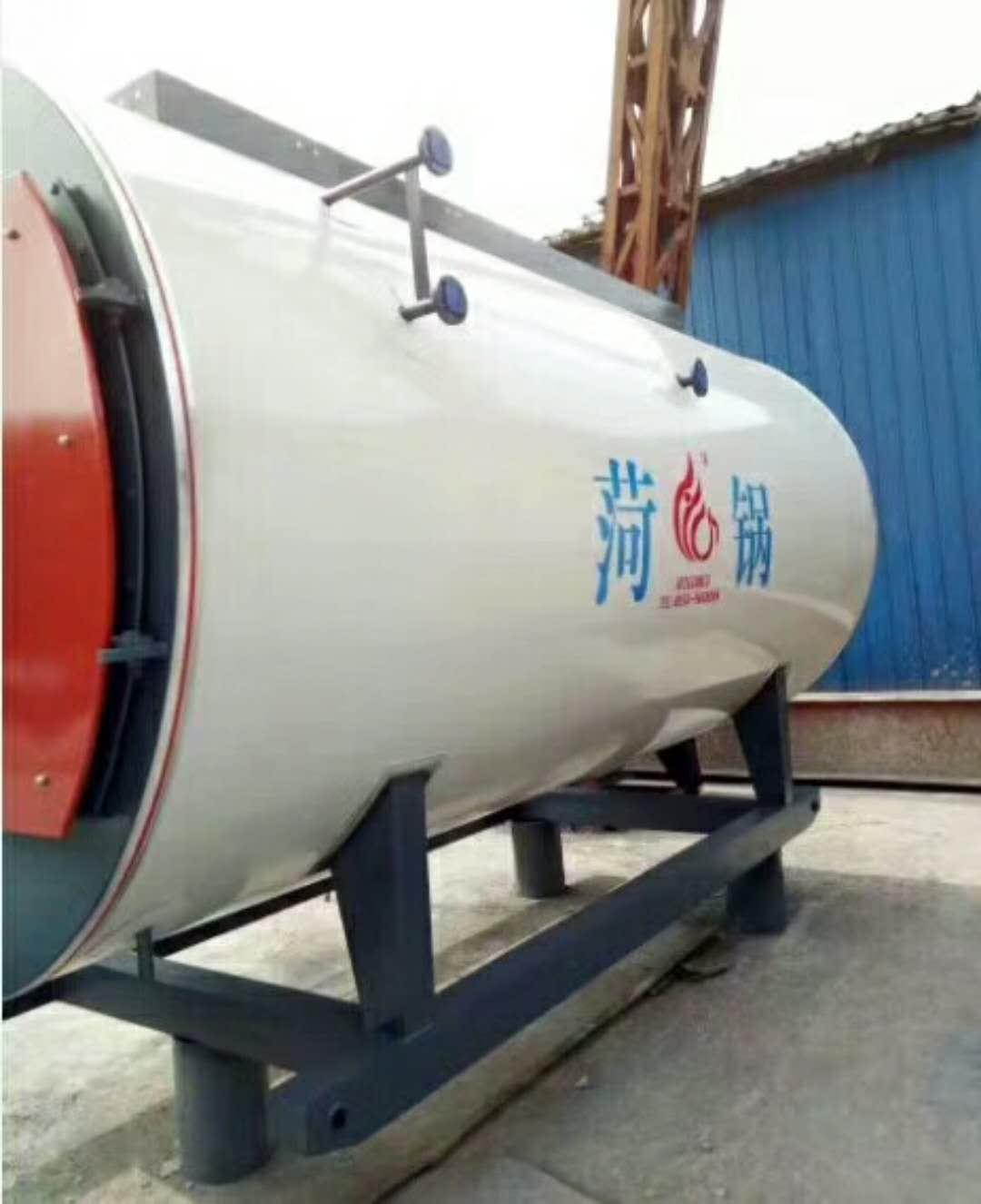

Shandong Zhongjie Special Equipment (formerly Heze Boiler Factory Co., Ltd.) holds an A-grade boiler manufacturing license, an A2-grade pressure vessel manufacturing license, an A2-grade pressure vessel design license, a B-grade boiler installation license, and GB2/Class, GC2/Class pressure pipeline installation licenses, as well as a mechanical and electrical equipment installation contracting qualification. It is a member of the China Boiler and Water Treatment Association, the China Chemical Equipment Association, and the Council Member of the Shandong Equipment Manufacturing Association. The company has also passed the ISO9001 Quality Management System, ISO14001 Environmental Management System, OHSAS18001 Occupational Health and Safety Management System certifications, and the American ASME/U2 certification.
Safe operation and transportation of liquid oxygen storage tanks should be mindful of the following points:
Safe Application Methods:
Tank Selection: Choose liquid oxygen tanks that comply with regulations and standards, ensuring their quality and safety performance.
Tank Installation: Tanks should be installed on a solid foundation to ensure stability. Additionally, good ventilation should be maintained around the tank, and it should be kept away from flammable materials and heat sources.
Sealability Inspection: Regularly check the sealing performance of the storage tank to ensure there are no leakage issues at valve and pipeline connections.
Pressure Control: Tanks should be equipped with pressure gauges and safety valves, with regular inspections and maintenance to ensure pressure remains within safe limits.
Fire Prevention Measures: Liquid oxygen has a high oxygen content and is highly flammable. Install firewalls around the storage tanks, prohibit smoking and open flames, and ensure safety.
Static Protection: During the transportation and use of liquid oxygen, static electricity may cause sparks, increasing the risk of fire. Measures such as using static-conductive materials and anti-static equipment should be taken to reduce the accumulation and release of static electricity.
Shipping Precautions:
Transportation Vehicle Selection: Choose transportation vehicles that meet the requirements for liquid oxygen transport, ensuring their safety and密封ness.
Loading and Unloading: During the transportation of liquid oxygen, the following loading and unloading procedures should be adopted: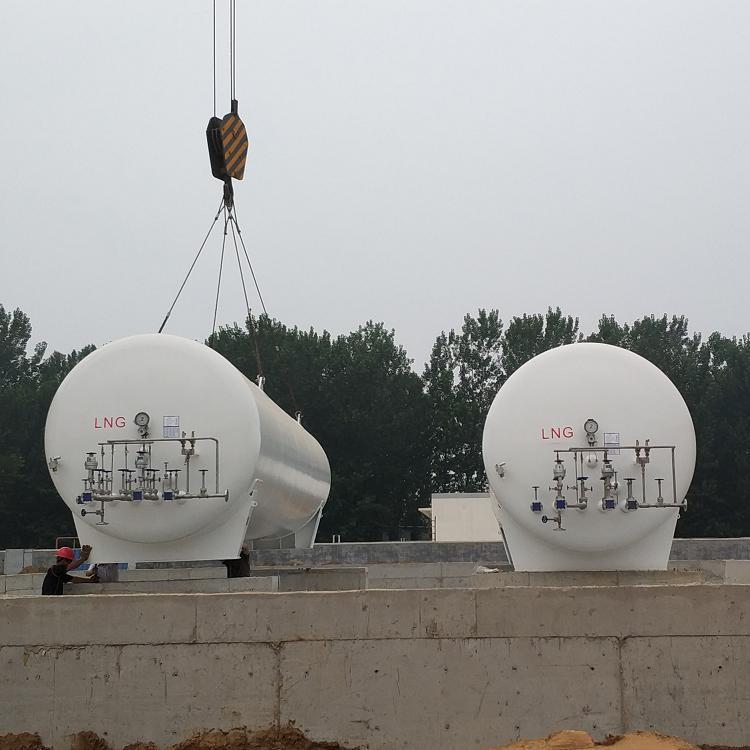
To maintain the stability of liquid argon tanks, the following details should be noted:
Basic Design: The foundation design of the tank must comply with relevant standards and regulations to ensure stability and load-bearing capacity. The foundation should possess sufficient strength and seismic resistance to withstand external forces and natural disasters such as earthquakes.
Foundation Construction: During the foundation construction process, ensure the foundation is level and even, avoiding any tilting or uneven settlement. Additionally, the concrete pouring for the foundation must comply with construction specifications to guarantee the quality and strength of the concrete.
Installation Process: During the installation of the tank, appropriate lifting equipment and safety measures must be used to ensure the vertical installation and stability of the tank. Avoid severe vibrations and collisions during installation to prevent damage or deformation to the tank.
Support Structure: The support structure of the tank should be designed reasonably to ensure the stability and load-bearing capacity of the tank. It should be made of sturdy materials and use appropriate connection methods to withstand external forces and the pressure from the liquid inside the tank.
Safety Equipment: Tanks should be equipped with safety devices, such as pressure relief valves and level alarms, to ensure timely measures can be taken in abnormal situations, ensuring the safety of the tank.
Regular inspections and maintenance: Conduct regular checks and maintenance on liquid argon tanks, including visual inspections, pressure tests, leak detection, and as required, non-destructive testing and material analysis. Promptly identify and address any issues with the tanks to ensure their stability and safety.
It's important to note that the installation of liquid argon tanks should be performed by experienced personnel and in accordance with relevant safety operation procedures and standards. During the installation process, operations should be strictly conducted according to the manufacturer's provided installation guidelines and requirements to ensure the tank's stability and safety.
Tanks are specialized storage equipment, and regular inspections and maintenance are necessary to ensure their safe operation. The following are common inspection methods for tanks:
Appearance Inspection: Regularly inspect the exterior of the tank for any leaks, corrosion, deformation, cracks, and similar issues. Pay particular attention to the integrity of the tank's joints, welds, and valves.
Pressure Testing: Conduct pressure tests to assess the tank's sealing and pressure resistance performance. Use a pressure gauge or pressure sensor to test the tank's pressure, ensuring it can withstand the designed pressure.
Ultrasonic Testing: Ultrasonic testing can be used to detect corrosion and cracks in storage tank walls. By scanning the tank with an ultrasonic detection instrument, potential defects and issues are identified.
Magnetic Particle Inspection: Magnetic particle inspection is used to detect cracks in tank walls and the quality of welds. By applying magnetic particles to the tank surface and then using a magnetic particle inspection device to observe for particle accumulation, it can be determined if there are any cracks or weld issues.
Environmental Monitoring: Regularly monitor the environment around storage tanks, including gas concentration and temperature parameters, to ensure the safety of the surrounding environment.
Note that tank inspections should be conducted by a certified inspection agency or qualified inspectors. The frequency and methods of inspection should be determined based on the tank's usage, size, and relevant regulatory requirements. Regular inspections and maintenance can help identify potential issues early on, ensuring the safe operation of the tank.
The installation of the safety valve on liquid oxygen storage tanks is a crucial component to ensure that the tank can release pressure in time during overpressure situations, protecting the tank and related equipment. Below are the steps for installing the safety valve on a liquid oxygen storage tank:
Determine the rated pressure of the safety valve: Select an appropriate safety valve based on the design pressure and flow requirements of the liquid oxygen storage tank. Ensure the rated pressure of the safety valve meets the tank's specifications and complies with relevant safety standards and regulations.
Valve Installation Location: Select an appropriate location for installing the safety valve. Typically, the safety valve should be mounted on the top or side of the liquid oxygen tank to ensure timely pressure release in case of overpressure conditions.
Preparation for Installation Interface: Prepare the corresponding interfaces based on the connection method of the safety valve. This may include welding interfaces, threaded interfaces, or flange interfaces, etc. Ensure the tightness and firmness of the connections.
Install the safety valve: Mount the safety valve onto the prepared interface. Follow the installation instructions for the safety valve to ensure it is properly connected and securely fastened.
Adjustment and Testing: After installation, adjust and test according to the requirements of the safety valve. Ensure the opening and closing pressures of the safety valve meet the design specifications, and conduct a leak test to ensure its sealing.
Connect discharge piping: The discharge piping of the safety valve should be properly connected to the outlet of the safety valve. The discharge piping should have sufficient diameter and flow capacity to ensure effective discharge of overpressure gas when the safety valve is opened.
Identification and Record: Label safety valves and discharge pipes with relevant information such as rated pressure, flow rate, and installation date. Additionally, record the installation details and test results of the safety valves for future reference and maintenance.
When installing safety valves on liquid oxygen storage tanks, it is imperative to follow relevant safety regulations and operating guidelines. If lacking relevant experience and knowledge, it is advisable to seek assistance and guidance from experts to ensure the correct installation and reliable operation of the safety valves.
Our company attaches great importance to technological innovation and R&D design. We have one municipal-level enterprise technology center in Heze City, equipped with non-destructive testing, physical and chemical testing, welding testing, hydrostatic testing, and other testing facilities. We have over 600 various instruments and equipment, including CNC machine tools, X-ray flaw detectors, digital ultrasonic flaw detectors, mechanical property testing machines, chemical analyzers, spectrometers, tensile testing machines, plasma welding machines, etc. The key products and technologies we have developed, such as temperature and pressure vessel welding, biomass boiler emission reduction, and waste heat utilization, have successively entered multiple Shandong Provincial Department of Industry and Information Technology science and technology innovation projects, Shandong key projects, and Heze City innovative and excellent projects. We have accumulated a total of 27 authorized utility models, 16 authorized inventions, participated in drafting 2 standards, 2 industry standards, and registered 15 trademarks. The technical team of our company, in collaboration with Professor Yajiang Li of Shandong University, has developed deep cryogenic container processing technology using the international plasma arc + wire filling argon arc welding (PAW-GTAW) technology. After the provincial-level scientific and technological achievement appraisal, the technical level has reached the international standard in the field of deep cryogenic container manufacturing. Choose Zhongjie Special Equipment, and let's create brilliance together!
Jiaozuo 5 cubic meter liquid argon tank, over 20 years of experience for added peace of mind
