


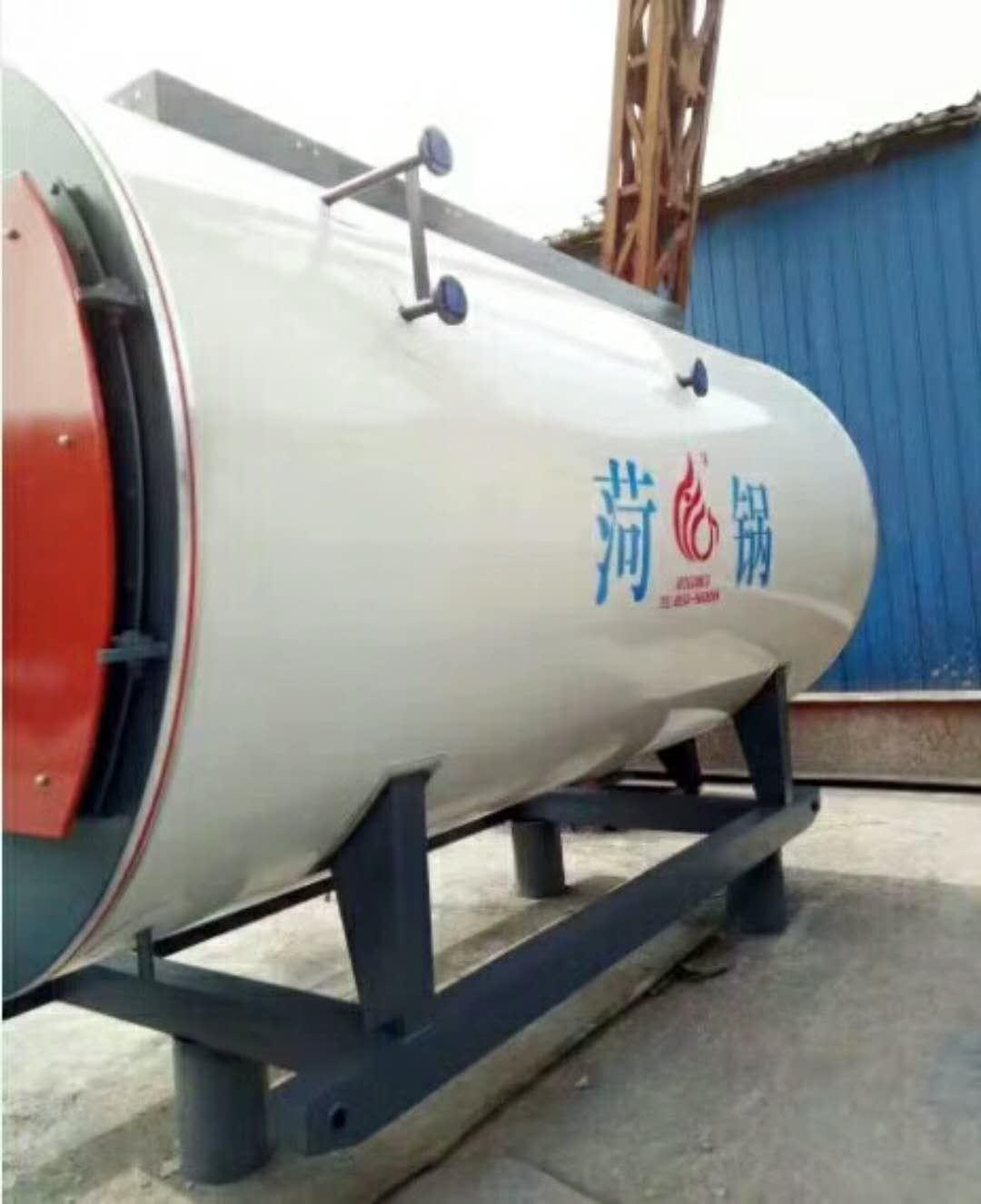
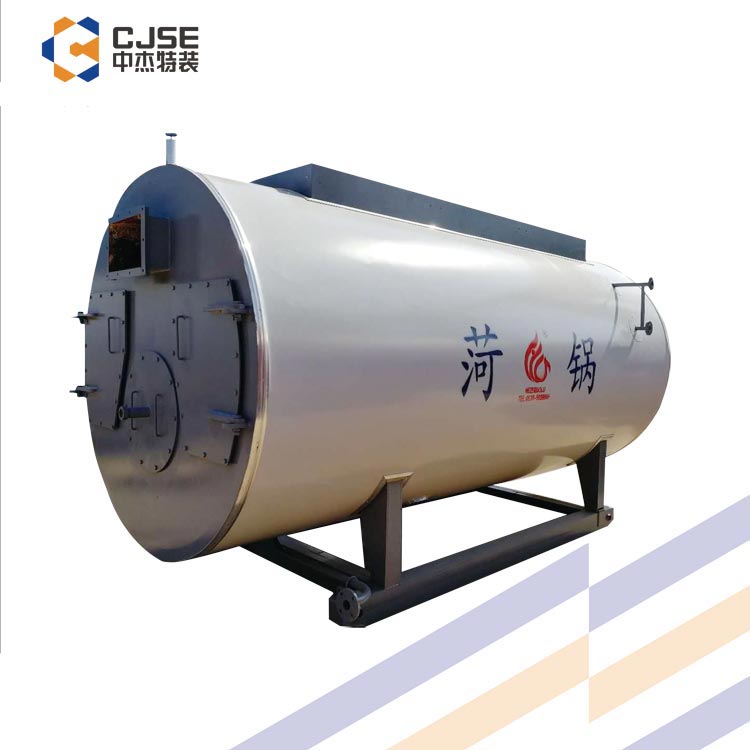
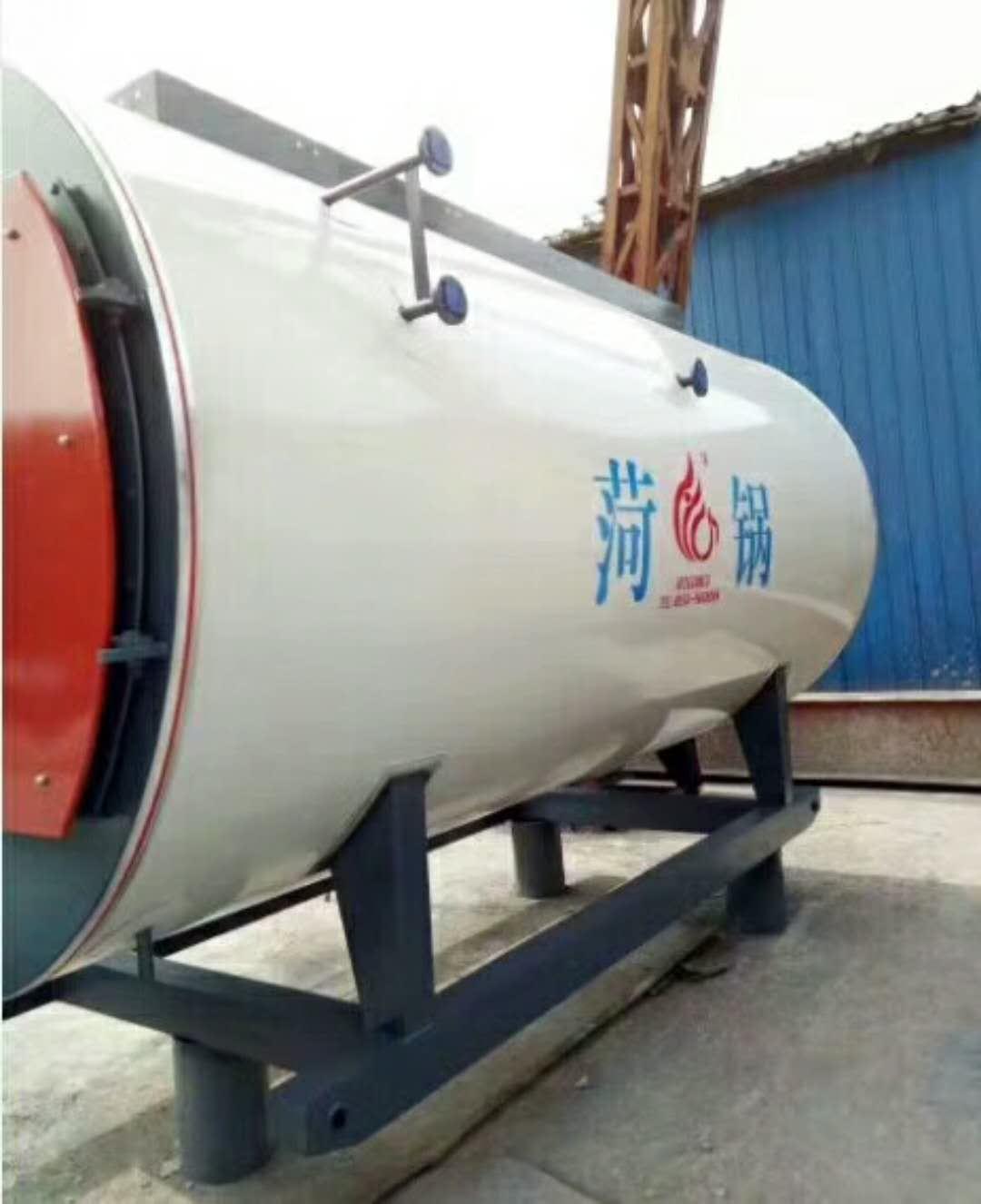
Shandong Zhongjie Special Equipment Co., Ltd. specializes in: fuel (gas) boilers, organic heat carrier boilers, biomass boilers, waste heat recovery boilers, and other boiler products; vacuum insulation deep-chilled pressure vessels such as LNG storage tanks, oxygen/nitrogen/argon storage tanks, and CO2 storage tanks; pressure vessel products including denitrification engineering equipment, heat storage and energy storage equipment, and complete chemical equipment; central air conditioning and HVAC equipment such as ground (water) source heat pumps, air source units, water-cooled screw chillers, and air-cooled modular units. Planned products include large-scale energy centers, LNG transport vehicles, and LNG tank containers, among other green energy equipment.
Energy-saving of steam boilers is crucial, mainly due to the following reasons: Energy Costs: Steam boilers typically use fuels (such as coal, gas, oil, etc.) to produce steam, and energy costs account for a significant portion of the boiler's operating expenses. Energy-saving can reduce energy consumption and lower costs. Environmental Protection: The combustion process of steam boilers generates exhaust gases and dust, causing environmental pollution. Energy-saving can decrease fuel usage and reduce emissions, positively impacting environmental protection. Sustainable Development: Energy-saving is one of the key aspects of sustainable development. By reducing energy consumption and extending the boiler's lifespan, resources can be conserved and wasted, achieving sustainable development. Measures for energy-saving include: Improving Boiler Thermal Efficiency: Enhance the boiler's combustion system, optimize combustion parameters, and increase heat exchange efficiency to raise the boiler's thermal efficiency and reduce energy waste. Heat Recovery Utilization: Utilize waste heat recovery systems to capture and reuse the excess heat from the boiler's exhaust gases for heating water or other heat-intensive processes, improving energy utilization efficiency. Application of Energy-saving Equipment: Implement energy-saving equipment like variable frequency drives, energy-saving burners, and heat pumps to lower energy consumption and enhance efficiency.
Chemical cleaning of industrial boilers is a common cleaning method that effectively removes dirt and deposits inside the boiler, enhancing heat exchange efficiency and extending the boiler's lifespan. Below are the general steps and methods for industrial boiler chemical cleaning:
Preparation: Turn off the boiler's power and gas supply, drain the water and steam inside the boiler, and ensure the boiler is in a safe condition. Prepare the required chemical cleaning agents and equipment.
Cleaning Agent Selection: Choose a suitable chemical cleaning agent based on the boiler's material and the nature of the dirt. Common cleaning agents include acidic cleaners, alkaline cleaners, and chelating agents.
Cleaning Agent Circulation: Dissolve the cleaning agent in an appropriate amount of water and circulate it into the boiler through a pump. Determine the circulation time and temperature of the cleaning agent based on the boiler's size and the extent of dirt.
Cleaning Agent Action: During circulation, the cleaning agent reacts chemically with dirt inside the boiler, dissolving and decomposing it. Acidic cleaners can remove rust and scale, while alkaline cleaners can remove grease and organic matter.
Rinsing and Neutralizing: After the cleaning agent circulation is complete, rinse the boiler with clean water to flush out the cleaning agent and dissolved dirt. Simultaneously, use a neutralizing agent to neutralize any remaining acidic or alkaline substances, ensuring the boiler's neutrality.
Inspection and Maintenance: After cleaning, inspect the boiler to ensure the cleaning effectiveness and normal operation. Perform necessary maintenance and upkeep as required.
Points to note when conducting industrial boiler chemical cleaning:
- Adhere strictly to the instructions and safety operating procedures for chemical cleaning agents to ensure operator safety.
- Choose the appropriate cleaning agent and method based on the boiler's material and the cleaning agent's properties.
- Control the concentration, temperature, and circulation time of the cleaning agent to avoid unnecessary damage to the boiler.
- Monitor the concentration and pH of the cleaning agent in a timely manner during the cleaning process and adjust the cleaning conditions.
- Flush the boiler after cleaning to ensure all cleaning agents and dirt are completely removed.
- Perform maintenance and upkeep on the boiler promptly after cleaning to ensure normal operation and long-term use.
Key benefits of installing expansion grooves in thermal oil furnaces include:
- Alleviating thermal expansion and contraction: During operation, temperature changes in thermal oil furnaces can cause thermal expansion and contraction of the oil. The expansion grooves provide space for the oil to expand, mitigating the impact of thermal expansion and contraction on equipment and pipes, and preventing stress concentration and equipment deformation due to thermal expansion and contraction.
- Protecting equipment and pipes: The expansion grooves can absorb the expansion and contraction of the thermal oil, reducing impacts and vibrations on equipment and pipes. This helps extend the service life of equipment and pipes, reducing the frequency of maintenance and replacement.
- Reducing leakage risk: The expansion grooves provide an enclosed space, minimizing the risk of thermal oil leakage. When the oil expands, excess oil can be accommodated through the expansion grooves, preventing leaks and environmental pollution.
- Facilitating maintenance and repair: The presence of expansion grooves makes maintenance and repair of the thermal oil furnace system more convenient. When equipment or pipes need to be repaired or replaced, the flow and shutdown of the thermal oil can be controlled through the expansion grooves, reducing downtime and maintenance complexity.
-In summary, the expansion grooves in thermal oil furnace systems play a role in alleviating thermal expansion and contraction, protecting equipment and pipes, reducing leakage risk, and facilitating maintenance and repair. They are an important design element that contributes to the safety and reliability of the thermal oil furnace system.
Switching from a conventional boiler to a gas boiler can significantly enhance energy utilization efficiency and energy-saving effects. Here are some insights into the energy-saving efficiency of switching to a gas boiler: High combustion efficiency: Gas boilers use gas as fuel and generally have higher combustion efficiency. Compared to traditional coal-fired or oil-fired boilers, gas boilers can achieve a higher level of combustion efficiency, reducing energy waste. Low emissions: The exhaust emissions produced during the combustion process of gas boilers are relatively low, causing less environmental pollution. The combustion technology and emission control devices commonly used in gas boilers can effectively reduce the emissions of harmful substances such as nitrogen oxides. Fast start and stop: Gas boilers can start and stop quickly, allowing for flexible adjustments based on actual needs. Compared to coal-fired boilers, the start and stop time of gas boilers is shorter, avoiding prolonged preheating and cooling processes, and reducing energy waste. High thermal efficiency: Gas boilers typically have higher thermal efficiency, achieving a higher level of heat energy conversion efficiency. The heat exchange technology and energy-saving design used in gas boilers maximize the utilization of the heat energy from gas, improving heating performance. Intelligent control and management: Gas boilers are usually equipped with intelligent control systems that can automatically adjust operating states based on actual needs. Through control and regulation, gas boilers can achieve stable heating, avoiding unnecessary energy waste. It is important to note that when switching to a gas boiler, factors such as the reliability and safety of the gas supply, as well as the suitability and installation requirements of the gas boiler, should be considered. It is recommended to consult engineers or relevant institutions before making any modifications.
ZJ Special Equipment adheres to the grand vision of "realizing employees' dreams, creating customer value, and striving for the prosperity and strength of our motherland," and is dedicated to the development of the green energy equipment industry. We commit to society with high-quality, cost-effective products and services!
Pingliang 2-ton gas boiler
