


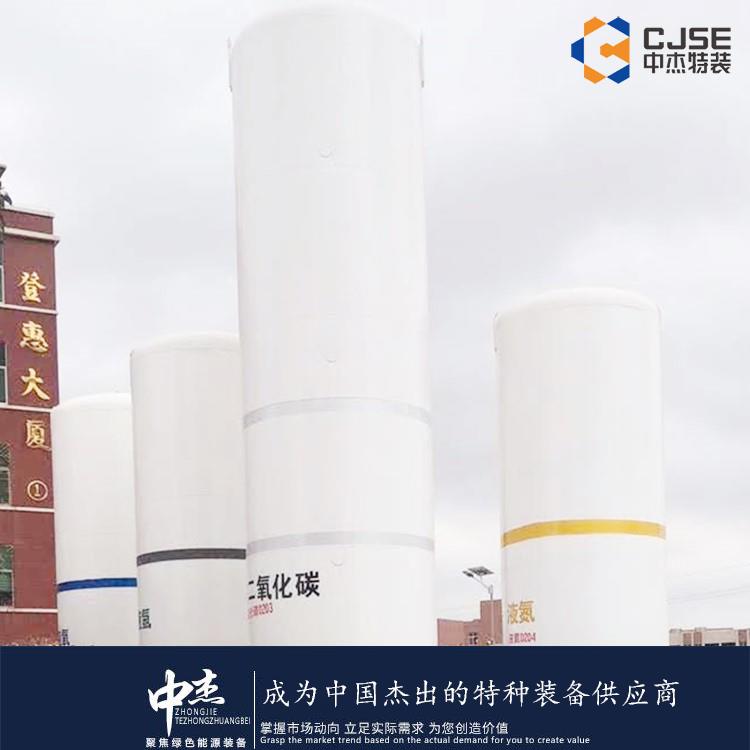
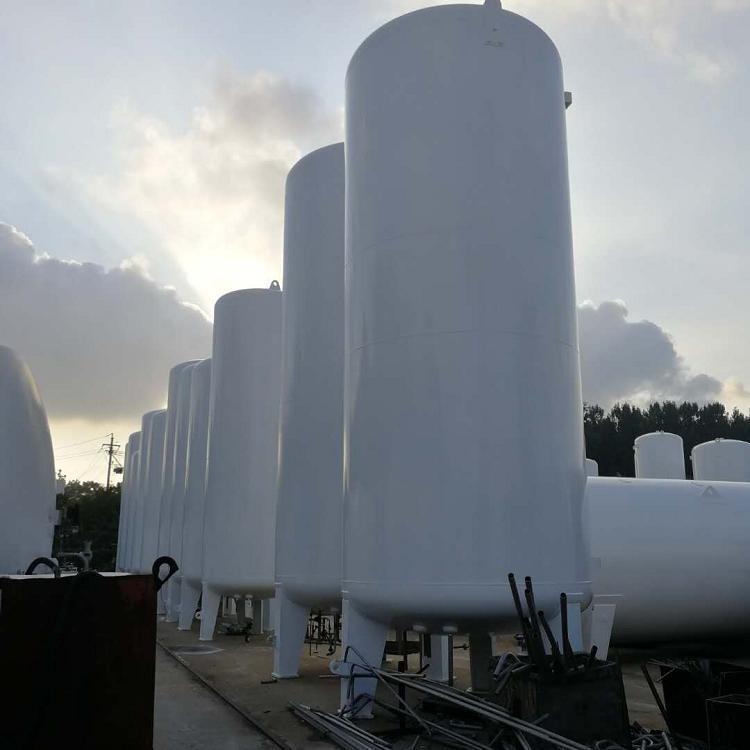
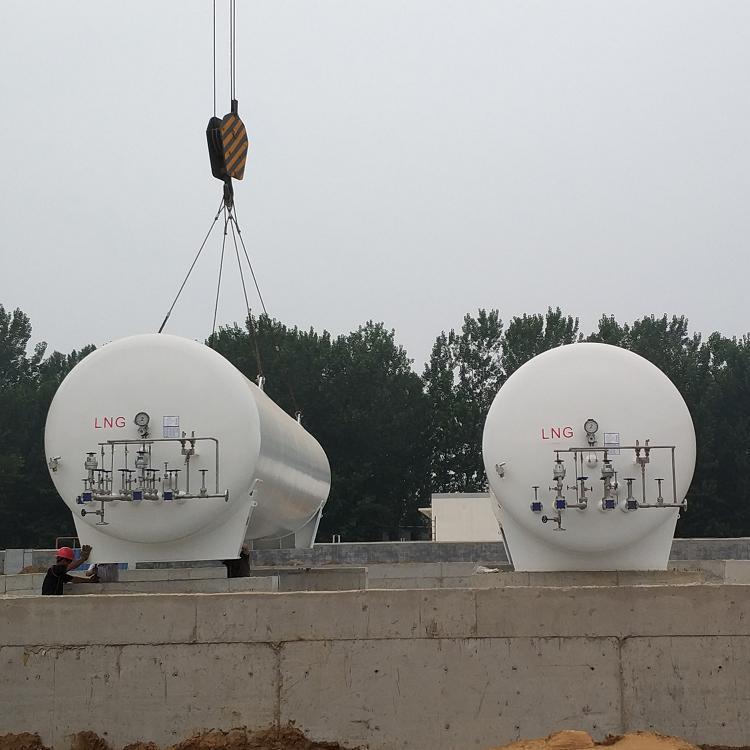
Shandong Zhongjie Special Equipment (formerly Heze Boiler Factory Co., Ltd.) holds an A-grade boiler manufacturing license, an A2-grade pressure vessel manufacturing license, an A2-grade pressure vessel design license, a B-grade boiler installation license, and GB2/Class, GC2/Class pressure pipeline installation licenses, as well as a mechanical and electrical equipment installation contracting qualification. It is a member of the China Boiler and Water Treatment Association, the China Chemical Equipment Association, and the director unit of the Shandong Equipment Manufacturing Association. The company has also passed the ISO9001 Quality Management System, ISO14001 Environmental Management System, OHSAS18001 Occupational Health and Safety Management System certifications, and the American ASME/U2 certification.
To extend the service life of low-temperature liquid storage tanks, the following measures can be taken:
Regular Inspections and Maintenance: Conduct regular visual inspections of the tank, including the shell, welds, valves, and connections, etc. Check for any abnormalities such as cracks, corrosion, or deformation, and promptly repair or replace any damaged parts.
Maintain the insulation layer: Insulation is crucial for the thermal preservation of low-temperature liquid storage tanks. Regularly inspect the integrity and insulating properties of the insulation, repair or replace any damaged insulation materials, to ensure the tank's insulating effectiveness.
Control temperature and pressure: The temperature and pressure of the low-temperature liquid storage tank should be maintained within a safe range. Avoid excessive or low temperatures and pressures that may damage the tank. Implement appropriate cooling or heating measures to ensure stable temperature and pressure of the liquid.
Corrosion Protection: The exterior shell and internal structure of the storage tank should be protected against corrosion and oxidation. Regularly inspect and maintain the protective coating to ensure it remains intact.
Avoid excessive pressure and overfilling: Prevent the internal pressure of the tank from being too high or too low, as well as overfilling with liquid. Excessive pressure and overfilling can lead to structural破裂 or damage to the tank.
Regular cleaning and waste removal: Periodically clean the interior of the tank to remove accumulated impurities and dirt. Regularly remove waste to prevent damage to the tank from impurities and sediments in the liquid.
Safety Operation and Training: Ensure operators are knowledgeable and skilled in the safe handling of cryogenic liquid storage tanks. Enhance safety training to boost operators' awareness and emergency response capabilities.
Manage records and documents: Establish comprehensive management records and documentation, including the usage status of storage tanks.
When using a 50-cubic-liter liquid oxygen storage tank, the following safety issues should be noted:
Tank Pressure Control: Ensure the liquid oxygen pressure within the tank remains within a safe range. Monitor and control the tank's pressure to avoid risks posed by excessive or low pressure.
Leakage and Fire Prevention: Regularly inspect the tank and associated pipelines for seal integrity to prevent liquid oxygen leakage. Liquid oxygen is highly flammable, so fire prevention measures must be taken to ensure no ignition sources are present around the tank.
Explosion-proof measures: Oxygen in the liquid oxygen storage tank can cause explosions upon contact with flammable substances. Ensure there are no flammable materials around the tank and implement explosion-proof measures, such as explosion-proof electrical equipment and static grounding.
Safety valves and venting systems: Storage tanks should be equipped with safety valves and venting systems to prevent overpressure situations. Ensure the proper functioning of the safety valves and the unobstructed flow of the venting systems.
Routine Maintenance and Inspection: Regularly perform maintenance and inspections on the storage tanks, including cleaning, coating protection, and anti-corrosion treatment. Ensure the structural integrity and safety of the tanks.
Safety Operation and Training: Operators must undergo relevant safety training, familiarize themselves with the safe operating procedures for liquid oxygen tanks and emergency response measures. Adhere to correct operational steps to ensure safe operation.
Environmental Monitoring: Regularly monitor the oxygen concentration and temperature, as well as other environmental parameters around the storage tanks, to ensure safety.
Emergency Preparedness: Develop an emergency response plan, including measures for leaks, fires, and explosions. Equip with appropriate emergency equipment and firefighting supplies to handle unforeseen incidents.
Above are some safety issues to be aware of when using a 50-cubic-liter liquid oxygen storage tank. To ensure safety, it is recommended to follow relevant safety standards and operational guidelines, and seek assistance and guidance from experts when necessary.
Liquid oxygen low-temperature storage tanks are primarily used for storing and supplying liquid oxygen. Their application methods can vary based on specific requirements and scenarios. Below are some common application methods of liquid oxygen low-temperature storage tanks:
Application: Liquid oxygen low-temperature storage tanks are widely used in the field for cryogenic preservation of biological samples, cells, tissues, and vaccines. Institutions such as biopharmaceutical research organizations and biobanks utilize liquid oxygen low-temperature storage tanks to store and protect these biological materials.
Experimental Research: Liquid Oxygen Low-Temperature Storage Tanks are used in scientific research and laboratories to provide low-temperature environments for cryogenic preservation and experiments. These tanks play a crucial role in experimental research across various fields, including physics, chemistry, biology, and materials science.
Industrial Application: Liquid Oxygen Low-Temperature Storage Tanks are used in the industrial field for low-temperature cooling, serving processes such as metal processing, welding, and heat treatment. These tanks provide low temperatures, enabling metals to achieve the required hardness and toughness during processing.
The food industry utilizes liquid oxygen low-temperature storage tanks for freezing and refrigerating foods such as frozen meats, fruits, and seafood. The low temperature of liquid oxygen rapidly freezes the food, preserving its freshness and quality.
Liquid oxygen low-temperature storage tanks are used in the field for storing and supplying liquid oxygen as fuel. As a high-energy fuel, liquid oxygen is widely used in the propulsion systems of engines and devices.
During the operation of liquid oxygen low-temperature storage tanks, strict adherence to relevant safety regulations and operational guidelines is required to ensure the safe operation and use of the tanks. Liquid oxygen is highly flammable, so fire prevention measures must be taken when using liquid oxygen low-temperature storage tanks, and it must be ensured that there are no sources of fire around the tanks.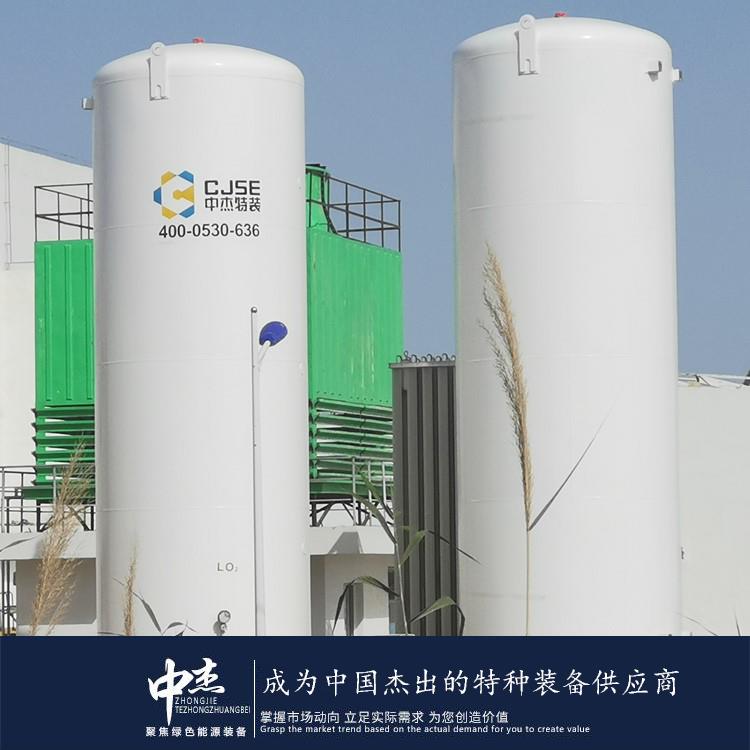
The use of liquid oxygen storage tanks requires special attention to the following safety matters:
Training: Personnel handling liquid oxygen tanks must undergo training to understand the properties of liquid oxygen, safety operating procedures, and emergency response measures. Only trained personnel are authorized to operate liquid oxygen tanks.
Safety Operating Procedures: Establish and adhere to safe operating procedures for liquid oxygen tanks, including proper operational procedures, protective measures, and emergency response plans. Ensure operators follow the procedures to minimize accident risks.
Protection Measures: When using liquid oxygen tanks, necessary protective measures must be taken, such as wearing protective gloves and suits. Avoid direct contact with liquid oxygen to prevent frostbite.
Leak Control: Conduct regular inspections of liquid oxygen storage tanks for leaks and equip with leak detectors and alarm systems. In case of a leak, take immediate measures to control it and carry out repairs.
Fire Prevention Measures: Liquid oxygen has a high oxygen content, which can easily ignite fires. To prevent and contain fires, fire walls and fire-resistant coatings are set up around liquid oxygen storage tanks.
Static protection: Electrostatic accumulation in liquid oxygen tanks may cause sparks, increasing the risk of fire. Measures such as using conductive materials and anti-static equipment are taken to reduce the accumulation and release of static electricity.
Ventilation Requirements: Ensure adequate ventilation within the enclosed space of the liquid oxygen storage tank to expel vapors produced by the evaporation of liquid oxygen.
Shandong Zhongjie Special Equipment, welcome customers to visit our factory for business discussions.
Meishan Oxygen Storage Tanks - Various Models
