


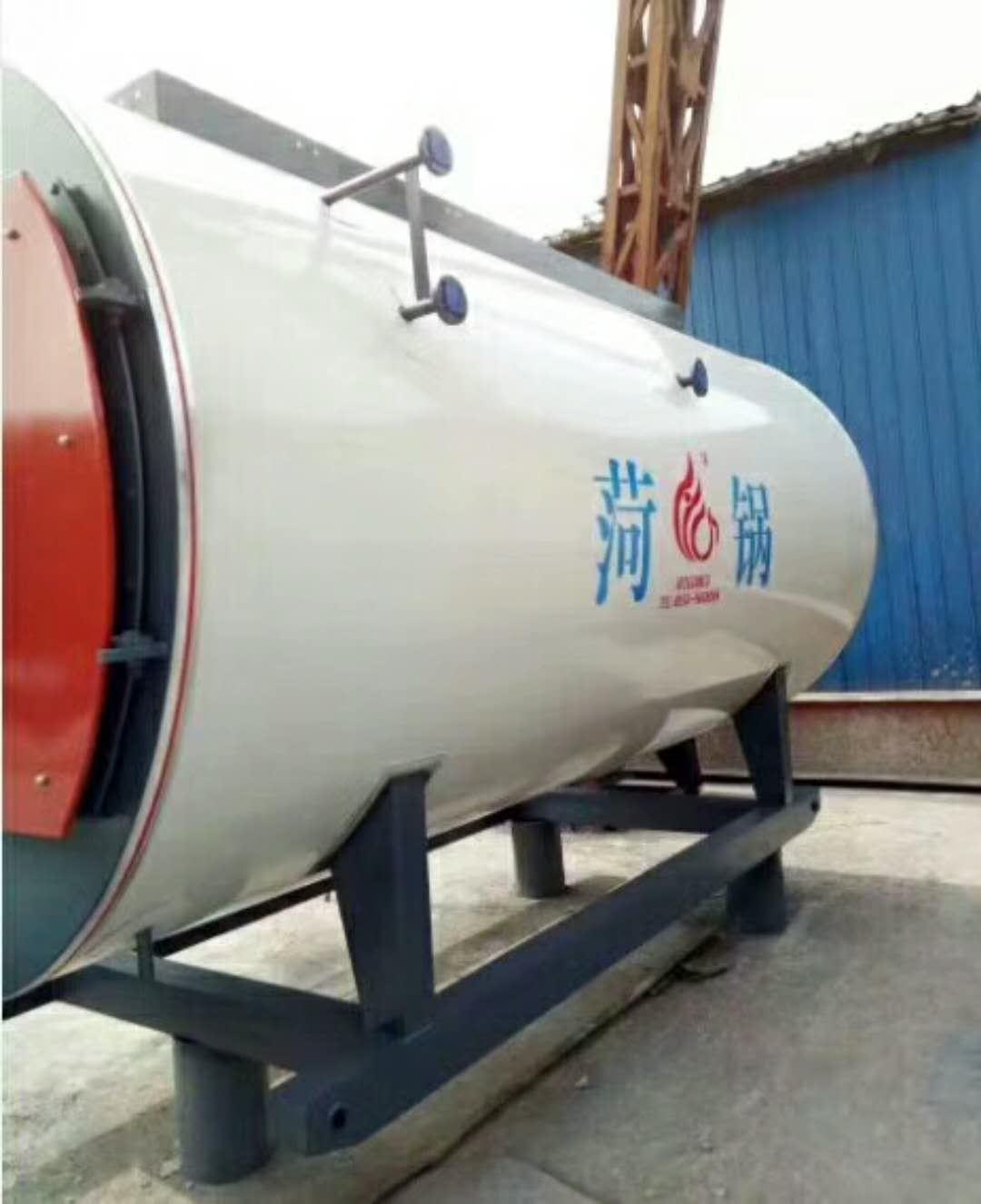
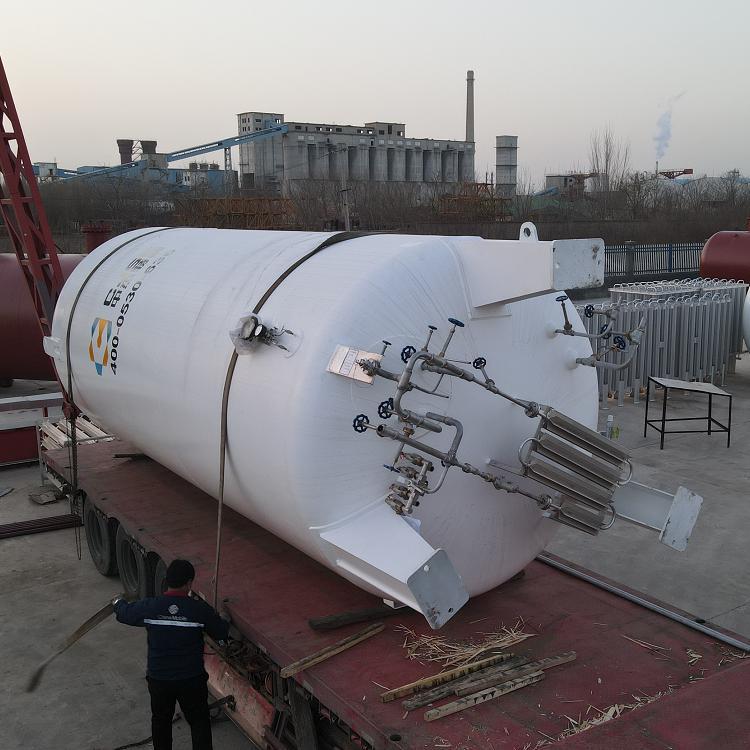
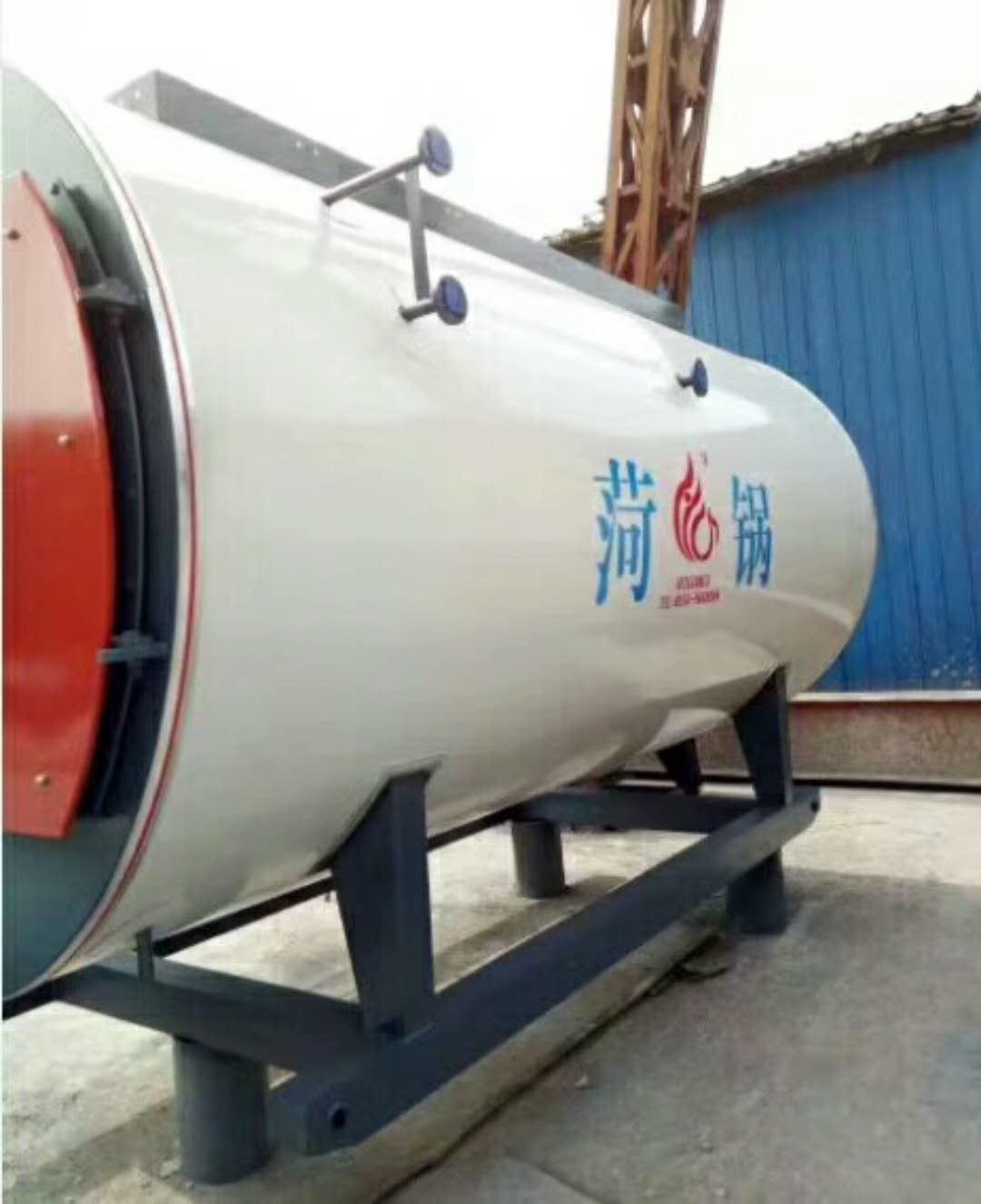
Shandong Zhongjie Special Equipment (formerly Heze Boiler Factory Co., Ltd.) holds an A-grade boiler manufacturing license, an A2-grade pressure vessel manufacturing license, an A2-grade pressure vessel design license, a B-grade boiler installation license, and GB2/GB3-class and GC2-class pressure pipeline installation licenses, as well as equipment and machinery installation contracting qualifications. It is a member of the China Boiler and Water Treatment Association, the China Chemical Equipment Association, and the理事 unit of the Shandong Equipment Manufacturing Association. The company has also passed certifications for the ISO9001 Quality Management System, ISO14001 Environmental Management System, OHSAS18001 Occupational Health and Safety Management System, and the U.S. ASME/U2 certification.
In pressure vessel design, several common "thickness" parameters need to be considered:
Wall Thickness: Refers to the actual thickness of the wall of a pressure vessel, i.e., the thickness of the container wall. The selection of wall thickness must consider factors such as the design pressure of the container, the strength of the material, and its corrosion resistance to ensure the strength and safety of the container.
Bend Allowance: The bend allowance refers to the additional thickness added to the wall thickness during the manufacturing process to ensure the strength and shape of the container's bending sections. The calculation and selection of the bend allowance should consider factors such as the container's bending radius and the material's bendability.
Corrosion Allowance: The corrosion allowance refers to the additional thickness added to the wall to combat internal or external corrosion effects on the container. The selection of the corrosion allowance must consider the working environment of the container and the corrosive nature of the medium to ensure that the container can withstand the effects of corrosion throughout its service life.
These "thickness" parameters play a crucial role in pressure vessel design, affecting the container's strength, corrosion resistance, and safety. During the design process, it is necessary to select and calculate these thickness parameters reasonably, based on relevant standards and specifications, in conjunction with the container's usage conditions and requirements, to ensure that the design and manufacturing meet the standards.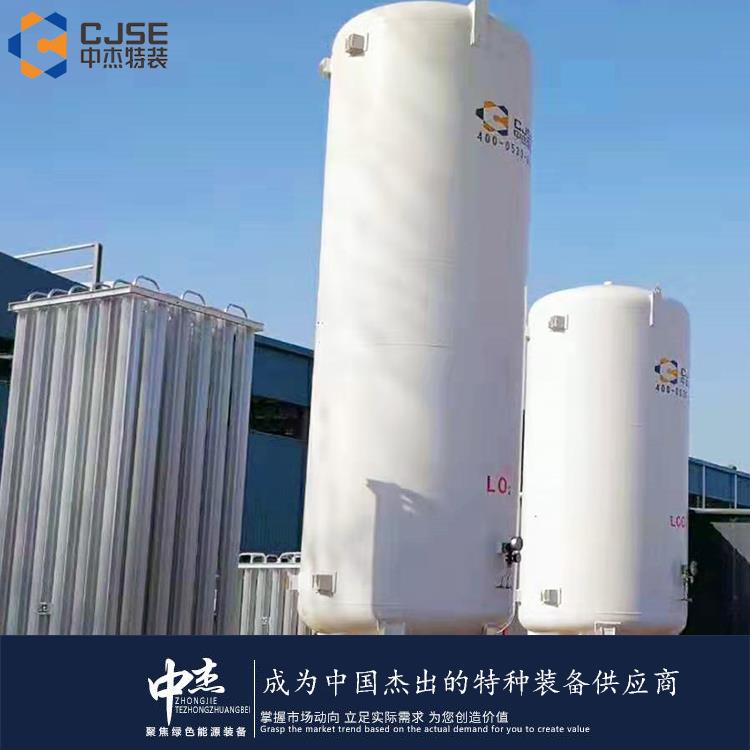
The use of liquid nitrogen storage tanks in rapid freezing technology offers several advantages:
Rapid Freezing Speed: Liquid nitrogen has a low temperature of about -196 degrees Celsius. Utilizing liquid nitrogen tanks for quick freezing can rapidly lower the surface temperature of food, achieving fast freezing. Compared to traditional freezing methods, liquid nitrogen freezing can significantly reduce freezing time while preserving the quality and texture of the food.
Uniform Cryogenic Effect: The liquid nitrogen quick-freezing technology enables rapid and even freezing of food. Liquid nitrogen is喷射 onto the food surface in a gaseous form, quickly absorbing heat and converting into a liquid state, thereby achieving even freezing of the food and avoiding crystallization and clumping during the freezing process.
Maintain Food Quality: Liquid nitrogen rapid freezing quickly chills food, reducing crystallization and caking during the freezing process, thereby preserving the quality and texture of the food. During the rapid freezing process, liquid nitrogen rapidly lowers the surface temperature of the food, forming tiny frozen structures, effectively retaining the food's moisture and nutrients.
Flexibility and Adaptability: Liquid nitrogen tanks can be adjusted and controlled to cater to different types of food and freezing requirements. The speed and angle of liquid nitrogen喷射 can be modified based on the size, shape, and freezing needs of the food to achieve optimal freezing results.
Environmental Protection and Energy Efficiency: Liquid nitrogen quick-freezing technology is more energy and resource-saving compared to traditional freezing methods. Liquid nitrogen rapidly evaporates during the freezing process, causing environmental pollution and generating waste water and gas.
Note: When using liquid nitrogen storage tanks for flash-freezing, it's crucial to adhere to the relevant safety operating procedures and guidelines. Ensure that operators possess the necessary safety awareness and operational skills to prevent accidents. Additionally, consult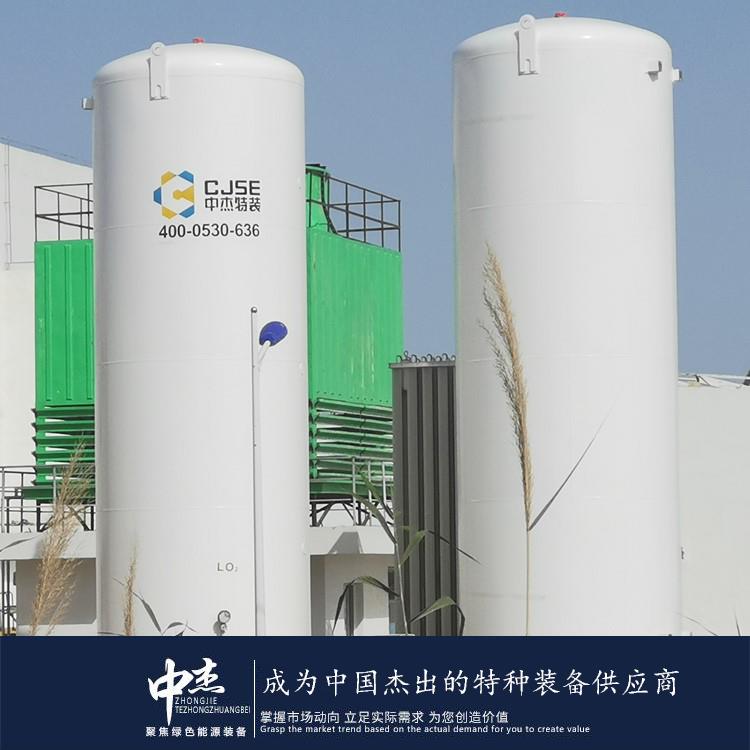
Liquid nitrogen storage tanks are equipment used for storing and transporting liquid nitrogen. To ensure safe operation, here are some common operational safety protocols for liquid nitrogen storage tanks:
Tank Installation: Tanks should be installed on a solid and level foundation, away from fire sources and flammable materials. Good ventilation around the tank is essential to prevent gas accumulation. The tank should maintain a safe distance from other equipment and buildings.
Liquid Nitrogen Filling: When filling with liquid nitrogen, use appropriate liquid nitrogen transfer equipment to avoid direct contact. During the filling process, monitor and control the flow and pressure of liquid nitrogen to prevent over-filling and excessive pressure in the storage tank.
Tank Pressure Control: Tanks should be equipped with pressure control devices to ensure internal pressure remains within safe limits. Regularly inspect and maintain these devices to ensure proper operation.
Leak Detection and Alarm Systems: Storage tanks should be equipped with leak detection and alarm systems to promptly detect and alert of any tank leaks. Regularly inspect and maintain the leak detection equipment to ensure proper functioning.
Fire and explosion prevention measures: A fire-resistant isolation area should be set around the storage tank, away from fire sources and flammable materials. The tank itself should adopt fire and explosion prevention measures, such as fire-resistant coatings, explosion-proof devices, etc., to prevent fires and explosions.
Regular Inspections and Maintenance: Conduct regular inspections of the tank's appearance, valves, and fittings to ensure they are undamaged. Perform regular leak detection and pressure tests to ensure the tank's safety performance meets requirements.
Safety Training and Awareness Enhancement: Conduct safety training for operators to enhance their awareness and ability in the safe operation of liquid nitrogen tanks. Regularly hold safety training and drills to respond to emergencies.
Establish comprehensive management records and documents, including the usage of tanks, inspection logs, and maintenance records. Regularly review and update these records to ensure the safe management and maintenance of the tanks.
Note that the above are some common protection procedures, which may vary depending on the type of tank and application. When using liquid nitrogen tanks, operate according to relevant specifications and standards, and consult with experts to ensure safety and effectiveness.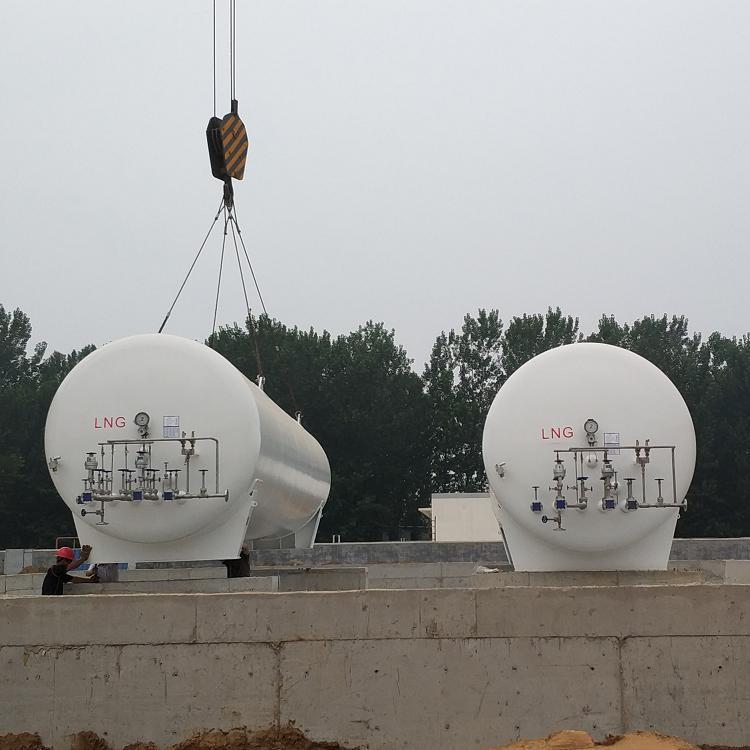
Liquid oxygen storage tanks are high-pressure, highly oxidizing equipment that require special attention to safety during use. Here are some safety precautions for liquid oxygen storage tanks:
- Operation: The operation of liquid oxygen storage tanks should be carried out by trained and experienced personnel. Operators should be familiar with the tank's structure, performance, and operating procedures, and operate strictly according to the operation manual and safety regulations.
- Fire Prevention Measures: Liquid oxygen is highly oxidizing and can easily cause fires and explosions. Open flames and sparks should be prohibited around liquid oxygen storage tanks, and precautions should be taken to prevent contact with the tank by hot objects. Fire protection equipment and fire extinguishers should be established, and regular inspections and maintenance should be conducted.
- Leak Control: In the event of a leak in a liquid oxygen storage tank, immediate measures should be taken to control the leak. Leaks can lead to the evaporation of liquid oxygen and an increase in oxygen concentration, which can heighten the risk of fire and explosion. A leak detection system should be established, and leak control devices and personal protective equipment should be provided.
- Insulation Protection: Liquid oxygen storage tanks should have good insulation protection to reduce the evaporation of liquid oxygen and maintain a low temperature state. The insulation layer should be inspected and maintained regularly to ensure its integrity and insulating properties.
- Safety Distance: A certain safety distance should be maintained around liquid oxygen storage tanks to prevent the spread of fires, explosions, and leaks. The specific requirements for safety distances should be assessed and determined according to local regulations and standards.
- Regular Inspections and Maintenance: Liquid oxygen storage tanks should be inspected and maintained regularly, including checking the structural integrity of the tank, valves, and pipelines for tightness.
Shandong Zhongjie Special Equipment, welcome clients for factory talks and cooperation.
Quzhou 5 cubic meter nitrogen tank – Trustworthy
