


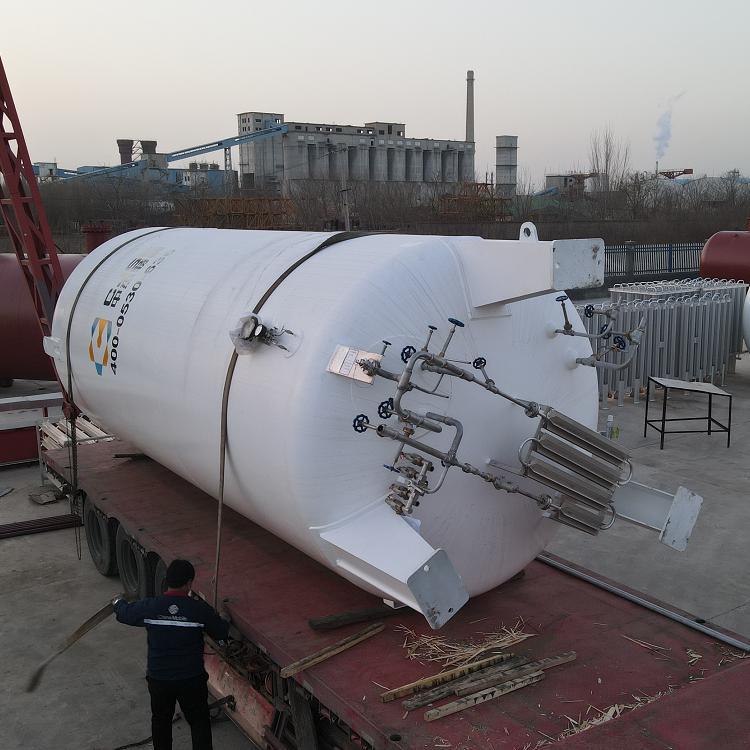

Shandong Zhongjie Special Equipment (formerly Heze Boiler Factory Co., Ltd.) holds an A-grade boiler manufacturing license, an A2-grade pressure vessel manufacturing license, an A2-grade pressure vessel design license, a B-grade boiler installation license, and GB2/Class and GC2/Class pressure pipeline installation licenses, as well as a mechanical and electrical equipment installation contracting qualification. It is a member of the China Boiler and Water Treatment Association, the China Chemical Equipment Association, and the director unit of the Shandong Equipment Manufacturing Association. The company has also passed the ISO9001 Quality Management System, ISO14001 Environmental Management System, OHSAS18001 Occupational Health and Safety Management System certifications, and the American ASME/U2 certification.
The reason for regular inspections of low-temperature liquid carbon dioxide storage tanks is to ensure their safety performance and normal operation. Due to the storage tanks being in a low-temperature and high-pressure environment, there are certain safety risks, such as leaks and structural failures. Regular inspections can help identify potential issues early, allowing for appropriate repairs or maintenance to ensure safe operation. The specific inspection frequency should be determined according to relevant regulations and standards, and it is generally recommended to conduct regular inspections and maintenance. Typically, the time interval for regular inspections of low-temperature liquid carbon dioxide storage tanks is between 1 to 3 years, with the exact interval potentially varying based on usage, age, design standards, and other factors. The content of regular inspections usually includes visual inspections of the tank, checks of valves and connections, leak detection, and pressure testing. Additionally, regular checks and maintenance of the insulation layer should be performed to ensure its insulating performance. It is important to note that the specific inspection frequency and content should be determined based on local regulations, standards, and the manufacturer's recommendations. Inspections should be conducted by qualified personnel, and maintenance records should be kept to track and manage the tank's safety performance.
Urea synthesis from carbon dioxide is a significant chemical reaction with several applications:
- Urea Production: Urea is a crucial nitrogen fertilizer and chemical, widely used in both agricultural and industrial sectors. Carbon dioxide synthesis is one of the commonly used methods for urea production. In this process, carbon dioxide reacts under high temperature and pressure to form urea. This method utilizes carbon dioxide resources, reducing reliance on fossil fuels used in traditional urea production.
- Urea Fuel: Urea can also serve as a urea fuel for internal combustion engines and combustion equipment. By heating and decomposing urea, energy is released, which then reacts with oxygen in the air to produce combustion heat. This combustion process yields only water vapor and nitrogen as by-products, minimizing environmental pollution.
- Chemical Synthesis: Urea is an essential raw material for the synthesis of many chemicals. The carbon dioxide synthesis of urea provides a sustainable supply for the chemical industry, used in the production of other chemicals such as plastics, resins, paints, etc.
- Energy Storage: Urea can also act as a medium for energy storage. By synthesizing urea from carbon dioxide, energy can be stored in the form of chemical bonds. When energy is needed, it can be released by decomposing urea, which then reacts with oxygen in the air to produce combustion heat, releasing the stored energy.
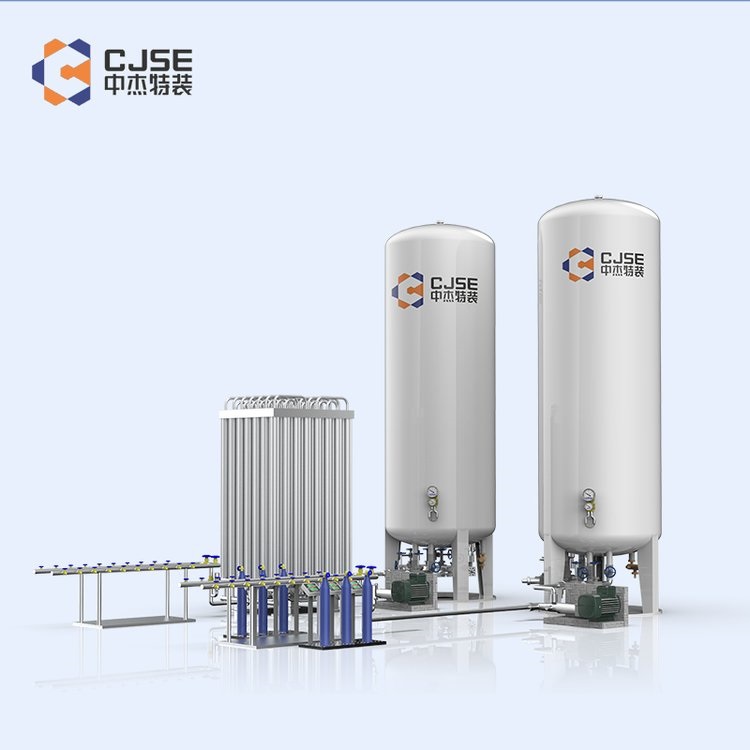
The development of carbon dioxide synthesis urea technology aims to reduce dependence on fossil fuels used in traditional urea production methods, decrease greenhouse gas emissions, and promote the development of sustainable agriculture and the chemical industry. However, this technology is still under development and research, requiring further technological breakthroughs and practical verification for large-scale application.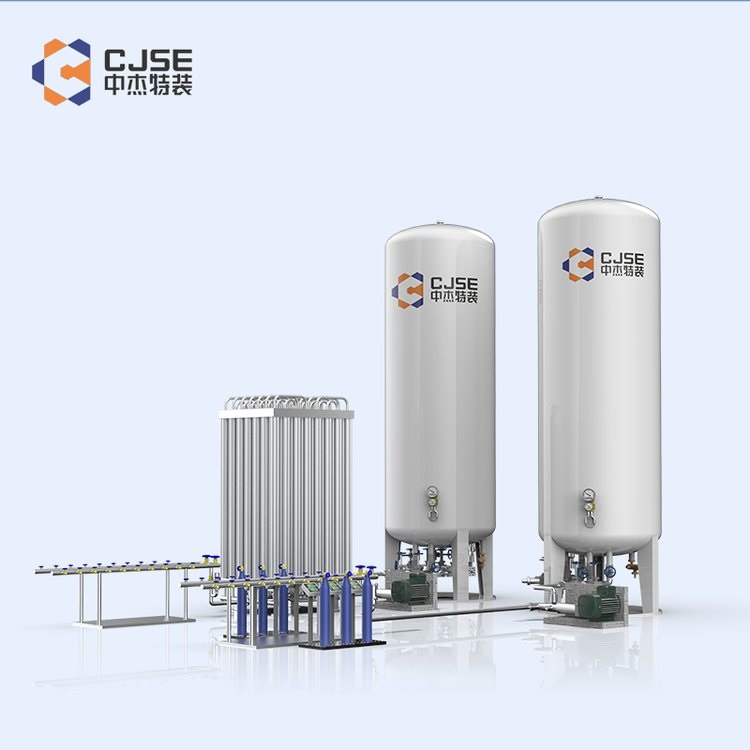
For the maintenance and care of low-temperature liquid storage tanks, here are some tips and precautions:
- Regular Inspections: Regularly check the tank's exterior, internal lining, valves, and pipeline connections for signs of corrosion, cracks, or oil leaks.
- Cleaning and Draining: Regularly clean the interior of the tank to remove accumulated impurities and sediments. Also, regularly drain the tank to remove liquid and gas impurities.
- Corrosion Prevention: The outer shell and inner lining of low-temperature liquid storage tanks should be treated with corrosion prevention measures. Regularly inspect and maintain the corrosion protection layer or coating to ensure its integrity and effectiveness.
- Temperature and Pressure Control: The temperature and pressure of the low-temperature liquid storage tank should be controlled within the design limits. Avoid excessive or low temperatures and pressures that could damage the tank.
- Safety Equipment Checks: Inspect the tank's safety equipment, such as safety valves, pressure sensors, and temperature sensors, to ensure they are functioning properly. Verify that their set parameters meet requirements.
- Maintenance of Level Measurement Systems: Regularly inspect and calibrate the level measurement system to ensure accuracy and reliability. Clean or replace level sensors as needed.
- Fire Prevention Measures: Fire prevention measures for low-temperature liquid storage tanks are crucial. Ensure that fire protection equipment around the tank is in good condition and conduct fire drills regularly.
- Regular Assessments and Monitoring: Regularly assess and monitor the tank, including structural integrity, corrosion, and safety aspects. Take appropriate maintenance and repair measures based on assessment results.
- Operator Training: Operators should receive training on the characteristics, operational requirements, and safety measures of low-temperature liquid storage tanks. Training should include safe operation, leak handling, and emergency procedures.
Leakage issues in carbon dioxide storage tanks may be caused by the following reasons: Material Corrosion: Carbon dioxide has a certain degree of corrosiveness, and prolonged contact may lead to corrosion of the tank material. Corrosion can damage the tank's surface protective layer, causing it to lose its seal and resulting in leakage. Welding Defects: The welding joints of the tank may have defects, such as cracks in the welds or blow holes. These defects can weaken the strength of the welded areas, leading to leakage. Design Defects: Inadequate design or defects in the tank may also cause leakage. For example, improperly designed interfaces or unreasonable structural designs can lead to leakage issues in the tank. Excessive Pressure: If the internal pressure of the tank exceeds its capacity, it may cause deformation or破裂, leading to leakage. Temperature Fluctuations: During temperature changes, carbon dioxide storage tanks may deform or develop stress concentrations due to thermal expansion and contraction, causing leakage. Incorrect Operation: Improper operation and maintenance may also lead to tank leakage. For instance, over-tightening valves or improper maintenance measures can reduce the tank's sealing performance. External Damage: External forces such as impacts, scratches, or corrosion on the tank may cause surface damage or corrosion, leading to leakage. To avoid leakage issues in carbon dioxide storage tanks, select appropriate materials, reasonable design, and manufacturing processes, and conduct regular inspections and maintenance. Additionally, operators should receive training and adhere to operational procedures to ensure safe operation of the tank.
Zhongjie Special Equipment upholds the grand vision of "realizing employees' dreams, creating value for customers, and striving for the prosperity and strength of our motherland," and is dedicated to the development of the green energy equipment industry. We offer society high-quality products and services at competitive prices!
Liaoyang 10-cubic CO2 Storage Tank, High Product Safety
