


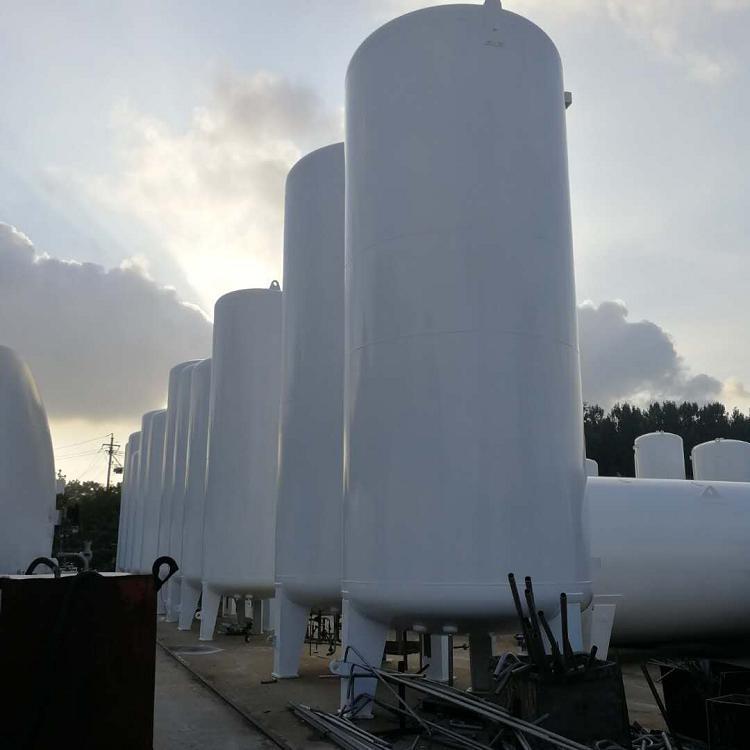
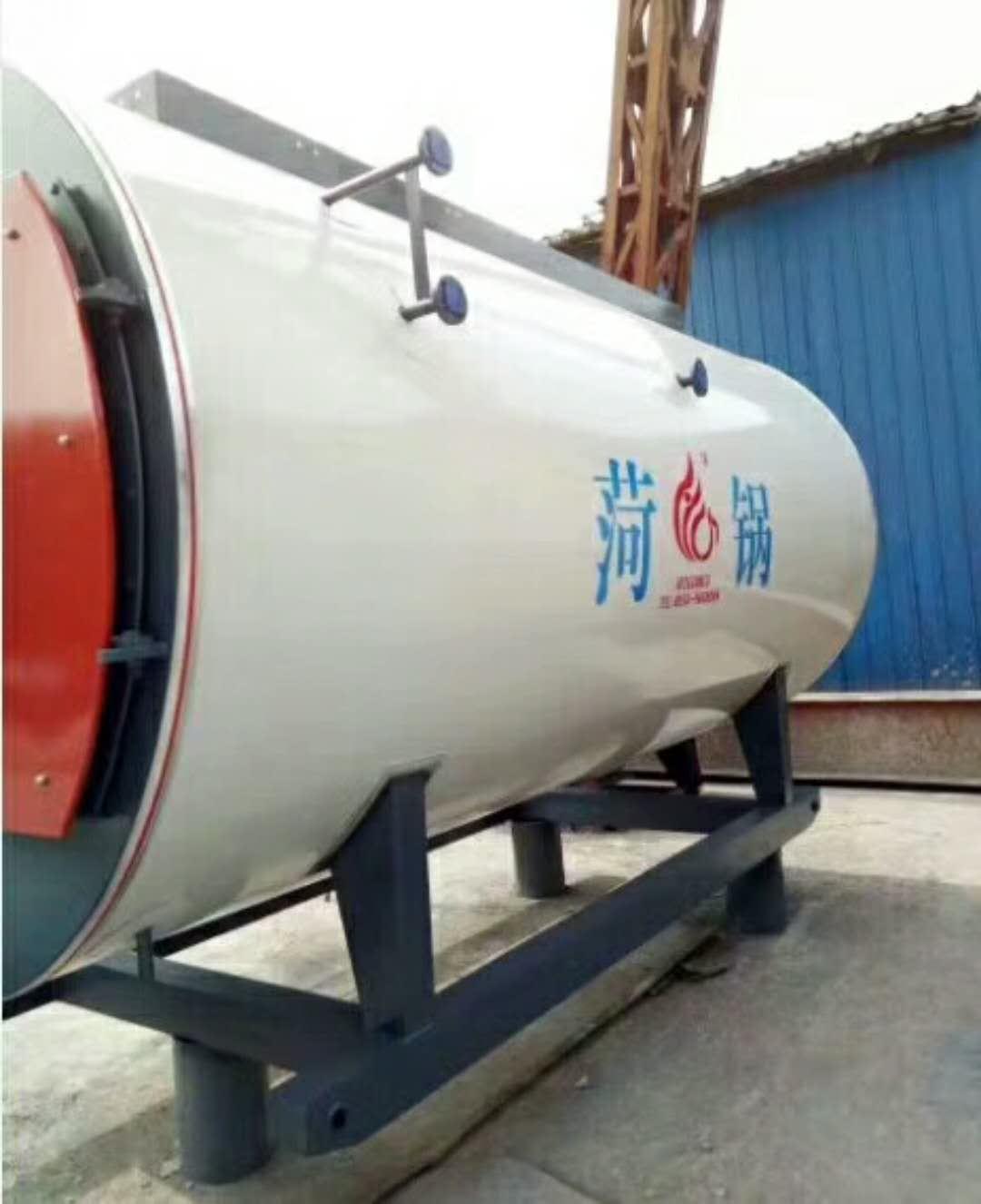
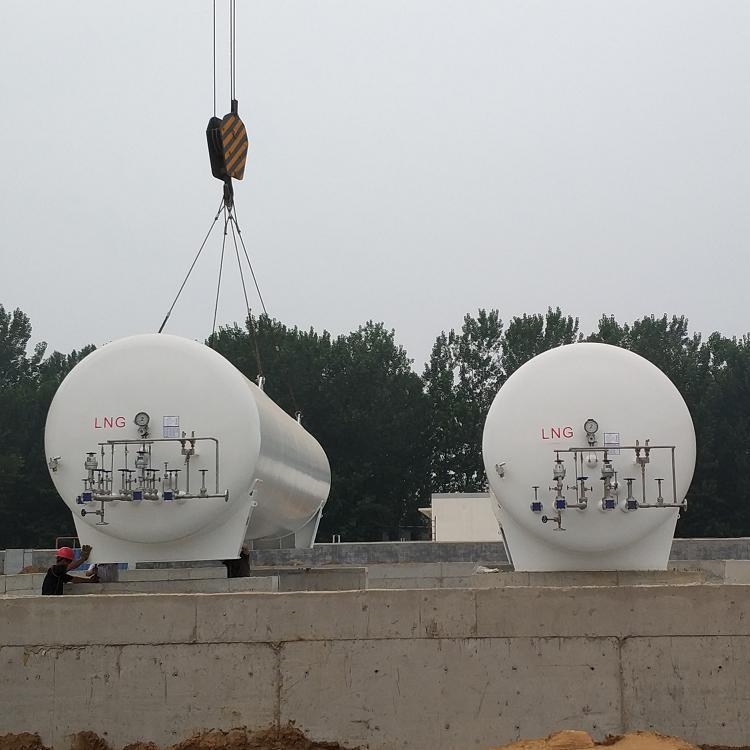
Shandong Zhongjie Special Equipment's main products include: fuel (gas) boilers, organic heat carrier boilers, biomass boilers, waste heat recovery boilers, and other boiler products; vacuum insulated cryogenic pressure vessels such as LNG tanks, oxygen/nitrogen/argon tanks, and CO2 tanks; pressure vessel products like denitrification engineering equipment, heat storage and energy storage equipment, and complete chemical equipment sets; central air conditioning and HVAC equipment such as ground (water) source heat pumps, air source units, water-cooled screw units, and air-cooled modular units. Planned products include large-scale energy centers, LNG transport vehicles, LNG tank containers, and other green energy equipment.
Carbon dioxide level gauges are devices used for measuring and monitoring the liquid level of CO2 within storage tanks. Depending on different working principles and application requirements, common types of CO2 level gauges include the following:
- Buoy Level Gauges: Utilize the buoyancy of a float to indicate the level's height, measured through a mechanical linkage or electrical signal sensor connected to the float.
- Pressure Level Gauges: Measure the level using the relationship between liquid pressure and level. The level height is calculated by measuring the pressure change on a pressure sensor due to the liquid.
- Ultrasonic Level Gauges: Measure the level by utilizing the propagation time of ultrasound. An ultrasonic transmitter emits waves, and when the beam encounters the liquid surface, part of it is reflected back. The level height is calculated by measuring the reflection time.
- Capillary Level Gauges: Employ the capillary principle to measure the level. The liquid rises in a narrow tube, and the level height is estimated based on the liquid's rise.
- Level Gauges: Measure the level using wave reflection. A transmitter emits waves, and when the beam meets the liquid surface, part of it is reflected back. The level height is calculated by measuring the reflection time.
The application of these level gauges in CO2 storage tanks can be selected based on specific needs and tank design. When selecting and installing level gauges, consider factors such as liquid properties, working environment, precision requirements, and ensure they are compatible with the tank's safe operation and monitoring system.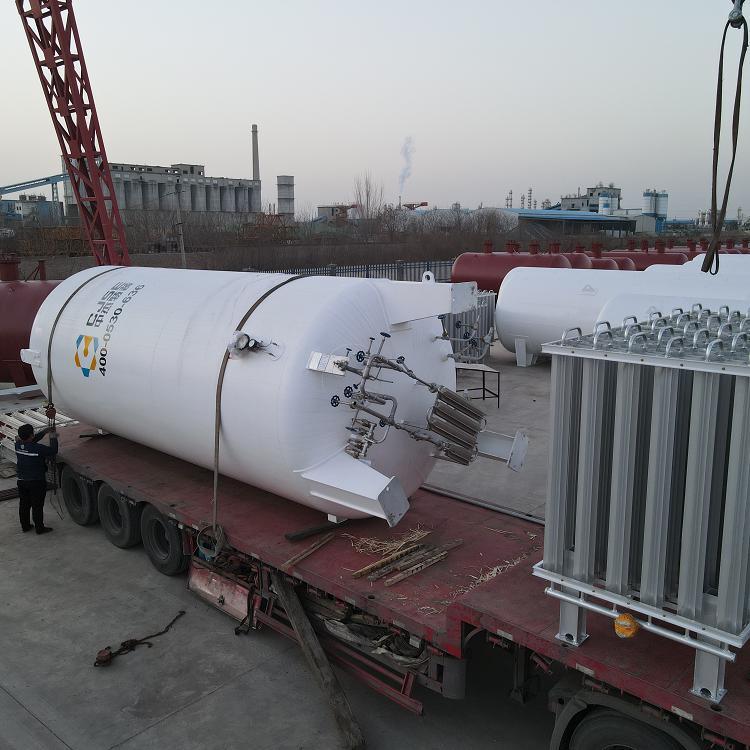
Carbon dioxide has several key applications in carbonated beverages:
- Creating bubbles and texture: Carbon dioxide is the key component responsible for the formation of bubbles and effervescence in carbonated drinks. When dissolved in the beverage, it forms bicarbonate ions, giving the drink its foamy and bubbly texture. This creates a unique taste and mouthfeel characteristic of carbonated beverages.
- Adjusting pH levels: Carbon dioxide reacts with water to form carbonic acid, thereby regulating the pH of carbonated drinks. By controlling the amount of carbon dioxide dissolved, the acidity of the beverage can be adjusted to achieve a desirable taste and mouthfeel.
- Providing a refreshing sensation: The carbon dioxide bubbles in carbonated drinks can give a refreshing feeling. When consumed, these bubbles stimulate the taste buds on the tongue, creating a cool and tingling sensation, enhancing the drink's taste and mouthfeel.
- Extending shelf life: Carbon dioxide in carbonated beverages plays a role in preservation. Due to its acidity and properties, it can inhibit the growth of microorganisms, extending the shelf life of carbonated drinks.
- Note that excessive consumption of carbonated beverages may have adverse health effects, such as tooth erosion and osteoporosis. Therefore, it is important to consume them in moderation.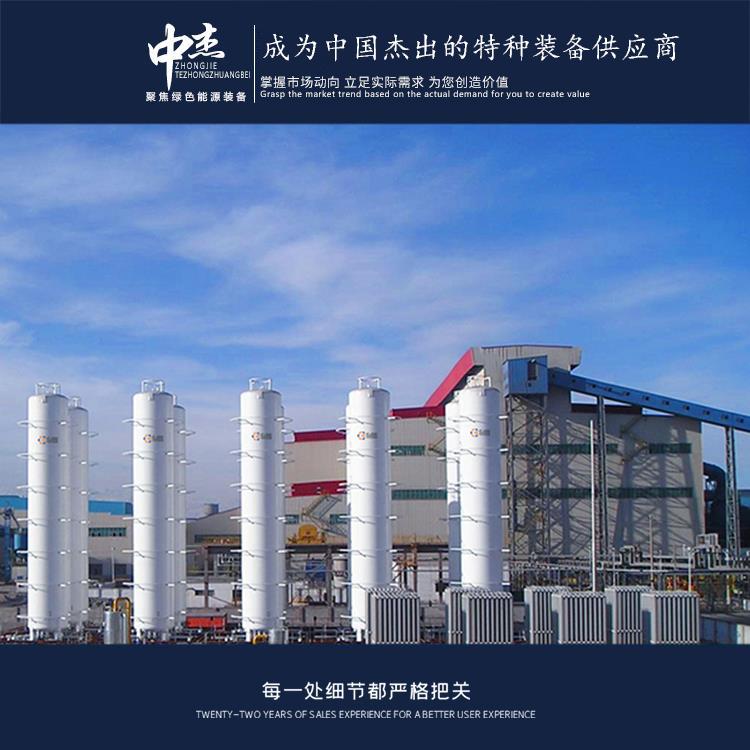
The reason for regular testing of low-temperature liquid carbon dioxide tanks is to ensure their safety performance and normal operation. Due to the low temperature and high-pressure environment in which low-temperature liquid carbon dioxide tanks operate, there are certain safety risks, such as leaks and structural failures. Regular testing can detect potential issues early, allowing for corrective or maintenance measures to ensure the tank's safe operation. The specific testing frequency should be determined according to relevant regulations and standards, and it is generally recommended to conduct regular inspections and maintenance. Typically, the interval for regular testing of low-temperature liquid carbon dioxide tanks is between 1 and 3 years, with the exact interval potentially varying based on usage, age, design standards, and other factors. The content of regular testing usually includes tank exterior inspections, valve and connection checks, leak detection, pressure testing, and regular maintenance of the tank's insulation to ensure its thermal performance. It is important to note that the specific testing frequency and content should be determined according to local laws, standards, and the manufacturer's recommendations. Testing should be performed by qualified personnel, and results and maintenance records should be documented for tracking and managing the tank's safety performance.
The working principle of carbon dioxide storage tanks involves the compression and liquefaction of carbon dioxide. Here is a brief description of the working principle of carbon dioxide storage tanks: Compression: Carbon dioxide gas is first compressed to a higher pressure by a compressor. This process compresses the gas into a high-pressure state, enabling it to transition into a liquid. Cooling: The compressed carbon dioxide gas enters a cooler, where it is rapidly cooled through a cooling agent or system within the cooler. This process cools the gas below its boiling point, allowing it to become liquid. Storage: The cooled carbon dioxide liquid is stored in sealed tanks, which typically have insulation to minimize evaporation of liquid carbon dioxide and maintain low temperatures. The internal pressure of the tank is maintained within a certain range to ensure stable storage of liquid carbon dioxide. Supply: When carbon dioxide is needed, it can be extracted from the tank through valves and piping systems. By controlling the opening and flow of valves, liquid carbon dioxide can be supplied to the required equipment or system. It should be noted that the working principle of carbon dioxide storage tanks may vary depending on specific design and manufacturing. When using carbon dioxide storage tanks, follow the operation manual and safety guidelines, and cooperate with local regulatory agencies and personnel to ensure the safety and reliability of the tank.
Our company attaches great importance to technological innovation and research and development. We have one municipal-level enterprise technology center in Heze City, equipped with non-destructive testing, physical and chemical testing, welding testing, hydrostatic testing, and other testing facilities. We have over 600 types of equipment, including CNC machine tools, X-ray flaw detectors, digital ultrasonic flaw detectors, mechanical property testing machines, chemical analyzers, spectrometers, tensile testing machines, plasma welding machines, and more. The key products we have developed, such as temperature and pressure vessel welding, biomass boiler emission reduction, and waste heat utilization, have successively been included in multiple Shandong Province Ministry of Industry and Information Technology scientific and technological innovation projects, key projects in Shandong Province, and Heze City innovation and excellence projects. We have accumulated a total of 27 authorized utility models, 16 authorized inventions, participated in drafting 2 standards, 2 industry standards, and registered 15 trademarks. Our technical team, in collaboration with Professor Yajiang Li from Shandong University, has developed deep cryogenic container processing technology, utilizing the international plasma arc + wire filling tungsten inert gas arc welding (PAW-GTAW) technology, which has been appraised as internationally competitive at the provincial level. Choose Zhongjie Special Equipment, and let's create brilliance together!
Zhengzhou Customized Carbon Dioxide Tanks, Made of 304 Stainless Steel
